Uganda vs Botswana Safari: Budget and Wildlife Comparison
Africa offers an incredible variety of safari destinations, each with its own landscapes, wildlife, and travel experiences. Among the continent’s most rewarding choices are Uganda and Botswana, two countries that consistently rank among the world’s top safari destinations. While both promise unforgettable encounters with nature, they differ significantly in terms of travel costs, wildlife experiences, accommodation styles, and the overall character of a safari.
For many travelers, choosing between these two destinations comes down to balancing budget with expectations. Botswana has built a global reputation for exclusive luxury safaris and pristine wilderness, while Uganda has become increasingly popular for offering diverse wildlife experiences, world-famous gorilla trekking, and exceptional value for money. Understanding these differences can help you select the destination that best matches your interests and travel budget.
Whether you are planning your first African safari or looking for a new adventure, this comparison explores how Uganda and Botswana perform across the most important aspects of a safari holiday.
Uganda and Botswana Offer Two Distinct Safari Experiences
 Although both countries protect remarkable wildlife and stunning natural landscapes, they have developed different tourism models.
Botswana follows a high-value, low-volume tourism strategy that limits visitor numbers in many protected areas. This approach helps preserve fragile ecosystems while creating an exclusive safari experience characterized by luxury camps, private concessions, and personalized service. Travelers visiting Botswana often enjoy intimate wildlife encounters with relatively few other vehicles nearby.
Uganda, often referred to as the Pearl of Africa, embraces a more diverse tourism model. The country combines classic wildlife safaris with gorilla trekking, chimpanzee tracking, birdwatching, cultural encounters, mountain adventures, and river cruises. Visitors can explore multiple ecosystems within a single itinerary while choosing from luxury and comfortable midrange accommodation options.
Rather than focusing solely on exclusivity, Uganda emphasizes diversity, making it possible to experience several different safari activities during one journey.
Comparing Safari Costs
One of the most noticeable differences between the two destinations is the overall cost of travel.
Botswana consistently ranks among Africa’s most expensive safari destinations. Many of its premier lodges operate as all-inclusive luxury camps, where accommodation, meals, drinks, game drives, and charter flights form part of the package. While these experiences are exceptional, they often place Botswana beyond the reach of many travelers with moderate budgets.
A luxury safari in Botswana can easily cost several hundred to well over a thousand dollars per person each night, depending on the season and location. The country’s reliance on light aircraft transfers between camps also increases overall travel expenses.
In contrast, Uganda safaris offer considerably greater flexibility. Travelers can choose from elegant luxury lodges overlooking the Nile or the forests of Bwindi, as well as high-quality midrange accommodations that provide excellent comfort without the premium price tag associated with Botswana.
Although gorilla trekking permits represent a significant investment, the overall cost of a complete Uganda safari often remains lower than a comparable Botswana itinerary. Visitors also benefit from affordable road transport between destinations, reducing the need for expensive domestic flights.
For travelers seeking outstanding value without compromising on memorable wildlife experiences, Uganda stands out as one of Africa’s best safari destinations.
Wildlife Diversity
Wildlife forms the heart of every safari, yet the type of encounters differs considerably between Uganda and Botswana.
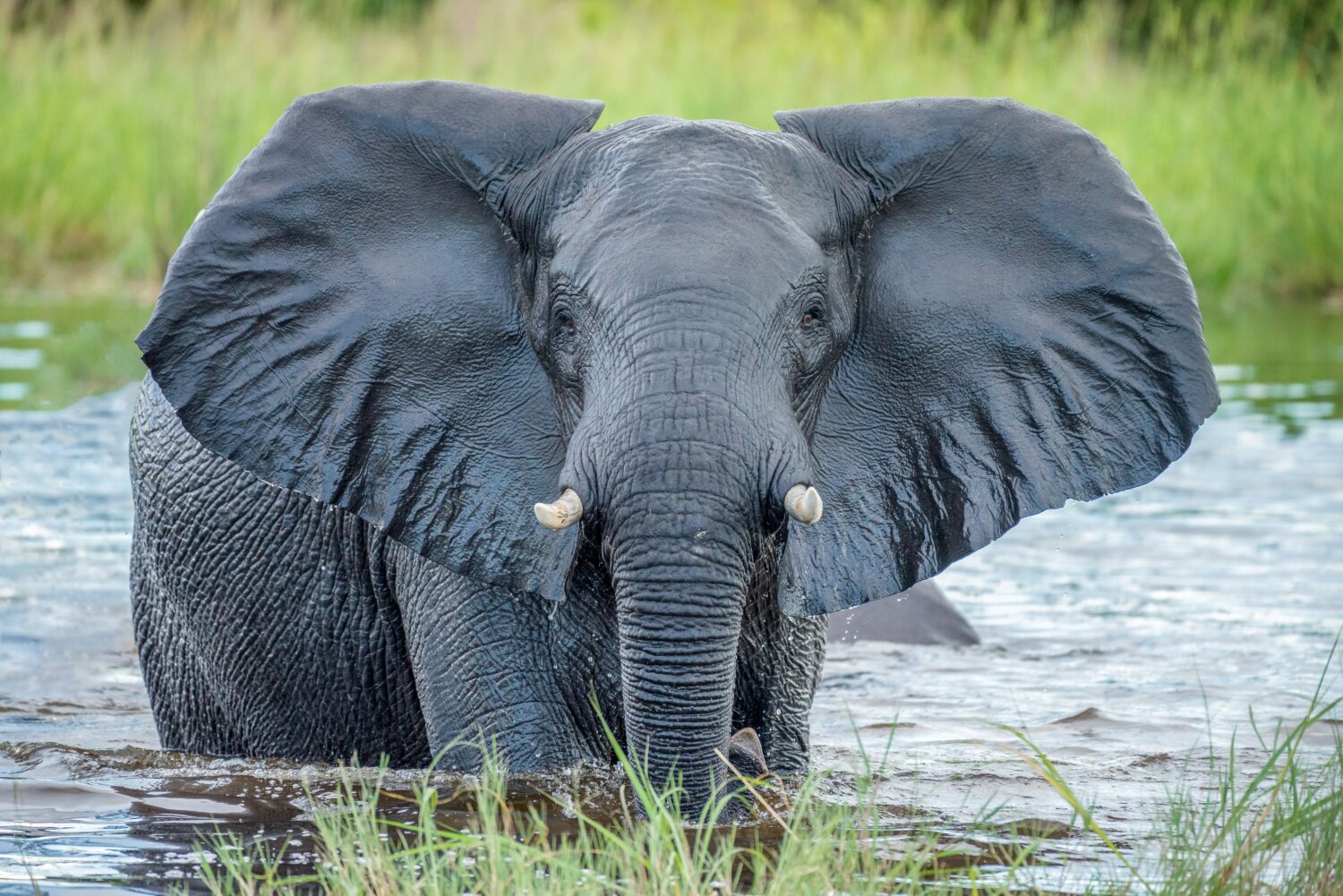
Botswana is famous for its vast wilderness areas, particularly the Okavango Delta, Chobe National Park, Moremi Game Reserve, and the Central Kalahari Game Reserve. These protected areas support healthy populations of elephants, lions, leopards, cheetahs, wild dogs, buffaloes, giraffes, zebras, hippos, crocodiles, and numerous antelope species.
The country’s low visitor numbers often allow guests to observe wildlife in peaceful surroundings without large crowds of safari vehicles.
Uganda, meanwhile, offers extraordinary biodiversity across its ten national parks. Visitors can encounter elephants, lions, leopards, buffaloes, giraffes, hippos, crocodiles, hyenas, Uganda kob, waterbucks, bushbucks, topis, and countless bird species during traditional game drives.
What truly distinguishes Uganda is its remarkable primate population. No other safari destination combines classic African wildlife with opportunities to observe endangered mountain gorillas and wild chimpanzees in their natural habitats.
This combination creates a safari unlike any other on the continent.
Gorilla Trekking Gives Uganda a Unique Advantage
Perhaps the greatest difference between these destinations lies in the opportunity to experience gorilla trekking.
Uganda is home to more than half of the world’s remaining mountain gorillas, protected within Bwindi Impenetrable National Park and Mgahinga Gorilla National Park. Trekking through ancient rainforest before spending one unforgettable hour with a habituated gorilla family is widely regarded as one of the world’s greatest wildlife experiences.
Watching a massive silverback interact with his family at close range creates memories that few other safari activities can equal.
Botswana does not offer gorilla trekking or chimpanzee tracking. Instead, it focuses entirely on traditional wildlife viewing across its spectacular wilderness areas.
For travelers whose dream is to encounter great apes in the wild, Uganda offers an experience unavailable anywhere in Botswana.
Botswana Excels in Water-Based Safaris
While Uganda dominates the primate safari market, Botswana shines when it comes to water-based wildlife experiences.
The Okavango Delta, one of the world’s largest inland deltas, transforms the landscape into a maze of lagoons, channels, islands, and floodplains. Traditional mokoro canoe excursions quietly glide through these waterways, providing unique opportunities to observe wildlife from the water.
Boat safaris, canoe trips, and seasonal floodplains create an entirely different perspective compared with conventional game drives.
Uganda also offers exceptional water experiences, particularly within Murchison Falls National Park, where boat cruises along the Nile approach the dramatic waterfall while passing hippos, crocodiles, elephants, buffaloes, and abundant birdlife.
Queen Elizabeth National Park’s famous Kazinga Channel also delivers outstanding boat safaris, making Uganda one of Africa’s leading destinations for river wildlife viewing.
Although Botswana’s delta remains unmatched in scale, Uganda provides equally memorable river safaris at a considerably lower overall cost.
Landscapes and Scenic Diversity
Botswana’s landscapes feature vast floodplains, open savannahs, deserts, wetlands, and woodlands that create classic safari scenery. The country’s untouched wilderness contributes greatly to its appeal, particularly for travelers seeking remote and tranquil environments.
Uganda, however, presents far greater geographical diversity within a relatively compact area.
A single safari may include rolling tea plantations, dense tropical rainforests, volcanic mountains, crater lakes, expansive savannahs, wetlands, river valleys, waterfalls, and the mighty River Nile.
This constant change in scenery keeps every stage of the journey visually exciting while offering opportunities for hiking, photography, wildlife viewing, and cultural exploration.
For travelers who appreciate varied landscapes, Uganda delivers remarkable diversity throughout one itinerary.
Big Five Wildlife Comparison
Both destinations provide opportunities to encounter Africa’s famous Big Five, although the experience varies.
Botswana supports healthy populations of elephants, lions, leopards, buffaloes, and rhinoceroses in selected conservation areas. Elephant numbers are particularly impressive, with Botswana protecting the largest elephant population on the continent.
Uganda offers elephants, lions, buffaloes, and leopards across several national parks, while white rhinos can be tracked on foot at Ziwa Rhino Sanctuary, making it possible to complete the Big Five experience during a well-planned safari.
The addition of gorillas and chimpanzees gives Uganda a broader wildlife portfolio than many traditional safari destinations.
Accommodation and Overall Value
Accommodation represents another important distinction.
Botswana focuses heavily on luxury tented camps and exclusive safari lodges that provide exceptional comfort, gourmet dining, personalized guiding, and premium service. These properties cater primarily to travelers seeking high-end experiences and privacy.
Uganda also offers excellent luxury accommodation, including elegant safari lodges overlooking rivers, forests, and wildlife-rich landscapes. At the same time, the country provides outstanding midrange lodges that combine comfort, excellent hospitality, and authentic safari atmospheres at much more accessible prices.
This wider range of accommodation makes Uganda safaris suitable for honeymooners, families, photographers, retirees, and adventure travelers alike.
Safari Activities Beyond Traditional Game Drives
One of the greatest strengths of Uganda is the sheer variety of experiences available during a single safari. While game drives remain a highlight in parks such as Murchison Falls National Park, Queen Elizabeth National Park, and Kidepo Valley National Park, they represent only one part of the journey. Travelers can begin the day searching for lions and elephants across open savannah, spend the afternoon cruising along the Nile or the Kazinga Channel, and finish the next day trekking through tropical rainforest in search of mountain gorillas or chimpanzees.
Adventure seekers can also hike to the top of the spectacular Murchison Falls, where the Nile squeezes through a narrow seven-meter gorge before plunging into the Devil’s Cauldron. Nature walks, sport fishing, community visits, crater lake excursions, and mountain hiking further enrich the experience, allowing visitors to enjoy far more than traditional wildlife viewing.
Botswana offers equally rewarding safari activities but with a different emphasis. Guided game drives remain the primary attraction, complemented by walking safaris, boat cruises, and the famous mokoro canoe excursions through the Okavango Delta. These peaceful journeys through reed-lined waterways create intimate encounters with wildlife while showcasing one of Africa’s most extraordinary wetland ecosystems.
Although Botswana excels in exclusive wilderness experiences, Uganda provides a broader range of activities within one itinerary, making every day feel unique.
Birdwatching Opportunities
Bird enthusiasts often rank both countries among Africa’s finest birding destinations, yet Uganda enjoys a clear advantage in terms of species diversity.
With more than 1,090 recorded bird species, Uganda supports nearly half of all bird species found on the African continent. The country’s forests, wetlands, rivers, mountains, and savannahs provide habitats for an incredible variety of resident and migratory birds.
Among the most sought-after sightings are the prehistoric-looking Shoebill Stork, the colorful Great Blue Turaco, the Grey Crowned Crane, African Fish Eagle, Green Breasted Pitta, Saddle-billed Stork, Giant Kingfisher, and numerous hornbills, bee-eaters, sunbirds, and weavers.
National parks such as Murchison Falls, Bwindi Impenetrable National Park, Kibale Forest, and Queen Elizabeth National Park attract birdwatchers from around the world throughout the year.
Botswana also offers exceptional birdwatching, particularly within the Okavango Delta and Chobe National Park. The wetlands attract large numbers of waterbirds, raptors, kingfishers, herons, and migratory species, especially during the rainy season.
For dedicated birders seeking the widest possible variety of species during a single safari, Uganda remains one of Africa’s premier destinations.
Accessibility and Ease of Travel
Accessibility plays an important role when planning any safari.
Most international visitors begin their Uganda safari through Entebbe International Airport before traveling by comfortable safari vehicles or domestic flights to various national parks. Uganda’s relatively compact size allows travelers to combine multiple destinations efficiently without spending excessive time in transit.
A typical itinerary can include Murchison Falls National Park, Kibale Forest National Park, Queen Elizabeth National Park, and Bwindi Impenetrable National Park within ten to twelve days, providing an exceptional variety of wildlife and landscapes.
Botswana often requires more domestic flights due to the remote nature of many safari camps. Charter aircraft connect visitors to luxury lodges in the Okavango Delta, Moremi Game Reserve, and other wilderness areas. Although these flights provide breathtaking aerial views, they significantly increase the overall cost of the safari.
Travelers seeking a combination of convenience, affordability, and destination diversity often find Uganda easier to explore.
The Best Time to Visit
Both destinations offer rewarding safaris throughout the year, although seasonal conditions influence wildlife viewing.
Uganda experiences two primary dry seasons from June to September and December to February. These months provide ideal conditions for gorilla trekking, chimpanzee tracking, and game drives, as wildlife gathers around reliable water sources and forest trails become easier to navigate.
The rainy seasons transform Uganda into a lush green paradise, offering excellent birdwatching opportunities and beautiful landscapes for photographers.
Botswana’s dry season from May to October delivers outstanding wildlife viewing as animals concentrate around permanent water sources. During this period, the Okavango Delta reaches its annual flood, creating spectacular water-based safari opportunities.
The green season from November to April attracts migratory birds, newborn animals, and dramatic landscapes while generally offering lower accommodation rates.
Neither destination has a single “perfect” time to visit, as each season offers unique advantages depending on travelers’ priorities.
Family Travel and First-Time Safaris
Families planning their first African safari often seek destinations that combine exciting wildlife encounters with varied activities suitable for different interests.
Uganda performs exceptionally well in this regard because every stage of the journey introduces something new. Children and adults alike enjoy searching for giraffes and elephants during morning game drives, cruising along the Nile in the afternoon, learning about conservation from experienced guides, and exploring local communities that showcase Uganda’s rich cultural heritage.
Older children who meet the minimum age requirements can also participate in chimpanzee tracking and gorilla trekking, creating unforgettable family memories.
Botswana’s luxury camps provide outstanding service for families, although some camps have age restrictions due to safety considerations and the nature of walking safaris.
For travelers seeking educational experiences, wildlife diversity, and excellent value, Uganda offers remarkable opportunities for families.
Conservation and Sustainable Tourism
Both countries have built strong international reputations for wildlife conservation.
Botswana’s high-value tourism model limits visitor numbers while generating significant revenue for conservation initiatives. This approach has helped protect extensive wilderness areas and maintain healthy populations of elephants, predators, and other wildlife.
Uganda has also achieved impressive conservation success, particularly through its mountain gorilla protection programs. Revenue generated from gorilla permits, park entrance fees, and safari tourism directly supports wildlife monitoring, anti-poaching operations, habitat restoration, ranger training, and community development projects.
The recovery of mountain gorilla populations stands as one of conservation’s greatest achievements, demonstrating how responsible tourism can benefit both wildlife and local communities.
Choosing a safari in either destination contributes to preserving Africa’s extraordinary biodiversity for future generations.
Which Destination Offers Better Value?
Value extends beyond the initial price of a safari. It reflects the number of experiences, wildlife encounters, landscapes, and activities included during the journey.
Botswana unquestionably delivers one of Africa’s finest luxury safari experiences. Travelers seeking exclusive lodges, remote wilderness, personalized guiding, and intimate wildlife encounters often consider it a dream destination.
However, Uganda consistently provides greater overall value because visitors experience much more than traditional game drives. A single itinerary can include gorilla trekking, chimpanzee tracking, Big Five wildlife viewing, Nile boat cruises, waterfall hikes, birdwatching, cultural experiences, and breathtaking mountain scenery without requiring the budget associated with Botswana’s luxury tourism model.
For many travelers, Uganda delivers more adventure, greater diversity, and richer experiences per dollar spent.
Uganda or Botswana: Which Safari Should You Choose?
Choosing between Uganda and Botswana ultimately depends on your travel goals.
If your priority is a highly exclusive luxury safari centered on pristine wilderness, the Okavango Delta, and remarkable elephant populations, Botswana remains one of Africa’s finest destinations.
If you seek the widest variety of wildlife experiences, exceptional biodiversity, unforgettable encounters with mountain gorillas and chimpanzees, scenic river safaris, dramatic waterfalls, rich cultural experiences, and outstanding value, Uganda stands out as the more versatile destination.
For travelers who want to experience Africa’s incredible diversity without limiting themselves to one type of safari, Uganda offers a journey unlike any other. Its combination of classic wildlife, rare primates, spectacular landscapes, and welcoming hospitality continues to attract visitors from around the world.
At Murchison Fall Park Safari, we specialize in creating tailor-made Uganda safari experiences that showcase the country’s most remarkable destinations. Whether your dream holiday includes Murchison Falls National Park, Bwindi Impenetrable National Park, Queen Elizabeth National Park, or Kibale Forest National Park, our experienced team can design an itinerary that matches your interests, travel style, and budget.
Visit Murchison falls park safari to explore our Uganda safari packages, gorilla trekking tours, and wildlife adventures, and let us help you plan an unforgettable journey into the Pearl of Africa.