
Uganda and Ethiopia Combined Itinerary: Culture and Wildlife
Most East Africa itineraries lean heavily toward wildlife, and for good reason — the region is home to some of the greatest concentrations of animals on the planet. But a Uganda and Ethiopia combined itinerary offers something different: a trip that pairs world-class primate trekking and savannah game viewing with one of the oldest, most historically layered cultures on Earth. Uganda delivers the wildlife half of that equation through mountain gorillas, chimpanzees, and the Nile. Ethiopia delivers the culture half through rock-hewn churches carved directly into mountainsides, ancient obelisks, highland trekking, and a culinary and coffee tradition that predates most of what we think of as “old” anywhere else in the world. Together, they form a trip that satisfies two very different kinds of curiosity in a single journey.
This guide lays out how to actually build that itinerary — what to see in each country, how to connect the two, what the visa and safety picture looks like heading into the trip, and how much time to realistically set aside for both halves to feel complete rather than rushed.
Why Pair Uganda with Ethiopia
Uganda and Ethiopia sit on opposite ends of the East African experience spectrum in a way that makes this combination genuinely complementary rather than repetitive. Uganda’s core draw is gorilla trekking in Bwindi Impenetrable Forest, chimpanzee tracking in Kibale Forest, and classic savannah wildlife viewing in Murchison Falls National Park, all set within lush, green, equatorial forest and wetland landscapes. Ethiopia, by contrast, is defined by its extraordinary historical depth — the rock-hewn churches of Lalibela, often described as the eighth wonder of the world, the ancient obelisks of Axum, the royal castles of Gondar, and highland trekking through the Simien Mountains, home to the endemic gelada monkey and staggering escarpment views.
Where a typical safari trip is built around early-morning game drives, an Ethiopia leg shifts the rhythm toward walking through centuries-old sites, sharing a traditional coffee ceremony, and engaging with a culture that has its own calendar, its own script, and a history stretching back to some of humanity’s earliest origins. For travelers who want more than wildlife from their trip to East Africa, this pairing genuinely delivers both halves in full, rather than compressing culture into a single city stopover.
Curious whether this combination fits what you’re looking for? Contact Murchison Falls Park Safari and we can help you decide how to split your time between the two countries.
Flights Between Uganda and Ethiopia
Connecting the two countries is one of the more convenient parts of this itinerary, since Ethiopian Airlines operates a strong, frequent route between Entebbe and its home hub at Addis Ababa Bole International Airport. As Africa’s largest airline and one of the continent’s most extensive networks, Ethiopian Airlines runs multiple flights per week on this route, with a flight time of roughly 2 to 2.5 hours — a short, manageable hop compared to most other international legs on a multi-country African trip. This also means Addis Ababa functions as a natural hub for travelers arriving from Europe, North America, or Asia, since many long-haul routes into East Africa already connect through Addis Ababa on the way to Entebbe, making it easy to break the journey into two clearly defined halves rather than backtracking.
Round-trip economy fares between Entebbe and Addis Ababa are generally affordable relative to other regional African routes, and because Ethiopian Airlines operates both legs of many international itineraries, booking the Uganda-Ethiopia connection as part of the same overall ticket can sometimes reduce total cost compared to booking it separately.
Want help sequencing your flights between Uganda and Ethiopia alongside your international arrival? Get in touch with our team and we’ll coordinate the full route for you.
Building the Itinerary: Suggested Structure
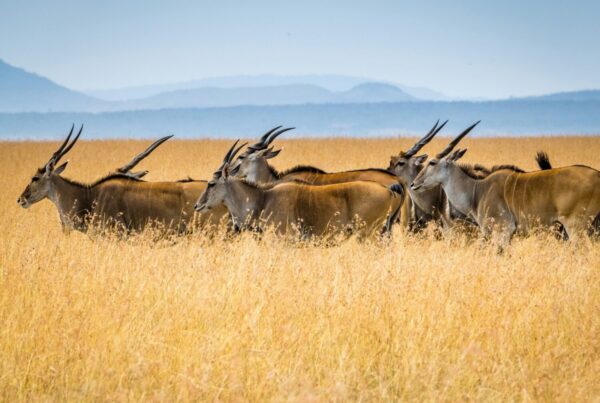
A well-paced Uganda and Ethiopia combined itinerary generally works best across 14 to 18 days total, giving each country enough room to breathe rather than feeling like a rushed stopover. For Uganda, budget a minimum of 7 to 8 days to properly cover gorilla trekking in Bwindi, a visit to Murchison Falls National Park for game drives and a Nile boat cruise, and ideally a stop in Kibale Forest for chimpanzee trekking. This gives travelers the full range of Uganda’s primate and savannah wildlife experience without compressing any single activity into a rushed half-day.
For Ethiopia, the historic northern circuit — Addis Ababa, Lalibela, Gondar, and Axum — is the natural core of the trip and is worth at least 8 to 10 days on its own, though travelers with more time available often add 3 to 5 additional days for trekking in the Simien Mountains, or a further extension into the Omo Valley’s tribal regions or the otherworldly Danakil Depression for travelers with a stronger appetite for adventure travel. Even a more condensed Ethiopia leg focused solely on Lalibela and Addis Ababa provides a genuinely worthwhile introduction to the country’s history and culture if time is limited, and remains a satisfying complement to the Uganda wildlife leg even at a shorter length.
Structuring the trip with Uganda first and Ethiopia second — or the reverse — both work reasonably well logistically, though many travelers find that starting with Uganda’s more physically demanding trekking activities and finishing with Ethiopia’s slower-paced cultural exploration creates a natural wind-down toward the end of the trip, similar to how a safari-plus-city-extension itinerary is often sequenced.
Uganda Highlights to Include
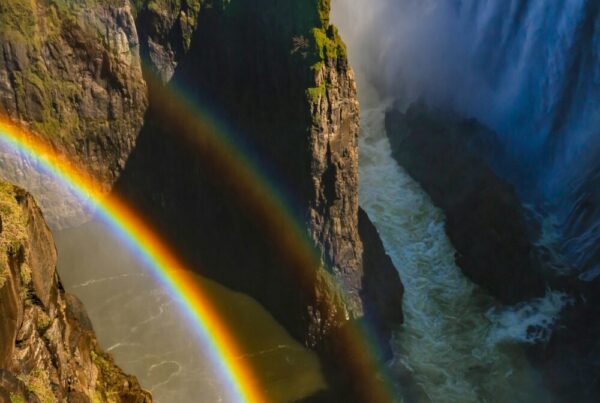
Bwindi Impenetrable Forest is the centerpiece of the Uganda leg, home to over half of the world’s remaining mountain gorillas and the best place on Earth to see them in the wild. A gorilla trekking permit costs USD 800 per person and should be booked well in advance, particularly for peak season travel. Murchison Falls National Park, Uganda’s largest conservation area, offers a completely different kind of experience — savannah game drives spotting lions, elephants, and giraffes, paired with a boat cruise to the base of the Nile’s most dramatic waterfall. Kibale Forest National Park, home to the highest concentration of primates in East Africa, rounds out the wildlife side of the trip with chimpanzee trekking through dense, biodiverse forest.
Ready to lock in gorilla trekking dates for your Uganda leg? Reserve your Bwindi gorilla trekking permit before peak season books out.
Ethiopia Highlights to Include
Lalibela’s rock-hewn churches, carved directly out of solid volcanic rock in the 12th and 13th centuries, form the single most iconic stop on almost any Ethiopia itinerary, with Bete Giyorgis standing as the most photographed of the eleven interconnected churches. Gondar, sometimes called the “Camelot of Africa,” is home to the Fasil Ghebbi royal enclosure, a collection of castles reflecting Ethiopia’s imperial history. Axum, the spiritual and historical heart of the ancient Aksumite civilization, features towering stone obelisks and is closely tied to Ethiopian tradition surrounding the Ark of the Covenant. For travelers with additional time, the Simien Mountains National Park offers world-class highland trekking and close encounters with the endemic gelada monkey, while Addis Ababa itself rewards a day or two of exploration through its markets, museums, and traditional coffee ceremonies — a genuinely meaningful cultural experience given Ethiopia’s status as the birthplace of coffee.
Visa Requirements for Both Countries
Both legs of this trip require advance visa planning, though the process for each is straightforward once you know what’s required. Uganda requires an e-visa for essentially all international travelers, applied for online in advance since Uganda no longer offers visa on arrival for standard tourist entry. The standard single-entry Uganda tourist e-visa costs approximately USD 50 and should be applied for at least two to three weeks before departure.
Ethiopia operates its own e-visa system, available to travelers from nearly all countries, including the US, UK, EU, Canada, and Australia. Tourist e-visas are typically priced around USD 52 for a 30-day validity or USD 72 for 90 days, and processing generally takes one to three business days, though applying at least a week ahead of travel is the safer approach. Entry via e-visa is limited to Bole International Airport in Addis Ababa, so travelers should ensure their flight itinerary routes them through Addis Ababa on arrival rather than a land border. A yellow fever vaccination certificate is required for entry into both countries, and both also expect proof of onward travel and accommodation as part of the visa or immigration process.
Need help coordinating two separate e-visa applications for Uganda and Ethiopia? Reach out to Murchison Falls Park Safari for a complete visa checklist covering both legs of your trip.
A Note on Safety Planning in Ethiopia
Ethiopia’s major tourist circuit — Addis Ababa, Lalibela, Gondar, Axum, and the Simien Mountains — is generally considered safe and welcomes a steady flow of international visitors each year. That said, it’s worth planning with current information rather than assumptions: as of 2026, government travel advisories have flagged specific regions, particularly Tigray and the Afar region, for heightened caution or “do not travel” status due to ongoing unrest in parts of the country, and it’s worth checking your home country’s current travel advisory shortly before departure rather than relying on older information. This is a normal part of planning any Ethiopia trip and shouldn’t be a reason to avoid the country’s main cultural circuit, which sits well outside these flagged areas, but it is worth building into your planning process, particularly if your itinerary is considering more remote regions like the Danakil Depression or Omo Valley, which warrant extra diligence and should only be visited with an experienced, licensed local operator.
Currency, Cash, and Practical Details
The Ethiopian Birr (ETB) is the local currency, and while credit cards are accepted at major hotels and restaurants in Addis Ababa, cash remains essential once you’re outside the capital, particularly in Lalibela, Gondar, and rural areas. US dollars can be exchanged at banks and authorized dealers, and it’s worth noting that Ethiopia enforces a currency export limit for non-residents, so travelers shouldn’t plan to leave the country carrying large amounts of unexchanged cash. Uganda operates similarly — US dollars are widely accepted for tips and larger expenses, while Ugandan Shillings are more practical for everyday purchases, and ATMs are readily available in major towns but become scarce inside national parks.
What to Pack for Both Legs
Packing for this trip means preparing for genuinely different environments within a single itinerary. Uganda calls for neutral-colored safari clothing, sturdy waterproof hiking boots for gorilla and chimpanzee trekking through forest terrain, and a lightweight rain jacket even in the dry season. Ethiopia’s highland regions — Lalibela, Gondar, and especially the Simien Mountains — sit at significant elevation, with Addis Ababa itself at over 2,300 meters, so warmer layers for cool mountain mornings and evenings are worth including alongside comfortable walking shoes for exploring historical sites on foot. Altitude adjustment is worth taking seriously on arrival in Ethiopia’s highlands; taking it easy for the first day and staying well hydrated helps most travelers adjust comfortably before more strenuous activity like Simien Mountains trekking.
Best Time of Year for This Combination
Ethiopia’s dry season, running roughly from October to May, offers the best conditions for its historic circuit and Simien Mountains trekking, with December through February standing out as peak season thanks to excellent weather and major festivals like Timkat in January. This overlaps well with Uganda’s own dry seasons — June through September and December through February — making the December-to-February window a particularly strong choice for travelers wanting excellent conditions across both halves of the trip. Travelers prioritizing gorilla trekking specifically may lean toward the June-through-September window instead, which still falls comfortably within Ethiopia’s broader dry season.
Final Thoughts
A Uganda and Ethiopia combined itinerary offers something genuinely distinct from a standard East Africa safari: a trip built around both extraordinary wildlife and one of the world’s oldest, most historically rich cultures. With a short, convenient Ethiopian Airlines connection between Entebbe and Addis Ababa, straightforward e-visa processes for both countries, and complementary dry seasons, the logistics come together more smoothly than the ambition of the trip might suggest. Give each country the time it deserves — roughly a week for Uganda’s wildlife highlights and a week to ten days for Ethiopia’s historic circuit — and this becomes one of the most rewarding two-country trips available anywhere in Africa.
Ready to start planning your Uganda and Ethiopia combined trip? Contact Murchison Falls Park Safari for a fully tailored itinerary connecting gorilla trekking, Nile wildlife, and Ethiopia’s ancient highlands into one seamless journey.