For European travelers already committing to the long flight to East Africa, a natural question comes up again and again: since I’m already this far from home, is it worth adding on somewhere else? A Uganda safari plus Cape Town extension is one of the most popular answers to that question, and for good reason. It pairs two genuinely different African experiences — Uganda’s gorilla trekking, forest primates, and Nile scenery against Cape Town’s dramatic coastline, Table Mountain, and world-class food and wine scene — into a single trip that makes the long-haul flight from Europe feel far more worthwhile. This guide walks through how to actually build that combination, covering flights between the two countries, visas, timing, and how to structure the itinerary so both halves of the trip get the attention they deserve.
Why Uganda and Cape Town Work So Well Together
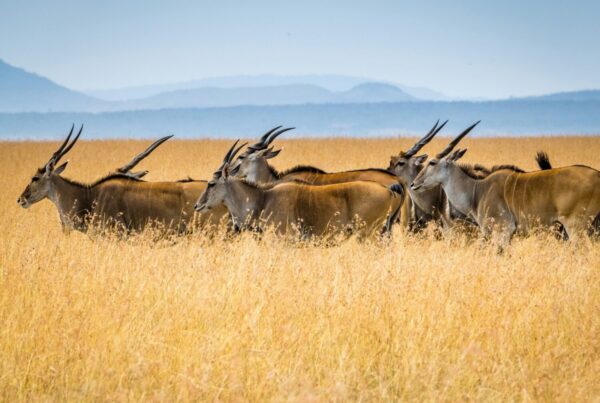
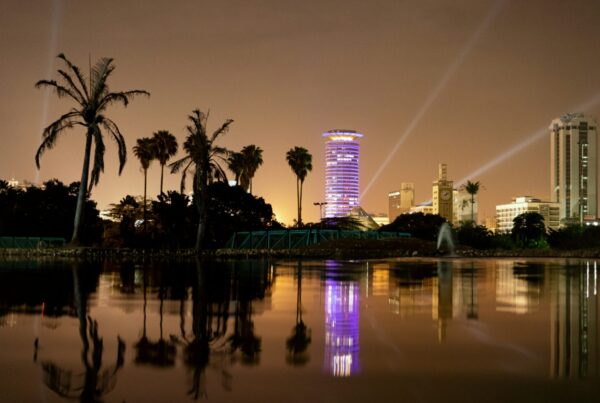
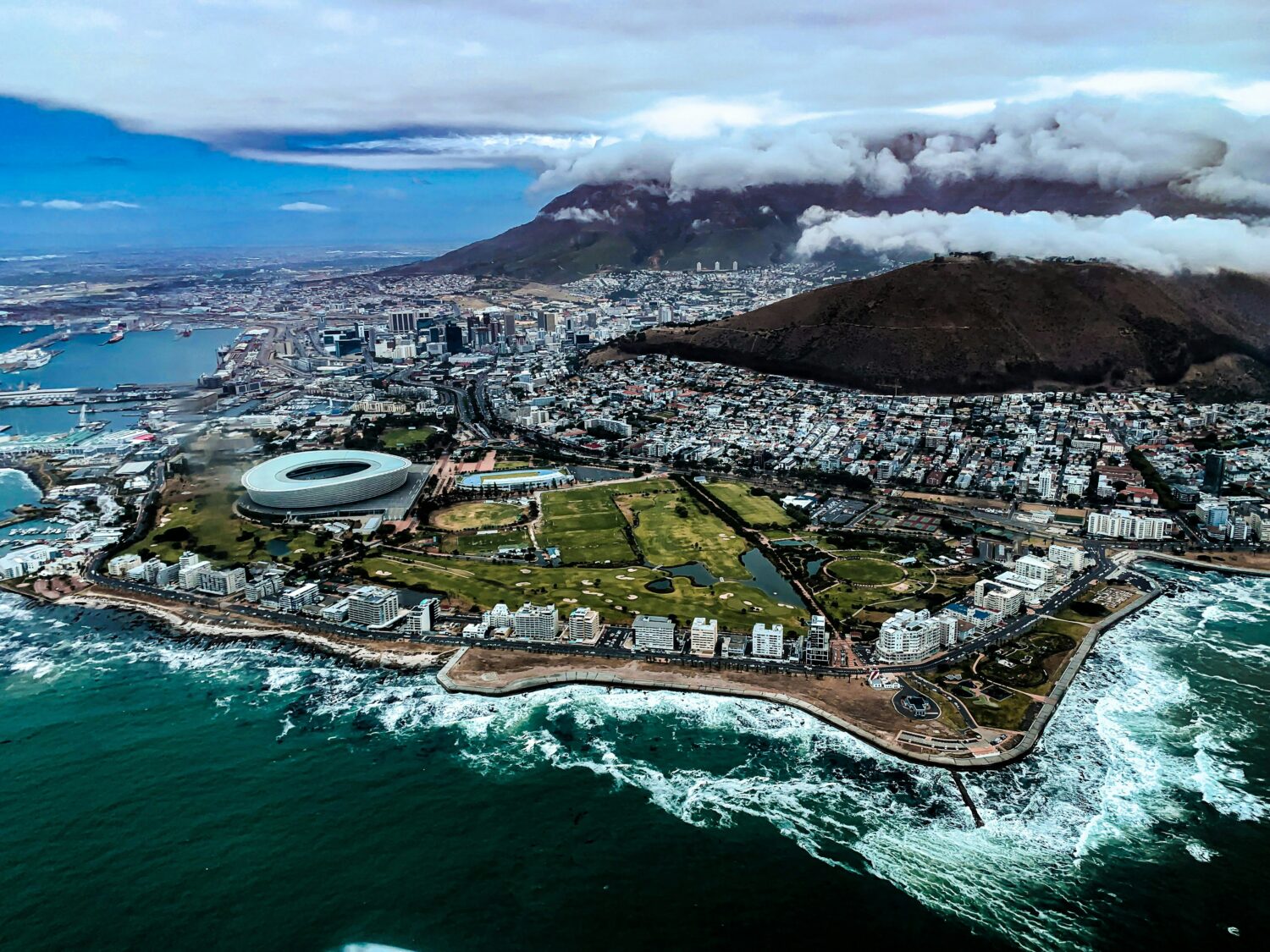
Uganda and Cape Town sit at almost opposite ends of the African continent, both geographically and in terms of the experience they offer, and that contrast is exactly what makes this combination appealing. A Uganda safari built around Bwindi Impenetrable Forest for gorilla trekking, Murchison Falls National Park for classic savannah game viewing and Nile boat cruises, and possibly Kibale Forest for chimpanzee trekking delivers an intense, immersive wildlife experience centered on primates and forest ecosystems found almost nowhere else on Earth. Cape Town, by contrast, offers a completely different register: a cosmopolitan city built around Table Mountain, the Cape Peninsula’s dramatic coastline, the Cape Winelands, and a food and culture scene that rivals any major European or North American city.
For European travelers, this pairing also solves a practical problem. Uganda’s safari circuit is intense and physically active — early mornings, long game drives, demanding treks — and pairing it with a few days in Cape Town gives the trip a natural change of pace toward the end, shifting from adrenaline and early wake-up calls to relaxed city exploration, wine tasting, and coastal scenery. Many travelers find this rhythm makes the overall trip feel more balanced than either destination alone.
Curious whether this combination fits your travel style? Contact Murchison Falls Park Safari and we can help you decide how to split your time between Uganda and Cape Town.
Flights Between Uganda and Cape Town
There’s no direct flight between Entebbe and Cape Town, so this leg of the journey involves a single connection, typically routed through either Johannesburg or Nairobi. The Johannesburg routing, operated by carriers including South African Airways, Uganda Airlines, and various codeshare partners, tends to be the faster option, bringing total travel time to somewhere around 9 to 10 hours including the connection. The Nairobi routing, primarily operated by Kenya Airways, runs slightly longer, generally in the 10 to 11 hour range, but often comes with competitive pricing and frequent daily departures.
Round-trip economy fares on the Entebbe to Cape Town route generally range from roughly USD 400 to 700, with pricing fluctuating based on season, how far ahead you book, and which connecting hub you choose. Ethiopian Airlines, Kenya Airways, and South African Airways are among the most commonly used carriers on this route, and March tends to be one of the cheaper months to fly, falling in a quieter period between Uganda’s peak safari season and Cape Town’s own busy summer months.
Ready to see flight options that fit your Uganda-to-Cape Town timeline? Get in touch with our team and we’ll help coordinate this leg alongside your international flights from Europe.
Structuring the Itinerary: How Much Time for Each Leg
A well-balanced Uganda safari plus Cape Town extension generally works best across 12 to 16 days total, though shorter and longer versions are both entirely workable depending on how much time you have available. For the Uganda portion, a minimum of 6 to 7 days is worth budgeting to properly cover gorilla trekking in Bwindi alongside at least one other park — Murchison Falls or Queen Elizabeth National Park are the most common pairings — without feeling rushed between destinations. For the Cape Town extension, 4 to 5 days gives enough time to explore the city itself, take the cable car up Table Mountain, drive out to the Cape of Good Hope, and spend at least a day or two in the Cape Winelands around Stellenbosch and Franschhoek, without needing to compress the experience into a whirlwind.
Travelers with more time available sometimes extend the Cape Town portion further to include a side trip along the Garden Route or a few days on safari in South Africa itself, though this starts to turn the trip into a genuinely three-part journey rather than a two-part extension, and is worth planning as its own dedicated itinerary segment if that’s the direction you want to take it.
Visa Requirements for the Combined Trip
This is one of the more pleasant surprises in planning a Uganda and Cape Town trip: the visa requirements for the two countries are quite different, and South Africa is generally the easier of the two for most European nationalities. Citizens of Germany, France, Italy, Spain, the Netherlands, Belgium, Sweden, Ireland, and most other EU countries, along with UK citizens, can enter South Africa visa-free for tourism stays of up to 90 days, with no advance application required — just a valid passport with at least one blank page and, in practice, at least six months of remaining validity.
Uganda, by contrast, requires every European traveler to apply for an e-visa in advance, since Uganda no longer offers visa on arrival for standard tourist travel. The standard single-entry Uganda tourist e-visa costs approximately USD 50 and should be applied for at least two to three weeks before departure. A yellow fever vaccination certificate is also mandatory for entry into Uganda, and travelers should confirm this requirement is met at least ten days before arrival. South Africa does not require a yellow fever certificate for travelers arriving directly from Europe, though it’s worth double-checking this requirement specifically if your itinerary routes through a yellow fever risk country along the way, since arriving in South Africa via certain African transit points can trigger the requirement even if it wouldn’t otherwise apply.
Need help sequencing your Uganda e-visa application around your Cape Town extension? Reach out to Murchison Falls Park Safari for a complete visa checklist covering both legs of your trip.
Best Time of Year for This Combination
Timing a combined trip means weighing Uganda’s safari seasons against Cape Town’s own weather patterns, and the good news is that the two destinations’ best travel windows overlap reasonably well. Uganda’s peak dry seasons — June through September and December through February — offer the best gorilla trekking conditions and the strongest overall wildlife viewing. Cape Town, meanwhile, has its own dry, warm summer running roughly from November through March, with the shoulder months of September through November and March through May offering pleasant weather with fewer crowds.
The June through September window is a particularly strong overlap for this combination: it lines up with Uganda’s excellent dry-season safari conditions while still falling within a perfectly pleasant, if cooler, stretch of Cape Town’s calendar — Cape Town’s winter (June through August) brings more rain and cooler temperatures, but also thinner crowds, better hotel availability, and some of the best conditions for whale watching along the coast if your itinerary allows time for it. Travelers who prioritize warm, sunny Cape Town weather above all else may prefer to time their trip for the December through February window instead, which also falls within Uganda’s second dry season.
What to Pack for Both Legs
Packing for this trip means preparing for two genuinely different climates and activity types within the same suitcase. Uganda calls for neutral-colored safari clothing, waterproof hiking boots for gorilla and chimpanzee trekking through Bwindi’s forest terrain, and a lightweight rain jacket even during the dry season. Cape Town, by contrast, calls for a mix of comfortable city-walking shoes, a warmer layer if traveling during the Southern Hemisphere winter months, and something a little smarter for the city’s better restaurants and wine estates. A soft-sided duffel bag rather than a rigid suitcase is worth prioritizing for the Uganda portion specifically, since domestic flights within Uganda — for example, transfers to Murchison Falls or an airstrip near Bwindi — often enforce strict weight limits that hard-shell luggage doesn’t handle well.
Connecting the Two Legs Smoothly
Because this itinerary involves an international flight from Europe to Uganda, an internal connection within Uganda between parks, and then a further connection from Entebbe to Cape Town, it’s worth building deliberate buffer time into the schedule rather than stacking flights back-to-back. A common and reliable structure is to fly from Europe into Entebbe, spend the Uganda portion of the trip working through the parks and gorilla trekking, return to Entebbe with at least a half-day buffer before the Cape Town flight, and then fly on to Cape Town via Johannesburg or Nairobi. Ending the trip in Cape Town rather than starting there also tends to work better logistically for European travelers, since it allows the more physically demanding safari portion to happen first, followed by Cape Town’s more relaxed pace as a genuine wind-down before the long flight home.
Ready to map out the full sequence of flights and destinations for your trip? Explore our Uganda safari packages and let us build a complete itinerary that connects seamlessly into your Cape Town extension.
Budgeting for the Combined Trip
Costs for a combined Uganda safari plus Cape Town extension vary considerably based on lodge category and trip length, but travelers should budget for international flights from Europe, the Uganda internal transport and domestic flights, the Entebbe-to-Cape Town connection, Uganda park fees and a gorilla trekking permit (currently USD 800 per person), Cape Town accommodation and activities, and a rental car or private transfers for exploring the Cape Peninsula and Winelands. Because South Africa’s tourism infrastructure is generally less expensive than many parts of Europe, the Cape Town leg often ends up being more affordable per day than travelers initially expect, particularly for accommodation and dining, which helps offset the cost of Uganda’s higher-priced gorilla permits and park fees.
Final Thoughts
A Uganda safari plus Cape Town extension gives European travelers two genuinely distinct African experiences within a single, well-sequenced trip: the intensity and wonder of gorilla trekking and savannah wildlife in Uganda, followed by the relaxed sophistication of Cape Town’s mountains, coastline, and wine country. With no direct flight between the two, a single connection through Johannesburg or Nairobi keeps the journey manageable, and the visa situation — a mandatory e-visa for Uganda paired with visa-free entry to South Africa for most Europeans — is more straightforward than many travelers expect once it’s laid out clearly. Get the timing, flights, and visa sequencing right, and this combination becomes one of the most rewarding two-part African trips available for European travelers.
Ready to start planning your Uganda safari and Cape Town extension? Contact Murchison Falls Park Safari for a fully tailored itinerary connecting both destinations, built around your travel dates and budget.