
Kosher Food Options for Uganda Safari Travelers
Uganda is not the first country that comes to mind when Jewish travelers think about kosher food Uganda safari planning, but it should be. Between gorilla trekking in the misty forests of the southwest and boat cruises beneath the thundering Murchison Falls, Uganda has quietly become a destination that welcomes observant Jewish visitors, kosher-conscious families, and anyone curious about one of Africa’s most remarkable Jewish communities. The question most travelers ask before booking, though, is a practical one: can you actually keep kosher on a Uganda safari? The honest answer is yes, with preparation, flexibility, and the right safari partner. This guide walks through everything a kosher traveler needs to know, from the realities of dining in Kampala to the logistics of eating well in the bush.
Understanding the Kosher Landscape in Uganda
Unlike Nairobi or Cape Town, Uganda does not have an established kosher restaurant scene. There is no certified kosher butcher on every corner, and you will not find a kosher supermarket aisle in Kampala the way you might in London or New York. That said, kosher travel Uganda is far more workable than most people assume, largely because of two factors: the country’s strong culture of hospitality catering to dietary requests, and the presence of the Abayudaya, Uganda’s own Jewish community, who have kept kosher for over a century.
Kampala’s upscale hotels, including internationally branded properties, are accustomed to hosting diplomats, NGO staff, and religious travelers from around the world. Several of the capital’s leading hotels explicitly note that their kitchens can give special consideration to kosher, vegetarian, and other dietary requirements when notified in advance. This is the single most important rule for kosher travelers heading into Uganda: notify your safari operator and accommodation well before arrival, not on the day you check in. Kitchens that don’t stock kosher-certified products can still avoid mixing meat and dairy, prepare fish and vegetable dishes separately, and use fresh, unprocessed ingredients that align with kashrut, but only if they know what you need ahead of time.
The Abayudaya: Uganda’s Own Jewish Community
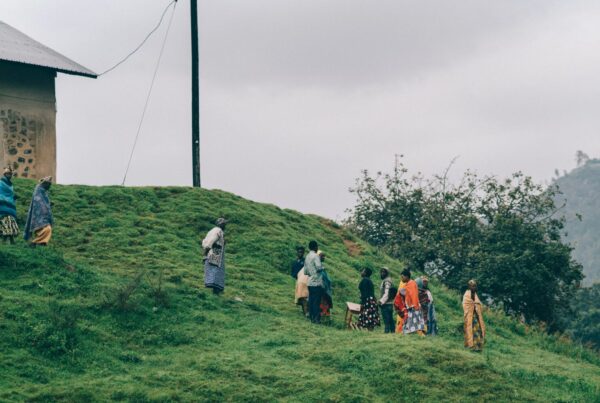
No conversation about kosher safari Uganda planning is complete without mentioning the Abayudaya, “the people of Judah” in Luganda. This community, based primarily around Nabugoye Hill near Mbale in eastern Uganda, traces its roots to the early twentieth century, when military leader Semei Kakungulu turned away from a career of conquest to build a congregation grounded in the Hebrew Bible. He insisted his followers observe circumcision, the Sabbath, and strict kosher dietary laws, practices the community has maintained for more than a hundred years, including through the brutal persecution many faced under Idi Amin.
Today the Abayudaya number in the thousands, worship at the Moses Synagogue on Nabugoye Hill, and are recognized internationally by the Reform and Conservative Jewish movements, with a 2016 Orthodox conversion of the Putti sub-community led by Rabbi Shlomo Riskin deepening those ties further. Their spiritual leader, Rabbi Gershom Sizomu, became the first native-born African rabbi ordained at a rabbinical seminary and later made history as Uganda’s first Jewish member of parliament. The Abayudaya maintain the separation of meat and dairy, observe Shabbat with prepared meals on Friday evenings, and have found creative ways to keep kosher using regional Ugandan ingredients, blending centuries-old Jewish law with local farming traditions.
For travelers interested in Jewish heritage tour Uganda experiences, a visit to the Abayudaya community is one of the most meaningful additions you can make to a Uganda itinerary. It is not simply a sightseeing stop; it is an opportunity to share a Shabbat meal, hear Hebrew prayers sung with Ugandan melodies and instruments, and understand how Jewish identity has flourished in an unexpected corner of East Africa. Because Mbale sits within reach of eastern safari routes, this stop pairs naturally with a broader northern or eastern Uganda circuit. If a cultural and spiritual detour like this interests you, our team can build it directly into your safari route, whether you are heading toward Murchison Falls, Kidepo Valley, or Mount Elgon.
Kosher Dining in Kampala and Entebbe
Most kosher-conscious travelers will pass through Kampala or Entebbe at the start and end of their trip, since Entebbe International Airport is the country’s main gateway. This is where dining options are strongest. Several five-star hotels in Kampala operate multiple restaurant kitchens and have experience accommodating kosher, vegetarian, Jain, and Indian dietary requests alongside general international menus, particularly when guests notify the hotel ahead of arrival. Independent research guides that track Jewish travel infrastructure across Africa also confirm that Kampala has a small but active Jewish community, two Orthodox synagogues, and a handful of “Jewish Observant Friendly,” or JOFY, lodging options that offer amenities like Shabbat-friendly room access, though it’s worth noting that JOFY status does not automatically mean the property serves certified kosher food on-site.
Realistically, most kosher travelers in Kampala combine three strategies: dining at hotels that can prepare kosher-style meals on request, self-catering with kosher or naturally kosher packaged goods brought from home, and building meals around Uganda’s abundant fresh produce. This brings us to one of the most useful facts for kosher food Uganda safari planning: a huge portion of the Ugandan diet is naturally kosher-friendly, or close to it, before any special preparation happens at all.
Naturally Kosher Ugandan Staples
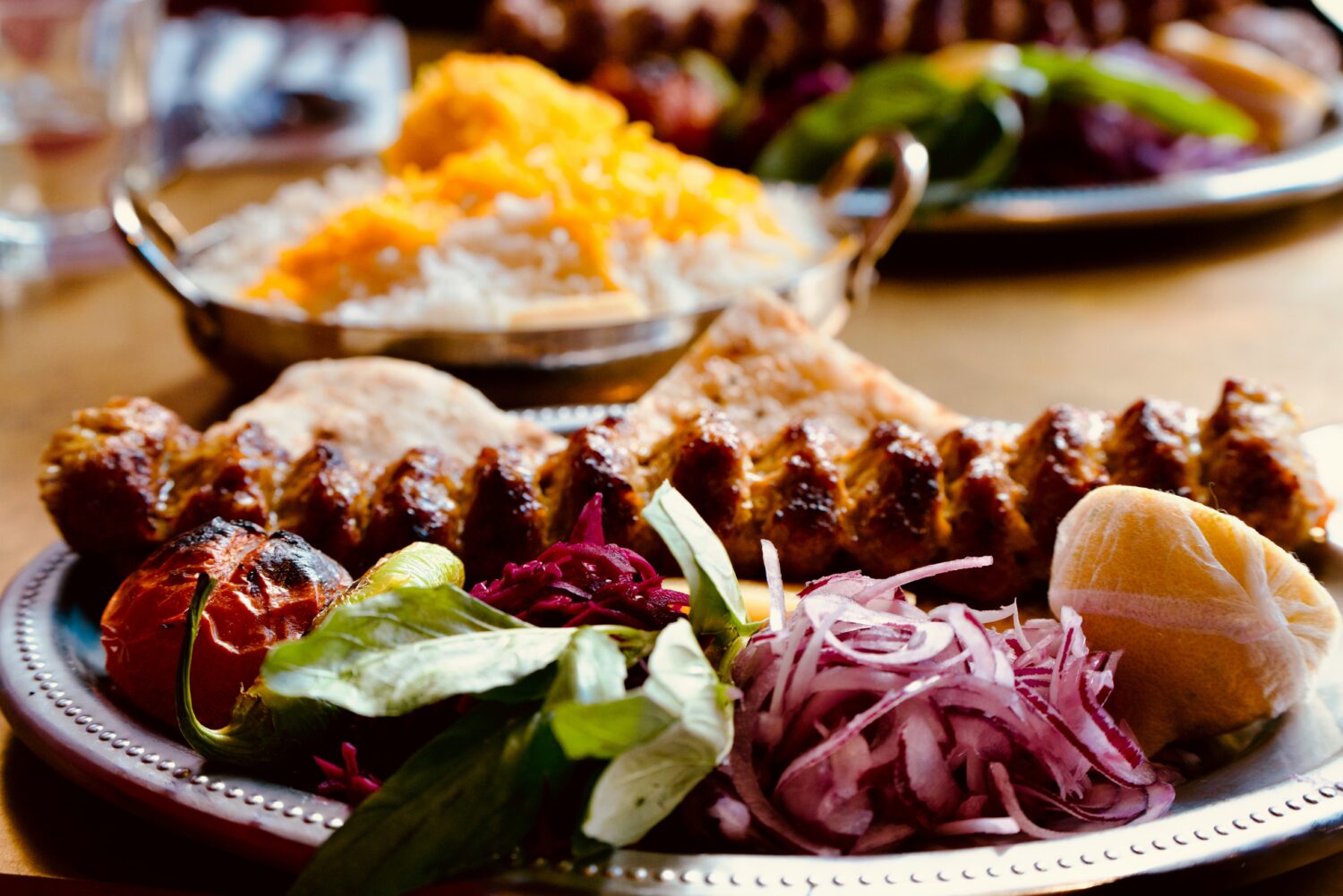
Uganda’s cuisine leans heavily on plant-based staples and freshwater fish, both of which work in your favor. Matooke, the steamed green banana that anchors most Ugandan meals, is naturally kosher, as are posho (maize meal), sweet potatoes, cassava, beans, groundnut sauce, rice, and the extraordinary variety of tropical fruit available almost everywhere you travel, from pineapple and passion fruit to jackfruit and mango. Lake Victoria and the Nile produce tilapia, a fish with fins and scales that satisfies the biblical requirements for kosher fish, making it one of the easiest proteins to request throughout your trip, provided it is prepared without shellfish, pork products, or dairy cross-contact.
Where things get more complicated is meat. Beef, goat, and chicken are widely eaten in Uganda, but without a shochet or certified kosher slaughter available locally, meat prepared in restaurants or lodges cannot be considered halachically kosher no matter how it’s cooked. Travelers who keep strictly kosher typically choose to avoid restaurant meat entirely while in Uganda, sticking instead to fish, eggs (checked individually, as is standard kosher practice), dairy, and the wide range of vegetarian dishes, or they bring shelf-stable kosher meat products with them. This is a completely normal approach for observant travelers visiting countries without kosher slaughter infrastructure, and Ugandan lodges are generally very accommodating of vegetarian and pescatarian requests once informed.
Bringing Kosher Supplies Into Uganda
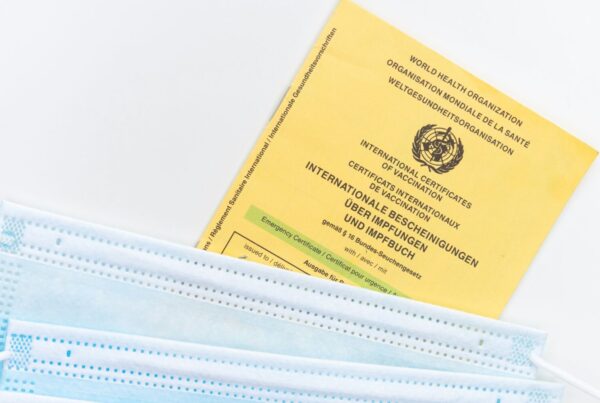
Many kosher travelers choose to pack a supply of certified kosher staples: canned tuna or salmon, dried fruit and nuts, kosher crackers, protein bars, instant soups, and shelf-stable dairy or meat products for the days spent furthest from Kampala. This is standard practice for kosher travel to remote destinations worldwide and works well in Uganda specifically because safari lodges are used to guests bringing supplementary food for medical, religious, or preference-based dietary needs. Declare food items honestly at customs, keep packaging intact and labeled, and avoid bringing fresh meat or dairy products, which are restricted under Uganda’s agricultural import rules regardless of dietary practice. Vacuum-sealed, shelf-stable, and clearly labeled kosher products generally clear customs without issue.
It is worth packing a manageable supply for the safari days themselves, since lodges inside national parks like Murchison Falls, Queen Elizabeth, or Bwindi are far from any supermarket and operate on pre-planned menus for all guests. A short conversation with your safari operator before departure, ideally two to three weeks ahead, allows the lodge kitchens to plan around your needs: preparing fish and vegetarian courses separately, avoiding cross-contact where possible, and setting aside space in the kitchen for you to store or prepare your own supplementary food if needed.
Keeping Kosher While on Safari
Life inside Murchison Falls National Park, Uganda’s largest protected area and home to the thundering falls where the Nile forces itself through a seven-meter gorge, moves at a different pace than city dining. Game drives start early, boat cruises to the base of the falls run midday, and meals are typically served buffet-style or as set menus back at the lodge. The good news is that safari lodges throughout Uganda, including those around Murchison Falls, regularly host international guests with dietary restrictions ranging from vegan to gluten-free to religious dietary law, and most kitchens are willing to designate a clean pot, keep a dish separate, or serve fruit, vegetables, rice, and fish without dairy or meat cross-contact when asked respectfully and early.
Travelers who keep strictly kosher, including separate dishes and cookware, should be transparent with their operator about exactly what that requires, since expectations vary widely between someone who avoids pork and shellfish and someone who requires full separation of meat and dairy utensils. The clearer your communication upfront, the smoother your safari will run. This is precisely the kind of detail our team builds into every kosher safari Uganda itinerary from the first planning call, coordinating directly with lodges along your route so there are no surprises once you’re deep in the bush.
Building a Kosher-Friendly Murchison Falls Itinerary
A well-planned kosher trip to Uganda typically begins in Entebbe or Kampala, where dietary needs are easiest to manage and where travelers can stock up on shelf-stable supplies before heading upcountry. From there, a classic route north to Murchison Falls National Park offers game drives across the savannah, a Nile boat cruise to the base of the falls, and the chance to spot lions, elephants, giraffes, and over 450 bird species, all while your lodge kitchen prepares fish, vegetarian, and fruit-forward meals suited to your dietary needs. Travelers with extra time often extend the trip east to Mbale to visit the Abayudaya community, transforming a wildlife safari into a genuine Jewish heritage tour Uganda experience that blends conservation, culture, and connection in a single trip.
For those combining Uganda with a broader East African journey, similar planning applies whether you continue on to gorilla trekking in Bwindi, chimpanzee tracking in Kibale, or a cross-border extension into Rwanda or Kenya. Every leg of the journey benefits from the same rule: notify accommodations early, lean into naturally kosher Ugandan staples, and travel with a safari operator who treats dietary requirements as a planning priority rather than an afterthought.
Plan Your Kosher-Conscious Uganda Safari With Us
Keeping kosher on safari takes preparation, but it should never mean missing out on Uganda’s wildlife, waterfalls, and warmth. Our team at Murchison Falls Park Safari has arranged trips for travelers with a full spectrum of dietary and religious needs, and we work directly with lodges to accommodate kosher, vegetarian, and pescatarian requests throughout your itinerary. If you’re ready to start planning a kosher-friendly Murchison Falls safari, or want to build in a visit to the Abayudaya Jewish community, reach out to our travel consultants today for a custom itinerary designed around your dietary requirements.
Ready to see Uganda without compromising on how you eat? Contact us to start building your kosher-conscious safari itinerary, or browse our Murchison Falls safari packages to see sample routes you can customize with kosher and dietary accommodations from day one.