

Cultural Sensitivity Tips for Asian Travelers Visiting Uganda
Every year, more travelers from China, India, Japan, Singapore, and across Southeast Asia are discovering that Uganda offers something few destinations can match: mountain gorillas, the source of the Nile, and some of the friendliest people on the continent, all within a single trip. But arriving prepared with strong cultural sensitivity tips Uganda travelers can actually use makes the difference between a good safari and a truly memorable one. Ugandan culture places enormous weight on respect, patience, and warmth in everyday interactions, and for Asian travelers Uganda visits often go more smoothly when a few local customs are understood before departure rather than learned on the fly. This guide walks through the etiquette that matters most, from how you greet a stranger in Kampala to how you behave inside a gorilla family’s forest.
Why Greetings Matter More Than You Might Expect
In much of Uganda, a conversation that skips the greeting is considered abrupt, even rude, regardless of how urgent your question is. Before asking a shopkeeper for directions, before beginning a business meeting, before your safari guide even starts the day’s briefing, there is an expectation of warmth first. The most common opening is a simple “how are you,” which in Luganda, the language of the Buganda region around Kampala, is “Oli otya?” Travelers who take thirty seconds to learn this phrase, along with “gyebale ko” (well done, often used as an appreciative greeting), tend to notice an immediate shift in warmth from locals.
Handshakes are the standard greeting across the country, typically firmer and held a beat longer than the quick handshakes common in much of East Asia. In rural areas, some Ugandans, particularly younger people greeting elders, will kneel slightly or bow the head as a sign of respect. For travelers from Japan or parts of China where bowing carries deep cultural weight, this will feel familiar in spirit, even if the specific gesture differs. Respectful address matters too: elders and people in positions of authority are often greeted with titles such as “Ssebo” for a respected man or “Nnyabo” for a respected woman, and being addressed this way should be returned with a similar respectful phrase rather than brushed off.
Dress Code and Modesty
Uganda is a socially conservative country, and Uganda dress code expectations extend well beyond religious buildings into everyday public life, particularly outside Kampala’s more cosmopolitan pockets. Women are generally advised to wear skirts, dresses, or trousers that fall below the knee and to keep shoulders covered, while men are expected to wear proper shirts and avoid going shirtless in towns and villages. Game drives and lodge grounds are more relaxed, and quick-dry safari wear, shorts included, is entirely acceptable once you’re inside the national park. It’s the transition zones, markets, village visits, churches, and mosques, where modest dress becomes important again.
This is a detail worth flagging specifically for travelers used to different norms: swimwear that would be unremarkable at a resort pool in Bali or Phuket should stay at the pool in Uganda and not carry over into town visits. Removing your shoes before entering a mosque, covering your head if invited to do so at a religious site, and dressing modestly for any community or cultural visit are small adjustments that go a long way toward being welcomed rather than merely tolerated.
Photography and Consent
Uganda’s landscapes, markets, and people are extraordinarily photogenic, and it’s tempting to treat every scene as a photo opportunity. Respectful travel Uganda etiquette calls for a different approach: always ask permission before photographing an individual, especially in rural areas, and expect that some people will decline, particularly elders or those in traditional or religious dress. Ugandans generally enjoy having their photo taken once asked, and showing the result on your screen afterward is often met with laughter and delight, but skipping the ask can come across as extractive rather than appreciative. This applies doubly during community visits, where cameras can unintentionally turn a cultural exchange into a spectacle if not handled with care.
Inside national parks, additional rules apply. During gorilla trekking in Bwindi Impenetrable National Park or chimpanzee tracking in Kibale Forest, flash photography is strictly prohibited, as sudden bright light can startle or distress the animals. Guides will brief you on the specific etiquette before each trek, including keeping a respectful distance, speaking quietly, and never eating or drinking near the primates, but knowing this in advance helps travelers arrive mentally prepared rather than caught off guard mid-trek.
Eating, Sharing, and the Right Hand
Communal dining is central to Ugandan hospitality, and being offered food or drink by a local host, even a small portion, is a gesture of good manners that is best accepted graciously rather than declined outright. In many traditional settings, food is eaten with the hands rather than cutlery, and the right hand specifically is used for eating and for giving or receiving items, a custom that will feel intuitive to travelers from India and other parts of South Asia where the same practice is common. Sharing dishes rather than ordering separate plates is also typical in family-style Ugandan meals, so don’t be surprised if a shared platter arrives at the center of the table during a village visit or homestay experience.
Alcohol is woven into much of Ugandan social life, with Nile Special beer and Uganda Waragi, a local gin, both widely enjoyed, alongside excellent Ugandan coffee and Stoney ginger beer for those who prefer non-alcoholic options. Travelers who don’t drink for religious or personal reasons will find this respected without pressure; a polite decline is all that’s needed.
Elders, Hierarchy, and Business Etiquette
Respect for elders runs deep in Ugandan society, and travelers from cultures with strong hierarchical traditions, including much of East and South Asia, will find this instinct familiar. Standing when an elder enters a room, lowering your tone and listening more than speaking when addressed by someone older, and using respectful titles are all small behaviors that signal cultural awareness. This extends into business and guiding relationships too: safari guides, drivers, and lodge staff generally appreciate travelers who greet them personally each morning rather than treating them as invisible service staff, a habit that builds warmth over the course of a multi-day safari.
Gift-giving norms differ somewhat from what many Asian travelers are used to. There is no strong expectation of formal gift exchange in typical tourism interactions, though small tokens for guides, drivers, or community hosts, particularly items from your home country, are almost always well received as a gesture of goodwill rather than an obligation. Business cards are used in Uganda but with far less ceremony than in Japan or China; a simple handoff is fine, and there’s no expectation of a two-handed presentation or formal study of the card before pocketing it.
Tipping Norms on Safari
Tipping is not legally mandatory in Uganda but is a well-established part of Uganda safari etiquette, and understanding the informal scale in advance avoids awkwardness at the end of a trip. Restaurant tipping generally runs around five to ten percent of the bill. For safari guides, drivers, and any cook or porter accompanying a trek, a daily tip in the range of five to twenty US dollars per person is a widely used benchmark, though this can vary by group size, service quality, and trip length, and it’s worth confirming current expectations with your operator before departure. Because currency conversion and small-denomination cash aren’t always straightforward to plan around from abroad, many travelers ask their safari company for guidance on how much local currency or US dollars to set aside specifically for tipping before the trip begins.
Markets, Bargaining, and Everyday Interactions
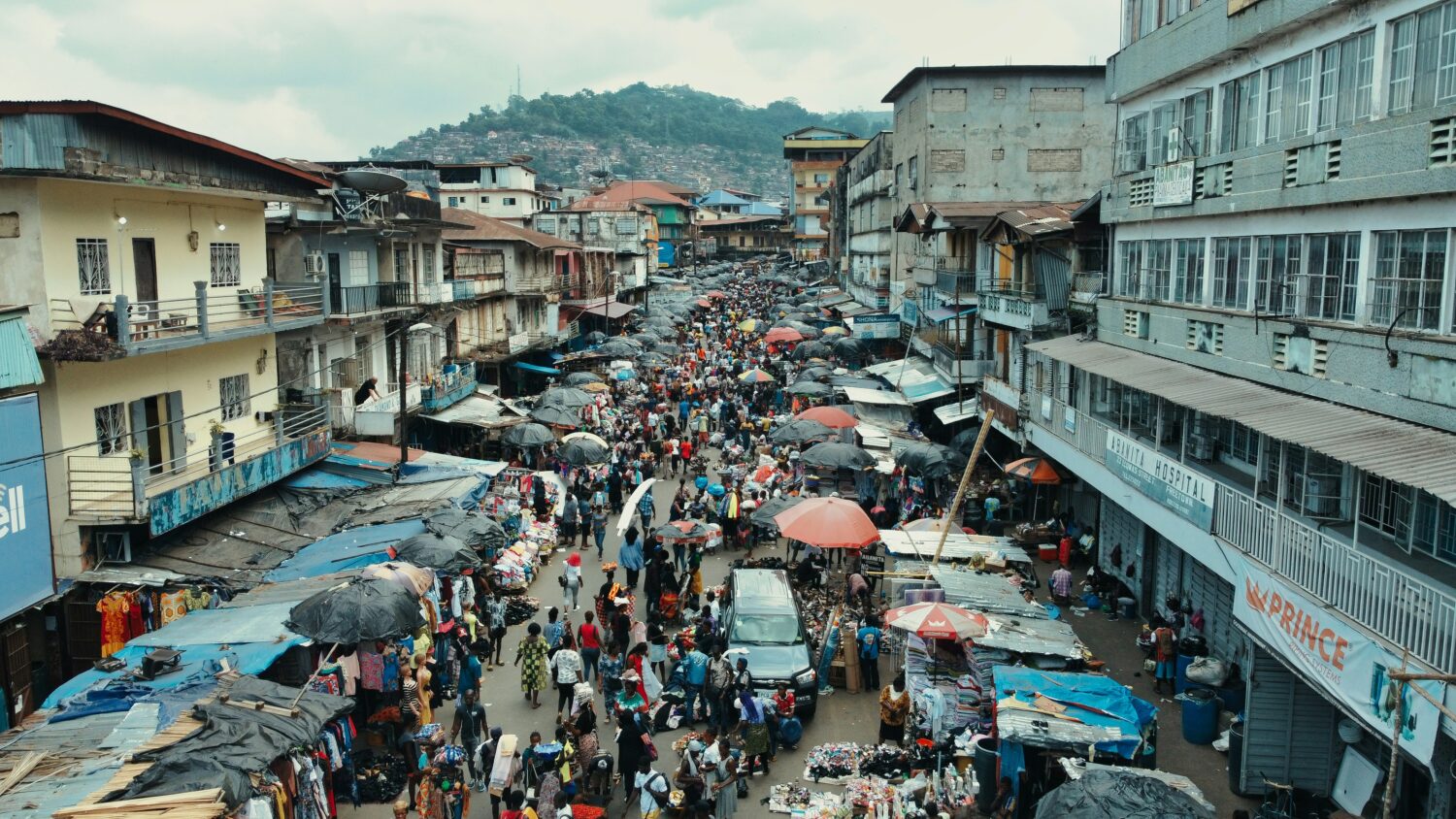
Ugandan markets are lively, colorful, and largely built around negotiation. Bargaining is expected rather than frowned upon, but it should be done with a smile and a light touch rather than aggressive haggling. For travelers from countries where fixed pricing is the norm, this can take some adjustment, and a good rule of thumb is to bargain respectfully, accept that a fair price benefits both sides, and avoid pushing so hard that the interaction turns tense. Pointing directly at people is considered impolite in many Ugandan settings, so gesturing with an open hand rather than a single finger is a small habit worth adopting.
Religious and Social Awareness
Christianity and Islam are the dominant religions in Uganda, and both shape daily life visibly, from full churches and mosques on weekends to public prayer and gospel music in everyday settings. Travelers should be mindful near active places of worship, keeping noise levels down and dressing modestly if visiting during or around service times. Traditional ceremonies such as weddings or community events like the Kwanjula, a traditional Baganda introduction ceremony, welcome respectful visitors but generally expect guests to observe quietly unless specifically invited to participate.
It’s also worth noting, purely as a matter of practical travel awareness, that Uganda is a socially conservative country with conservative public norms around displays of affection and LGBTQ+ issues specifically, and discretion in public settings is advisable for all travelers regardless of background. This is the kind of detail we’re always happy to discuss directly and confidentially with any guest planning a trip, since every traveler’s comfort and safety matters to us.
Bringing It All Together on Your Safari
None of this is about memorizing a rulebook before you land at Entebbe. Ugandans are famously warm and forgiving of small missteps from visitors who are clearly making an effort, and the overwhelming response most travelers report, whether arriving from Beijing, Mumbai, Tokyo, or Singapore, is how quickly a respectful greeting or a modestly dressed village visit turns into a genuine connection. Ugandan customs and traditions reward patience and presence far more than perfection, and a little preparation goes a long way toward turning a wildlife trip into a cultural one as well.
If you’re planning a safari from anywhere in Asia and want an itinerary that pairs Uganda’s wildlife with authentic, respectful cultural experiences, from a village homestay near Murchison Falls to a guided community visit in western Uganda, our team can build it around your comfort level and interests. We regularly host travelers from China, India, Japan, and Singapore and are happy to share specific, practical guidance for your home market before you even book your flights.
Ready to Experience Uganda the Right Way?
Contact our travel consultants today to start planning a Uganda safari that respects local culture every step of the way, or explore our Murchison Falls safari packages to see how wildlife, waterfalls, and community experiences come together in one unforgettable itinerary.