Essential Mandarin Phrases for a Uganda Safari
Chinese travelers exploring Uganda for the first time often arrive expecting significant language challenges, only to discover a pleasant reality: English, one of Uganda’s two official languages, is spoken fluently throughout the country’s tourism industry, from safari guides to lodge managers to immigration officials at Entebbe International Airport. Still, for Mandarin-speaking travelers who want to connect more meaningfully with the people and culture behind their safari experience, learning a small selection of local phrases adds a genuinely rewarding layer to the trip. This Mandarin phrases Uganda safari guide walks through Uganda’s language landscape, the most useful Luganda and Swahili expressions for Chinese travelers to learn, and why this small effort tends to be so warmly received throughout a Uganda journey.
Understanding How Language Works in Uganda
Before learning specific phrases, it helps to understand Uganda’s actual language landscape, since this shapes exactly which words are most useful for a Mandarin-speaking traveler. English and Swahili are Uganda’s two official languages, with English functioning as the primary language of government, education, business, and, critically for travelers, the entire tourism sector. Safari guides, lodge staff, and hospitality workers across Murchison Falls National Park, Queen Elizabeth National Park, and Bwindi Impenetrable Forest are almost universally fluent in English, meaning Chinese travelers will rarely encounter genuine communication difficulty during the practical logistics of a trip, whether confirming lodge bookings, ordering meals, or coordinating game drive schedules.
Luganda, spoken primarily by the Baganda people in and around Kampala and the central region, is Uganda’s most widely spoken local language despite not holding official status. Swahili, while officially recognized, tends to be spoken more within security forces and border regions than in everyday civilian conversation outside of Kampala. For a Mandarin-speaking traveler wanting to learn a handful of words to use with guides, drivers, and community members along a safari route, a combination of Luganda phrases and a few widely recognized Swahili greetings offers the most genuinely useful and appreciated vocabulary for the trip.
Why a Few Local Phrases Make a Real Difference
Even though fluency in English removes any strict necessity to learn local language for a Uganda trip, Chinese travelers who take the time to greet their guide in Luganda or thank their lodge staff using a local phrase consistently find it changes the tone of their interactions in a genuinely positive way. Ugandans widely and warmly welcome this kind of effort from international visitors, even when pronunciation is imperfect, and it often opens the door to friendlier, more personal exchanges throughout a multi-day safari. This mirrors something familiar to many Chinese travelers already: within Chinese culture, the effort to speak even a few words of a host country’s language is understood as a meaningful gesture of respect, a value that translates naturally and effectively into the Uganda travel context.
Essential Luganda Greetings for Chinese Travelers
The single most useful Luganda phrase for any visitor is the basic greeting Oli otya, meaning roughly “how are you,” and functioning as the standard way to greet someone in Buganda, the central region surrounding Kampala. This carries a similar social function to the Mandarin greeting “Ni hao ma,” offering a warm, direct opening to nearly any interaction with a local guide, driver, or lodge staff member. The typical response, Gyendi, meaning “I am fine,” parallels the Mandarin “Wo hen hao” and completes this simple, consistently well-received exchange.
A simple “thank you” in Luganda, Webale, pronounced roughly “weh-BAH-leh,” corresponds to the Mandarin “Xie xie” and is arguably the single most valuable word any Chinese traveler can learn before departure, since expressing gratitude comes up constantly throughout a safari, thanking a guide after a successful gorilla trek, thanking lodge staff after a satisfying meal, or thanking a driver following a long day of game viewing. For a more emphatic thank you, roughly comparable to “Fei chang gan xie,” travelers can say Webale nyo.
“Good morning” in Luganda is Wasuze otya, used specifically as a morning greeting and functionally equivalent to the Mandarin “Zao shang hao,” a particularly useful phrase given how many safari activities begin with early departures for game drives or gorilla trekking. “Welcome,” Karibu, is technically borrowed from Swahili but used widely across Uganda regardless of region, corresponding to the Mandarin “Huan ying,” and is a word Chinese travelers will hear frequently from lodge staff greeting arriving guests throughout their trip.
Widely Understood Swahili Phrases
While Swahili is spoken less frequently in daily Ugandan life than Luganda, certain Swahili words have become widely recognized across the country due to the language’s broader presence throughout East Africa as a whole. Jambo, a friendly and universally recognized greeting comparable to the Mandarin “Ni hao,” is understood almost everywhere within Uganda’s tourism sector, even in regions where Luganda otherwise dominates daily conversation. Asante, meaning “thank you” in Swahili and functionally identical in use to Webale in Luganda, is another word Chinese travelers will likely encounter and can use interchangeably, since most Ugandans working in tourism understand both terms equally well.
Hakuna matata, the well-known Swahili phrase meaning “no worries,” has achieved something close to international recognition across East African tourism generally, and many Chinese travelers may already be familiar with the phrase through global popular culture. It remains a genuinely useful and warmly received expression to use casually throughout a Uganda trip, roughly comparable to the Mandarin “Mei wenti.”
Wildlife Vocabulary for the Safari Experience
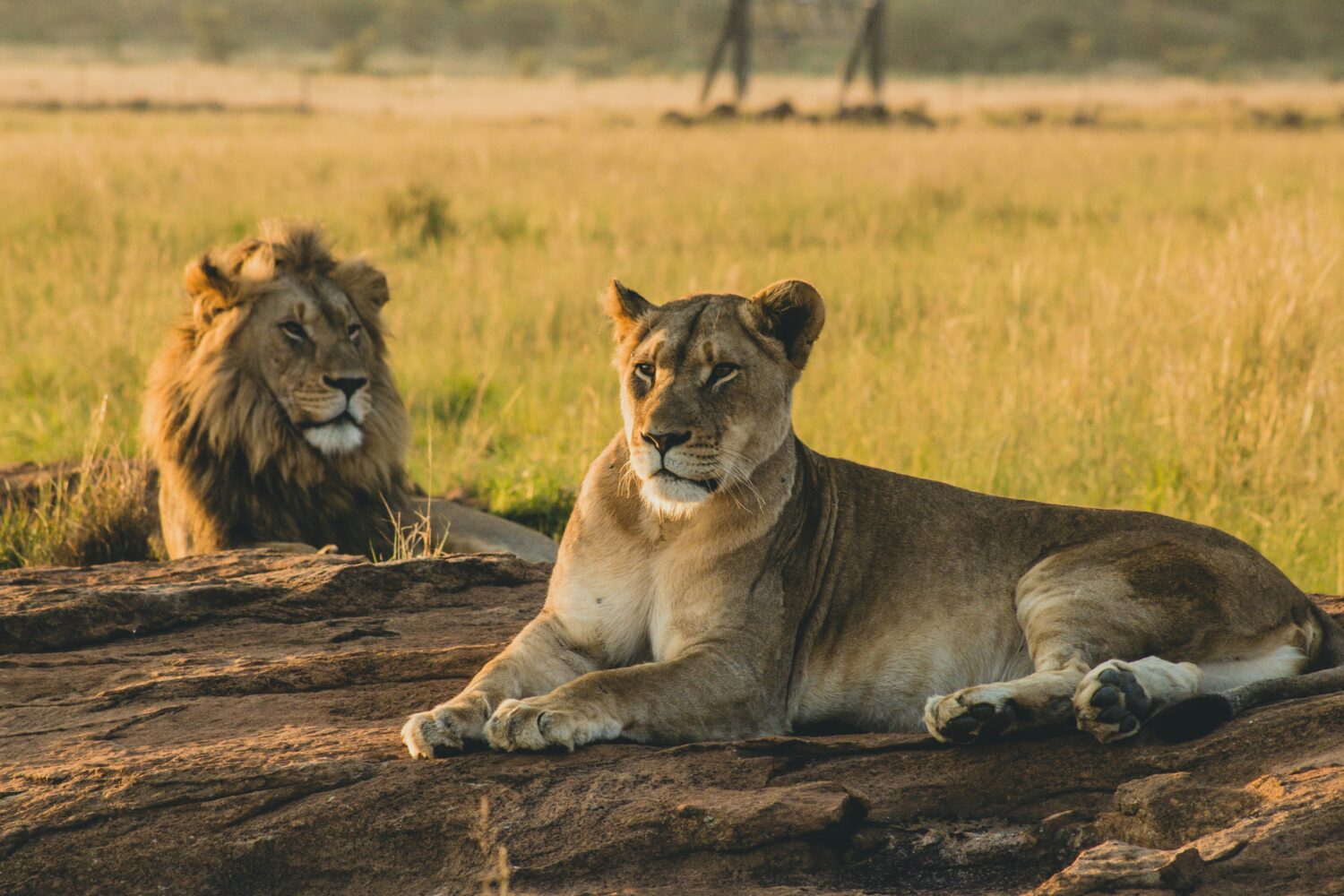
Beyond greetings, a small set of practical words adds genuine value during the safari experience itself. Simba, the Swahili word for lion, is widely recognized across Uganda’s tourism industry even in areas where Luganda predominates, offering Chinese travelers a useful word to ask their guide about directly during a game drive, comparable to the Mandarin “Shizi.” Tembo, meaning elephant, and Twiga, meaning giraffe, round out a small but rewarding set of wildlife vocabulary that guides frequently reference during game drives, and that many travelers enjoy picking up as part of a fuller engagement with the safari experience beyond simply photographing what they see.
For gorilla trekking specifically, the Luganda word for gorilla, Enkima, though less commonly used in practice than the English term even among Ugandan guides, offers an interesting piece of vocabulary for travelers with a particular curiosity about language, though guides throughout Bwindi Impenetrable Forest will overwhelmingly use the English word “gorilla” during actual treks, given the broadly international nature of the visitor groups they lead.
Counting and Basic Communication in Luganda
Learning to count from one to five in Luganda gives Chinese travelers a small, enjoyable way to engage more directly with local culture during their trip. Emu means one, bbiri means two, ssatu means three, nnya means four, and ttaano means five. These numbers serve little strictly practical purpose given how thoroughly English functions throughout Uganda’s tourism infrastructure, but Chinese travelers who make the effort to use them, whether counting animals spotted during a game drive or engaging playfully with a guide, often find the gesture sparks warm, extended conversation and genuine goodwill from the Ugandans they meet along the way.
Where Mandarin Itself Fits Into a Uganda Trip
It is worth setting realistic expectations for Chinese travelers regarding Mandarin usage in Uganda. Given that English fluency is standard among Uganda’s safari guides and lodge staff, Mandarin itself is rarely spoken or required during the practical logistics of a trip. Chinese travelers should not expect to rely on their native language at any point during their safari and should approach the trip with English functioning as the primary working language throughout, treating the Luganda and Swahili phrases outlined here as a warm cultural supplement rather than a practical necessity.
That said, as Chinese tourism to Uganda continues to grow, particularly around the country’s flagship gorilla trekking experience and increasingly popular wedding and pre-wedding photography tourism, a growing number of established safari operators have begun training guides with at least a working familiarity with basic Mandarin phrases. Chinese travelers who place particular value on having a guide with some Mandarin ability should ask about this directly when booking their trip, since availability varies depending on the specific operator and itinerary.
Weaving Language Learning Into Trip Preparation
Chinese travelers preparing for a Uganda safari can incorporate a modest amount of language preparation into their overall pre-departure routine without significant time investment. Learning the handful of Luganda and Swahili phrases outlined in this guide, ideally practiced enough to use naturally and without hesitation during the trip itself, tends to deliver a genuinely outsized return relative to the small effort required. Many travelers find it useful to save a short list of key phrases directly on their phone, referring back to it during quieter moments at the lodge or during longer transfers between parks.
Approaching these phrases with genuine curiosity, rather than treating them as a rigid checklist, tends to produce the most rewarding interactions. Asking a guide to teach an additional word or phrase during a long game drive, or asking lodge staff how to properly pronounce a particular greeting, often becomes one of the small, memorable moments travelers carry home from Uganda, alongside photographs of gorillas, elephants, and lions.
A Small Gesture With a Lasting Impact
Ultimately, Chinese travelers do not need to learn Luganda or Swahili to enjoy a smooth, well-communicated Uganda safari, given how thoroughly English serves the country’s tourism industry from arrival at Entebbe through every stage of the journey. But the handful of phrases outlined here, a warm Oli otya to open a conversation, a heartfelt Webale to close it, offer Mandarin-speaking travelers a genuine and consistently appreciated way to connect more personally with the guides, drivers, and communities who make a Uganda safari the extraordinary experience it becomes.
Chinese travelers planning a Uganda wildlife safari are encouraged to explore tailored itineraries at murchisonfallsparksafari.com, covering Murchison Falls National Park, Queen Elizabeth National Park, and gorilla trekking permits in Bwindi, with English-speaking guides throughout and a warm welcome awaiting every visitor. For details on trekking logistics and permit requirements, the site’s gorilla trekking page offers further information, and the team is available through the contact page to help build a complete itinerary for your Uganda adventure.