

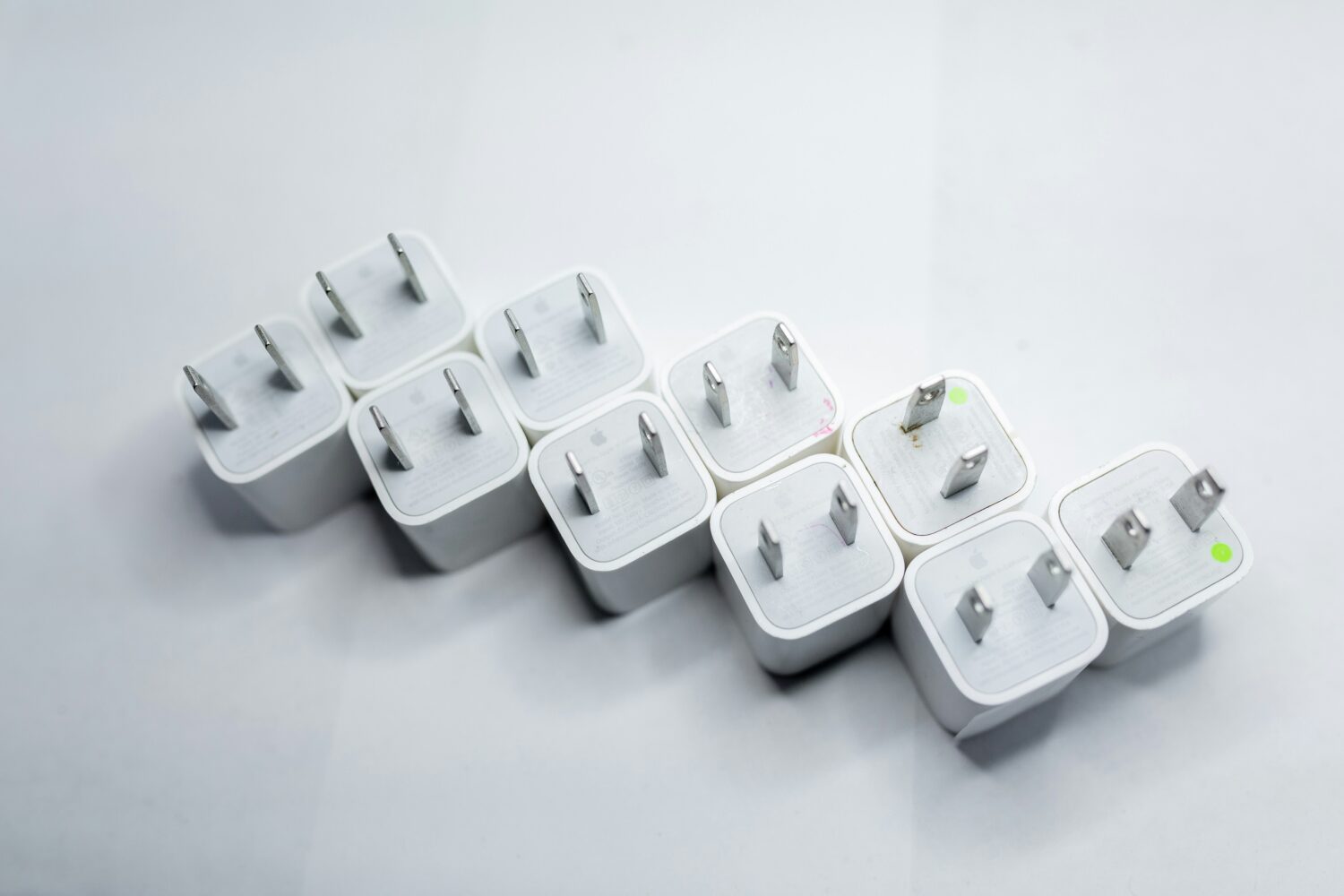
Power Adapter Guide for European Travelers Visiting Uganda
Few packing details cause as much last-minute scrambling as the humble power adapter, and for European travelers heading to Uganda, getting this right before departure makes a real difference to how smoothly the first few days of a safari unfold. Whether it’s charging camera batteries after a day photographing elephants at Murchison Falls or keeping a phone powered through a long transfer between parks, understanding power adapters for Uganda safari travel before you pack is one of those small preparation details that pays off constantly throughout the trip. This guide walks through exactly what European travelers need to know about Uganda’s electrical system, plug types, and how to keep every device charged and ready from Entebbe to Bwindi.
Uganda’s Plug Type and What It Means for European Travelers
Uganda uses Type G power plugs and sockets, the same three-pin, rectangular-prong plug standard used throughout the United Kingdom, Ireland, and much of the Middle East. This is a direct legacy of Uganda’s history as a former British protectorate, and the country adopted the British electrical standard alongside many other former UK colonies. For European travelers, this detail matters enormously depending on which specific country they are departing from, since plug standards vary considerably across the continent.
Travelers from the United Kingdom and Ireland will find Uganda’s Type G sockets identical to what they use at home, meaning no adapter is required at all for these travelers, a rare and welcome convenience. Travelers from virtually every other European country, however, will need a plug adapter, since continental Europe overwhelmingly uses Type C, E, or F plugs, the familiar two round-pin plugs found across Germany, France, Italy, Spain, the Netherlands, Belgium, and most of the rest of the continent. These round-pin plugs will not fit into Uganda’s rectangular three-pin Type G sockets without an adapter, making this one of the most universally relevant packing items for European travelers regardless of which specific country they call home.
Understanding Uganda’s Voltage and Frequency
Beyond plug shape, European travelers should also understand Uganda’s electrical voltage and frequency, since this determines whether devices can simply be plugged in safely or whether additional equipment is needed. Uganda’s electrical system runs on 240 volts at a frequency of 50 Hz. This is genuinely good news for European travelers specifically, since most of Europe operates on a similar voltage range, generally between 220 and 240 volts, also at a 50 Hz frequency. This close alignment means that, unlike travelers from the United States or other regions running on 110 to 120 volt systems, European travelers generally do not need a voltage converter for their Uganda trip, only a plug adapter to physically connect their device to Uganda’s three-pin sockets.
This distinction matters considerably for the type of equipment European travelers need to pack. A voltage converter is a bulkier, heavier device designed to step voltage up or down between incompatible electrical systems, while a simple plug adapter merely changes the physical shape of the plug to match the destination country’s sockets without altering the electrical current itself. Because European and Ugandan voltage are so closely matched, most European travelers only need to pack the latter, a small, lightweight, and inexpensive item that takes up minimal space in a suitcase or carry-on bag.
Checking Device Compatibility Before You Travel
While voltage compatibility between Europe and Uganda is generally favorable, European travelers should still take a moment before departure to check the voltage rating printed on each device’s charger or adapter block, since this confirms with certainty whether a plug adapter alone is sufficient. Most modern electronics, including smartphones, laptops, tablets, camera battery chargers, and USB charging blocks, are manufactured as dual-voltage or multi-voltage devices, typically printed with an input range such as “100-240V, 50/60Hz” directly on the device or its charging brick. Any device displaying this wide voltage range can be used safely in Uganda with nothing more than a simple plug adapter, regardless of which specific European country the traveler departs from.
Devices without this wide voltage range, most commonly certain hair dryers, straighteners, or other high-wattage grooming appliances manufactured specifically for a single voltage standard, deserve closer attention. European travelers packing single-voltage appliances rated only for their home country’s specific voltage should check carefully whether that rating falls within Uganda’s 240-volt supply, and if there is any doubt, it is generally simpler and safer to purchase a dual-voltage travel version of the appliance before departure rather than risk damaging a device or, in rarer cases, creating a safety hazard by plugging in equipment outside its rated voltage range.
Choosing the Right Adapter for Your Uganda Trip
European travelers have several practical options when it comes to selecting an adapter for their Uganda trip, and the right choice depends on how many devices need charging simultaneously and how much luggage space a traveler wants to dedicate to electronics. A simple, single Type G plug adapter, inexpensive and widely available online or at most airport travel shops, allows a traveler to plug one European device into a Ugandan socket at a time, a perfectly adequate solution for travelers packing light or willing to charge devices one at a time throughout the day.
Travelers carrying multiple devices, cameras, phones, laptops, and portable battery packs among them, often find more value in a universal travel adapter with multiple USB ports and sometimes an additional standard outlet built in, allowing several devices to charge simultaneously from a single Ugandan socket. Given how central photography tends to be to a Uganda safari experience, from capturing gorillas in Bwindi to elephants along the Nile at Murchison Falls, travelers carrying dedicated camera equipment alongside phones and other electronics often find a multi-port adapter well worth the modest additional cost and slightly larger size compared to a basic single adapter.
Power Access at Safari Lodges and Remote Camps
European travelers should understand that power infrastructure varies meaningfully across Uganda’s safari circuit, and this is worth factoring into planning alongside the adapter question itself. Lodges in and around Kampala, Entebbe, and larger towns typically offer reliable, consistent electricity around the clock, drawing from Uganda’s national grid. More remote camps, particularly smaller tented properties deep within Murchison Falls National Park, Queen Elizabeth National Park, or the areas surrounding Bwindi Impenetrable Forest, sometimes rely on generator power or solar systems that may only run during specific hours, commonly in the early morning and evening, rather than providing continuous twenty-four-hour electricity.
This distinction matters for European travelers planning to charge camera batteries, phones, and other devices throughout a multi-day safari. Confirming power availability and charging hours with a safari operator or directly with each lodge on an itinerary, ideally at the time of booking rather than upon arrival, allows travelers to plan their charging routine around each property’s specific setup rather than being caught off guard by limited generator hours at a remote camp.
Portable Power Banks as a Practical Backup
Given the variability of power access across Uganda’s more remote lodges, many experienced safari travelers, European visitors included, choose to pack a portable power bank as a reliable backup source of charging power. A power bank charged fully before departure or during periods when lodge generators are running provides a dependable buffer for phones, cameras, and other smaller devices during stretches when direct access to a wall outlet is limited, particularly useful during long game drive days away from the lodge entirely. Travelers heavily reliant on camera equipment for photography throughout their Uganda trip may find a higher-capacity power bank specifically worth the investment, given how quickly dedicated camera batteries and phones used for navigation and photography throughout the day can drain during a full day in the field.
Packing Practical Tips for European Travelers
European travelers preparing their electronics for a Uganda trip should pack their plug adapter, and any voltage converter if genuinely needed for a specific single-voltage appliance, in carry-on luggage rather than checked baggage, ensuring immediate access upon arrival at Entebbe International Airport rather than waiting for checked bags or risking the inconvenience of misplaced luggage. Packing at least one spare adapter, particularly for travelers bringing multiple valuable electronics like professional camera equipment, offers useful insurance against a lost or malfunctioning adapter partway through the trip, especially given that finding a specific replacement adapter in more remote parts of Uganda can prove considerably more difficult than in Kampala or Entebbe.
Labeling charging cables and adapters clearly, particularly for travelers carrying multiple similar-looking devices, helps avoid the minor daily frustration of sorting through tangled cables at each new lodge throughout a multi-stop itinerary. Travelers should also consider bringing a small surge protector or power strip with built-in surge protection for particularly valuable electronics, since power fluctuations can occasionally occur with generator-powered systems at more remote camps, offering an additional layer of protection for expensive camera equipment or laptops.
Bringing It All Together for a Smooth Trip
Getting power adapter preparation right before departure is a small but genuinely important part of Uganda trip planning for European travelers, removing one more variable from a journey that already involves careful coordination around flights, visas, vaccinations, and safari logistics. Understanding that Uganda uses Type G plugs at 240 volts and 50 Hz, confirming device compatibility before packing, choosing an adapter suited to how many devices need charging simultaneously, and planning realistically around power access at more remote lodges together ensure that European travelers arrive fully prepared to keep every device charged throughout their journey, from the first game drive at Murchison Falls to the final gorilla trekking permit stamp in Bwindi.
European travelers planning a Uganda wildlife safari are encouraged to build power adapter preparation into their overall trip packing list. Visit murchisonfallsparksafari.com to explore tailored itineraries covering Murchison Falls National Park, Queen Elizabeth National Park, and gorilla trekking permits in Bwindi, with practical guidance available on every detail of trip planning. For details on trekking logistics and permit requirements, the site’s gorilla trekking page offers further information, and the team is available through the contact page to help build a complete, well-prepared itinerary from departure through return.