
Cultural Sensitivity Tips for European Travelers Visiting Uganda
A Uganda safari offers far more than gorillas, lions, and the thundering waters of Murchison Falls. It offers genuine contact with people, communities, and traditions shaped by a rich and varied cultural history, and how a traveler approaches that contact shapes the quality of the entire trip. For European travelers accustomed to different social norms, expectations, and everyday etiquette, understanding cultural sensitivity in Uganda before departure transforms a wildlife trip into a genuinely respectful and rewarding cross-cultural experience. This guide walks through the practical cultural knowledge European travelers need, from greetings and dress to photography etiquette and everyday social customs, to travel through Uganda with genuine respect and warmth.
Understanding Uganda’s Cultural Diversity
Before diving into specific customs, it helps to understand that Uganda is not a single, uniform culture but a country of tremendous ethnic and cultural diversity, home to more than forty indigenous languages and dozens of distinct ethnic communities. The Baganda people, concentrated in and around Kampala and the central region, represent Uganda’s largest ethnic group and have historically held significant cultural and political influence through the Buganda Kingdom, one of Africa’s oldest and most structured traditional monarchies, still active today alongside the national government. Beyond Buganda, Uganda is home to the Banyankole, Basoga, Bakiga, Iteso, Langi, Acholi, and dozens of other communities, each carrying distinct customs, languages, and traditions.
This diversity means that cultural norms can vary meaningfully depending on which region of Uganda a traveler visits, and European travelers should approach the country with the understanding that a custom observed in Kampala may look somewhat different in a rural community near Murchison Falls or in the areas surrounding Bwindi Impenetrable Forest. That said, several broad principles of respectful conduct apply consistently across the country and form a solid foundation for any European traveler’s approach to cultural sensitivity throughout their trip.
Greetings and Everyday Social Etiquette
Greetings hold considerable social weight throughout Uganda, and taking time to properly greet someone before moving directly into a request or transaction is considered an important marker of respect. European travelers accustomed to more direct, efficiency-focused social interactions should adjust their expectations accordingly, a warm greeting exchanged before asking a guide a question, before making a purchase at a market, or before beginning a conversation with lodge staff, is genuinely appreciated and helps establish the kind of respectful rapport that Ugandans generally value in social interaction.
Handshakes are the standard greeting across most of Uganda, typically offered with the right hand, and a firm but not overly forceful grip is generally appropriate. In many communities, particularly in more traditional or rural settings, it is considered respectful to support the right forearm with the left hand while shaking hands, a small gesture that signals genuine warmth and respect. European travelers should also be aware that direct eye contact, while generally comfortable and expected in much of Europe, can occasionally be perceived differently depending on the specific social context and community, particularly in more traditional or rural interactions, and taking cues from local guides on this front is a sensible approach.
Titles and honorifics matter in Ugandan social interaction, and addressing older individuals, community leaders, or people in positions of authority with appropriate respect, whether through formal titles or simply a more deferential tone, is generally well received. Safari guides, many of whom are deeply knowledgeable about both wildlife and local culture, are an excellent resource for European travelers wanting to understand these nuances more specifically as they move through different regions of the country.
Appropriate Dress and Modesty
Uganda is a religiously and culturally conservative country in many respects, and European travelers, particularly those arriving from parts of Western Europe with more relaxed norms around dress, should pack and dress with this in mind, especially outside of safari lodges and national parks themselves. Modest clothing that covers the shoulders and knees is generally appropriate for visits to towns, markets, religious sites, and cultural centers, and this applies to both women and men, though expectations around modesty tend to fall somewhat more heavily on women’s clothing choices in many social contexts across the country.
Within national parks and safari lodges specifically, dress norms relax considerably, and practical safari attire, khaki and neutral-toned clothing suited to game drives and forest walks, is entirely appropriate and expected. The distinction matters most when traveling through towns, visiting local markets, or spending time in Kampala, where more conservative dress signals respect for local norms and generally results in warmer, more comfortable interactions with the people a traveler encounters. Travelers visiting religious sites such as mosques or churches, including significant locations like the Namugongo Martyrs Shrine, should dress particularly modestly, a standard expectation at religious sites in most parts of the world that applies equally in Uganda.
Photography Etiquette with Local People
Photography is central to almost every Uganda safari, and European travelers understandably want to capture not only wildlife but also the people, markets, and communities they encounter along the way. This is precisely where cultural sensitivity matters most directly, and the guiding principle is simple: always ask permission before photographing an individual person, whether at a local market, a village, or during a cultural visit arranged as part of a safari itinerary. Photographing someone without asking, particularly in a close-up or candid manner, can feel intrusive or disrespectful regardless of a traveler’s good intentions, and this applies with particular importance when photographing children, where explicit consent from a parent or guardian should always be sought first.
Many Ugandans are genuinely happy to be photographed once asked respectfully, and a simple gesture, pointing to a camera and offering a questioning expression, or a few words of greeting followed by a polite request, generally communicates the intent clearly even across a language barrier, though English is widely understood throughout Uganda’s tourism regions in any case. Offering to share the photograph, or simply expressing genuine appreciation and thanks after taking it, reinforces the respectful spirit of the interaction. Travelers should also be aware that some communities or cultural sites may have specific customs or restrictions around photography, and safari guides can offer helpful guidance on this front for any particular location on an itinerary.
Visiting Local Communities and Cultural Sites
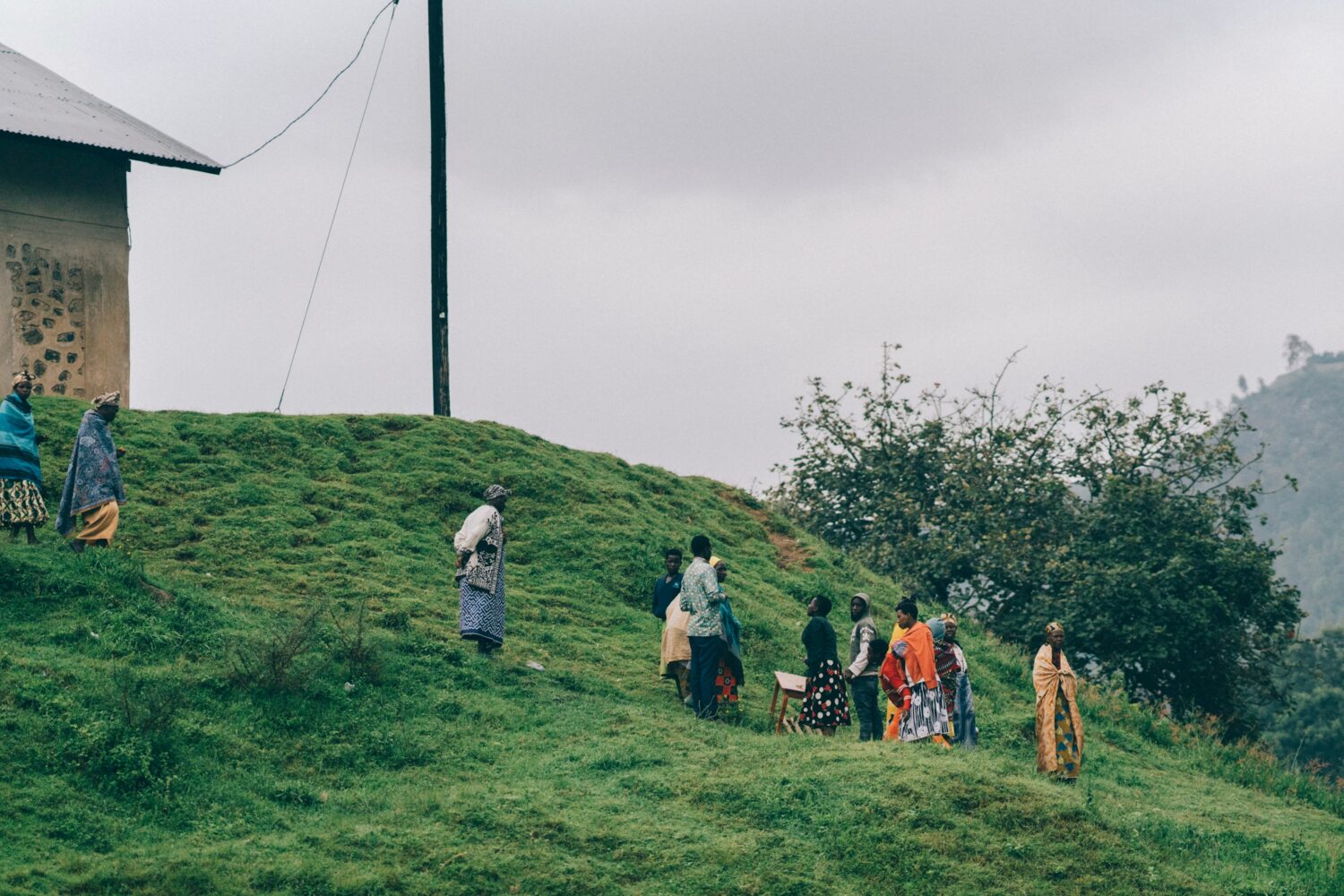
Many Uganda safari itineraries include visits to local communities, whether a village walk near Bwindi Impenetrable Forest, a cultural performance, or a visit to a local market in Kampala or a smaller town along the safari route. European travelers should approach these visits with genuine curiosity and respect rather than treating them as a passive spectacle, engaging in conversation where possible, asking thoughtful questions about local life and traditions, and showing genuine interest in the answers offered.
Bargaining is a normal and expected part of shopping at local markets throughout Uganda, and European travelers should approach this practice with good humor rather than discomfort, since it forms a genuine part of everyday commercial culture rather than something imposed specifically on tourists. That said, aggressive or overly forceful bargaining, or haggling excessively over what amounts to a very small sum of money by European standards, can come across poorly and is worth avoiding in favor of friendly, good-natured negotiation that respects the value of the goods and the livelihood of the vendor.
Religious and Spiritual Sensitivity
Uganda is an overwhelmingly religious country, with the majority of the population identifying as Christian and a significant Muslim minority, alongside various traditional and indigenous spiritual practices that continue to hold meaning for many Ugandans, sometimes alongside more formal religious affiliation. European travelers, particularly those coming from more secular societies with lower rates of religious observance, should approach conversations about faith and spirituality with genuine openness and respect rather than skepticism or dismissiveness, since religion tends to occupy a more central and visible place in everyday Ugandan life and conversation than many European travelers may be accustomed to.
Sunday mornings across much of Uganda see significant church attendance, and travelers should expect certain businesses, particularly in smaller towns, to operate on a more limited schedule during this time. Travelers visiting significant religious heritage sites, such as the Namugongo Martyrs Shrine near Kampala, should approach these locations with appropriate reverence, understanding the deep historical and spiritual significance these sites hold for many Ugandans and international pilgrims alike.
Wildlife and Conservation Attitudes
European travelers should understand that Uganda’s approach to wildlife conservation carries genuine cultural and economic significance beyond its appeal to international tourists. Revenue from national park fees, including gorilla trekking permits, contributes directly to conservation efforts and to local community development in regions surrounding Uganda’s national parks, and many Ugandans living near parks like Bwindi Impenetrable Forest or Murchison Falls National Park have a direct stake in the success of the country’s conservation programs. Approaching conservation conversations with genuine curiosity about how local communities engage with and benefit from wildlife tourism, rather than assuming a purely external, tourist-centered perspective, tends to produce more meaningful and respectful exchanges with guides and community members.
Respecting park rules and guide instructions during game drives and gorilla trekking is not merely a matter of personal safety but reflects a broader respect for Uganda’s conservation efforts and the livelihoods connected to them. This includes maintaining appropriate distance from wildlife, following flash photography restrictions during gorilla encounters, and generally deferring to the expertise of local guides who understand both the animals and the cultural and ecological context surrounding them far better than any visitor could in a short visit.
Tipping Customs and Economic Respect
Tipping is customary throughout Uganda’s tourism industry, and European travelers, particularly those from countries where tipping culture is more modest or largely absent, should familiarize themselves with expected norms before their trip rather than navigating this uncertainty on the ground. Safari guides, drivers, porters during gorilla trekking, and lodge staff generally rely on tips as a meaningful component of their income, and thoughtful, appropriate tipping reflects genuine respect for the work and expertise these individuals bring to a traveler’s experience. Discussing appropriate tipping amounts with a safari operator before departure removes uncertainty and ensures European travelers can budget accordingly and tip with confidence throughout their trip.
Language and Communication Sensitivity
While English is one of Uganda’s official languages and spoken fluently throughout the tourism industry, European travelers should avoid assuming that fluency in English reflects a lack of connection to local language and culture. Many Ugandans move fluidly between English, Luganda, Swahili, and other local languages depending on context, and taking genuine interest in this multilingualism, asking a guide what language they speak at home, or learning a few basic greetings in Luganda, tends to be warmly received and signals authentic curiosity about Ugandan culture beyond the wildlife that initially draws most travelers to the country.
European travelers should also be mindful of pace and directness in conversation, since more indirect or relationship-focused communication styles common in parts of Uganda can differ from the more direct communication norms common across much of Northern and Western Europe. Patience, warmth, and a willingness to let conversations unfold naturally rather than rushing toward a specific point tend to produce more genuinely positive interactions throughout a Uganda trip.
Bringing Cultural Awareness Into Every Part of the Trip
Cultural sensitivity is not a separate item to check off a packing list but a mindset that shapes how a European traveler experiences every part of a Uganda safari, from the first greeting at Entebbe International Airport to the final farewell with a trusted guide after weeks of gorilla trekking, game drives, and cultural encounters. Approaching Uganda with genuine curiosity, humility, and respect for the country’s rich diversity transforms a wildlife-focused trip into something considerably deeper, a journey shaped as much by meaningful human connection as by extraordinary encounters with lions, elephants, and mountain gorillas.
European travelers planning a Uganda wildlife safari are encouraged to approach their trip with openness and cultural curiosity from the very beginning. Visit murchisonfallsparksafari.com to explore tailored itineraries covering Murchison Falls National Park, Queen Elizabeth National Park, and gorilla trekking permits in Bwindi, with experienced local guides ready to share both wildlife expertise and genuine cultural insight throughout your journey. For details on trekking logistics and permit requirements, the site’s gorilla trekking page offers further information, and the team is available through the contact page to help build a complete itinerary rooted in respect, curiosity, and unforgettable experience.