
Yellow Fever Certificate Requirements for Travelers to Uganda
Of all the preparation steps required before a Uganda safari, few are as strictly enforced and as universally applicable as the yellow fever vaccination requirement. Regardless of nationality, country of departure, or how carefully a traveler has planned every other detail of their trip, arriving in Uganda without valid proof of yellow fever vaccination can derail an otherwise perfectly organized journey. This complete guide to yellow fever certificate requirements for Uganda covers exactly what every traveler needs to know, from who must be vaccinated and when, to how the certificate works, what happens without one, and how to build this requirement smoothly into broader trip preparation.
Why Uganda Requires Yellow Fever Vaccination
Yellow fever is a viral disease transmitted by infected mosquitoes, present across parts of sub-Saharan Africa and tropical South America, and Uganda sits within a recognized yellow fever risk zone. To prevent the disease’s spread both within the country and internationally, Uganda enforces mandatory proof of yellow fever vaccination as a condition of entry, a policy consistent with World Health Organization recommendations for countries within or bordering yellow fever endemic zones. This requirement protects both the traveler and the broader population, since yellow fever can cause severe illness and carries a meaningful risk of death in unvaccinated individuals who contract the virus.
Understanding this public health rationale helps explain why Uganda’s immigration authorities enforce the requirement so consistently and without exception, treating it as a genuine entry condition rather than a loosely applied guideline.
Who Must Be Vaccinated Before Traveling to Uganda
Uganda requires proof of yellow fever vaccination from every traveler aged nine months and older, without exception based on nationality or country of origin. This is a detail that surprises many travelers, particularly those arriving from countries where yellow fever is not endemic and who assume the requirement applies only to travelers coming from Africa or South America. Uganda’s entry policy does not distinguish based on departure point in this way. A traveler flying directly from London, Tokyo, Mumbai, or Sydney faces exactly the same yellow fever vaccination requirement as a traveler arriving from a neighboring East African country, since the requirement is tied to entry into Uganda itself rather than to the traveler’s point of origin.
Infants under nine months of age are generally exempt from the vaccination requirement, reflecting standard medical guidance that the yellow fever vaccine is not recommended for infants below this age due to an increased risk of a rare but serious adverse reaction. Families traveling to Uganda with infants should discuss this exemption and any additional precautions with a travel health physician well before departure, since specific guidance can vary based on an infant’s individual health circumstances and the family’s planned itinerary within the country.
Timing: When to Get Vaccinated Before Your Trip
The yellow fever vaccine must be administered at least ten days before arrival in Uganda for the certificate to be considered valid at the point of entry. This waiting period reflects the time the human body needs to develop adequate immunity following vaccination, and travelers who receive the vaccine any closer to their departure date risk arriving in Uganda with a certificate that, while technically issued, has not yet reached the point of recognized validity under international health regulations. This detail catches some travelers off guard, particularly those who plan their vaccination as an afterthought in the final days before a flight, only to discover their certificate will not be considered valid upon arrival.
According to World Health Organization guidelines, a single dose of the yellow fever vaccine provides lifelong protection for the vast majority of recipients, meaning travelers vaccinated years or even decades earlier generally do not require a booster dose before a Uganda trip, provided they can produce their original certificate or another form of documented proof of vaccination. Travelers unsure whether their older vaccination certificate remains valid, or who have lost their original documentation, should consult a travel health clinic well ahead of their trip to determine whether a new vaccination or simply updated documentation is the appropriate path forward.
Where to Get Vaccinated and Obtain a Valid Certificate
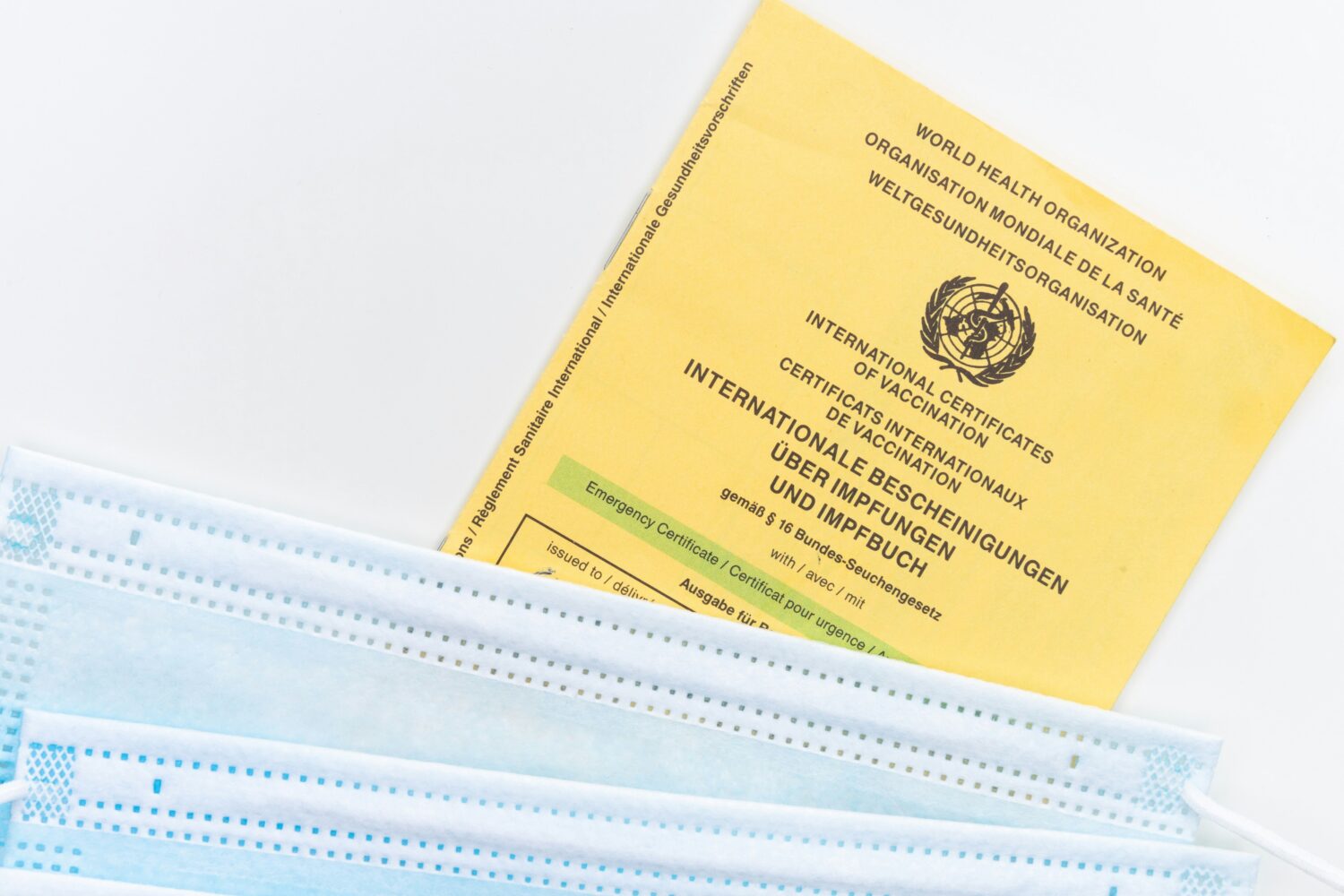
Yellow fever vaccination must be administered at an officially approved and accredited vaccination center in order to produce a valid International Certificate of Vaccination or Prophylaxis, commonly referred to as the yellow card, the document Uganda’s immigration authorities require travelers to present upon arrival. Not every general medical clinic or travel health provider is authorized to issue this internationally recognized certificate, and travelers should confirm that their chosen vaccination provider appears on their national health authority’s list of approved yellow fever vaccination centers before booking an appointment.
Most major cities across Europe, North America, Asia, and beyond maintain designated travel health clinics authorized to administer the vaccine and issue this certificate, and travelers should research approved centers in their specific country or city well ahead of their planned vaccination appointment. Confirming this detail in advance avoids the frustrating scenario of receiving a vaccination that, while medically valid, does not produce the officially recognized documentation Uganda’s immigration officials require.
What the Certificate Should Include
A properly completed yellow fever certificate should include the traveler’s full name matching their passport exactly, date of birth, the date of vaccination, the vaccine’s batch or lot number, and the signature and official stamp of the administering clinic or physician. Travelers should carefully review their certificate at the time of vaccination to confirm all information has been recorded accurately and completely, since even minor discrepancies, particularly around name spelling, can occasionally cause complications during immigration review.
Travelers should photograph or scan their completed certificate as a backup immediately after receiving it, storing a digital copy separately from the physical document in case the original is lost, damaged, or misplaced during travel. This is a simple precaution that costs nothing and provides genuine peace of mind for what is, after all, one of the most consequential documents in a traveler’s entire trip preparation.
Presenting Your Certificate at Entebbe International Airport
Travelers should carry their physical yellow fever certificate alongside their passport when traveling to Uganda, rather than packing it away in checked luggage where it becomes inaccessible during the immigration process. Upon arrival at Entebbe International Airport, health officials or immigration officers may request to see this certificate as a standard part of the entry process, and travelers should be prepared to present it promptly alongside their passport and any other required entry documentation, including their approved Uganda e-visa.
Keeping the certificate in an easily accessible location, whether a travel document wallet or a dedicated pocket in carry-on luggage, ensures the entire arrival process proceeds smoothly without unnecessary delay or the stress of searching through luggage while other passengers move through the immigration line.
What Happens If You Arrive Without a Valid Certificate
Travelers arriving in Uganda without a valid yellow fever certificate face genuinely serious consequences, and this is not a requirement that immigration authorities apply loosely or overlook for travelers who claim to have simply forgotten their documentation. Uganda’s port health authorities may administer the vaccine on the spot at the traveler’s own expense, an option that comes with the significant complication that the traveler will not have met the ten-day waiting period required for full immunity, potentially resulting in additional restrictions or monitoring. In other cases, travelers without valid documentation may face quarantine for a defined period, or in more serious instances, may be denied entry entirely and placed on the next available flight back to their point of departure.
None of these outcomes represent a pleasant way to begin a long-anticipated Uganda safari, and all of them are entirely avoidable through basic preparation completed weeks before departure rather than addressed as an afterthought in the final days before a flight.
Combining Yellow Fever Requirements with Broader Trip Planning
Yellow fever vaccination should be treated as one integrated part of a broader pre-departure checklist rather than a standalone task addressed in isolation. Travelers preparing for a Uganda safari are typically also completing their e-visa application, arranging comprehensive travel insurance with medical evacuation coverage, and finalizing gorilla trekking permits, and scheduling the yellow fever vaccination appointment alongside these other preparations, ideally four to six weeks before departure, ensures the mandatory ten-day waiting period is comfortably cleared with room to spare for any unexpected scheduling delays.
Travelers planning a broader East Africa itinerary that includes neighboring countries such as Kenya, Rwanda, or Tanzania alongside Uganda should note that yellow fever documentation requirements apply consistently across the region, making a single valid certificate essential for the entire multi-country trip rather than something to address separately for each destination. Similarly, travelers returning home from Uganda should check whether their home country enforces its own yellow fever documentation requirements for travelers arriving from countries within Uganda’s risk category, since some countries, including several in Asia, check certificates on both entry and return for exactly this reason.
Additional Health Preparation Worth Considering Alongside Vaccination
While yellow fever vaccination is Uganda’s only mandatory vaccine requirement, travelers scheduling this appointment should use the opportunity to discuss broader travel health preparation with their physician or travel health clinic. Malaria prevention deserves particular attention, given that Uganda is classified as a high-risk malaria zone across virtually the entire country, including the areas surrounding Murchison Falls National Park, Queen Elizabeth National Park, and Bwindi Impenetrable Forest. A travel health consultation is also a sensible opportunity to discuss additional recommended, though non-mandatory, vaccinations such as hepatitis A, typhoid, and tetanus boosters, all commonly advised for travelers heading to East Africa.
A Simple Step That Protects the Entire Trip
Of everything a traveler prepares before a Uganda safari, from booking flights to selecting the perfect lodge overlooking the Nile, the yellow fever certificate is arguably the single most consequential document to get right. It is inexpensive, straightforward to obtain, and requires only modest advance planning, yet its absence or invalidity carries the potential to derail an entire trip at the very first checkpoint upon arrival. Treating this requirement with the seriousness it deserves, scheduling the vaccination well ahead of departure, confirming the certificate is properly completed, and carrying it accessibly alongside a passport throughout the journey, ensures nothing stands between a traveler and the gorillas, lions, and thundering waterfalls that drew them to Uganda in the first place.
Travelers planning a Uganda wildlife safari are encouraged to schedule their yellow fever vaccination well ahead of their travel dates. Visit Murchison falls park safari to explore tailored itineraries covering Murchison Falls National Park, Queen Elizabeth National Park, and gorilla trekking permits in Bwindi, with guidance available on every practical detail of trip preparation. For details on trekking logistics and permit requirements, the site’s gorilla trekking page offers further information, and the team is available through the contact page to help coordinate a complete, well-prepared itinerary from vaccination through departure.
This article is intended for general informational purposes and does not replace professional medical advice. Travelers should consult a licensed physician or accredited travel health clinic to confirm current requirements and receive guidance tailored to their individual health needs before departure.