Banyankole Long-Horned Cattle Culture in Western Uganda
Drive the highway between Kampala and Queen Elizabeth National Park and, somewhere past Mbarara, you’ll almost certainly catch sight of them — herds of cattle with horns so large and so dramatically curved that first-time visitors often assume they’re looking at a different species entirely, or possibly a decorative breed kept purely for show. They’re neither. These are Ankole cattle, the defining symbol of the Banyankole people and one of western Uganda’s most striking, least-discussed cultural landscapes, and they’ve been shaping the identity, economy, and daily rhythm of this region for centuries. For travelers building a Uganda safari through the country’s western circuit, understanding this cattle culture adds a genuinely different layer to a trip otherwise centered on wildlife, turning a highway drive-by sighting into something with real depth and meaning.
A Breed With Roots Stretching Back Millennia
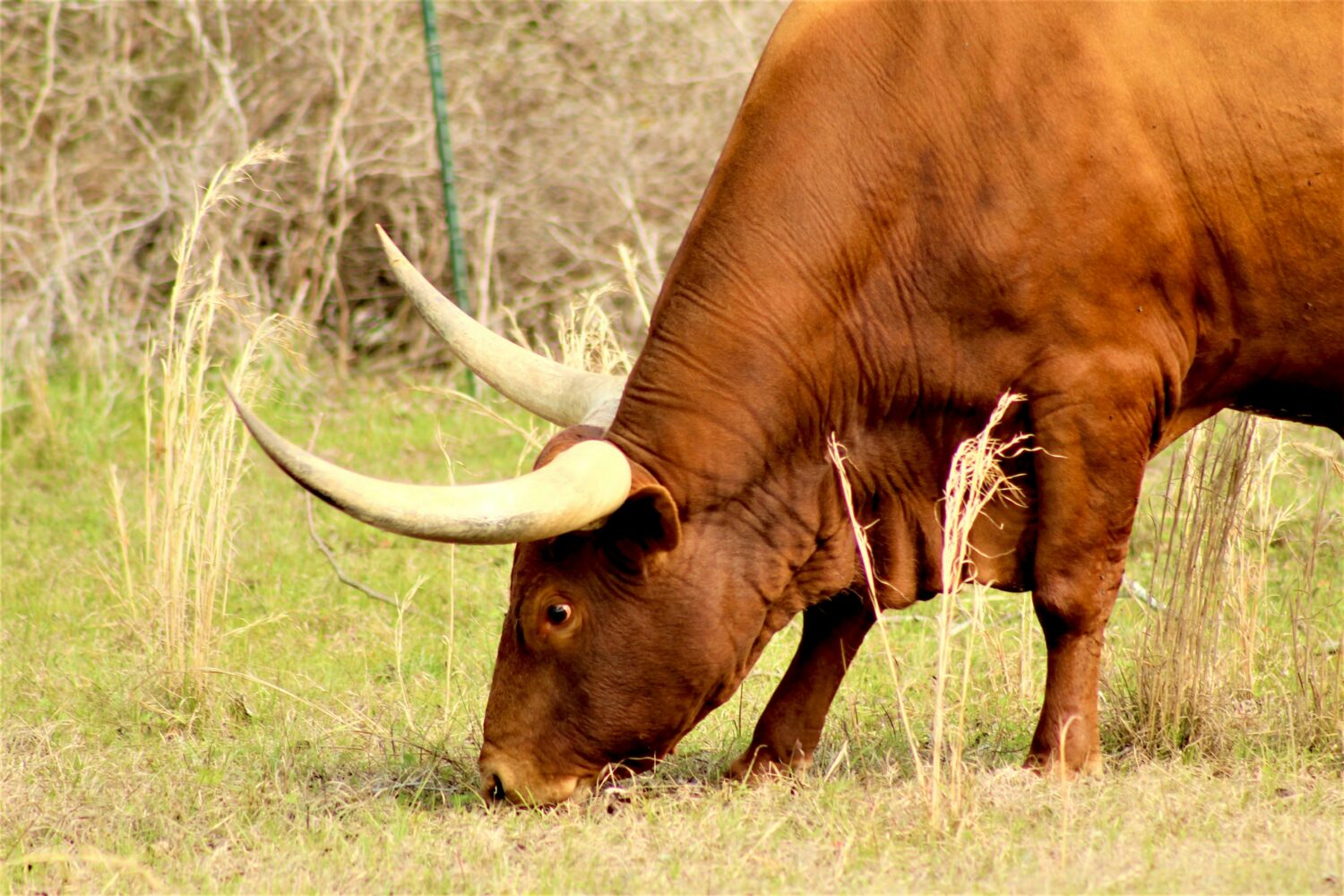
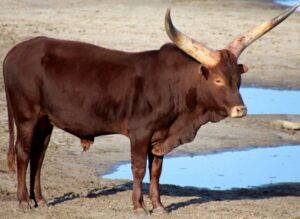 Ankole cattle trace their lineage to the ancient Sanga cattle family, a lineage believed to have moved through Africa’s Great Lakes region for more than two thousand years, making the breed’s presence in this landscape considerably older than most of the political and social structures that have since organized around it. The cattle themselves are immediately recognizable by their sweeping, lyre-shaped horns, which curve outward before sweeping back inward, and which can span an extraordinary eight feet from tip to tip in the most impressive individual animals, genuinely surpassing even the famous Texas longhorn in scale. Their coloring runs predominantly reddish-brown to dark brown, and their build is notably leaner and more elegant than typical commercial dairy breeds, a physical profile shaped by centuries of adaptation to East Africa’s climate and grazing conditions rather than selective breeding for maximum milk output.
The horns themselves aren’t merely decorative. They evolved as a genuine defensive adaptation, providing protection against the predators, including lions, leopards, and hyenas, that would have threatened free-grazing herds across the open savanna and grassland of western Uganda for generations before modern ranching and fencing changed the risk calculus considerably.
Cattle as Currency, Status, and Identity
To understand Banyankole culture is to understand that cattle were never simply livestock in the commercial sense most visitors are used to. Among the Bahima, the traditionally pastoralist social group within the broader Banyankole and Ankole cultural sphere, a family’s social standing was measured directly by the size and number of cattle in their herd, and Ankole cattle in particular carried a status that went well beyond their practical value for milk. They were exchanged as dowries in marriage negotiations, offered as gifts to cement friendships and political alliances, and kept by royal families specifically as symbols of prestige, earning them the enduring nickname “Cattle of Kings” across much of the region’s oral history and written accounts.
This wasn’t an abstract or purely ceremonial relationship. Traditional Ankole society divided broadly between the Bahima, pastoralist cattle-keepers, and the Bairu, who worked the land as farmers, and cattle ownership functioned as a genuine marker of social and economic position within that structure. Even today, in a region that’s modernized considerably and diversified its economy well beyond pastoralism alone, the cultural weight attached to Ankole cattle ownership persists in a way that visibly shapes daily life across Mbarara, Kiruhura, Isingiro, Ntungamo, and Bushenyi districts, the traditional heartland of Ankole cattle culture in Uganda’s southwest.
Daily Life With the Herd
Traveling through this region, particularly along the rural roads connecting Mbarara to the surrounding countryside, offers a genuine window into pastoral routines that have changed remarkably little in their basic shape over generations. Herdsmen move with their cattle across open grassland each morning, carrying long sticks used to guide rather than strike the animals, staying close throughout the day both to manage grazing patterns and to protect the herd from any lingering predator activity or theft. The rhythm follows a consistent daily pattern — grazing through the morning hours, drinking in the afternoon at whatever water source is nearest, and returning to the family’s kraal, a traditional cattle enclosure, by evening.
Milking remains a central daily task and a genuinely skilled one, traditionally performed while seated on a low, three-legged wooden stool known as an ekicuuho or ekito, positioned close to the animal in a practiced posture passed down through generations of pastoralist families. For visitors, watching or occasionally attempting this process firsthand, arranged through a local lodge or cultural guide, offers one of the more genuinely hands-on cultural experiences available anywhere in Uganda’s safari circuit, requiring a kind of practiced patience and balance that looks considerably simpler than it actually is.
Where to See Ankole Cattle Culture in Person
Mbarara, often nicknamed the “Land of Milk and Honey,” sits at the geographic and cultural heart of Ankole cattle territory, and its morning markets carry the genuine sound and atmosphere of a place still deeply connected to pastoral life, even as the town itself has grown into a significant regional urban center. The city’s identity is literally memorialized in its skyline through the Horns of the Cattle Monument, a striking public sculpture depicting the distinctive lyre-shaped horns of Ankole cattle, erected as a direct symbol of the region’s cultural heritage and its enduring reputation as cattle country.
Kiruhura and Nyabushozi counties, further into the rural interior, offer an even more immersive view, with thatched-roof kraals visible across nearly every hilltop and herdsmen who, approached politely and respectfully through a local guide, will sometimes invite visitors to share warm milk straight from a traditional calabash gourd, a small but genuinely meaningful gesture of hospitality rooted in pastoral tradition. The Rukungiri highlands offer a different kind of encounter entirely, with sunset horseback rides winding through free-grazing herds, their dramatic horns silhouetted against the orange evening sky in a scene that photographers consistently rank among the most striking they’ve captured anywhere in Uganda.
Lake Mburo National Park: Wildlife and Pastoralism Side by Side
Lake Mburo National Park occupies a genuinely unusual position among Uganda’s protected areas, since it remains one of the few national parks in the country where pastoralist grazing and wild wildlife coexist within the same landscape, a legacy of grazing agreements negotiated between conservation authorities and local cattle-keeping communities. Visitors here might witness the genuinely striking sight of an Ankole cattle herd moving across the savanna alongside zebra, impala, and other resident wildlife, a juxtaposition that speaks directly to the region’s long history of pastoralism existing within, rather than separate from, its natural landscape. For travelers who want to see Ankole cattle culture in a wildlife-adjacent setting rather than purely as a standalone cultural stop, Lake Mburo offers exactly that combination, and its relatively compact size makes it an efficient addition to a broader western Uganda itinerary.
The Igongo Cultural Centre
For travelers who want a more structured, curated introduction to Ankole heritage rather than an informal roadside or kraal encounter, the Igongo Cultural Centre near Mbarara offers one of the most complete cultural resources available anywhere in western Uganda. The center’s museum dedicates substantial exhibit space specifically to Ankole pastoral life, covering traditional tools, songs, children’s games, and the specific rituals surrounding cattle care, including horn-polishing and grooming practices that reflect just how much aesthetic and cultural pride is invested in these animals’ distinctive appearance. Combined with comfortable on-site accommodation, Igongo functions as both an educational stop and a genuinely pleasant place to break a long drive through the region, making it one of the more efficient cultural additions to slot into a broader itinerary without significant extra travel time.
Conservation Pressures Facing the Breed
It’s worth being honest about a real challenge facing Ankole cattle culture today: the breed’s genetic purity faces mounting pressure from crossbreeding with imported, higher-yielding dairy breeds like Friesians, introduced to boost milk production in a modernizing agricultural economy. While these crossbred animals offer clear commercial advantages in terms of output, they threaten the distinctive genetic line and physical characteristics that have defined Ankole cattle for centuries, including the horn size and shape that make the breed so culturally and visually significant. Several conservation-minded initiatives, including partnerships between pastoralist communities and conservation organizations around areas like Lake Mburo, are working specifically to preserve purebred Ankole bloodlines, recognizing that the breed’s cultural value extends well beyond its commercial milk yield and that losing genetic purity would mean losing something genuinely irreplaceable about the region’s heritage.
Experiencing Ankole Culture Respectfully
For travelers interested in a hands-on cultural encounter, several lodges and cultural centers in the Mbarara and Lake Mburo areas can arrange guided kraal visits, traditional milking demonstrations, and conversations directly with local herdsmen about their family’s relationship with their herd. These experiences work best, and feel most genuine, when arranged in advance through a knowledgeable local operator or guide rather than approached spontaneously, both out of basic respect for people going about their daily working lives and because a properly arranged visit tends to include far richer context and storytelling than an unplanned roadside stop ever could. Photography is almost always welcomed with a simple, polite request beforehand, and the golden light of early morning or late afternoon, combined with the dramatic silhouette of Ankole horns against open grassland, consistently produces some of the most striking travel photography available anywhere in Uganda’s safari circuit.
Building Ankole Cattle Culture Into Your Uganda Itinerary
Because Mbarara and the broader Ankole cultural region sit directly along the standard overland route connecting Kampala to Queen Elizabeth National Park, Bwindi Impenetrable National Park, and Lake Mburo, this cultural experience fits naturally into a longer western Uganda circuit rather than requiring a dedicated separate trip. Travelers heading south and west from Kampala toward the primate and gorilla trekking circuits will pass directly through this territory regardless, making a planned half-day or full-day stop at Igongo Cultural Centre, a Lake Mburo game drive with an eye toward its grazing Ankole herds, or a genuine kraal visit near Kiruhura an efficient and meaningful addition rather than a significant detour.
For travelers whose primary anchor destination is Murchison Falls National Park in Uganda’s north, Ankole cattle territory sits considerably further south, making this cultural stop a natural fit for a longer, multi-region itinerary that extends beyond Murchison Falls into western and southwestern Uganda’s broader safari and cultural circuit, rather than a simple add-on to a Murchison-only trip. Many travelers structure exactly this kind of extended journey, opening in the north with Murchison Falls’ dramatic waterfall and open savanna wildlife before heading south and west toward Kibale, Queen Elizabeth National Park, and onward through Ankole cattle country toward Bwindi’s gorilla trekking, giving the overall trip genuine cultural and geographic range.
Our team at Murchison Falls Park Safari can help build exactly this kind of comprehensive itinerary, connecting the northern wildlife experience of Murchison Falls with a southern and western extension that includes both primate trekking and genuine cultural encounters like Ankole cattle country. Reach out through our contact page to start planning a trip that includes this kind of cultural depth alongside your core wildlife activities, or browse our current Murchison Falls safari packages to see how our anchor northern itinerary typically comes together before extending south and west. If you’re mapping out the cost of a longer, multi-region Uganda circuit that includes this kind of cultural stop, our guide to estimating your Uganda safari cost by month is a useful next step for budgeting purposes, and if you’re planning primate activities on the same extended trip, our guide to the chimpanzee habituation experience in Kibale Forest pairs naturally with an Ankole cultural stop on the same overland route.
Uganda’s wildlife draws most travelers to the country in the first place, but its cultural landscape, and the Banyankole’s centuries-deep relationship with their extraordinary long-horned cattle, offers a genuinely different, equally memorable window into what makes this country distinctive. A drive through Mbarara’s cattle country, timed for late afternoon light and paired with a genuine, respectfully arranged encounter, tends to stay with travelers just as vividly as any game drive or gorilla trek.