One of the most common concerns international travelers raise before booking a Uganda safari has nothing to do with wildlife, permits, or logistics. It has to do with food. Whether managing celiac disease, keeping kosher, observing halal dietary law, following a vegan or vegetarian lifestyle, or navigating a food allergy, travelers frequently wonder whether a remote safari lodge deep in the African bush can truly accommodate their needs. This comprehensive dietary restrictions Uganda safari guide answers that question in full, walking through exactly what international travelers can expect across every major dietary category, and how to ensure meals become a highlight of the trip rather than a source of stress.
Uganda’s Culinary Foundation Works in Every Traveler’s Favor
Before addressing any specific dietary category, it helps to understand why Uganda’s food culture naturally accommodates such a wide range of restrictions more easily than many travelers expect. Traditional Ugandan cuisine centers on starches like matoke, a cooked and mashed green banana, alongside sweet potatoes, cassava, yams, and rice, all naturally gluten-free and plant-based. Stews built around beans, groundnuts, and fresh vegetables form another cornerstone of everyday Ugandan cooking, often served without meat or dairy at their base, making adaptation for vegetarian, vegan, or gluten-free travelers considerably more straightforward than in food cultures built around wheat, dairy, or heavily processed staples. This foundation means that international dietary accommodation in Uganda often works with the grain of the local cuisine rather than against it.
Uganda’s safari lodge industry has also matured considerably in recent years, and most established properties across Murchison Falls National Park, Queen Elizabeth National Park, and the areas surrounding Bwindi Impenetrable Forest now treat dietary accommodation as a standard part of hospitality rather than an unusual request. Because many lodges operate with small, intimate kitchen teams, guests often have direct access to the chef or camp manager to discuss specific needs, a level of personal attention rarely available at larger international hotel chains.
Vegetarian and Vegan Travelers
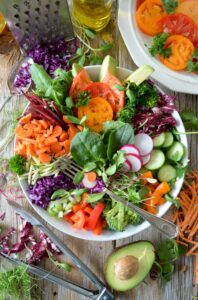 Vegetarian and vegan travelers will find Uganda one of the more naturally accommodating safari destinations in the world, given how much of the country’s traditional diet is already plant-based. Bean stews, vegetable curries, roasted sweet potatoes and greens, and matoke served with groundnut sauce all appear regularly across lodge menus without requiring significant modification. Fresh tropical fruit, mango, papaya, passion fruit, and pineapple, features prominently at breakfast and throughout the day, offering vegan travelers a satisfying and genuinely flavorful foundation without relying heavily on substitute products.
Lodges accustomed to hosting international travelers increasingly stock plant-based alternatives such as soy or oat milk for coffee and tea, though travelers with very specific vegan requirements around processed substitute products should communicate these details clearly in advance, since availability of specialty vegan products can vary considerably between a well-stocked lodge near Kampala and a smaller camp deep within a national park. As with all dietary needs, informing a safari operator of vegetarian or vegan requirements at the time of booking allows kitchens across the entire itinerary to prepare appropriately well before a traveler arrives.
Gluten-Free and Celiac Considerations
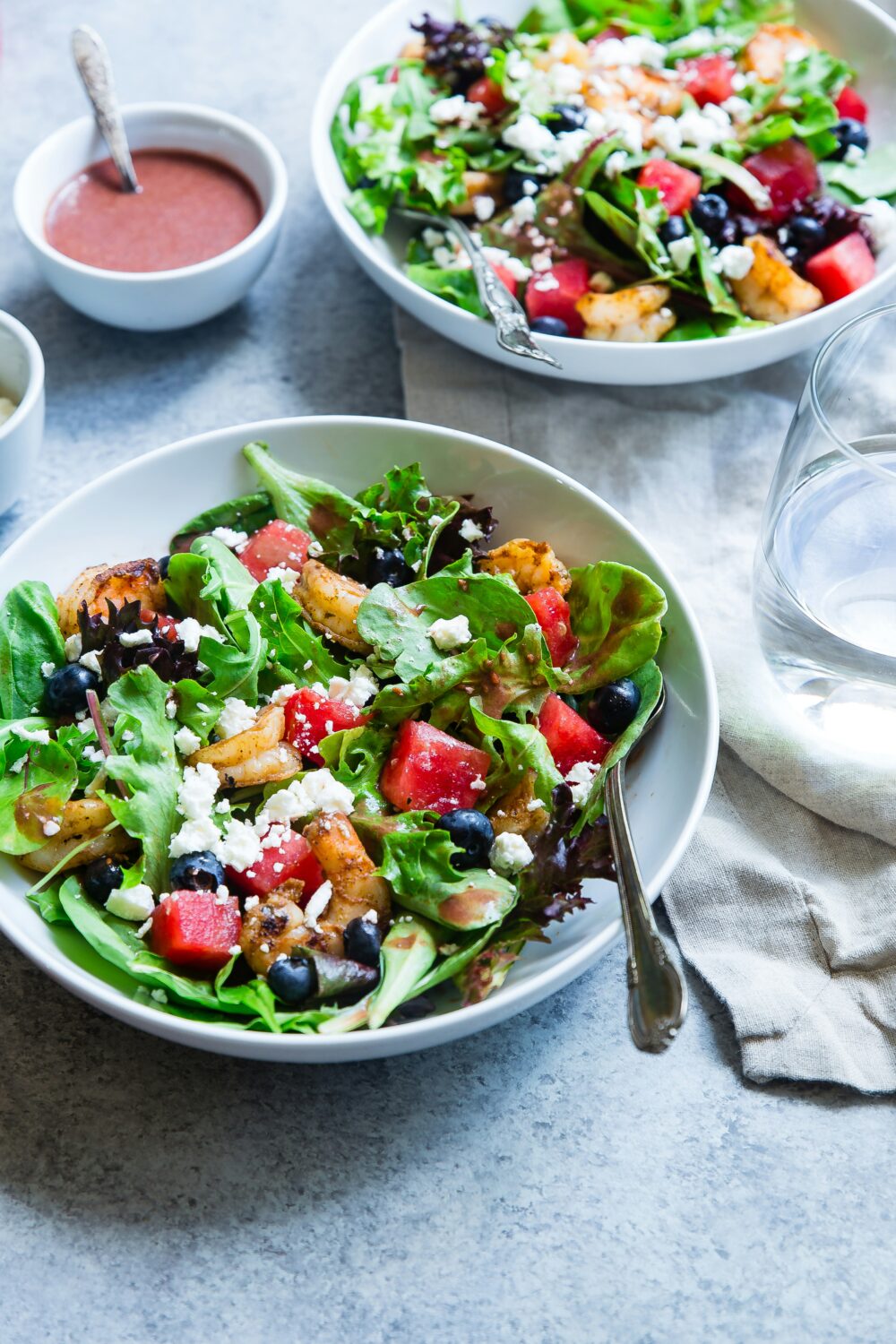
Travelers managing celiac disease or gluten sensitivity benefit enormously from Uganda’s starch-based culinary tradition, since matoke, rice, sweet potatoes, and cassava form the backbone of many traditional dishes without any need for substitution. Grilled meats and fish, common across safari lodge menus, are naturally gluten-free when prepared simply, without breaded coatings or wheat-based marinades, both easily avoided with a brief conversation with kitchen staff before the meal is prepared.
Travelers with celiac disease specifically, rather than general gluten sensitivity, should raise the topic of cross-contamination directly with their safari operator and with lodge staff upon arrival, since smaller remote camps sometimes operate with compact kitchens where shared surfaces and utensils are used across multiple dishes throughout the day. Most lodges experienced in hosting international travelers have grown skilled at managing this risk, but a direct conversation ensures expectations are clearly understood on both sides. Carrying a modest supply of trusted gluten-free snacks provides a helpful buffer for long game drive days or more remote stretches of an itinerary where kitchen access may be more limited.
Halal Dietary Requirements
Muslim travelers observing halal dietary law will find Uganda well equipped to accommodate their needs, supported by the country’s significant and long-established Muslim community, particularly in and around Kampala. Halal meat is widely available across Uganda, including at many lodges catering to international visitors, and safari operators experienced in hosting Muslim travelers can coordinate halal meal preparation across an entire itinerary when informed at the time of booking. Travelers should communicate this requirement clearly and specifically, distinguishing between a general preference for halal-prepared meat and stricter requirements around preparation methods, sourcing, and separation from non-halal ingredients during cooking, so that each lodge on the itinerary understands precisely what level of accommodation is needed.
Travelers observing halal requirements alongside fasting periods such as Ramadan should also discuss meal timing with their safari operator in advance, since early morning game drives may need to be balanced against suhoor and iftar timing, an adjustment most experienced lodges can accommodate smoothly once informed of a guest’s schedule.
Kosher Dietary Requirements
Kosher-observant travelers represent one of the more specialized dietary categories on a Uganda safari, and while accommodation is absolutely possible, it typically requires more advance planning than other dietary needs. Strict kosher requirements, involving certified kosher meat, separate preparation surfaces, and adherence to dietary laws around the combination of meat and dairy, often cannot be fully met by a standard safari lodge kitchen without significant advance coordination. Many experienced Uganda safari operators work with travelers to source kosher food from Kampala, where a small but established Jewish community and specialty food access make sourcing certified kosher products considerably more feasible than in more remote regions.
Travelers observing strict kosher dietary law should be transparent with their safari operator about the level of observance required, since options range from a general kosher-style diet emphasizing permitted foods and avoiding pork and shellfish, achievable at most lodges with some flexibility, to full certified kosher requirements that may involve pre-packaged kosher meals transported into the country or specific advance sourcing arrangements, which typically involve additional costs and lead time. Booking well in advance and discussing exact requirements clearly with a knowledgeable local operator makes the difference between a workable kosher itinerary and a frustrating one.
Food Allergies and Life-Threatening Sensitivities
Travelers managing food allergies, whether to nuts, shellfish, dairy, eggs, or other common allergens, should treat communication with their safari operator and lodges as an essential safety measure rather than a simple preference. Uganda’s safari lodges are generally responsive to allergy information when informed clearly and in advance, and the intimate scale of most lodge kitchens often works in a traveler’s favor, allowing direct communication with the chef about specific ingredients and preparation methods. Travelers with severe or life-threatening allergies should carry any necessary emergency medication, such as an epinephrine auto-injector, with them at all times, including during game drives, rather than leaving it behind at the lodge, since remote park locations mean emergency medical response takes considerably longer than travelers may be accustomed to at home.
Groundnuts, a common ingredient across many traditional Ugandan dishes including popular stews and sauces, deserve particular attention for travelers with peanut or tree nut allergies, since this ingredient appears more frequently in Ugandan cuisine than many international travelers expect. Flagging a nut allergy clearly and specifically, rather than assuming it will be obvious from context, ensures kitchens avoid this ingredient across every dish prepared for a traveler’s meals throughout the trip.
Religious and Cultural Dietary Observances Beyond Halal and Kosher
International travelers observing other religious or cultural dietary practices, including Hindu vegetarianism, Buddhist dietary observances, or Jain dietary restrictions involving the avoidance of root vegetables and certain other plant foods, will generally find Uganda’s flexible, plant-forward culinary base adaptable to these needs as well, provided requirements are communicated clearly in advance. Jain travelers in particular, given the specificity of foods to avoid, should provide detailed guidance to their safari operator well before departure, allowing lodges time to plan appropriately rather than improvising once a traveler has already arrived.
Low-Sodium, Low-Sugar, and Medical Dietary Needs
Travelers managing health conditions that require low-sodium, low-sugar, or other medically directed dietary restrictions will find most established Uganda safari lodges willing and able to accommodate these needs, particularly when informed clearly at the time of booking. Fresh, whole-food ingredients form the basis of much of Uganda’s traditional cuisine, which naturally supports these kinds of medical dietary adjustments more easily than heavily processed food cultures might. Travelers managing diabetes or other conditions requiring careful attention to meal timing and composition should communicate specific needs to their safari operator, who can coordinate consistent meal timing across an itinerary that otherwise revolves around early morning game drives and variable daily schedules.
How to Communicate Dietary Needs Effectively
The single most important factor in ensuring a smooth dietary experience throughout a Uganda safari is clear, specific, and early communication. Informing a safari operator of dietary requirements at the time of initial booking, rather than mentioning it briefly upon arrival, allows that information to be passed along to every lodge on the itinerary well in advance, giving kitchens adequate time to plan menus and source appropriate ingredients, particularly important for more remote camps where last-minute sourcing is far more difficult than in Kampala or Entebbe.
Travelers should be as specific as possible when describing their dietary needs, distinguishing between a strong preference and a strict medical or religious requirement, and should not hesitate to ask direct questions about preparation methods, potential cross-contamination, or ingredient sourcing when the situation calls for it. Reconfirming dietary needs directly with lodge staff upon arrival at each new property, rather than assuming information was perfectly relayed from the original booking, helps maintain consistency across a multi-lodge itinerary and gives staff the chance to ask any clarifying questions in person.
Combining Multiple Dietary Requirements
Many travelers arrive in Uganda managing more than one dietary consideration simultaneously, a vegetarian traveler who is also gluten-free, or a halal-observant traveler managing a nut allergy, for instance. Uganda’s safari lodges are generally well practiced at layering multiple requirements, since many international guests present combined needs, but travelers in this situation should be especially thorough in communicating the full picture of their dietary needs to their safari operator, rather than mentioning only the most obvious restriction and leaving the rest to be discovered along the way.
Special Occasions: Bush Breakfasts and Picnic Meals
Uganda’s tradition of bush breakfasts and picnic lunches, served in scenic locations away from the main lodge, whether overlooking the Nile at Murchison Falls or set up during a game drive in Queen Elizabeth National Park, requires slightly more advance coordination for travelers with dietary restrictions, since these meals are prepared ahead of time and transported to a remote location rather than cooked to order. Confirming dietary needs with lodge staff the evening before a planned bush breakfast or picnic ensures the kitchen has adequate time to prepare a proper alternative, and most lodges experienced with international travelers handle this request smoothly once informed in advance.
Practical Costs and Considerations
Travelers should understand that certain highly specific dietary requests, particularly strict kosher requirements or rare specialty ingredients that must be sourced from Kampala or occasionally flown into the country, can involve modest additional costs beyond a standard safari package. Discussing this openly with a safari operator during the planning stage, rather than encountering an unexpected charge later in the trip, ensures a transparent and comfortable experience from booking through departure.
A Safari Experience Without Compromise
Whatever dietary path a traveler follows, whether guided by health, religion, ethics, or personal preference, Uganda’s safari industry has grown increasingly capable of delivering a genuinely satisfying dining experience without requiring travelers to compromise on their needs or their enjoyment of the trip. The combination of Uganda’s naturally adaptable culinary traditions and a safari lodge sector experienced in hosting a diverse international clientele means that, with clear communication and thoughtful advance planning, dietary restrictions need never overshadow what should be one of the most extraordinary travel experiences of a lifetime.
International travelers planning a Uganda wildlife safari are encouraged to communicate dietary needs clearly at the time of booking. Visit Murchison falls park safari to explore tailored itineraries covering Murchison Falls National Park, Queen Elizabeth National Park, and gorilla trekking in Bwindi, with every dietary requirement coordinated directly with each lodge well ahead of arrival. For details on trekking logistics and permit requirements, the site’s gorilla trekking page offers further information, and the team is available through the contact page to help build a complete itinerary where every meal reflects your needs, and every moment is exactly as it should be.