Fish Species in Murchison Falls Waters: Exploring the Nile’s Aquatic Biodiversity
Overview
Murchison Falls National Park is often defined by its dramatic waterfall and iconic wildlife, yet beneath the surface of the Nile lies an equally compelling ecosystem. The waters that surge through the park support a remarkable range of fish species, forming one of the richest freshwater systems in East Africa. Understanding fish species Murchison reveals a deeper layer of the park’s ecological balance, where aquatic life sustains birds, reptiles, mammals, and local livelihoods.
The Nile River, as it flows through Murchison Falls, creates varied aquatic habitats including calm pools, rocky rapids, submerged vegetation zones, and floodplain channels. These environments allow different species to thrive, contributing to the park’s broader aquatic biodiversity. For travelers, anglers, and wildlife enthusiasts, exploring this underwater world transforms the safari experience into something more complete and scientifically fascinating.
The Nile River Ecosystem in Murchison Falls
The Nile River defines Murchison Falls National Park. As it narrows through a 7-meter gorge and plunges into the Devil’s Cauldron, it creates one of the most powerful waterfalls in the world. Beyond the spectacle, this dramatic shift in water movement shapes fish habitats in unique ways.
Upstream sections of the Nile offer calmer waters where fish breed and feed. Downstream, the river widens and slows, forming deep channels that support larger predatory species. Rocky areas near the falls create oxygen-rich environments ideal for certain fish that require fast-moving water.
This diversity of aquatic conditions explains why nile river fish populations remain so varied in Murchison Falls. Each stretch of the river supports a different ecological function, making the park a living laboratory of freshwater biodiversity.
Nile Perch: The Dominant Predator
The Nile perch stands as the most famous fish species in Murchison Falls. Known for its immense size, this predator can grow to over 100 kilograms, making it one of the largest freshwater fish in the world. Its presence defines the upper levels of the aquatic food chain.
Nile perch thrive in the deeper sections of the Nile, where they hunt smaller fish using speed and power. Their role in maintaining balance within fish species Murchison cannot be overstated. By controlling populations of smaller species, they prevent ecological imbalance and support a stable aquatic system.
For anglers, Nile perch fishing in Murchison Falls is a major attraction. Catch-and-release practices are encouraged to preserve populations while still allowing visitors to engage with this iconic species.
Tilapia Species: The Backbone of the Ecosystem
Tilapia species form the foundation of the Nile’s fish population in Murchison Falls. These fish are smaller than Nile perch but far more numerous, making them a critical food source for both predators and humans.
Tilapia inhabit shallow waters, floodplains, and vegetated areas where they feed on algae and organic matter. Their adaptability allows them to thrive in varying water conditions, contributing significantly to the park’s aquatic biodiversity.
For local communities around the park, tilapia also hold economic importance. Sustainable fishing practices ensure that these populations remain stable while supporting livelihoods.
Catfish of the Nile
Catfish represent another major group within nile river fish populations. These bottom-dwelling species are known for their whisker-like barbels, which help them detect food in murky waters.
In Murchison Falls, catfish are often found in deeper, slower-moving sections of the river. They feed on a mix of plant material, insects, and smaller fish, making them important recyclers within the ecosystem. By consuming organic debris, they help maintain water quality and nutrient balance.
Their resilience and adaptability allow them to survive in conditions that might challenge other species, further strengthening the diversity of fish species Murchison.
Tiger Fish: Speed and Precision
Tiger fish bring a dynamic edge to the Nile’s aquatic life. Known for their sharp teeth and aggressive hunting style, they are among the most exciting species for sport fishing.
These fish thrive in fast-moving waters, particularly near rapids and transitional zones around the falls. Their presence highlights the complexity of aquatic biodiversity, where specialized species evolve to exploit specific habitats.
Tiger fish are not only important predators but also indicators of a healthy river system. Their survival depends on clean, oxygen-rich water, making them a key species in monitoring environmental health.
Lungfish: Living Fossils of the Nile
Lungfish offer a fascinating glimpse into evolutionary history. These unique creatures can breathe both through gills and lungs, allowing them to survive in low-oxygen environments.
In Murchison Falls, lungfish are found in swampy areas and slow-moving sections of the Nile. During dry periods, they can burrow into mud and enter a state of dormancy, emerging when water conditions improve.
Their adaptability underscores the resilience of fish species Murchison and highlights the long-term stability of the Nile ecosystem.
Smaller Fish Species and Their Ecological Role
Beyond the well-known species, Murchison Falls supports numerous smaller fish that play critical roles in the food chain. These include various minnows, barbs, and cichlids, each contributing to the balance of the aquatic environment.
These species often go unnoticed by visitors, yet they form the base of the ecosystem. They provide food for larger fish, birds, and reptiles, linking aquatic and terrestrial food webs. Their abundance and diversity are key indicators of strong aquatic biodiversity.
The Role of Fish in the Wider Ecosystem
Fish in Murchison Falls do not exist in isolation. They are central to the park’s broader ecological network. Nile crocodiles rely heavily on fish as a primary food source, while fish-eating birds such as African fish eagles and kingfishers depend on healthy fish populations.
Even large mammals benefit indirectly. Hippos, for example, contribute nutrients to the river through their waste, which supports algae growth and feeds smaller fish species. This interconnected system shows how nile river fish sustain life far beyond the water itself.
Understanding these relationships enhances appreciation for the complexity of fish species Murchison and their role in maintaining ecological balance.
Fishing Experiences in Murchison Falls
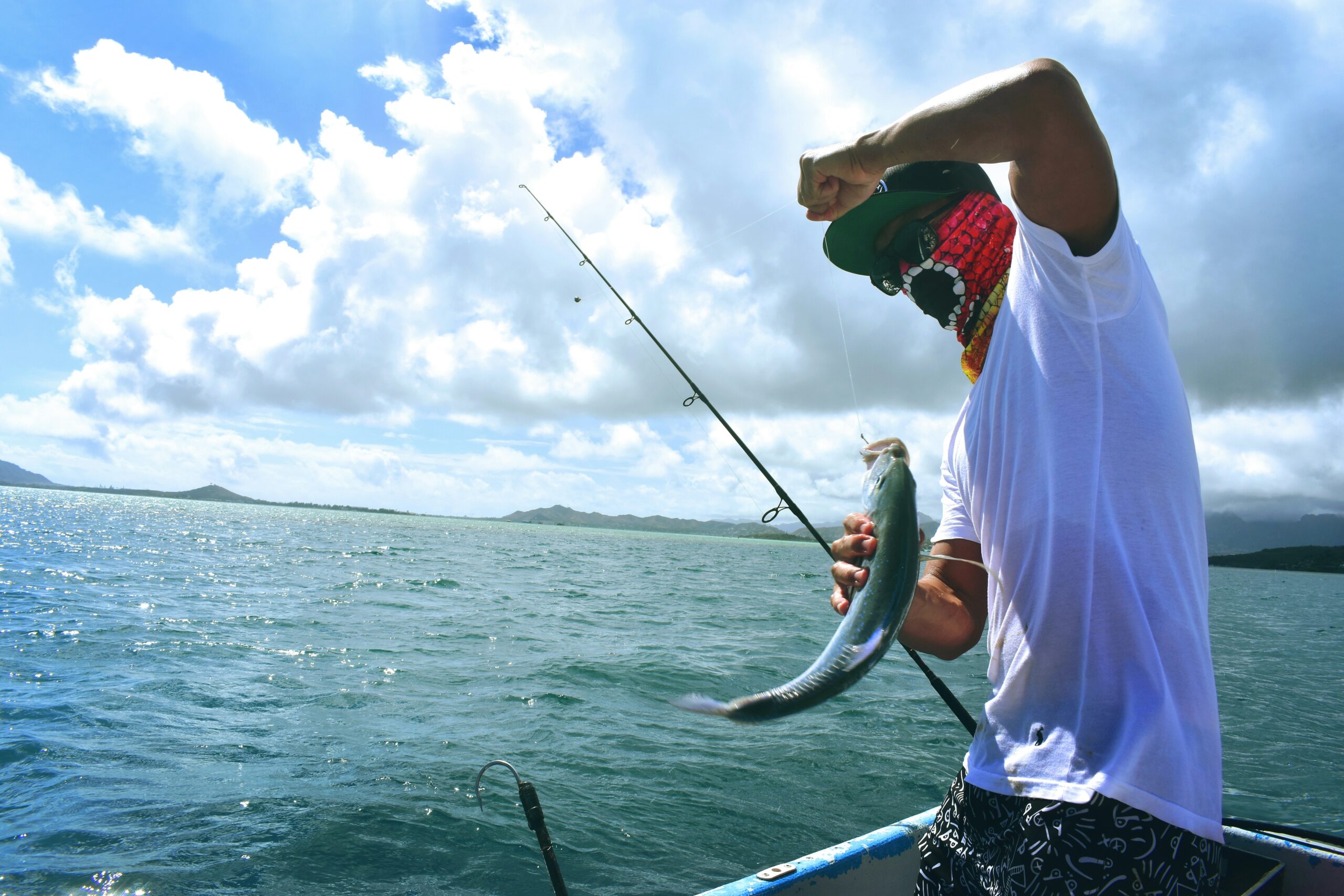
Fishing in Murchison Falls National Park is carefully regulated to ensure sustainability. Anglers can experience guided fishing trips along designated sections of the Nile, targeting species such as Nile perch and catfish.
Fishing near the base of the falls offers one of the most thrilling experiences, combining dramatic scenery with the chance to catch large fish. Strict conservation guidelines ensure that this activity supports rather than harms the park’s aquatic biodiversity.
For travelers, fishing adds an interactive dimension to the safari, complementing traditional wildlife viewing.
Best Locations to Observe Aquatic Life
The Nile River itself is the primary location for observing fish activity, particularly during boat safaris. Areas downstream of the falls provide calm waters where fish are more visible, while the base of the falls offers insight into species adapted to turbulent conditions.
Boat cruises along the Nile, one of the most popular activities on www.murchisonfallsparksafari.com, allow visitors to witness fish-related interactions, including crocodiles hunting and birds diving for prey. These moments highlight the importance of fish species Murchison within the broader wildlife experience.
Seasonal Changes and Fish Behavior
Fish behavior in Murchison Falls changes with seasonal water levels. During the rainy seasons, increased water flow expands habitats and provides more breeding opportunities. Fish disperse across floodplains, taking advantage of new food sources.
In the dry seasons, water levels drop, concentrating fish in deeper channels. This makes them more visible and accessible for both predators and observers. Understanding these seasonal patterns helps travelers plan a more rewarding primate safari and aquatic experience combination.
Conservation of Aquatic Biodiversity
Protecting aquatic biodiversity in Murchison Falls is essential for the park’s long-term sustainability. Uganda Wildlife Authority works to regulate fishing, prevent pollution, and monitor fish populations.
Conservation efforts also focus on maintaining natural water flow and protecting surrounding habitats. These measures ensure that nile river fish continue to thrive despite increasing environmental pressures.
Responsible tourism plays a key role in supporting these efforts. By choosing guided activities and respecting park regulations, visitors contribute to conservation funding and awareness.
Integrating Aquatic Experiences into Your Safari
A visit to Murchison Falls becomes more enriching when aquatic experiences are included alongside traditional game drives. Boat cruises, fishing excursions, and visits to the base of the falls provide a comprehensive understanding of the park.
Combining these activities with wildlife viewing creates a balanced itinerary that showcases both land and water ecosystems. Travelers exploring www.murchisonfallsparksafari.com can connect this guide with experiences such as the Nile boat safari, wildlife game drives, and chimpanzee tracking in Budongo Forest.
This integrated approach highlights the full spectrum of fish species Murchison and their connection to the broader environment.
Discover the Hidden Life Beneath the Nile
Murchison Falls National Park is not only a destination of powerful landscapes and iconic wildlife. It is also a thriving aquatic ecosystem where fish species shape the rhythm of life along the Nile.
From the massive Nile perch to the elusive lungfish, the diversity of nile river fish reveals a hidden world that many travelers never fully explore. This underwater dimension adds depth to the safari experience, transforming it into a journey of discovery across multiple ecosystems.
Plan, here and experience the full richness of aquatic biodiversity in one of Africa’s most dynamic national parks.