Gluten-Free Dining on Uganda Safari: What to Expect
Traveling with celiac disease or a gluten sensitivity often comes with a quiet undercurrent of worry, even for the most seasoned travelers. Will there be options? Will the kitchen understand cross-contamination? Will a single trip turn into days of careful negotiation over every meal? For anyone planning a Uganda safari, the good news is refreshingly simple: gluten-free dining in Uganda is not only possible, it is genuinely well accommodated across the country’s safari lodges, tented camps, and city restaurants, provided travelers plan ahead and communicate clearly. This guide walks through exactly what gluten-free travelers can expect at every stage of a Uganda trip, from the moment they land to the final bush breakfast overlooking the savannah.
Uganda’s Natural Advantage for Gluten-Free Travelers
One detail that consistently surprises travelers with celiac disease or gluten intolerance is how naturally suited much of Uganda’s traditional cuisine already is to a gluten-free diet. Unlike destinations built around wheat-heavy staples, Uganda’s food culture centers on starches like matoke, a cooked and mashed green banana that forms the backbone of many traditional meals, alongside sweet potatoes, cassava, yams, and rice. These staples are naturally gluten-free and appear constantly across menus at safari lodges throughout the country, meaning gluten-free travelers are not relying entirely on special substitutions or workaround dishes prepared separately from everyone else’s meal. In many cases, the naturally gluten-free version of a dish simply is the traditional Ugandan version.
Ugandan stews built around beans, groundnuts, and fresh vegetables, often served alongside rice or matoke rather than bread, form another reliable pillar of gluten-free eating throughout a safari itinerary. Grilled meats and fish, common across lodge menus from Murchison Falls to Queen Elizabeth National Park, are naturally gluten-free when prepared simply, without breaded coatings or wheat-based marinades, both easily avoided with a quick conversation with kitchen staff.
What Safari Lodges Actually Offer
Uganda’s safari lodge industry has grown increasingly sophisticated in recent years, and dietary accommodation has become a standard part of the guest experience rather than an afterthought. Most established lodges across Murchison Falls National Park, Queen Elizabeth National Park, and the areas surrounding Bwindi Impenetrable Forest operate with small, attentive kitchen teams who are accustomed to adjusting meals for vegetarian, vegan, halal, kosher, and gluten-free safari meals on a regular basis. Because many lodges are relatively intimate in scale compared to large resort properties elsewhere in the world, guests often have the chance to speak directly with the chef or camp manager about specific needs, a level of personal attention that larger hotel kitchens rarely offer.
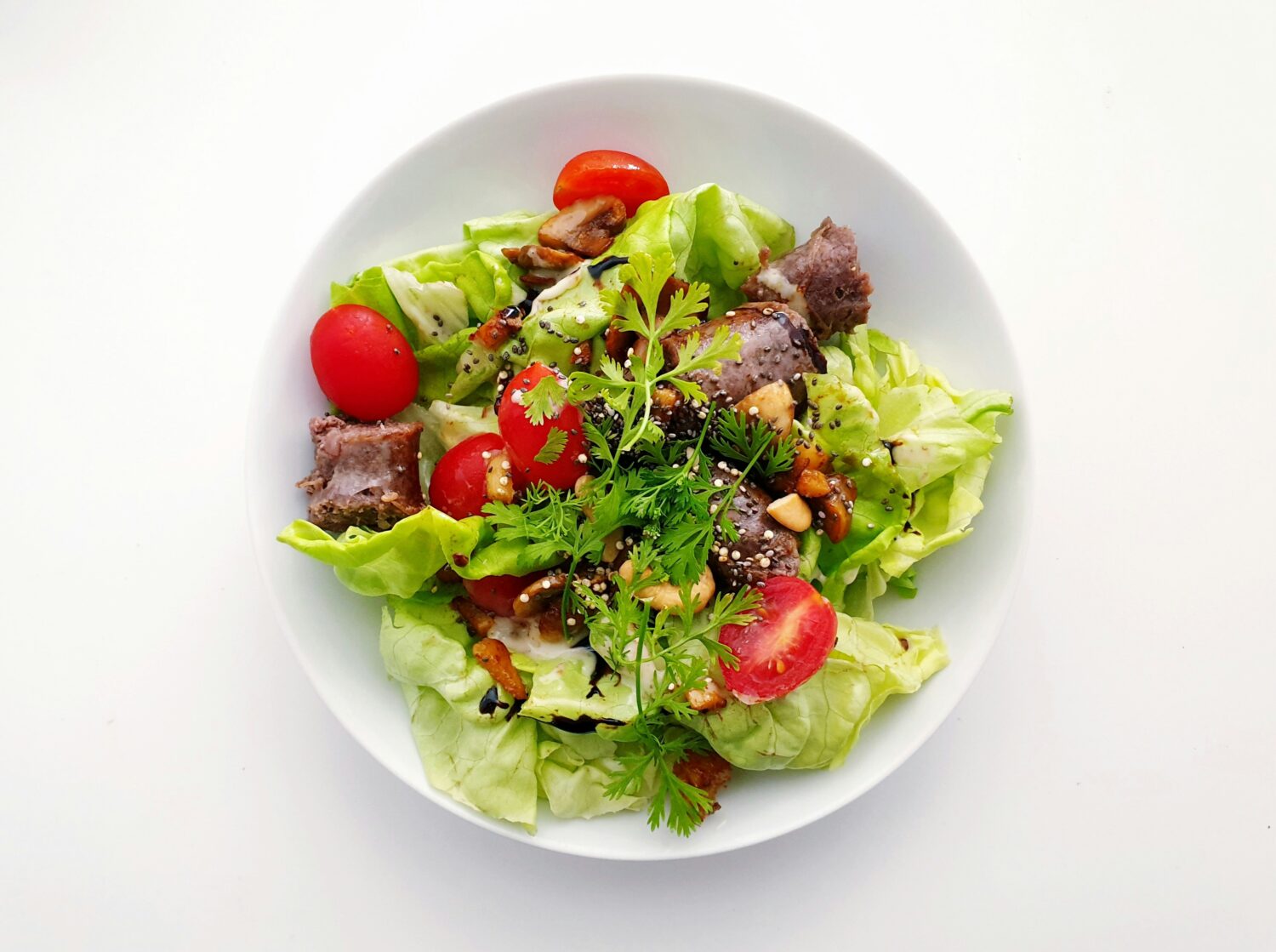
Breakfast at most lodges typically includes fresh fruit, eggs prepared to order, and a spread of proteins that require no adjustment for gluten-free guests, alongside gluten-containing items like toast and pastries that can simply be skipped or substituted with fruit and eggs instead. Lunch and dinner service usually features a mix of grilled meats, fish, salads, and vegetable-based dishes, many of which are naturally gluten-free or easily adapted once the kitchen understands a guest’s needs. Lodges accustomed to hosting international travelers increasingly stock gluten-free bread and pasta alternatives as well, particularly higher-end properties that have invested specifically in accommodating a broader range of dietary requirements among their international guest base.
The Importance of Advance Notice
The single most important step a gluten-free traveler can take before a Uganda safari is communicating dietary needs well ahead of arrival, rather than raising the issue for the first time at the dinner table on the first night. Most lodges and camps require advance notice to properly prepare, particularly for smaller properties in more remote locations where sourcing specific ingredients may require extra lead time. Informing a safari operator of gluten-free requirements at the time of booking allows that information to be passed along to every lodge on the itinerary well before the trip begins, giving kitchens the opportunity to plan menus, source appropriate ingredients, and, where necessary, take steps to reduce the risk of cross-contamination during meal preparation.
Travelers with celiac disease specifically, rather than a general gluten sensitivity, should be explicit about the seriousness of their dietary requirement when communicating with a safari operator. There is a meaningful difference between a kitchen simply omitting bread from a plate and a kitchen taking genuine care to avoid cross-contamination from shared cooking surfaces, utensils, and fryers, and travelers with celiac disease should feel comfortable asking specific questions about how a lodge’s kitchen handles this distinction.
Cross-Contamination Considerations in Remote Kitchens
For travelers managing celiac disease, cross-contamination is often a more pressing concern than simply finding gluten-free menu items. Remote safari lodges, particularly smaller tented camps, often operate with compact kitchens where shared cooking surfaces, cutting boards, and utensils are used across multiple dishes throughout the day. While many lodges accustomed to serving international travelers have grown genuinely skilled at managing this risk, thoughtful travelers should raise the topic directly with their safari operator or with lodge staff upon arrival, asking specifically how the kitchen separates gluten-free preparation from dishes containing wheat, barley, or rye.
Travelers with severe celiac disease or life-threatening gluten sensitivity may want to consider carrying a small supply of trusted gluten-free snacks as a backup, particularly for the more remote stretches of an itinerary or for long days spent on game drives away from a lodge’s dining room. This is a sensible precaution rather than a sign that Uganda’s kitchens cannot be trusted, simply an acknowledgment that even excellent kitchens in remote locations benefit from a traveler having their own reliable backup on hand.
Dining in Kampala and Entebbe
Travelers spending time in Kampala or Entebbe before or after their safari, whether for a night’s rest after a long flight or to explore the capital’s growing food scene, will find considerably more variety and flexibility than in the more remote national park regions. Kampala’s restaurant scene has expanded significantly in recent years, and a number of cafes and international restaurants across the city now offer dedicated gluten-free menu sections, a reflection of the city’s growing expatriate community and increasing culinary sophistication. Entebbe, given its proximity to the airport and its role as a common overnight stop for travelers beginning or ending a safari, similarly offers a reasonable range of restaurants accustomed to accommodating dietary restrictions, particularly those attached to well-reviewed hotels catering to international visitors.
Combining Gluten-Free Needs with Other Dietary Requirements
Gluten-free travelers who also follow other dietary patterns, whether vegetarian, vegan, halal, or kosher, will find that Uganda’s safari lodges are generally well practiced in layering multiple dietary requirements simultaneously, since many international guests arrive with combined needs. A gluten-free vegetarian traveler, for instance, will find Uganda’s naturally plant-forward dishes, bean stews, vegetable curries, roasted sweet potatoes, and matoke, offer substantial variety without needing extensive special preparation. Communicating the full picture of dietary needs to a safari operator at the time of booking, rather than mentioning only one restriction and leaving the rest for lodges to discover along the way, produces the smoothest and most satisfying dining experience across the entire trip.
Bush Breakfasts, Picnics, and Game Drive Meals
One of the most memorable aspects of a Uganda safari is the tradition of bush breakfasts and picnic lunches served in scenic locations away from the main lodge, whether overlooking the Nile at Murchison Falls or set up during a game drive in Queen Elizabeth National Park. These meals require slightly more advance coordination for gluten-free travelers, since food is prepared ahead of time and transported to a remote location rather than cooked to order in a kitchen. Confirming gluten-free requirements with lodge staff the evening before a planned bush breakfast or picnic ensures the kitchen has adequate time to prepare a proper alternative rather than defaulting to whatever is easiest to pack, and most lodges accustomed to hosting international travelers handle this request without difficulty once informed in advance.
Practical Tips for a Smooth Gluten-Free Safari
Gluten-free travelers heading to Uganda should build a few simple habits into their trip planning that pay off considerably once on the ground. Communicating dietary needs clearly and specifically at the time of booking, rather than relying on a general note that might get lost in translation between operator and lodge, gives kitchens the best possible chance to prepare properly. Asking direct questions about cross-contamination practices, particularly for travelers managing celiac disease, ensures expectations are clear on both sides before a single meal is served. Carrying a modest supply of trusted gluten-free snacks provides a helpful buffer for long game drive days or more remote stretches of an itinerary, and staying in touch with lodge staff throughout the trip, rather than assuming initial instructions will be perfectly remembered at every meal, helps maintain consistency across a multi-day, multi-lodge itinerary.
Travelers should also keep in mind that special dietary requests, particularly for rare or highly specific ingredients that may need to be sourced from Kampala or flown in for remote camps, can occasionally involve modest additional costs, a detail worth clarifying with a safari operator during the planning stage so there are no surprises once the bill arrives at the end of the trip.
A Safari Experience Without Compromise
What ultimately makes Uganda such a welcoming destination for gluten-free travelers is the country’s own culinary foundation, built naturally around gluten-free staples long before dietary accommodation became a standard expectation in global travel and hospitality. Combined with a safari lodge industry that has grown increasingly attentive to international guests’ needs, gluten-free travelers can approach a Uganda trip with genuine confidence that meals will be a highlight of the journey rather than a source of ongoing anxiety, leaving full attention for what the trip is really about: gorillas in the mist, lions draped across fig trees, and the thunder of the Nile at Murchison Falls.
Gluten-free travelers planning a Uganda wildlife safari are encouraged to communicate their dietary needs early in the planning process. Visit murchisonfallsparksafari.com to explore tailored itineraries covering Murchison Falls National Park, Queen Elizabeth National Park, and gorilla trekking in Bwindi, with dietary requirements coordinated directly with each lodge well ahead of arrival. For details on trekking logistics and permit requirements, the site’s gorilla trekking page offers further information, and the team is available through the contact page to help build a complete itinerary where every meal, and every moment, is exactly as it should be.