Photography Etiquette Uganda: Asking Permission
Photography is one of the most powerful ways to preserve memories of travel, especially in a destination as visually rich as Uganda. From sweeping savannah landscapes and dramatic waterfalls to intimate wildlife encounters and vibrant cultural scenes, Uganda offers endless opportunities for breathtaking images. However, capturing these moments responsibly requires more than technical skill. It requires respect, awareness, and cultural sensitivity.
Understanding Photography Etiquette Uganda is essential for every traveler, whether visiting national parks, rural communities, cultural sites, or urban areas. Uganda is known for its welcoming people and strong cultural traditions, and photography is often appreciated when done respectfully. At the same time, certain situations require permission, consent, or careful consideration before taking photos.
Ethical photography ensures that travel experiences remain positive for both visitors and local communities. It also protects wildlife, preserves cultural dignity, and strengthens trust between tourists and the people they encounter.
In Uganda’s safari destinations such as Murchison Falls National Park, Queen Elizabeth National Park, Bwindi Impenetrable Forest, and Kibale Forest, photography plays a major role in tourism. However, it must always be done responsibly and within established guidelines.
For travelers planning photography-focused safaris, Murchison Falls Park Safari offers guided experiences that combine wildlife viewing, cultural interaction, and ethical photography opportunities across Uganda’s most iconic landscapes.
Why Photography Etiquette Matters in Uganda
Respecting Photography Etiquette Uganda is important for several reasons. Photography is not just about capturing images; it involves people, wildlife, privacy, and cultural identity.
In many Ugandan communities, photography is welcomed, but consent is expected, especially when photographing individuals, traditional ceremonies, or private spaces. Asking permission is a sign of respect and builds positive interactions between travelers and locals.
In wildlife environments, photography etiquette ensures the safety of both visitors and animals. Approaching wildlife too closely or using intrusive techniques can disturb natural behavior and harm conservation efforts.
Uganda’s tourism industry depends heavily on ethical and sustainable practices. Responsible photography helps maintain trust, supports conservation, and ensures that tourism benefits local communities without exploitation.
Understanding these principles allows travelers to capture meaningful images while contributing positively to the destinations they visit.
Asking Permission Before Photographing People
One of the most important principles of Photography Etiquette Uganda is asking permission before photographing people. Ugandans are generally friendly and open, but not everyone is comfortable being photographed.
Before taking a photo, it is respectful to make eye contact, smile, and ask politely. In many cases, a simple gesture or verbal request is enough to gain consent. When language barriers exist, non-verbal communication such as pointing to a camera and waiting for approval is widely understood.
In rural areas and cultural communities, permission becomes even more important. Some individuals may prefer not to be photographed due to personal, cultural, or religious reasons. Respecting their decision is essential.
When photographing children, permission should always be obtained from parents, guardians, or community leaders. This protects both the child’s dignity and the traveler’s ethical responsibility.
In organized cultural tourism experiences, guides often assist visitors in obtaining permission from community members before photography begins.
Cultural Photography and Respect for Traditions
Uganda’s cultural diversity is one of its greatest strengths, and cultural photography is a major attraction for visitors. However, Photography Etiquette Uganda requires sensitivity when capturing traditional ceremonies, dances, or daily community life.
Certain cultural events may have restrictions on photography, especially during sacred rituals or private ceremonies. In such cases, guides or community leaders will inform visitors about what is allowed.
Traditional attire, dance performances, and craft demonstrations are often open to photography, but it is still respectful to ask before taking close-up images.
In some communities, photography may be associated with storytelling or documentation, so asking permission ensures that images are used respectfully and appropriately.
Cultural photography should aim to represent dignity and authenticity rather than staged or intrusive imagery.
Wildlife Photography Etiquette in Uganda
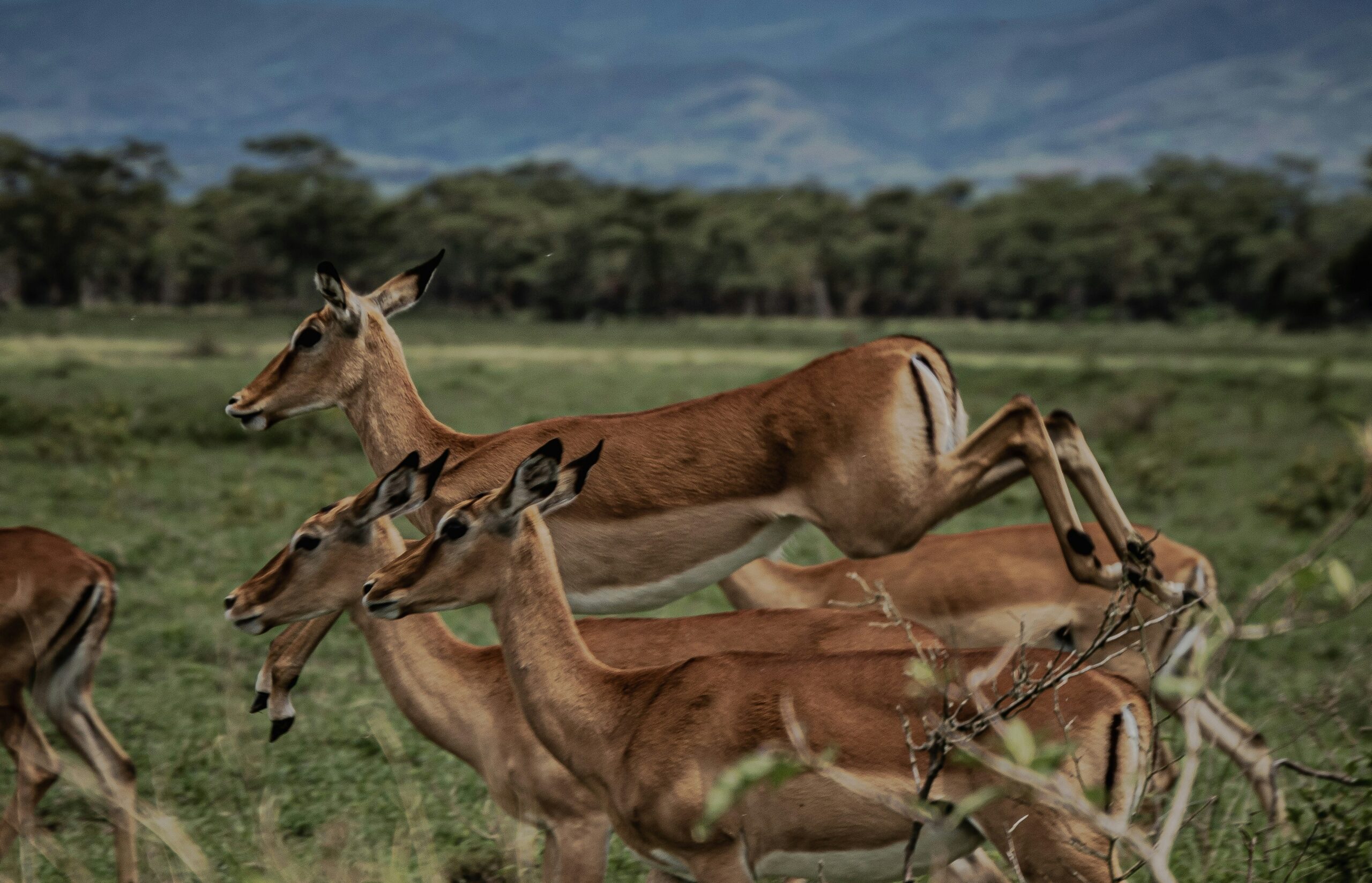
Uganda is one of Africa’s top wildlife photography destinations, making Photography Etiquette Uganda especially important in national parks.
In places like Murchison Falls National Park, Queen Elizabeth National Park, and Bwindi Impenetrable Forest, wildlife photography must always follow park regulations and guide instructions.
Visitors should maintain safe distances from animals and avoid behaviors that may disturb wildlife. Flash photography is generally discouraged, especially near primates such as gorillas and chimpanzees.
During gorilla trekking, strict rules apply. Visitors must maintain a safe distance, avoid direct eye contact with aggressive gestures, and limit movement during photography sessions.
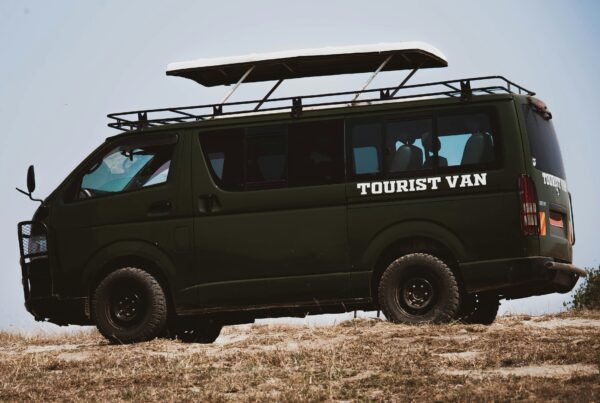
In vehicle-based safaris, travelers are advised to remain inside safari vehicles unless instructed otherwise by guides.
Respecting wildlife ensures both safety and high-quality photographic opportunities, as animals behave naturally when undisturbed.
Photography in Murchison Falls National Park
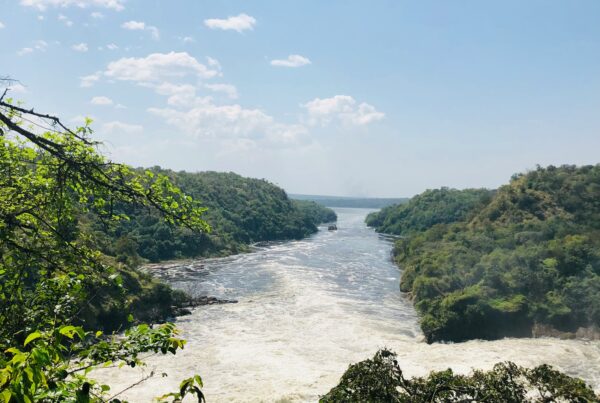
Murchison Falls National Park is one of Uganda’s most photogenic destinations. The combination of the Nile River, dramatic waterfall, savannah plains, and rich wildlife creates endless photography opportunities.
However, Photography Etiquette Uganda still applies within the park environment. Visitors must follow ranger instructions, avoid disturbing animals, and respect protected areas.
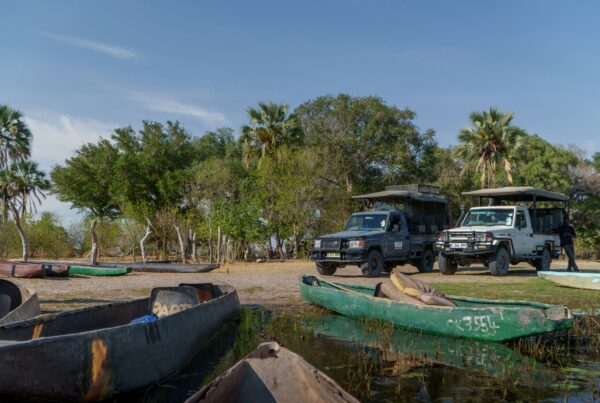
Boat cruises along the Nile provide excellent opportunities for photographing hippos, crocodiles, elephants, and birdlife. Travelers should remain seated and avoid leaning dangerously close to wildlife.
At the top of Murchison Falls, safety guidelines must be followed due to strong water currents and steep cliffs. Guides ensure visitors access safe viewing points for photography.
The park’s golden sunrise and sunset light also create ideal conditions for landscape photography without the need for intrusive behavior.
Ethical Wildlife Photography Practices
Ethical wildlife photography is a key part of Photography Etiquette Uganda. It ensures that animals are not stressed, habitats are not damaged, and conservation efforts are supported.
Photographers should avoid chasing animals, using loud noises, or attempting to alter natural behavior for better shots. Patience is often rewarded with more authentic wildlife moments.
Using long lenses allows photographers to maintain safe distances while still capturing detailed images.
Respecting breeding areas, nesting sites, and restricted zones is essential for conservation.
In Uganda’s national parks, guides are trained to ensure that photography aligns with environmental protection standards.
Photography in Local Communities
Community tourism is an important part of Uganda’s travel experience. Villages near national parks often welcome visitors to learn about daily life, crafts, farming, and cultural traditions.
However, Photography Etiquette Uganda requires visitors to treat these interactions with sensitivity.
Always ask before photographing homes, people working, or private spaces. Some individuals may request a small fee for photography, which should be respected if agreed upon in advance.
Photography should never be used to exploit or misrepresent communities. Instead, it should reflect dignity, authenticity, and cultural appreciation.
When done correctly, community photography supports cultural preservation and creates meaningful travel memories.
Drone Photography Rules in Uganda
Drone usage in Uganda is regulated and requires permission from relevant authorities. Travelers interested in aerial photography must understand that Photography Etiquette Uganda includes legal compliance.
Flying drones without approval is not allowed in national parks and protected areas. Even in permitted zones, strict guidelines apply regarding altitude, safety, and wildlife disturbance.
Travelers should always consult licensed tour operators or park authorities before using drone equipment.
Photography in Lodges and Accommodation Areas
Safari lodges and hotels in Uganda often provide stunning photography opportunities, especially those located near rivers, lakes, or wildlife areas.
However, Photography Etiquette Uganda still applies in private hospitality spaces.
Guests should avoid photographing staff or other visitors without permission. Some lodges may have designated photography areas where guests are encouraged to capture scenic views.
Respecting privacy ensures a comfortable environment for all guests and maintains professional hospitality standards.
Best Practices for Responsible Travel Photography
Responsible photography in Uganda combines creativity with respect. Travelers should prioritize natural behavior, authentic moments, and ethical storytelling.
Keeping interactions respectful, asking permission, and following guide instructions ensures a positive experience for everyone involved.
Using photography as a tool for education and conservation awareness also enhances its value beyond personal memory.
Why Uganda Is a Photographer’s Paradise
Uganda is one of Africa’s most rewarding destinations for photography. Its diversity of landscapes, wildlife, and cultures creates endless visual opportunities.
From gorilla trekking in Bwindi to wildlife safaris in Murchison Falls, Uganda offers unmatched photographic variety.
However, the true beauty of Uganda is best captured when photographers respect Photography Etiquette Uganda and engage with destinations ethically.
Planning a Photography Safari in Uganda
A well-planned photography safari ensures access to the best light conditions, wildlife locations, and cultural experiences.
Professional guides help photographers position safely, understand animal behavior, and maximize shooting opportunities.
Private safaris are especially ideal for photography-focused travelers because they allow flexibility in timing and location.
With expert planning, Uganda becomes one of the most rewarding photography destinations in Africa.
Conclusion
Understanding Photography Etiquette Uganda is essential for every traveler who wants to capture meaningful and respectful images. Whether photographing wildlife in Murchison Falls National Park, cultural communities in rural villages, or gorillas in Bwindi Forest, ethical photography ensures positive experiences for both visitors and locals.
Asking permission, respecting privacy, and following conservation rules transforms photography into a responsible and rewarding part of travel.
Uganda’s beauty is best captured not only through the lens but also through respect, patience, and cultural understanding.
To experience guided photography safaris across Uganda’s most iconic landscapes, visit Murchison falls park safari.