Queen Elizabeth National Park Chimpanzee Tracking
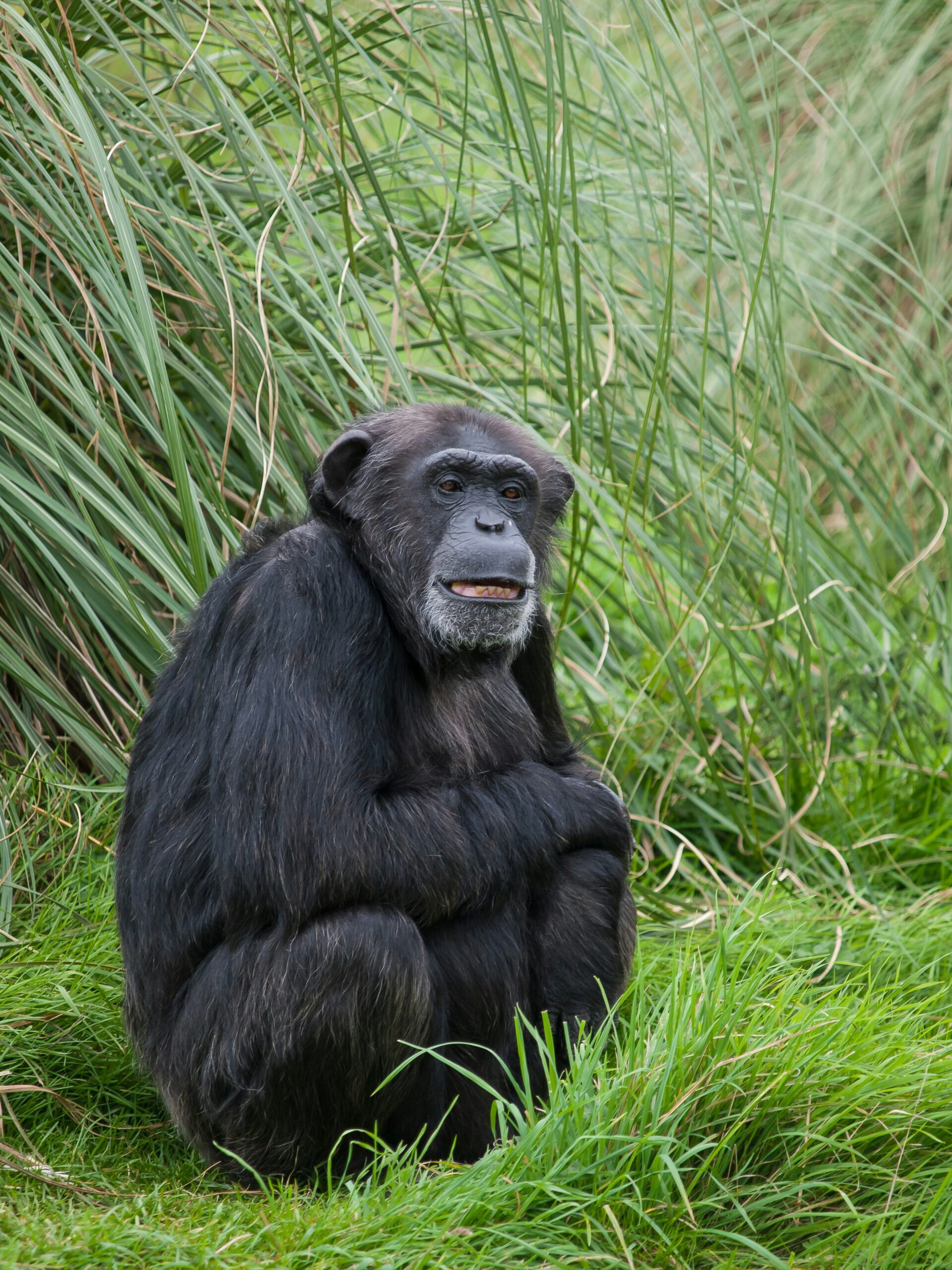
Queen Elizabeth National Park chimpanzee tracking is one of Uganda’s most rewarding primate experiences, offering travelers a rare opportunity to observe wild chimpanzees in their natural habitat. While the park is globally known for tree-climbing lions in Ishasha and classic savannah game drives, its Kyambura Gorge and nearby Kalinzu Forest Reserve provide exceptional chimpanzee trekking experiences that complete its biodiversity profile.
Unlike gorilla trekking, chimpanzee tracking is more dynamic and fast-paced. Chimps move quickly through forest canopies, communicate loudly through vocalizations, and display complex social behaviors that make every encounter unique. In Queen Elizabeth National Park, this experience is even more dramatic due to the contrasting landscapes of open savannah and deep forest ravines.
For travelers exploring Uganda’s safari circuit, chimpanzee tracking in Queen Elizabeth National Park adds a powerful primate dimension to an already diverse destination that includes elephants, buffaloes, hippos, crocodiles, lions, and over 600 bird species.
Understanding Chimpanzee Tracking in Queen Elizabeth National Park
Chimpanzee tracking in Queen Elizabeth National Park primarily takes place in two key locations: the famous Kyambura Gorge and the nearby Kalinzu Forest Reserve. These forest ecosystems sit within or adjacent to the park, creating a unique blend of savannah and tropical rainforest habitats.
The Kyambura Gorge, often referred to as the “Valley of Apes,” is a dramatic underground forest carved into the savannah landscape. It stretches approximately 16 kilometers long and reaches depths of over 100 meters in some areas. This isolated forest is home to a small but habituated group of chimpanzees.
Kalinzu Forest Reserve, located just outside the park boundary, hosts a larger and more stable population of chimpanzees, making it one of the most reliable chimp trekking destinations in Uganda.
Together, these sites make Queen Elizabeth National Park chimpanzee tracking a unique combination of scenery, biodiversity, and primate behavior.
Kyambura Gorge: The Valley of Apes
Kyambura Gorge is one of the most spectacular landscapes in Uganda. From the savannah above, the ground suddenly drops into a deep green chasm filled with dense tropical forest, streams, and thick vegetation.
This isolated ecosystem is home to a small community of chimpanzees that have adapted to the unique environment. Tracking them here is more challenging compared to other forests because of the steep terrain and dense vegetation.
The experience begins with a descent into the gorge, guided by trained rangers who interpret signs such as nests, vocalizations, and feeding remains. Once located, chimpanzees can be observed feeding, grooming, resting, and communicating through loud calls and gestures.
Although sightings are not always guaranteed in Kyambura Gorge due to the small population size, the experience is highly rewarding because of the dramatic landscape and sense of adventure.
Kalinzu Forest Reserve: More Reliable Chimpanzee Encounters
Kalinzu Forest Reserve offers a more consistent chimpanzee tracking experience compared to Kyambura Gorge. The forest covers approximately 137 square kilometers and is home to over 300 chimpanzees, although not all groups are habituated for tourism.
Visitors typically have a higher success rate of encountering chimpanzees in Kalinzu due to the larger population and easier terrain.
The forest is rich in biodiversity, with towering trees, dense undergrowth, and a wide variety of bird species and butterflies. Chimpanzee tracking here often involves longer forest walks, but sightings tend to be more frequent and extended.
For many travelers, Kalinzu provides the most reliable chimpanzee experience when visiting Queen Elizabeth National Park.
What to Expect During Chimpanzee Tracking
Chimpanzee tracking in Queen Elizabeth National Park begins early in the morning with a briefing from Uganda Wildlife Authority rangers. Visitors are then grouped into small teams and guided into the forest.
The search for chimpanzees involves following vocal calls, broken branches, nests, and fresh feeding signs. Unlike gorilla trekking, chimpanzees move quickly and can change direction frequently, making the tracking process more dynamic.
Once located, visitors are allowed to spend a limited time observing the chimpanzees. During this time, it is possible to witness grooming behavior, feeding patterns, play among juveniles, and complex social interactions.
The experience is often loud, energetic, and unpredictable, offering a deeper understanding of primate behavior in the wild.
Best Time for Chimpanzee Tracking
The best time for Queen Elizabeth National Park chimpanzee tracking is during the dry seasons from June to September and December to February. During these months, forest trails are more accessible, and chimpanzees are easier to track as they move in search of food sources.
Wet seasons can make trekking more challenging due to muddy trails, but they also offer lush forest scenery and fewer visitors.
Chimpanzee behavior remains consistent throughout the year, but accessibility and comfort are generally better during dry months.
Wildlife Beyond Chimpanzees
While chimpanzee tracking is a highlight, Queen Elizabeth National Park offers a wide range of wildlife experiences that complement the primate encounter.
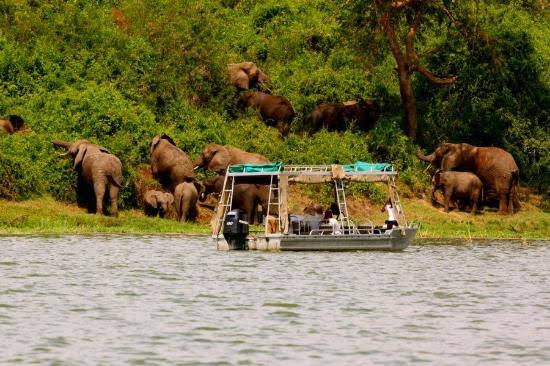
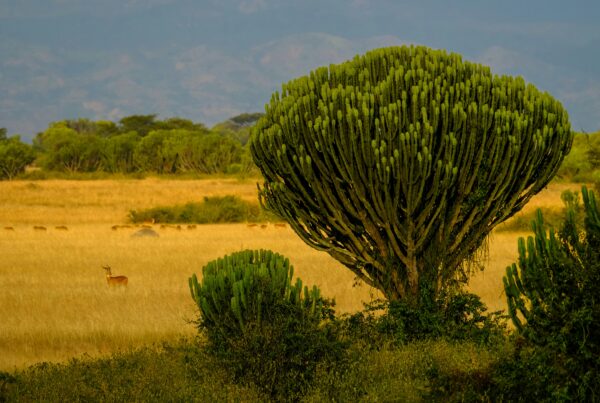
Game drives across the Kasenyi plains reveal lions, elephants, buffaloes, Uganda kob, and hyenas. The Ishasha sector is famous for its tree-climbing lions, while boat cruises on the Kazinga Channel offer close-up views of hippos, crocodiles, and large concentrations of water birds.
This combination of savannah, wetland, and forest ecosystems makes Queen Elizabeth one of the most biodiverse national parks in Africa.
Chimpanzee Tracking vs Gorilla Trekking
Many travelers compare chimpanzee tracking in Queen Elizabeth National Park with gorilla trekking in Bwindi Impenetrable Forest.
Chimpanzee tracking is generally faster-paced, with more movement and louder social interactions. Chimps are highly vocal and active, making encounters energetic and dynamic.
Gorilla trekking, on the other hand, is slower and more peaceful, with gorilla families often remaining in one location for longer periods.
Both experiences are valuable, but chimpanzee tracking offers a more fast-moving and unpredictable primate encounter.
Accessibility and Safari Connections
Queen Elizabeth National Park chimpanzee tracking is easily combined with other Uganda safari destinations. The park is located in western Uganda and can be accessed by road from Kampala in approximately 6–7 hours.
It is also strategically positioned between Kibale National Park, Bwindi Impenetrable Forest, and Murchison Falls National Park, making it a key stop on multi-park safari itineraries.
Many travelers include Queen Elizabeth National Park as part of a longer circuit that includes chimpanzee tracking, game drives, boat cruises, and gorilla trekking.
At Murchison Falls Park Safari, we design tailored itineraries that integrate Queen Elizabeth with other major safari destinations in Uganda for a complete wildlife experience.
Accommodation Options
Accommodation around Queen Elizabeth National Park chimpanzee tracking areas ranges from luxury safari lodges to midrange eco-lodges.
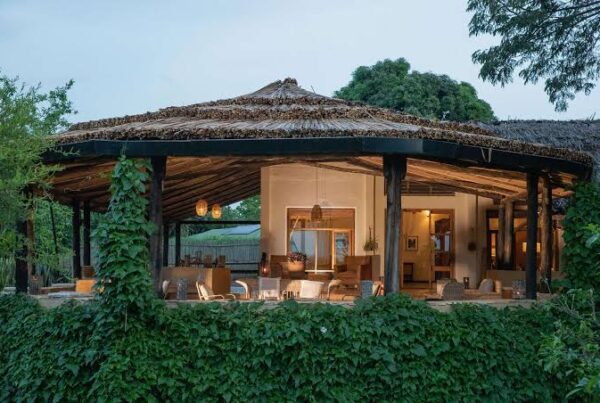
Lodges near Kyambura Gorge and Kasenyi Plains offer easy access to chimpanzee tracking and game drive areas. Properties such as Mweya Safari Lodge, Kyambura Gorge Lodge, and Ishasha Wilderness Camp provide scenic views and comfortable safari stays.
Kalinzu Forest accommodations are more limited, but nearby lodges in the Rubirizi and Ishaka areas offer convenient access.
Conservation and Chimpanzee Protection
Chimpanzees in Queen Elizabeth National Park are protected under Uganda Wildlife Authority conservation programs. These efforts focus on habitat protection, anti-poaching patrols, and community engagement.
Kyambura Gorge chimpanzees are particularly vulnerable due to their small population size, making conservation efforts critical.
Tourism plays an important role in funding conservation and promoting awareness about primate protection.
Why Chimpanzee Tracking in Queen Elizabeth Is Unique
What makes Queen Elizabeth National Park chimpanzee tracking unique is the combination of landscapes. Few places in Africa allow visitors to experience chimpanzees in a deep forest gorge while also seeing lions, elephants, and hippos within the same park.
The contrast between savannah and rainforest ecosystems creates a rare ecological diversity that enhances the overall safari experience.
This makes Queen Elizabeth one of Uganda’s most complete wildlife destinations.
Combining Queen Elizabeth with Other Uganda Safaris
Chimpanzee tracking in Queen Elizabeth is often combined with other major safari experiences such as Murchison Falls National Park, Bwindi Impenetrable Forest gorilla trekking, and Kibale National Park chimpanzee trekking.
This allows travelers to experience Uganda’s full primate and savannah diversity in one journey.
At Murchison falls park safari, we offer customized itineraries that combine these destinations into seamless safari experiences.
Final Thoughts
Queen Elizabeth National Park chimpanzee tracking is a remarkable primate experience that combines dramatic landscapes, rich biodiversity, and exciting wildlife encounters. Whether exploring the deep Kyambura Gorge or the dense Kalinzu Forest, visitors gain a deeper understanding of chimpanzee behavior in one of Uganda’s most diverse ecosystems.
When combined with game drives, boat cruises, and other safari experiences, Queen Elizabeth National Park becomes a cornerstone of any Uganda safari itinerary.