Semuliki National Park: Uganda’s Hidden Treasure
Tucked away in the remote western corner of Uganda, Semuliki National Park remains one of the country’s most fascinating yet least visited protected areas. Often overshadowed by more famous parks such as Murchison Falls, Queen Elizabeth, and Bwindi, Semuliki quietly preserves one of the richest and most ancient lowland tropical forests in East Africa.
This untouched ecosystem forms part of the larger Congo Basin forest system, making it ecologically distinct from most Ugandan parks, which are typically savannah-based. What makes Semuliki National Park truly special is its deep rainforest environment, unique hot springs, rare bird species, and wildlife that is more typical of Central Africa than East Africa.
For travelers seeking raw wilderness, rich biodiversity, and fewer crowds, Semuliki offers a safari experience that feels completely different from the rest of Uganda.
The Untouched Rainforest of Semuliki National Park
At the heart of Semuliki National Park lies one of Africa’s oldest surviving rainforests. This forest is believed to have remained largely unchanged for thousands of years, surviving climatic shifts that transformed surrounding ecosystems.
Unlike Uganda’s savannah parks, Semuliki is dominated by dense, humid lowland tropical forest. The canopy is thick, the air is moist, and sunlight filters through in soft green tones. This environment creates a habitat for species that are rarely seen elsewhere in Uganda.
Walking through Semuliki feels like entering another ecological world. The forest is alive with insects, birds, primates, and a constant chorus of natural sounds. For many visitors, it is one of the most immersive rainforest experiences in East Africa.
Location and Accessibility of Semuliki National Park
Semuliki National Park is located in Bundibugyo District in western Uganda, near the border with the Democratic Republic of Congo. The park sits within the Albertine Rift Valley, a region known for its exceptional biodiversity and geological activity.
Traveling to Semuliki typically takes around 6–8 hours by road from Kampala. The journey passes through Fort Portal, a scenic town surrounded by crater lakes and the Rwenzori Mountains. Many travelers combine Semuliki with Rwenzori trekking or Queen Elizabeth National Park due to their proximity.
Despite its remote location, the park is accessible year-round, and its isolation is part of what makes it so pristine and undisturbed.
Sempaya Hot Springs: The Iconic Attraction
One of the most famous highlights of Semuliki National Park is the Sempaya Hot Springs, a geothermal wonder hidden within the forest.
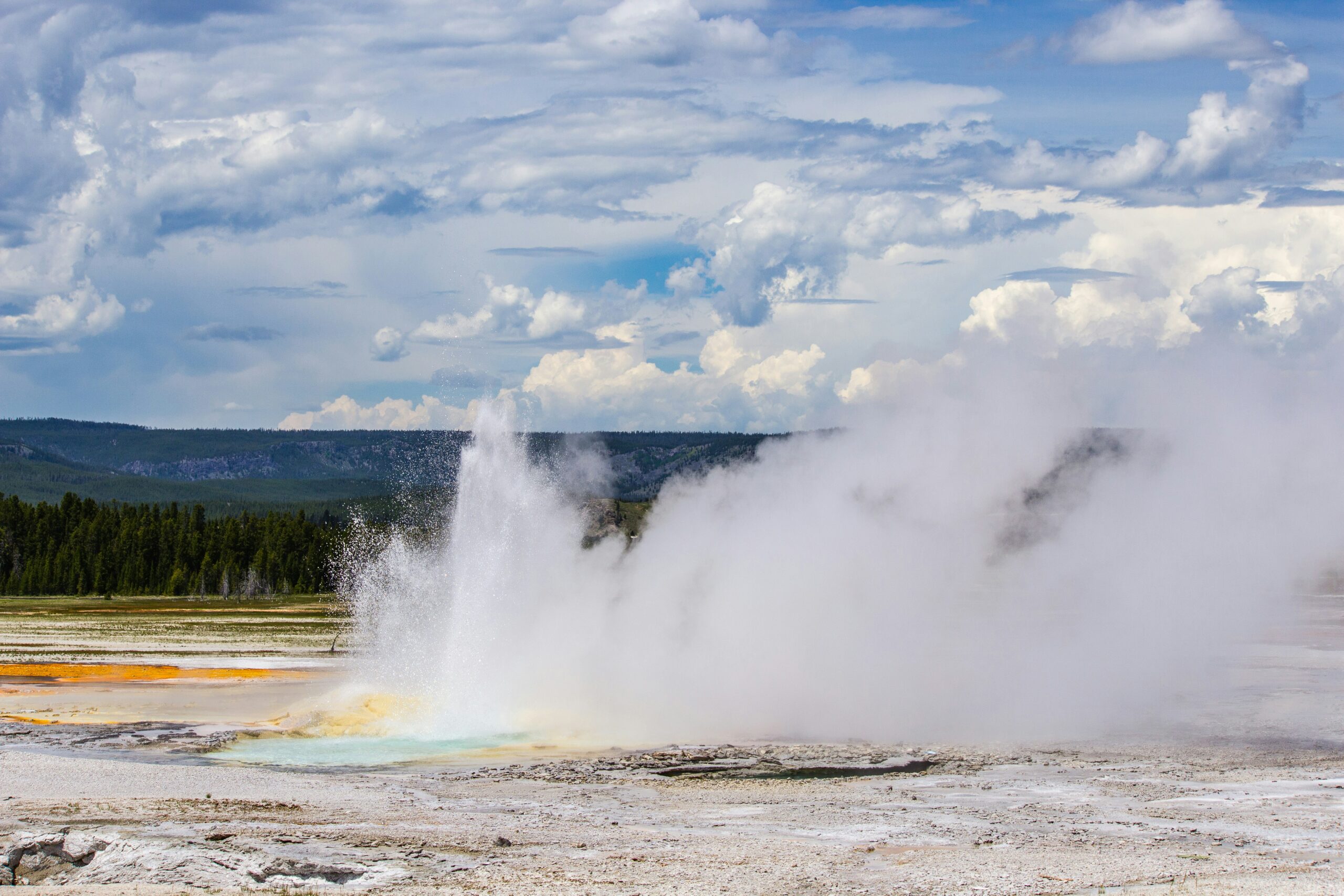
The hot springs are divided into two main sites: the female hot spring (Nyasimbi) and the male hot spring (Bintente). The female spring is particularly dramatic, with boiling water erupting from a deep crater-like pool, producing steam that rises through the forest canopy.
Visitors can walk along wooden boardwalks through the swampy forest to reach the springs. The surrounding vegetation is lush, and the atmosphere is filled with the sound of bubbling water and chirping forest birds.
The springs are not only a geological attraction but also hold cultural significance for local communities, who regard them as sacred sites.
A visit to Sempaya Hot Springs is a core experience of any Semuliki National Park safari and remains one of Uganda’s most unique natural wonders.
Wildlife in Semuliki National Park
Although Semuliki is not known for large herds of savannah wildlife, it hosts an impressive range of forest species that are more typical of Central Africa.
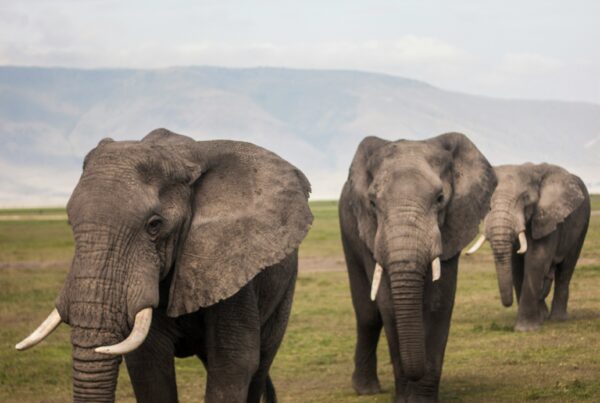
The park is home to forest elephants, although they are shy and rarely seen. Other mammals include pygmy antelopes, buffaloes, bush babies, flying squirrels, and various primates such as De Brazza’s monkeys, black-and-white colobus monkeys, and olive baboons.
Nocturnal species are especially active in Semuliki, making night walks and night drives a rewarding experience for adventurous travelers.
Because of its dense vegetation, wildlife viewing often requires patience and a good guide. However, the rarity of the species makes encounters even more special.
Birdwatching Paradise in Uganda’s Lowland Forest
One of the strongest attractions of Semuliki National Park is its exceptional birdlife. The park is considered one of Uganda’s premier birding destinations, hosting over 440 recorded bird species.
Many of these birds are West African lowland forest species that are not found anywhere else in East Africa. This makes Semuliki a key destination for serious birdwatchers.
Notable species include the white-crested hornbill, Nkulengu rail, black-wattled hornbill, Congo serpent eagle, and the rare piping hornbill. The elusive shoebill stork may also be spotted in nearby wetlands.
Birding in Semuliki is best done early in the morning when the forest is most active. Guided birding walks offer opportunities to spot species that are difficult to find elsewhere in Uganda.
For birding enthusiasts, Semuliki birding safaris provide a truly unique and specialized wildlife experience.
Cultural Encounters Around Semuliki
The communities surrounding Semuliki National Park add a rich cultural dimension to any visit. The Bakonzo, Bamba, and Batwa (pygmy) communities have lived in the region for generations and maintain strong cultural traditions.
Cultural visits often include traditional dance performances, storytelling, local crafts, and insights into forest-based livelihoods. The Batwa experience, in particular, offers a powerful perspective on indigenous forest life and traditional survival skills.
These cultural interactions help connect visitors with the human heritage of the region and support local community development initiatives.
Activities in Semuliki National Park
A Semuliki National Park safari offers a variety of activities beyond wildlife viewing.
Forest walks are among the most popular experiences, allowing visitors to explore trails through dense rainforest while learning about plants, insects, and animal behavior.
Night walks and night drives reveal a completely different side of the forest, with nocturnal species becoming active after sunset.
Birdwatching is a major activity, while visits to the hot springs remain a must for all travelers.
For photographers, Semuliki offers excellent opportunities to capture moody rainforest scenes, steam rising from hot springs, and rare bird species in natural habitats.
Best Time to Visit Semuliki National Park
Semuliki National Park can be visited throughout the year, but the dry seasons from June to August and December to February are generally more comfortable for travel and forest walks.
However, because it is a rainforest environment, the park experiences rainfall throughout the year. Even during dry seasons, the forest remains lush and humid.
The wet seasons bring even greener landscapes and higher bird activity, making them ideal for dedicated birdwatchers.
Visitors should always be prepared for sudden rain showers regardless of the season.
Accommodation Options Near Semuliki National Park
Accommodation around Semuliki National Park ranges from midrange lodges to comfortable eco-lodges located near Fort Portal and Bundibugyo.
Many travelers choose to stay in Fort Portal due to its wider selection of lodges and its proximity to other attractions such as crater lakes and Kibale Forest National Park.
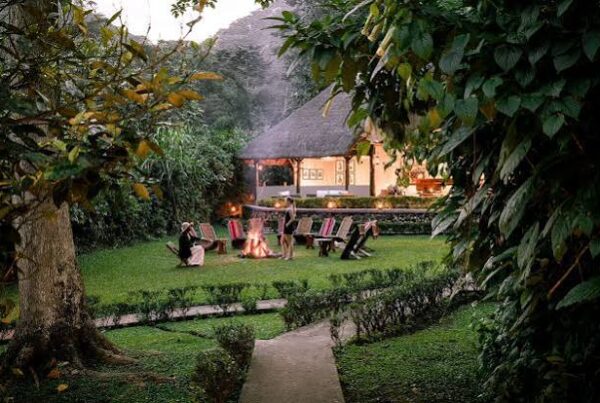
Lodges in the region often offer scenic views of the Rwenzori Mountains, forest surroundings, and cultural village settings.
Accommodation options typically include guided activities such as nature walks, birding excursions, and cultural experiences.
Semuliki and the Albertine Rift Ecosystem
One of the most important ecological features of Semuliki National Park is its location within the Albertine Rift, one of Africa’s most biodiverse regions.
This area is known for high levels of endemism, meaning many species are found nowhere else in the world. The park’s connection to the Congo Basin also contributes to its unique ecological composition.
Semuliki plays a crucial role in conserving lowland tropical forest species that are increasingly threatened elsewhere due to deforestation and habitat loss.
Conservation efforts in the park help protect both wildlife and the broader ecosystem that supports surrounding communities.
Why Semuliki National Park Is a Hidden Treasure
Unlike Uganda’s more famous safari destinations, Semuliki National Park remains relatively undiscovered by mainstream tourism. This low visitor density allows for a more intimate and authentic wilderness experience.
The combination of rainforest, hot springs, rare wildlife, and cultural richness makes it one of Uganda’s most diverse yet underappreciated parks.
For travelers seeking something beyond traditional game drives, Semuliki offers a deeper connection to nature and a different perspective on Uganda’s ecological diversity.
It is a destination where silence, mystery, and biodiversity come together in a truly unique way.
Combining Semuliki with Uganda Safari Circuits
Semuliki is ideally positioned for combination safaris across western Uganda. Many travelers include it in itineraries alongside:
Kibale Forest National Park
Famous for chimpanzee trekking and primate tracking experiences.
Queen Elizabeth National Park
Known for tree-climbing lions, boat cruises, and Big Five wildlife encounters.
Rwenzori Mountains National Park
A trekking destination offering alpine scenery and challenging mountain climbs.
Murchison Falls National Park
Uganda’s largest park featuring the Nile River, waterfalls, and classic savannah safaris.
Combining Semuliki with these destinations creates a well-rounded Uganda safari experience that includes rainforest, mountains, and savannah ecosystems.
Conservation Importance of Semuliki National Park
Semuliki National Park plays a vital role in conserving Uganda’s lowland rainforest ecosystem. The park protects rare species, maintains ecological balance, and supports water catchment systems for surrounding communities.
Tourism contributes directly to conservation by funding park management and supporting local livelihoods. Responsible travel practices help preserve this fragile environment for future generations.
Visitors are encouraged to respect wildlife, stay on designated trails, and support eco-friendly tourism initiatives.
Planning Your Semuliki Safari
A well-planned Semuliki National Park safari typically includes forest walks, hot springs visits, birding excursions, and cultural experiences. Most visitors spend one to two days in the park, often as part of a longer western Uganda itinerary.
Travelers are advised to book with experienced safari operators familiar with forest logistics, guiding services, and regional connections.
At Murchison Falls Park Safari, we design customized Uganda itineraries that combine Semuliki National Park with wildlife safaris, primate tracking, and adventure experiences across Uganda.
Conclusion
Semuliki National Park remains one of Uganda’s most underrated safari destinations. Its ancient rainforest, rare wildlife, birding diversity, and geothermal hot springs create a safari experience unlike anywhere else in East Africa.
For travelers seeking untouched wilderness, cultural depth, and ecological uniqueness, Semuliki stands as a true hidden treasure.
Whether explored on its own or combined with Uganda’s major safari circuits, the park offers an unforgettable journey into one of Africa’s oldest and most mysterious ecosystems.