Staying Safe from Wildlife on Uganda Safari
A safari in Uganda is one of Africa’s most rewarding travel experiences, offering unforgettable encounters with mountain gorillas, elephants, lions, giraffes, buffaloes, chimpanzees, hippos, crocodiles, and hundreds of bird species. From the thunderous waters of Murchison Falls National Park to the ancient rainforests of Bwindi Impenetrable National Park, Uganda’s protected areas provide extraordinary opportunities to observe wildlife in its natural habitat.
While these experiences are exciting, they also require respect for nature and an understanding of how to behave around wild animals. Unlike zoos or wildlife parks with enclosed exhibits, Uganda’s national parks are natural ecosystems where animals roam freely. Every safari is carefully designed to prioritize both visitor safety and wildlife conservation, making it possible to enjoy close encounters without disturbing the animals or putting yourself at unnecessary risk.
The good news is that Uganda has an excellent safety record for wildlife tourism. Uganda Wildlife Authority rangers, professional safari guides, lodge staff, and experienced trackers follow strict safety procedures that allow thousands of visitors to explore the country’s national parks every year without incident. By following their instructions and observing a few practical guidelines, you can confidently enjoy every moment of your adventure.
This guide explains everything you need to know about Staying Safe from Wildlife on Uganda Safari, whether you are joining a game drive, boat cruise, gorilla trek, chimpanzee tracking excursion, guided nature walk, birdwatching tour, or cultural visit near one of Uganda’s protected areas.
Why Wildlife Safety Matters
Wild animals behave according to natural instincts rather than predictable routines. Although many species appear calm, they can react quickly if they feel threatened, surprised, or cornered. Respecting their space allows them to continue their normal activities while ensuring visitors remain safe.
Uganda’s tourism industry places great emphasis on responsible wildlife viewing. Safari guides undergo extensive training to understand animal behavior, identify warning signs, and position vehicles appropriately during wildlife encounters. Rangers continuously monitor visitor activities within national parks to ensure established regulations are followed.
Understanding Staying Safe from Wildlife on Uganda Safari is not about creating fear. Instead, it encourages responsible travel that protects both visitors and the incredible animals that make Uganda one of Africa’s leading safari destinations.
Always Follow Your Safari Guide’s Instructions
One of the most important safety rules on any Uganda safari is listening carefully to your guide.
Professional safari guides spend years learning about wildlife behavior, park regulations, seasonal changes, and emergency procedures. They understand how animals respond to vehicles, people, weather conditions, and surrounding environments.
If your guide asks you to remain seated, lower your voice, avoid sudden movements, or stay inside the vehicle, those instructions are based on experience and designed to protect everyone involved.
Trusting your guide allows you to relax and fully enjoy your safari while benefiting from their expert knowledge.
Staying Safe During Game Drives
Game drives remain the most popular safari activity in Uganda, particularly in Murchison Falls National Park, Queen Elizabeth National Park, Lake Mburo National Park, and Kidepo Valley National Park.
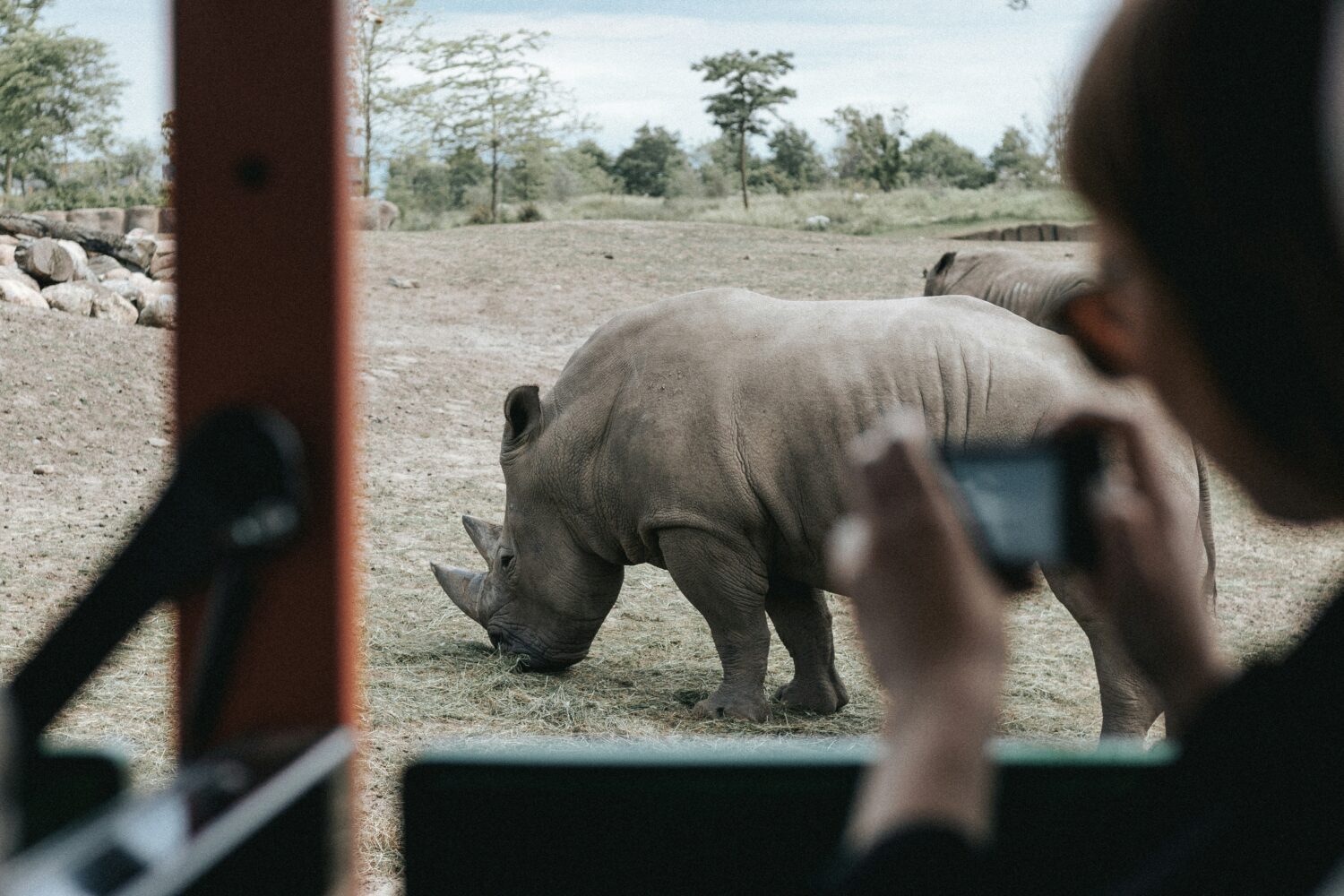
Safari vehicles are specially designed to allow excellent wildlife viewing while providing a secure environment for visitors. Animals have become accustomed to these vehicles and generally regard them as non-threatening objects.
For this reason, guests should remain inside the vehicle unless the guide specifically indicates that it is safe to exit at a designated location.
Standing suddenly, leaning too far outside the vehicle, or attempting to approach wildlife on foot can alter an animal’s perception of the situation and increase unnecessary risk.
Maintaining calm behavior allows wildlife encounters to remain peaceful for both visitors and animals.
Keeping a Safe Distance from Wildlife
One of the greatest principles of responsible safari travel is respecting an animal’s personal space.
Although modern camera equipment makes close-up photography possible, visitors should never pressure guides to drive too close to wildlife simply for better photographs.
Professional guides understand appropriate viewing distances for each species. They position vehicles to maximize observation while minimizing disturbance.
Large mammals such as elephants, buffaloes, lions, and leopards deserve particular respect because they possess tremendous strength and unpredictable behavior if they feel threatened.
Observing wildlife from a safe distance often produces more natural behavior and better photographic opportunities.
Understanding Elephant Behavior
Elephants are among Uganda’s most intelligent and fascinating animals. They also deserve considerable respect because of their size and protective instincts.
Most elephants ignore safari vehicles as they continue feeding, walking, or interacting with their families. Occasionally, however, they may display warning behaviors if they perceive danger.
Your guide carefully watches for changes in posture, ear position, trunk movement, vocalizations, and body language that indicate an elephant may be uncomfortable.
Allowing elephants plenty of space and avoiding unnecessary noise helps ensure peaceful encounters throughout your safari.
Buffaloes Require Respect
African buffaloes often appear calm while grazing across Uganda’s savannahs, but they are considered one of Africa’s most dangerous wild animals when threatened.
For this reason, guides maintain appropriate viewing distances and avoid placing vehicles in situations where buffaloes may feel trapped or startled.
Visitors should never attempt to approach buffaloes on foot or leave designated areas without permission.
Remaining inside the safari vehicle provides excellent viewing while maintaining complete safety.
Safe Encounters with Lions and Leopards
Seeing lions or leopards in the wild ranks among the highlights of any Uganda safari.
Predators generally pay little attention to safari vehicles, allowing visitors to observe fascinating behaviors such as hunting, resting, grooming, or caring for cubs.
Guests should avoid loud conversations, sudden movements, or attempts to attract the animals’ attention for photographs.
Allowing predators to behave naturally creates more authentic wildlife experiences while supporting responsible tourism practices.
Gorilla Trekking Safety Guidelines
Mountain gorilla trekking in Bwindi Impenetrable National Park and Mgahinga Gorilla National Park follows some of the strictest wildlife viewing regulations in Africa.
Each habituated gorilla family receives only one visitor group per day, with a maximum of eight participants spending one hour in the gorillas’ presence.
Before entering the forest, Uganda Wildlife Authority rangers provide a detailed briefing explaining how to behave around gorillas.
Visitors should maintain the recommended viewing distance whenever possible, avoid direct eye contact with dominant silverbacks, speak quietly, and never attempt to touch the gorillas.
If a gorilla approaches you, remain calm and follow your ranger’s instructions. These magnificent primates are naturally curious and often continue their activities without incident when visitors remain relaxed.
Because gorillas share much of their DNA with humans, anyone feeling unwell should postpone trekking to reduce the risk of transmitting illness.
Chimpanzee Tracking Safety
Chimpanzees are energetic, intelligent, and highly social primates.
Unlike gorillas, chimpanzees move quickly through the forest canopy and communicate loudly using calls, drumming, and vocalizations.
Visitors tracking chimpanzees in Kibale National Park or Budongo Forest should remain with their guide at all times and avoid attempting to follow individual animals independently.
Quiet observation allows the chimpanzees to behave naturally while minimizing stress on the animals.
Staying Safe During Boat Safaris
Boat cruises along the Victoria Nile in Murchison Falls National Park provide exceptional opportunities to observe hippos, crocodiles, elephants, buffaloes, and countless bird species.
Passengers should remain seated whenever instructed by the boat captain and avoid leaning over the sides of the vessel.
Although hippos may appear relaxed while resting in the water, they remain highly territorial. Boat captains understand how to navigate safely around hippo pods while providing excellent viewing opportunities.
Crocodiles should always be observed from the safety of the boat, as they are powerful predators perfectly adapted to river environments.
Nature Walk Safety
Guided nature walks offer a unique opportunity to experience Uganda’s ecosystems on foot.
Unlike independent hiking, every walking safari takes place under the supervision of armed Uganda Wildlife Authority rangers who continuously assess wildlife activity.
Participants should walk quietly, remain together as a group, and avoid wandering away from the designated trail.
Comfortable walking shoes, neutral-colored clothing, and careful attention to your guide’s instructions contribute significantly to a safe and enjoyable experience.
Do Not Feed Wildlife
Feeding wild animals is prohibited throughout Uganda’s national parks.
Human food can negatively affect animal health, alter natural behavior, and encourage wildlife to associate people with food.
Animals that become accustomed to receiving food from visitors may lose their natural fear of humans, increasing the likelihood of dangerous encounters.
Keeping all food securely stored inside vehicles or designated picnic areas helps protect both wildlife and visitors.
Respect Park Rules and Regulations
Every regulation within Uganda’s national parks exists for an important reason.
Speed limits reduce the risk of collisions with wildlife crossing roads. Designated picnic sites minimize unnecessary disturbance to animals. Restricted areas protect sensitive habitats and breeding grounds.
Following these regulations ensures every visitor enjoys a safe experience while supporting long-term conservation efforts.
Nighttime Safety at Safari Lodges
Many safari lodges in Uganda are located within or near protected wildlife areas, allowing animals to move freely through the surrounding landscape.
It is not uncommon for elephants, buffaloes, bushbucks, warthogs, or hippos to pass near lodge grounds after dark.
Guests should avoid walking alone at night unless accompanied by lodge staff. Most lodges provide escorts between guest rooms, restaurants, and reception areas whenever necessary.
Listening to staff guidance helps visitors enjoy the unique experience of sharing the landscape with wildlife while remaining completely safe.
What to Do if You Encounter Wildlife Unexpectedly
Although unexpected wildlife encounters are uncommon, remaining calm is always the best response.
Avoid running, shouting, or making sudden movements. Instead, follow the instructions of your guide or ranger, who will assess the situation and determine the safest course of action.
Wild animals generally prefer to avoid unnecessary conflict and often continue on their way when people remain calm and respectful.
Travel with a Reputable Safari Operator
One of the most effective ways to ensure Staying Safe from Wildlife on Uganda Safari is choosing an experienced and licensed safari company.
Professional operators maintain well-equipped vehicles, employ knowledgeable guides, follow Uganda Wildlife Authority regulations, and prioritize visitor safety throughout every itinerary.
Experienced guides not only enhance wildlife viewing but also provide valuable education about animal behavior, conservation, and responsible tourism.
Wildlife Safety Enhances the Safari Experience
Understanding wildlife safety does not reduce the excitement of a safari. Instead, it allows visitors to appreciate animals in their natural environment with greater confidence and respect.
When everyone follows established guidelines, wildlife behaves naturally, photography improves, conservation benefits, and visitors enjoy unforgettable experiences without unnecessary risk.
Every successful safari reflects a partnership between visitors, guides, rangers, conservation authorities, and the remarkable wildlife that calls Uganda home.
Explore Uganda Safely with Murchison Falls Park Safari
At Murchison Falls Park Safari, your safety is our highest priority. Our experienced safari guides combine extensive local knowledge with professional training to ensure every wildlife encounter is both exciting and responsible.
From thrilling game drives across Murchison Falls National Park to unforgettable gorilla trekking adventures, chimpanzee tracking experiences, boat cruises on the Nile, and guided nature walks, we carefully design every itinerary to provide exceptional wildlife viewing while maintaining the highest safety standards.
Visit Murchison falls park safari to explore our Uganda safari packages and allow our team to create a memorable adventure where safety, conservation, and extraordinary wildlife experiences go hand in hand