Uganda Gorilla Trekking vs Borneo Orangutan Trekking: Which Primate Adventure Should You Choose?
For wildlife lovers searching for a once-in-a-lifetime primate encounter, two destinations often stand out: Uganda gorilla trekking and Borneo orangutan trekking. Both experiences take travelers deep into ancient tropical forests where they encounter some of the world’s most fascinating great apes.
However, these two adventures offer very different experiences. Gorilla trekking in Uganda provides an intimate encounter with endangered mountain gorillas in the misty forests of East Africa. Orangutan trekking in Borneo introduces visitors to the unique world of Southeast Asia’s rainforest canopy, where travelers search for the intelligent and solitary orangutans.
Choosing between these experiences depends on what you want from your wildlife journey. Uganda offers powerful face-to-face encounters with gorilla families, while Borneo delivers rainforest exploration with incredible biodiversity.
This detailed comparison of Uganda Gorilla Trekking vs Borneo Orangutan Trekking explains the differences in wildlife encounters, trekking difficulty, costs, locations, conservation efforts, travel logistics, and overall safari experience.
If you are planning a primate adventure, understanding these differences will help you choose the destination that matches your travel dreams.
Understanding Uganda Gorilla Trekking
Uganda gorilla trekking is one of Africa’s most famous wildlife experiences. The adventure takes place in southwestern Uganda, mainly inside Bwindi Impenetrable National Park and Mgahinga Gorilla National Park.
Bwindi protects more than half of the world’s remaining mountain gorillas. The ancient rainforest creates the perfect habitat for these gentle giants, offering visitors an opportunity to spend time observing habituated gorilla families.
Unlike traditional wildlife viewing from a safari vehicle, gorilla trekking in Uganda involves entering the forest on foot. Experienced guides lead visitors through thick vegetation, steep slopes, and forest trails while tracking gorilla movements.
The reward comes when you finally locate a gorilla family. Standing a few meters away from a massive silverback or watching young gorillas play creates an emotional wildlife experience unlike any other.
The encounter feels personal because mountain gorillas share many human characteristics. Their expressions, social interactions, and family bonds make visitors feel connected to these endangered animals.
For travelers combining primate adventures with classic African safaris, Uganda provides an excellent opportunity. Visitors can combine gorilla trekking with Murchison Falls National Park safaris, Queen Elizabeth National Park wildlife drives, or chimpanzee tracking in Kibale Forest.
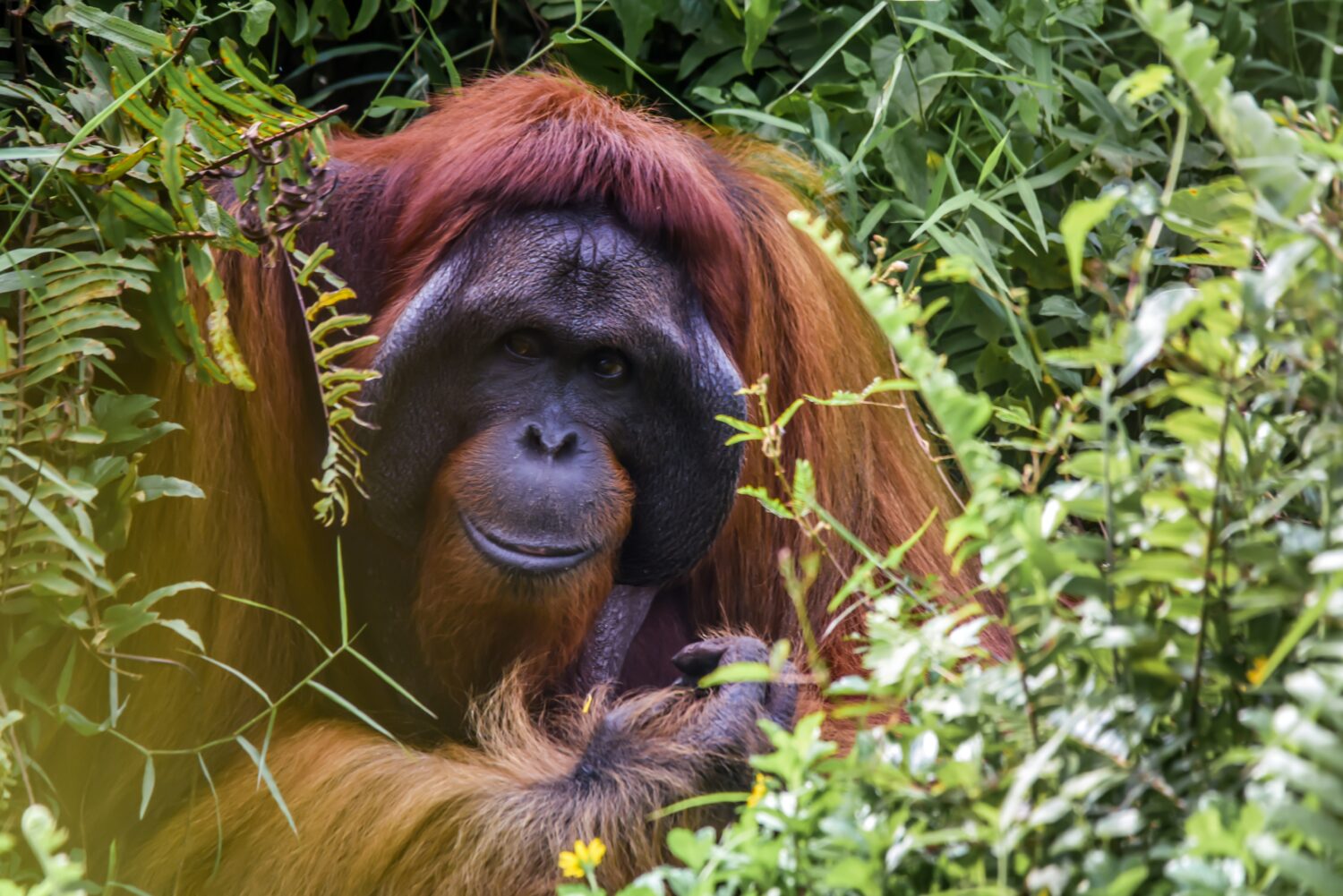
Borneo orangutan trekking offers a completely different rainforest adventure. Located in Southeast Asia, Borneo is shared by Malaysia and Indonesia and contains some of the oldest tropical forests on Earth.
The island is famous for its wild orangutan population, particularly in areas such as Tanjung Puting National Park in Indonesia and Sepilok Orangutan Rehabilitation Centre in Malaysian Borneo.
Unlike mountain gorillas that live in close-knit family groups, orangutans are more solitary animals. Adult males often live alone, while females usually travel with their young.
A typical orangutan safari in Borneo involves travelling through rainforest waterways, walking along jungle trails, and visiting conservation areas where rescued or rehabilitated orangutans receive care before returning to the wild.
The experience focuses not only on seeing orangutans but also on exploring one of the world’s richest ecosystems. The Borneo rainforest supports thousands of plant and animal species, including proboscis monkeys, pygmy elephants, hornbills, and many reptiles.
While gorilla trekking creates an intense personal connection with one animal group, Borneo offers a broader rainforest exploration experience.
The biggest difference between Uganda gorilla trekking vs Borneo orangutan trekking is the type of wildlife interaction travelers experience.
Mountain gorillas are highly social animals. They live in groups called families, led by a dominant silverback male. During a Uganda gorilla trek, visitors observe these family dynamics directly.
You may see a silverback protecting the group, mothers caring for infants, juveniles climbing through vegetation, or several gorillas resting peacefully together.
The experience feels like entering another family’s world.
Uganda limits gorilla visits to protect the animals. Each gorilla trekking group spends a maximum of one hour with the gorillas. This controlled approach reduces stress and supports long-term conservation.
Borneo orangutan encounters are different. Orangutans spend much of their lives alone among the trees. Sightings depend heavily on location, season, and natural behavior.
Visitors may watch orangutans feeding, climbing between trees, or caring for young ones. However, encounters are less predictable because orangutans move across large rainforest areas.
For travelers seeking a close, emotional wildlife meeting, Uganda gorilla trekking offers a more immersive primate encounter. For those who enjoy rainforest exploration and discovering many species, Borneo provides a wider ecological adventure.
Location and Environment Comparison
The environments of Uganda and Borneo create completely different trekking experiences.
Bwindi Impenetrable National Park sits in Uganda’s southwestern highlands. The forest contains dense vegetation, bamboo zones, waterfalls, and mist-covered hills.
The name “Impenetrable” describes the forest’s thick vegetation. Trekking through Bwindi feels like entering a prehistoric jungle filled with ancient trees and hidden wildlife.
The altitude ranges between approximately 1,160 and 2,600 meters above sea level. Because of the mountainous landscape, gorilla trekking can involve challenging climbs.
Borneo’s rainforest environment is lower and more humid. The jungle features towering trees, rivers, wetlands, and tropical vegetation.
Many orangutan trekking experiences include boat journeys through rainforest waterways. This creates a more relaxed exploration style compared to Uganda’s mountain forest hikes.
Both destinations offer beautiful landscapes, but they appeal to different travelers.
Uganda attracts visitors looking for dramatic mountain forests and rare wildlife encounters. Borneo attracts travelers fascinated by tropical ecosystems and rainforest biodiversity.
Uganda Gorilla Trekking vs Borneo Orangutan Trekking: Cost Comparison
When comparing Uganda gorilla trekking vs Borneo orangutan trekking, cost is one of the most important factors for many travelers. Both experiences require planning, but the pricing structure is very different.
A Uganda gorilla trekking safari requires purchasing a gorilla permit issued by the Uganda Wildlife Authority. The permit allows visitors to enter the forest with trained guides and spend one hour observing a habituated gorilla family.
The current cost of a Uganda gorilla permit for foreign non-residents is USD 800 per person. This fee contributes directly to gorilla conservation, park management, and community development projects around gorilla habitats.
Although the permit represents a significant part of the safari budget, it covers a rare wildlife experience that cannot be replicated anywhere else in the world.
A complete Uganda gorilla safari usually includes transportation, accommodation, meals, park fees, professional guides, and additional activities. Travelers can choose from different safari styles, including comfortable midrange options and luxury experiences.
 Compared with many African wildlife destinations, Uganda offers excellent value because visitors can combine gorilla trekking with classic safari experiences. A traveler can visit Bwindi Forest, enjoy a game drive in Queen Elizabeth National Park, cruise along the Nile River in Murchison Falls National Park, and search for chimpanzees in Kibale Forest during one journey.
Borneo orangutan trekking generally has lower entry costs. Some conservation centers charge affordable entrance fees, while guided rainforest tours vary depending on location and duration.
However, travelers should consider international flights, accommodation, transport between islands or regions, and guided rainforest excursions when calculating the total cost.
A short orangutan visit in Borneo can be cheaper than a Uganda gorilla safari, but the experiences are different. Uganda offers a highly restricted encounter with one of the world’s rarest mammals, while Borneo provides access to a wider rainforest environment.
For travelers seeking a premium primate encounter, the Uganda gorilla trekking experience provides exceptional value because of its exclusivity and conservation impact.
The biggest practical difference between these two experiences is how access works.
For gorilla trekking in Uganda, every visitor must have a valid gorilla permit before entering the forest. Permits are limited because authorities control the number of daily visitors allowed near gorilla families.
Uganda allows only a small number of visitors per gorilla family each day. This restriction protects gorillas from excessive human interaction and ensures a quality experience for travelers.
Because permits are limited, advance booking is strongly recommended, especially during peak travel months such as June, July, August, December, and January.
Travelers planning a Uganda safari should reserve permits several months before arrival to secure their preferred trekking date and sector.
Borneo orangutan experiences usually do not have the same strict permit system. Visitors can often book rainforest tours, rehabilitation center visits, or guided jungle excursions closer to their travel dates.
However, responsible travelers should choose operators that support orangutan conservation and follow ethical wildlife viewing practices.
Both destinations demonstrate how tourism can support endangered species protection. The difference is that Uganda’s model focuses on controlled encounters with wild mountain gorillas, while Borneo combines wildlife tourism with rehabilitation and rainforest conservation.
Trekking Difficulty: Uganda Gorilla Trekking vs Borneo Orangutan Trekking
Physical preparation is another important consideration when choosing between these two primate adventures.
Uganda gorilla trekking can be physically demanding because visitors walk through mountainous rainforest terrain. The duration of a trek depends on where the gorilla family is located.
Some visitors find gorillas within a short walk, while others may hike several hours through thick forest before reaching them.
The trails can include steep slopes, muddy paths, uneven ground, and dense vegetation. Weather conditions can also influence trekking conditions because Bwindi receives regular rainfall.
However, visitors do not need to be professional hikers. Many travelers of different ages complete gorilla trekking successfully with proper preparation.
Uganda provides options such as porter services, which allow travelers to hire local porters who assist with backpacks and provide support during challenging sections of the hike. Hiring a porter also directly supports communities living near the forest.
Borneo orangutan trekking is usually less physically intense, although rainforest conditions can still be challenging.
The tropical climate creates heat and humidity, while jungle trails may include muddy sections and uneven terrain. Some experiences involve river transportation, making them more relaxed compared with mountain trekking.
The physical challenge depends on the type of orangutan experience chosen. Rehabilitation centers require minimal walking, while deeper rainforest expeditions demand more effort.
Travelers who want a challenging adventure through a remote forest environment may prefer Uganda. Those looking for a gentler rainforest wildlife experience may find Borneo more suitable.
Wildlife Diversity: Uganda Safari vs Borneo Rainforest Adventure
One major advantage of choosing Uganda gorilla trekking is the opportunity to combine primate encounters with traditional African safari experiences.
Uganda is one of Africa’s most diverse wildlife destinations. Beyond gorillas, visitors can experience:
Lions climbing trees in Queen Elizabeth National Park
Elephants and buffaloes in national parks
Hippos along rivers and lakes
Chimpanzees in Kibale Forest
Rare birds throughout Uganda’s forests and wetlands
The powerful Nile River scenery at Murchison Falls National Park
A traveler visiting Uganda can enjoy a complete wildlife journey rather than focusing only on primates.
For example, a safari itinerary can begin with a boat cruise to the base of Murchison Falls, continue with game drives across the savannah, and finish with gorilla trekking in Bwindi.
This combination makes Uganda attractive for travelers who want a classic African adventure.
Borneo offers exceptional biodiversity as well. The rainforest contains some of the world’s most unique species, including:
Orangutans
Proboscis monkeys
Gibbons
Hornbills
Clouded leopards
Sun bears
Pygmy elephants
The difference is that Borneo’s wildlife is concentrated within a rainforest ecosystem, while Uganda combines forests, savannahs, wetlands, and rivers.
For a complete African safari experience, Uganda offers greater variety.
Conservation Impact: Protecting Gorillas and Orangutans
Both Uganda and Borneo highlight the importance of conservation tourism.
Mountain gorillas were once close to extinction due to habitat loss, illegal hunting, and human conflict. Today, conservation efforts have helped increase their population.
Revenue from Uganda gorilla trekking permits supports wildlife protection, ranger operations, and communities surrounding protected areas.
Tourism has created an economic reason to protect gorilla habitats. Local communities benefit through employment, tourism businesses, and conservation programs.
Borneo faces different conservation challenges. Orangutans suffer from rainforest destruction, especially due to agricultural expansion and habitat loss.
Many conservation organizations work to rescue, rehabilitate, and protect orangutans while preserving rainforest ecosystems.
Both experiences allow travelers to contribute to endangered species protection.
Choosing responsible tourism operators ensures that your visit supports conservation rather than harming wildlife.
Best Time to Visit Uganda for Gorilla Trekking and Borneo for Orangutans
The best time to visit depends on weather conditions and personal preferences.
Uganda offers gorilla trekking throughout the year. However, the dry seasons are generally considered the most comfortable periods.
The best months for Uganda gorilla trekking are usually:
June to September and December to February.
During these months, forest trails are often easier to navigate, although rain can still occur because Bwindi is a tropical rainforest.
The wet seasons, from March to May and October to November, can provide excellent wildlife experiences with fewer visitors. The forest becomes greener, and photographers often enjoy the dramatic atmosphere.
Borneo also offers year-round orangutan experiences. The climate remains tropical with high humidity and rainfall throughout the year.
The drier months between March and October are often preferred by travellers because jungle conditions are more comfortable.
However, rainforest wildlife remains unpredictable. Orangutan sightings depend on natural movements and food availability.
Which Experience Should You Choose?
Choosing between Uganda Gorilla Trekking vs Borneo Orangutan Trekking depends on the type of adventure you want.
Choose Uganda gorilla trekking if you want:
A rare face-to-face encounter with endangered mountain gorillas.
A powerful emotional wildlife experience.
A chance to combine primates with African safari activities.
A journey through dramatic mountain rainforest landscapes.
A conservation-focused adventure.
Choose Borneo orangutan trekking if you want:
A tropical rainforest exploration experience.
A chance to discover diverse Southeast Asian wildlife.
A more flexible and affordable primate adventure.
River journeys and jungle exploration.
An introduction to orangutan conservation.
Both destinations offer unforgettable memories, but they create different emotions. Uganda provides an intimate connection with one of humanity’s closest relatives, while Borneo reveals the beauty and complexity of one of the planet’s oldest rainforests.
Plan Your Uganda Gorilla and Wildlife Safari
For travelers comparing Uganda Gorilla Trekking vs Borneo Orangutan Trekking, Uganda offers an extraordinary combination of primate encounters, African landscapes, and classic safari adventures.
A Uganda journey allows you to stand close to mountain gorillas in Bwindi Forest, watch wildlife along the Nile River, explore savannah plains, and discover the incredible biodiversity of East Africa.
If you are planning your next African adventure, our team can help you design a personalized Uganda safari that combines gorilla trekking, Murchison Falls National Park, chimpanzee tracking, wildlife viewing, and cultural experiences.
Plan your Uganda safari today and experience the magic of Africa’s great apes.