

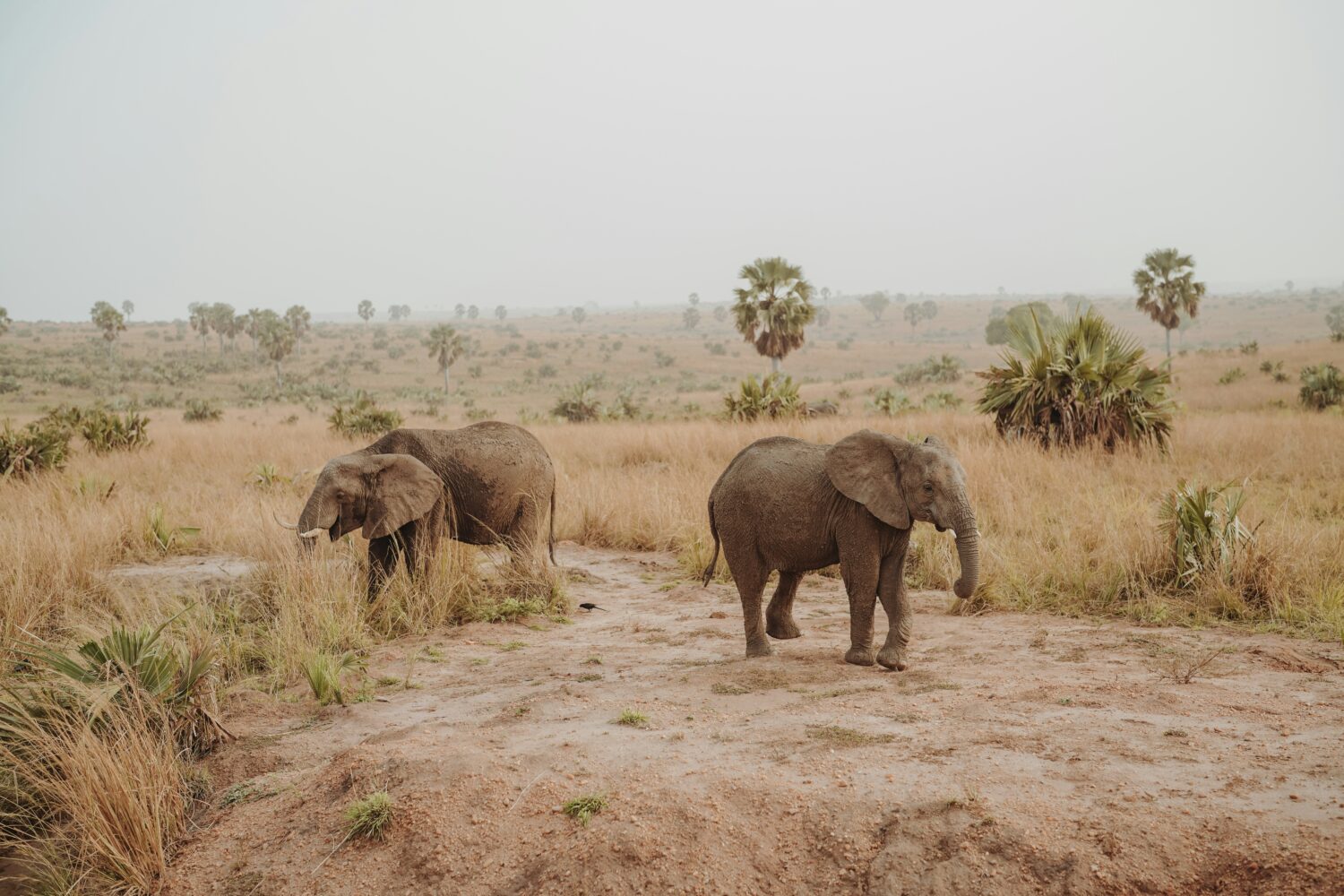
Every June, a predictable pattern plays out across Uganda’s safari industry: gorilla permits that were wide open in March suddenly show gaps in the calendar, favorite lodges around Murchison Falls and Bwindi start filling their best rooms, and flights into Entebbe carry noticeably fewer empty seats. For European travelers planning around the school summer break, understanding Uganda safari availability peak season dynamics before you start booking is one of the most useful things you can do, because the single biggest risk to a great Uganda trip isn’t the weather or the wildlife, it’s waiting too long to lock in the pieces that have hard, government-regulated limits. This guide explains exactly what fills up, when, and how to plan around it so your peak-season safari comes together smoothly.
Why Peak Season in Uganda Is Genuinely Peak
Uganda’s travel calendar follows two dry seasons, roughly December to February and June to September, and it’s this second window that overlaps directly with European summer holidays. Because the dry season delivers firmer trails, better road access, and easier wildlife viewing, it draws travelers from across Europe, North America, and increasingly Asia all at once, concentrated into the same eight to ten week stretch. That concentration is what creates the availability pressure. It isn’t that Uganda suddenly becomes a smaller country in July; it’s that thousands of travelers are all trying to book the same limited set of gorilla permits, lodge rooms, and flight seats within the same narrow calendar window, and several of those resources are capped by hard limits that no amount of demand can expand.
Gorilla Permits: The Tightest Bottleneck in Uganda Travel
If there is one single factor that should shape how early you book a Uganda safari, it’s gorilla permit availability Uganda travelers are chasing every summer. Gorilla trekking permits are issued exclusively by the Uganda Wildlife Authority, and the number available each day is fixed by conservation limits, not market demand. Each habituated gorilla family allows a maximum of eight visitors per trek, and across Bwindi Impenetrable National Park’s four sectors, Buhoma, Ruhija, Rushaga, and Nkuringo, plus the single habituated family in Mgahinga Gorilla National Park, Uganda issues somewhere in the range of 150 to nearly 200 standard permits per day in total. That sounds like a reasonable number until you consider that it’s shared across every tour operator, every travel agency, and every independent traveler worldwide trying to book the same June-through-September window.
Industry guidance is remarkably consistent on this point: for July and August trekking dates specifically, permits should be booked at least six months in advance, and ideally closer to nine to twelve months ahead if you want a specific sector or want to combine your trek with a particular lodge. Permits are non-transferable once issued and there is no walk-in option at either park, meaning travelers who show up without a confirmed permit simply cannot trek, regardless of how much they’re willing to pay on arrival. For travelers who also want the Gorilla Habituation Experience, an extended four-hour session with a semi-habituated family limited to just four visitors and a handful of permits per day, the booking window stretches even further, with serious travelers often securing these a full year out.
The takeaway for anyone planning a European summer safari is straightforward: if gorilla trekking is part of your itinerary, this is the very first thing to lock in, before flights, before lodges, before anything else. Permits are the one component of a Uganda trip that cannot be improvised or found last-minute during peak season with any real confidence.
Lodge Availability Around Murchison Falls and Beyond
Unlike gorilla permits, lodge accommodation isn’t capped by government regulation, but the best properties around Murchison Falls National Park, Bwindi, and Queen Elizabeth National Park still have genuinely limited room counts, and the boutique, riverside, and top-tier lodges that most travelers want tend to sell out for peak dates months ahead of arrival. Murchison Falls itself offers considerably more accommodation capacity than the more remote gorilla sectors, since it’s Uganda’s largest national park with a wider range of lodges spread along the Nile and across the northern and southern banks, but the standout properties with prime river views or proximity to the delta still fill quickly for July and August.
This is genuinely good news for travelers building a Uganda safari high season itinerary that includes Murchison Falls, since the park’s size and variety of accommodation options generally give you more room to maneuver than the tightly capped gorilla sectors. That said, “more room to maneuver” doesn’t mean unlimited, and travelers who wait until a month or two before departure to book Murchison Falls lodges during peak season often find their first-choice properties already full, particularly for family rooms or properties directly overlooking the delta where the Nile meets Lake Albert. Booking three to six months ahead for Murchison Falls accommodation during June through September gives you meaningfully better selection than booking closer to your travel dates.
Flights Into Entebbe During the Summer Rush
The third pressure point, and one European travelers sometimes underestimate, is flight availability into Entebbe International Airport. Airlines serving the European-Uganda route, including direct services and one-stop connections through hubs like Doha, Nairobi, Amsterdam, Brussels, and London, see their strongest demand of the year during the same June-through-September window that drives safari bookings. Seats in preferred cabin classes and at the better fare tiers tend to sell out well before departure, and travelers booking flights just a few weeks ahead of peak-season travel dates often find themselves paying considerably more, connecting through less convenient routings, or adjusting travel dates around whatever seats remain rather than their ideal schedule.
Because flight timing also has to align with your gorilla trekking date and lodge bookings, it’s worth treating flights as part of the same early-planning conversation rather than a separate task to handle later. A common mistake is booking gorilla permits for a specific date and only then discovering that convenient flights into Entebbe around that date are already limited or considerably pricier than they would have been three or four months earlier.
How Far Ahead You Should Actually Be Booking
Pulling these three pressure points together gives a fairly clear planning timeline for a peak-season European summer trip. For gorilla trekking specifically, six months ahead is the realistic minimum for July and August dates, with nine to twelve months giving you meaningfully better choice of sector and lodge pairing. For Murchison Falls and other non-permit-restricted lodges, three to six months ahead keeps your options open across the widest range of properties and room categories. For flights, three to six months ahead typically secures better fares and more convenient routings than waiting until the final weeks before departure. If your summer travel dates are still flexible, booking as early as this year allows for next year’s peak season is increasingly common among experienced Uganda travelers, particularly those combining gorilla trekking with a longer multi-park circuit.
None of this means spontaneous peak-season travel is impossible. Cancellations do occasionally free up gorilla permits and lodge rooms, sometimes with only a few weeks’ notice, and a well-connected local operator with direct Uganda Wildlife Authority relationships will often know about these openings before they appear anywhere public. But relying on a cancellation is a strategy of last resort, not a plan, and travelers who build in early booking as the default give themselves far more control over dates, sectors, and lodge quality.
What to Do If You’re Booking Late
If you find yourself planning a European summer Uganda trip with only a few weeks or a couple of months of lead time, there are still real options worth exploring rather than abandoning peak-season travel altogether. Flexibility is the single biggest lever available to you: being open to a different Bwindi sector than your first choice, considering Mgahinga Gorilla National Park instead of Bwindi (a smaller, quieter alternative with its own daily permit allocation), or shifting your travel dates by even a few days can unlock availability that a rigid date and sector combination cannot. Working through a local Uganda-based operator rather than booking piecemeal also matters considerably here, since operators with established Uganda Wildlife Authority relationships and strong local lodge partnerships often have visibility into real-time availability, including last-minute cancellations, that doesn’t show up on public booking platforms.
It’s also worth considering restructuring the itinerary itself. Murchison Falls National Park, with its greater lodge capacity and no permit cap on game drives or boat cruises, can anchor a strong late-booked peak-season trip even if gorilla trekking permits for your exact dates prove elusive, with a gorilla trek potentially added on a later visit or shifted to the tail end of your trip where a few days of scheduling flexibility might reveal an opening.
Shoulder Dates: A Smart Middle Ground
For European travelers with some flexibility around exactly when their summer break falls, the very start of June and the tail end of September, technically still within Uganda’s dry season but just outside the most concentrated demand window, can offer a genuinely useful middle ground. Weather conditions remain favorable, wildlife viewing stays strong, and the permit and lodge pressure that builds through the core of July and August eases noticeably at these edges. Travelers whose school calendars allow even a week of flexibility on either side of the traditional summer window often find booking considerably smoother without sacrificing much in terms of trail conditions or safari quality.
Planning a Peak-Season Safari With Confidence
Availability pressure during the European summer season is real, but it’s also entirely manageable with the right lead time and the right local partner. The travelers who run into trouble are almost always the ones who assumed a Uganda safari could be booked the way a European city break can, a few weeks out, with plenty of last-minute options available. Uganda’s most sought-after experiences, gorilla trekking chief among them, simply don’t work that way, and understanding that early is what separates a smooth peak-season trip from a stressful scramble.
Our team at Murchison Falls Park Safari works with Uganda Wildlife Authority directly to check real-time gorilla permit availability, secures lodge rooms across Murchison Falls and beyond well ahead of peak-season demand, and helps European travelers time their flights and itineraries around exactly the windows discussed here. If you’re planning a June, July, August, or September safari, the best time to start is now, regardless of how far off your travel dates feel.
Ready to Lock In Your Peak-Season Safari?
Contact our travel consultants today to check current gorilla permit and lodge availability for your travel dates, or explore our Murchison Falls safari packages to start building an itinerary that secures the pieces that matter most before peak-season demand catches up with you.