

Uganda Safari Payment Methods for International Travelers
Booking a safari from thousands of kilometers away naturally raises a practical question that many travelers overlook until the last minute: how exactly do you pay for it? Understanding Uganda safari payment methods for international travelers before you book helps you avoid unnecessary fees, currency confusion, and stress once you land. From securing your deposit to covering tips, park fees, and souvenirs once you’re on the ground, this guide walks through every stage of paying for a Uganda safari as a visitor arriving from overseas.
At Murchison Falls Park Safari, we work with travelers from Europe, North America, Asia, and beyond, and payment questions come up in almost every planning conversation. Here is what you need to know.
How Uganda Safari Payments Are Typically Structured
Most reputable Uganda safari operators, including tailor-made itinerary providers, follow a two-stage payment structure. A deposit, usually between 20% and 50% of the total safari cost, is paid at the time of booking to secure permits, accommodation, vehicles, and guides. The remaining balance is then due before arrival, often 30 to 60 days ahead of travel, though this varies by operator and by how close to your travel date you’re booking.
This structure exists largely because of gorilla trekking and chimpanzee tracking permits, which are limited in number and must be purchased in advance directly from the Uganda Wildlife Authority. A safari booking deposit locks in these permits on your behalf, which is why last-minute bookings can sometimes be more expensive or simply unavailable during peak season.
Understanding Uganda’s Currency for Tourists
Uganda’s official currency is the Ugandan Shilling (UGX), but as a practical matter, most safari-related costs — park entrance fees, gorilla permits, accommodation, and guided tour packages — are quoted and often settled in US Dollars. This is standard practice across East Africa’s tourism sector and makes budgeting considerably easier for international travelers, since you’re not constantly recalculating exchange rates for major expenses.
That said, Uganda currency for tourists still matters for day-to-day spending. Once you’re on the ground, small purchases such as local crafts, tips, market goods, and casual meals outside your safari package are usually paid in Ugandan Shillings. It’s worth exchanging a reasonable amount of cash early in your trip, either at the airport, a licensed forex bureau in Kampala or Entebbe, or through your lodge if that service is offered.
Paying Your Safari Deposit and Balance
For the deposit and remaining balance on your safari package itself, most operators offer a small set of reliable options suited to international travelers. Bank wire transfer remains one of the most common methods for larger safari payments, since it avoids the percentage fees that credit cards can add on international transactions. When using an international bank transfer safari payment, always confirm the receiving bank details directly with your operator through a verified channel, and double-check SWIFT/BIC codes carefully, since wire transfer errors can be difficult and slow to correct.
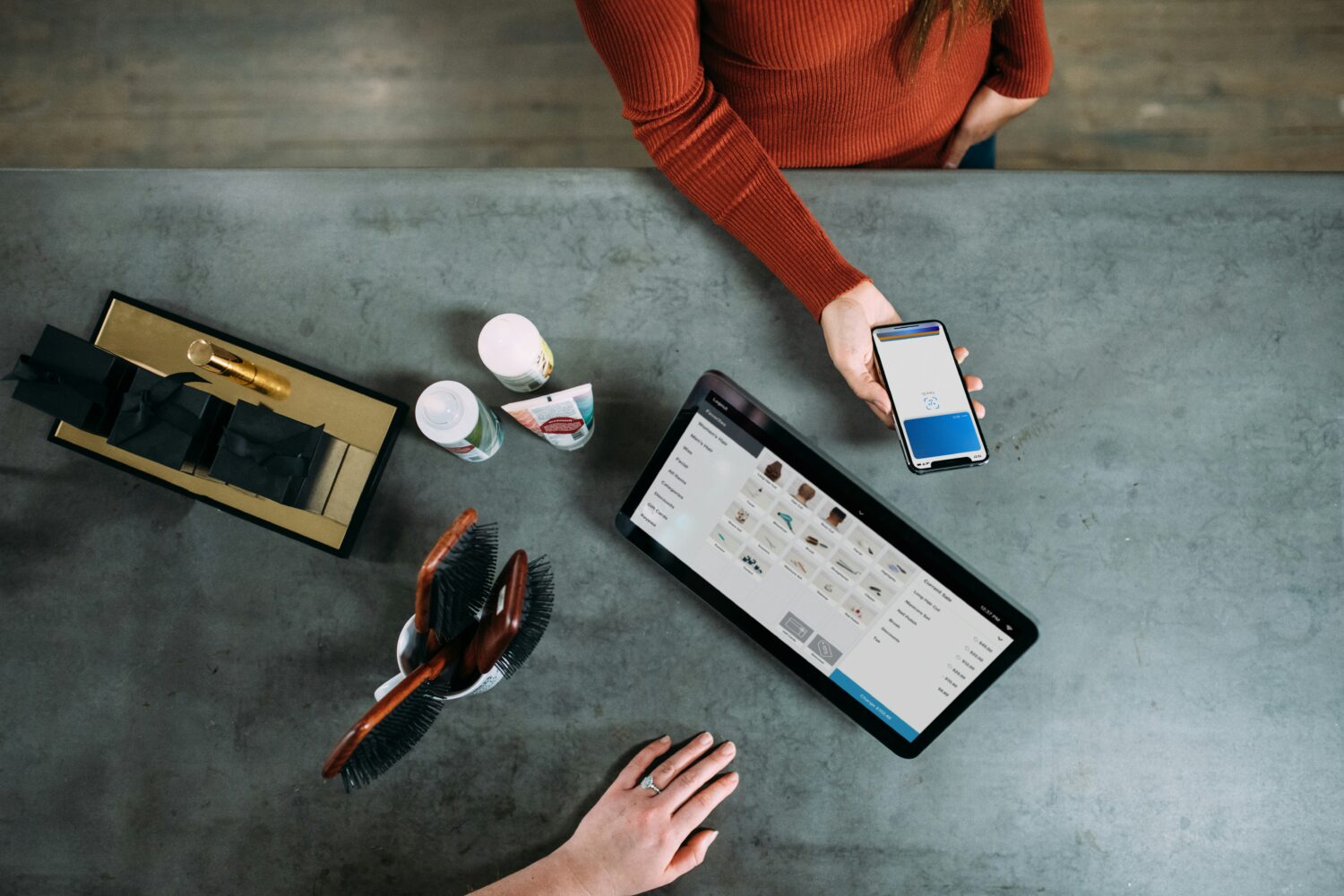
Credit and debit card payments are increasingly available through secure online payment links, which is often the most convenient option for smaller deposits or last-minute bookings. Be aware that a credit card safari booking Uganda payment may include a processing fee, typically in the range of 3% to 5%, depending on the payment gateway and card issuer. This is worth factoring into your budget, especially on larger balance payments.
Some travelers also use international money transfer services such as Wise, Western Union, or similar platforms, which can offer more favorable exchange rates than a traditional bank for certain currency pairs. Always confirm with your safari operator which specific platforms they accept before initiating a transfer, since not every operator supports every service.
Cash Payments: What You Need to Know
While most of your safari cost will be settled before you travel, carrying some cash remains essential once you arrive in Uganda. Cash for Uganda safari spending typically covers guide and driver tips, porter fees during gorilla trekking, drinks and incidentals at lodges, souvenirs, and small purchases in local markets or craft centers.
US dollars are widely accepted for larger tips and purchases, but they need to meet certain conditions to be accepted at face value: bills should be dated 2013 or later, free of tears, stains, or excessive wear, and not have any stamps, marks, or folds that could raise doubts about authenticity. Older or damaged bills are often refused or accepted only at a reduced rate, so it’s worth checking your notes before you travel. For smaller, everyday purchases, Ugandan Shillings are more practical and often expected, particularly outside of major hotels and tourism hubs.
A reasonable approach is to carry a mix of US dollars for tips and larger discretionary spending, along with some Ugandan Shillings exchanged locally for smaller purchases. Avoid carrying excessive amounts of cash for security reasons, and use hotel safes or secure travel pouches when appropriate.
Mobile Money and Digital Payments
Mobile money is deeply embedded in everyday commerce across Uganda, and services like MTN Mobile Money and Airtel Money are used for everything from taxi fares to market purchases. While mobile money Uganda tourists use is less common for international visitors simply because it requires a local SIM card and registration, some travelers who spend extended time in the country find it convenient for smaller local transactions, particularly if traveling independently between safari segments. For most short-term visitors booking a guided safari package, this isn’t essential, but it’s useful to know it exists as part of the broader payment landscape.
ATMs and Card Access in Uganda
ATMs are available in Kampala, Entebbe, and larger towns, dispensing Ugandan Shillings and occasionally offering the option to withdraw in US dollars at select machines. However, ATM access becomes far less reliable once you’re deep inside national parks or remote lodge areas, so it’s important to withdraw or exchange what you need for smaller expenses before heading into the bush. Card payment terminals are increasingly available at hotels, upscale lodges, and some tour operator offices in major towns, but should not be relied upon as your only payment method, particularly in more remote safari destinations like Murchison Falls, Kidepo, or Bwindi.
Park Fees, Permits, and Activity Payments
Uganda Wildlife Authority park entrance fees, gorilla permits, chimpanzee permits, and most in-park activity costs are almost always prepaid as part of your overall safari package rather than paid individually on arrival. This is one of the key advantages of booking through an established operator: park fees payment Uganda logistics are handled on your behalf, permits are secured under your name in advance, and you avoid the risk of arriving to find a particular activity fully booked.
If you’re planning independent add-ons beyond your core itinerary — an extra boat cruise, a spa treatment, or a cultural village visit not included in your package — these are typically settled directly with the lodge or activity provider, usually accepting either cash or card depending on the venue.
Tipping Etiquette and Payment
Tipping is an important, though informal, part of the payment landscape on a Uganda safari. Guides, drivers, porters during gorilla trekking, and lodge staff generally rely on tips as a meaningful part of their income, and while amounts are always at your discretion, most operators can provide general guidance on typical ranges. Tips are almost always given in cash, either US dollars or Ugandan Shillings, directly to the individual or placed in a shared staff tip box at lodges that use that system. It’s worth setting aside a specific portion of your cash budget for tipping before you begin your trip, so it doesn’t get absorbed into other spending.
Currency Exchange Tips for International Travelers
If you plan to exchange currency in Uganda rather than before departure, licensed forex bureaus in Kampala and Entebbe generally offer better rates than airport kiosks or hotel front desks, though airport exchange can still be useful for a small initial amount to cover transport and incidentals immediately after landing. Always count your cash carefully during the transaction and request a receipt. Avoid informal street exchange offers, regardless of how favorable the rate appears, as these carry a meaningful risk of counterfeit currency or short-changing.
Payment Security Best Practices
When paying deposits or balances for your safari, only use payment details confirmed directly through your operator’s official channels — website, verified email, or phone number — rather than details received through unsolicited messages or unverified third parties. This is particularly important given the rise in travel booking scams targeting international tourists. A legitimate operator will always be transparent about payment structure, provide clear invoices, and be willing to answer questions about deposit terms, cancellation policies, and refund conditions before you commit any funds.
Planning Your Safari Budget Around Payment Timing
Because deposits are typically due at booking and balances closer to departure, it helps to plan your overall travel budget with these two payment points in mind, particularly if you’re also budgeting for flights, visas, travel insurance, and a Zanzibar beach extension or other add-ons to your trip. Booking earlier not only improves your chances of securing gorilla permits during peak season, it also spreads your safari costs over a longer period rather than requiring a large lump sum shortly before departure.
If your itinerary includes multiple activities across Murchison Falls National Park, our Murchison Falls National Park Safari Packing List is a useful companion resource for budgeting gear and essentials alongside your payment plan, since knowing what’s included in your package versus what you’ll need to purchase separately helps avoid surprises.
Why Booking With an Established Operator Simplifies Payment
One of the clearest advantages of working with an experienced local operator is that most of the complexity around how to pay for Uganda safari costs is handled for you. Park fees, permits, accommodation, and guided activities are bundled into a single, transparent package with a clear deposit and balance structure, rather than requiring you to manage dozens of individual payments to different providers once you arrive. This is especially valuable for first-time visitors to East Africa who are already navigating flights, visas, and vaccinations without also needing to coordinate payments across multiple vendors.
For couples planning a larger celebration trip, our Murchison Falls Honeymoon Safari guide shows how a well-structured package simplifies not just the itinerary but the payment process as well, since everything from lodges to activities is coordinated under one clear invoice.
Final Thoughts on Paying for Your Uganda Safari
Understanding Uganda safari payment methods for international travelers before you book removes one of the last sources of uncertainty in planning a trip to East Africa. Between a straightforward deposit-and-balance structure, widely accepted bank transfers and card payments for larger costs, and a simple mix of US dollars and Ugandan Shillings for spending on the ground, paying for your safari is far more manageable than many first-time travelers expect.
Ready to book your Uganda safari? Contact Murchison Falls Park Safari today to discuss accepted payment methods, deposit terms, and a tailor-made itinerary that fits your budget and travel dates.
This article is intended as general travel guidance and does not constitute financial advice. Always confirm current payment options, exchange rates, and banking requirements directly with your safari operator and financial institution before traveling.