

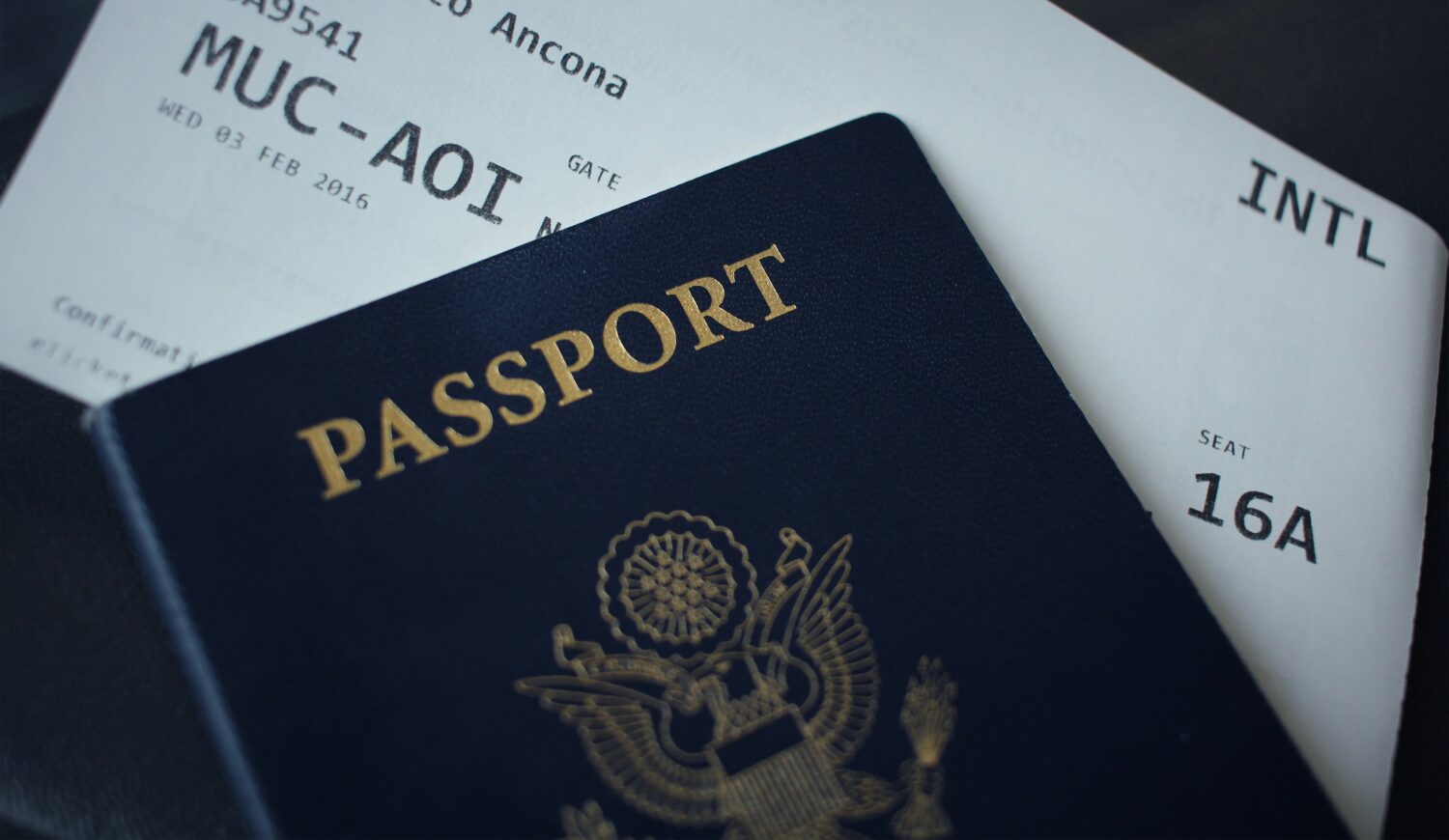
If you’re comparing Uganda visa on arrival vs e-visa as two live options for your upcoming trip, there’s an important piece of news worth getting straight before you book anything: for the vast majority of European travelers, this isn’t actually a choice anymore. Uganda ended its general visa on arrival program back in 2016, and the country has operated an almost entirely e-visa-based entry system ever since. A surprising number of older blog posts, forum threads, and even a few outdated travel sites still describe visa on arrival as a live option, which is exactly why this comparison keeps getting searched for — and exactly why it’s worth clearing up properly here.
This guide explains what actually happens at Entebbe International Airport and Uganda’s land borders in 2026, why the “visa on arrival” idea still circulates online, what the e-visa process actually involves for European citizens, and what to do to avoid the single most common mistake that catches travelers off guard at check-in.
The Short Answer: There Isn’t Really a Choice to Make
For nearly all European nationalities, Uganda does not offer visa on arrival. Since July 2016, every visa-required traveler has been expected to apply for and receive an approved e-visa before departure, print the approval letter, and present it at the border for biometric processing — fingerprints and a photograph — rather than applying for anything on the spot. Airlines flying into Entebbe are required to check for this approval before allowing passengers to board, which means the real risk of skipping the e-visa application isn’t a longer queue at immigration — it’s being denied boarding at your departure airport in Europe before your trip even begins.
There have been rare, temporary exceptions to this rule. In October 2024, for instance, Uganda’s e-visa portal went offline for a system upgrade, and during that short window, immigration authorities allowed visa-on-arrival processing as a stopgap measure until the system came back online. These exceptions are the exact source of the ongoing confusion — a traveler who happened to fly during one of these brief outages, or read a forum post from that period, can walk away with the impression that visa on arrival is a normal, standing option. It isn’t. It’s a fallback that only appears during unplanned system outages, and it’s not something any traveler should plan a trip around.
Want a straightforward visa checklist tailored to your nationality? Contact Murchison Falls Park Safari and our team will confirm exactly what you need before you fly.
Why the Visa on Arrival Myth Persists
Part of the confusion comes from genuine visa policy that predates 2016, when Uganda did allow on-arrival processing for many nationalities, and a lot of that older information simply never got updated or removed from the web. Part of it comes from confusion with neighboring Tanzania, which does still allow visa on arrival at major airports and land borders, and which many European travelers visit as part of the same East Africa trip — it’s an easy detail to mix up when planning a multi-country itinerary. And part of it comes from the East Africa Tourist Visa’s own wording, which technically describes itself as available “on arrival” in some older documentation, even though in practice travelers are strongly advised, and increasingly required, to complete the online application before departure regardless.
Whatever the source, the practical guidance for 2026 is the same: European travelers should treat the Uganda e-visa as mandatory and non-negotiable, and should not plan around the possibility of sorting out a visa after landing.
How the Uganda e-Visa Actually Works
The application happens entirely online, through Uganda’s official immigration portal, and takes most travelers somewhere between 20 minutes and an hour to complete, assuming all supporting documents are ready in advance. Applicants need a passport valid for at least six months beyond their intended departure date, with a minimum of two blank pages, along with a scanned copy of the passport’s bio-data page and a recent passport-style photograph against a white background. A yellow fever vaccination certificate is also a mandatory upload, and it’s worth flagging as the single most common reason applications get delayed or rejected — the certificate must show vaccination at least ten days before arrival, and travelers sometimes upload it too close to their travel date or forget it entirely.
Most applications also ask for a basic travel itinerary or a letter from a tour operator, along with proof of accommodation such as a hotel or lodge confirmation. Once submitted, standard processing typically takes two to three business days, though applying at least ten to fourteen days ahead of departure is the safer approach, particularly during Uganda’s peak travel seasons when application volumes rise and processing can occasionally slow down.
Need your accommodation confirmation or travel itinerary letter for your e-visa application? Reach out to our team and we’ll provide the documentation your application needs.
What the e-Visa Costs
The standard single-entry Uganda tourist e-visa costs USD 50, plus a small administrative processing fee, and is valid for entry within 90 days of approval. European travelers planning to combine Uganda with Kenya and Rwanda on the same trip may want to consider the East Africa Tourist Visa instead, a joint multiple-entry visa priced at USD 100 that allows travel across all three countries over a 90-day period. For a Uganda-only itinerary, though, the single-country e-visa is both cheaper and simpler, since the East Africa Tourist Visa only becomes cost-effective once your itinerary genuinely includes multiple EATV-member countries. It’s also worth noting that Tanzania is not part of this joint visa arrangement, so travelers pairing Uganda with a Tanzania safari will need a completely separate Tanzania visa regardless of which Uganda visa option they choose.
Payment is made online during the application process, and applicants should be cautious to use only Uganda’s official government portal — fraudulent third-party websites have been known to charge inflated fees, sometimes more than double the official cost, for a visa that should only cost USD 50.
What Happens at the Border
Once your e-visa approval letter arrives by email, print a physical copy to bring with you, even though the whole system is digital — border officials at both Entebbe International Airport and Uganda’s land border crossings still expect a printed approval letter as the primary document they check on arrival. At the border, an immigration officer will review your printed letter and passport, take your fingerprints, capture a digital photograph, and stamp your passport to complete entry. This process is generally quick, usually taking just a few minutes per traveler, but it depends entirely on having the approved e-visa in hand beforehand — there’s no application counter or on-the-spot processing available for travelers who arrive without one.
A common point of confusion at this stage is a mismatch between the name on the e-visa application and the name exactly as it appears on the passport, including punctuation, middle names, or hyphenation. This is one of the most frequent causes of delays at the border, so it’s worth double-checking your application details against your passport carefully before submitting.
Comparing Uganda’s Visa Reality to Tanzania
Since a fair number of European travelers pair Uganda with a Tanzania safari, it’s worth being clear about how differently the two countries handle this. Tanzania genuinely does still allow visa on arrival at major airports and land borders, alongside an e-visa option that most travel advisors recommend simply to avoid queues. Uganda offers no equivalent on-arrival fallback for standard tourist travel. If your itinerary includes both countries, plan for two entirely separate visa processes with two different sets of rules — applying for the Uganda e-visa in advance is mandatory, while the Tanzania visa can, if needed, be handled either online beforehand or on arrival, though the e-visa route is still the more predictable option there too.
Planning a combined Uganda and Tanzania trip and want to get the visa sequencing right? Get in touch with Murchison Falls Park Safari for a full visa breakdown across both countries.
Timing Your Application Around Your Safari
For European travelers building a Uganda itinerary around gorilla trekking, it’s worth sequencing your planning carefully. Gorilla permits are the more time-sensitive booking of the two, particularly during peak season, so securing your permit dates first and then applying for your e-visa once your travel dates are confirmed is generally the smoother order of operations. Since e-visa processing typically takes only a few business days, there’s no need to apply many months in advance — doing so ten to fourteen days before departure gives a comfortable buffer without risking your approval expiring before you travel, since the visa’s 90-day validity window begins from the date of approval rather than your actual travel date.
Final Thoughts
The honest answer to “Uganda visa on arrival vs e-visa, which is better for Europeans” is that there’s no real comparison to make, because visa on arrival effectively doesn’t exist for standard tourist travel anymore. Every European traveler heading to Uganda in 2026 should plan on completing the online e-visa application well before departure, printing the approval letter, and treating that document as essential travel paperwork on the same level as a passport or flight ticket. The process itself is straightforward once you know what’s actually required — the real risk isn’t the application being difficult, it’s assuming a visa on arrival option exists and discovering otherwise at the airport check-in counter.
Ready to get your Uganda visa sorted before you book flights? Contact Murchison Falls Park Safari for a personalized visa checklist and full support planning your safari from start to finish.