East Africa vs Southern Africa Safari: Key Differences
When planning an African safari, one of the first decisions travelers face is choosing between East Africa and Southern Africa. Both regions are home to extraordinary wildlife, breathtaking landscapes, luxurious safari lodges, and unforgettable adventures, yet they offer distinctly different experiences. From the vast plains of Kenya and Tanzania to the waterways of Botswana and the private game reserves of South Africa, each region has developed its own safari identity.
For first-time visitors, the choice can seem overwhelming. East Africa is celebrated for the Great Migration, mountain gorillas, and dramatic savannah landscapes, while Southern Africa is renowned for exclusive safari experiences, excellent Big Five viewing, and diverse ecosystems that range from deserts to wetlands. Understanding the differences between these regions helps you select a destination that matches your travel style, interests, and budget.
For travelers considering Uganda as their safari destination, comparing East Africa with Southern Africa also highlights why the Pearl of Africa has become one of the continent’s fastest-growing safari destinations. Uganda combines traditional wildlife viewing with world-famous gorilla trekking, chimpanzee tracking, spectacular waterfalls, and authentic cultural encounters, making it one of the most diverse safari destinations in Africa.
Understanding East Africa and Southern Africa
East Africa generally includes Uganda, Kenya, Tanzania, Rwanda, and, in some safari itineraries, parts of Ethiopia. These countries share remarkable wildlife ecosystems, expansive savannahs, volcanic mountains, tropical rainforests, and some of Africa’s most famous national parks.
Southern Africa typically refers to Botswana, South Africa, Namibia, Zambia, Zimbabwe, and, occasionally, Mozambique. This region offers exceptional safari experiences across private game reserves, river systems, deserts, and extensive conservation areas.
Although both regions provide outstanding opportunities to encounter Africa’s iconic wildlife, the overall safari atmosphere differs considerably. East Africa emphasizes dramatic landscapes, seasonal wildlife movements, and primate experiences, while Southern Africa often focuses on luxury, exclusivity, and intimate wildlife encounters.
Wildlife Experiences: Diversity Versus Exclusivity
 Wildlife remains the main attraction regardless of where you travel, but the style of wildlife viewing varies between the two regions.
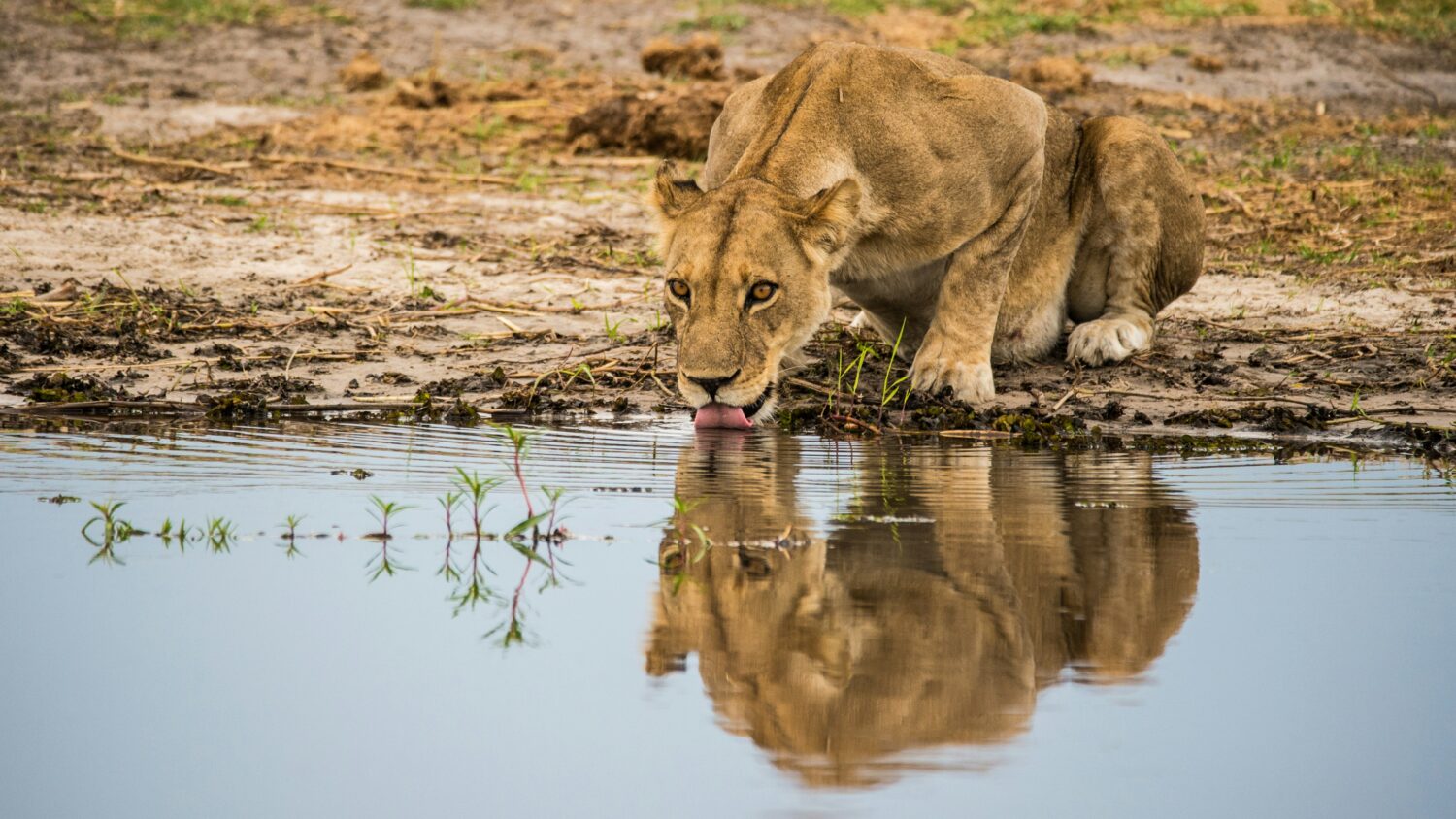
In East Africa, visitors often experience large concentrations of animals spread across expansive open plains. National parks such as the Serengeti, Maasai Mara, Murchison Falls National Park, Queen Elizabeth National Park, and Amboseli support thriving populations of elephants, lions, buffaloes, giraffes, zebras, wildebeests, antelopes, and numerous predators.
Uganda further distinguishes East Africa by offering encounters with endangered mountain gorillas and wild chimpanzees. This combination of classic safari wildlife and great apes creates an experience unavailable anywhere in Southern Africa.
Southern Africa excels in producing close and consistent sightings of the Big Five. Botswana’s Okavango Delta, South Africa’s Kruger National Park, Zimbabwe’s Hwange National Park, and Zambia’s South Luangwa National Park all support exceptional wildlife populations. Many private reserves limit visitor numbers, allowing guests to observe animals without crowds while enjoying personalized guiding.
If your dream safari involves tracking gorillas through ancient rainforest before searching for lions across open savannah, East Africa provides unmatched diversity. If your focus is luxury wildlife viewing with fewer vehicles, Southern Africa may better match your expectations.
Landscapes That Shape Every Safari
The landscapes of East Africa and Southern Africa contribute significantly to the unique character of each safari.
East Africa presents extraordinary geographical diversity. Travelers move through sweeping grasslands, volcanic mountains, tropical rainforests, crater lakes, river valleys, wetlands, and fertile highlands during a single journey. In Uganda, visitors may begin their safari cruising along the River Nile in Murchison Falls National Park, continue into the forests of Kibale for chimpanzee trekking, cross the Kazinga Channel in Queen Elizabeth National Park, and finish among the mist-covered mountains of Bwindi Impenetrable National Park.
This constantly changing scenery creates an exciting sense of exploration throughout the safari.
Southern Africa features equally impressive but distinctly different landscapes. Botswana’s Okavango Delta transforms seasonal floodwaters into an intricate network of lagoons and channels. Namibia showcases dramatic desert dunes and rocky mountains, while South Africa combines bushveld, coastal scenery, forests, and vineyards within relatively short distances.
Both regions offer remarkable natural beauty, but East Africa generally delivers greater landscape diversity within one safari itinerary.
The Big Five Experience
The Big Five—lion, leopard, elephant, buffalo, and rhinoceros—remain one of Africa’s greatest safari attractions.
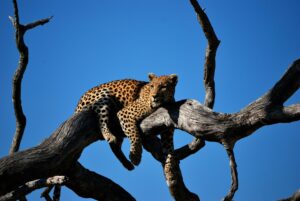
Southern Africa has developed a strong international reputation for reliable Big Five sightings. South Africa’s Kruger National Park and adjacent private reserves provide excellent opportunities to observe all five species, often within a relatively short period. Botswana also supports thriving elephant populations alongside impressive predator numbers.
East Africa also offers outstanding Big Five safaris, particularly in Kenya, Tanzania, and Uganda. Visitors exploring Murchison Falls National Park regularly encounter elephants, lions, buffaloes, Rothschild’s giraffes, and numerous antelope species. Rhinos can be tracked at Ziwa Rhino Sanctuary before continuing north into Murchison Falls, allowing travelers to complete the Big Five experience during a Uganda safari.
While Southern Africa may offer slightly higher consistency for leopard and rhino sightings, East Africa complements the Big Five with wildlife experiences unavailable elsewhere.
Gorilla Trekking Makes East Africa Unique
Perhaps the greatest distinction between the two regions is the opportunity to encounter mountain gorillas.
Only Uganda, Rwanda, and the Democratic Republic of Congo protect the world’s remaining mountain gorillas, making East Africa the only region where gorilla trekking is possible.
Uganda has become the leading destination for this extraordinary adventure. Trekking through dense rainforest before spending an hour observing a habituated gorilla family creates an emotional wildlife encounter unlike any traditional safari.
The experience goes beyond photography. Watching a silverback interact with his family, observing playful juveniles, and witnessing the remarkable similarities between gorillas and humans leaves a lasting impression on visitors from around the world.
Southern Africa offers many exceptional wildlife experiences, but none can replicate the privilege of meeting mountain gorillas in their natural habitat.
The Great Migration Compared with Southern Africa’s Wildlife
The annual Great Wildebeest Migration remains one of East Africa’s defining safari spectacles.
Each year, more than two million wildebeests, zebras, and gazelles move between Tanzania’s Serengeti National Park and Kenya’s Maasai Mara in search of fresh grazing. River crossings filled with crocodiles, dramatic predator interactions, and endless wildlife herds create one of the greatest natural events on Earth.
Southern Africa does not host a comparable migration. Instead, its appeal lies in year-round wildlife viewing. Botswana’s Okavango Delta attracts large numbers of animals during seasonal flooding, while South Africa’s game reserves provide excellent sightings throughout much of the year.
Travelers specifically hoping to witness the world’s largest terrestrial wildlife migration should choose East Africa, while those seeking consistently excellent game viewing regardless of season may appreciate Southern Africa.
Safari Activities Beyond Game Drives
Although game drives remain central to both regions, East Africa generally offers a broader variety of wildlife experiences.
In Uganda, visitors combine traditional game drives with boat cruises on the Nile, chimpanzee trekking, gorilla trekking, nature walks, birdwatching, cultural visits, and hiking to the top of the spectacular Murchison Falls. Kenya and Tanzania also provide hot air balloon safaris, walking safaris, and cultural encounters with Maasai communities.
Southern Africa specializes in walking safaris, canoe safaris, mokoro excursions through Botswana’s waterways, luxury train journeys, and highly personalized experiences within private concessions.
Both regions deliver exceptional adventures, although East Africa often appeals more to travelers seeking a combination of wildlife, culture, primates, and scenic exploration.
Accommodation Styles and Safari Comfort
Accommodation also reflects the different tourism philosophies of each region.
Southern Africa has become synonymous with luxury safari camps, private villas, and exclusive lodges that prioritize privacy and personalized service. Many operate within private concessions where guest numbers remain intentionally low.
East Africa offers equally impressive luxury accommodation while providing a broader selection of excellent midrange lodges. Uganda, in particular, allows travelers to enjoy high-quality safari experiences without the premium price associated with many Southern African destinations.
Luxury lodges overlooking the Nile in Murchison Falls National Park, forest retreats near Bwindi, and elegant safari camps in Queen Elizabeth National Park provide exceptional comfort alongside authentic African hospitality.
Birdwatching Opportunities Across Both Regions
For birdwatchers, both East Africa and Southern Africa offer rewarding experiences, but the scale of diversity differs considerably. East Africa enjoys an outstanding reputation as one of the world’s premier birding regions, thanks to its remarkable variety of habitats that range from tropical rainforests and wetlands to high-altitude mountains and open savannahs. Uganda alone is home to more than 1,090 recorded bird species, representing nearly half of all bird species found in Africa.
National parks such as Murchison Falls National Park, Bwindi Impenetrable National Park, Kibale Forest National Park, and Queen Elizabeth National Park provide opportunities to observe iconic species including the Shoebill Stork, African Fish Eagle, Great Blue Turaco, Grey Crowned Crane, Saddle-billed Stork, Giant Kingfisher, and numerous colorful forest birds. This incredible diversity makes Uganda a dream destination for both experienced birdwatchers and casual wildlife enthusiasts.
Southern Africa also boasts exceptional birdlife, particularly within Botswana’s Okavango Delta, South Africa’s wetlands, and Zambia’s river systems. Species such as Pel’s Fishing Owl, African Skimmer, Carmine Bee-eater, and various raptors attract bird enthusiasts from around the globe. However, when comparing the sheer number of species and habitat diversity, East Africa generally offers a broader birdwatching experience.
Cultural Experiences Add Depth to Every Safari
Wildlife may be the main attraction, but cultural experiences enrich every safari by connecting visitors with the people who have lived alongside these landscapes for generations.
Throughout East Africa, travelers can experience a remarkable diversity of cultures. In Uganda alone, more than fifty ethnic groups contribute to a vibrant cultural heritage expressed through traditional music, dance, storytelling, crafts, and cuisine. Visitors can spend time with the Batwa communities near Bwindi, learn about cattle-keeping traditions among the Banyankole, or explore the rich history of the Buganda Kingdom around Kampala.
Kenya and Tanzania offer equally memorable opportunities to meet Maasai communities, whose colorful traditions and close relationship with wildlife have become an important part of the East African safari experience.
Southern Africa presents a different cultural landscape. Botswana introduces visitors to the traditions of the San people, while South Africa showcases a rich blend of African, European, and Asian influences shaped by centuries of history. Zimbabwe and Zambia also provide meaningful cultural interactions through village visits, local markets, and community tourism initiatives.
Both regions offer authentic cultural encounters, but East Africa often integrates these experiences more naturally into multi-day safari itineraries.
Accessibility and Travel Planning
Accessibility can influence both the cost and convenience of a safari holiday.
Most travelers visiting East Africa arrive through major international airports such as Entebbe, Nairobi, Kigali, or Kilimanjaro before continuing by road or domestic flight to national parks. Uganda’s compact geography allows visitors to combine several destinations efficiently. A ten-day itinerary can comfortably include Murchison Falls National Park, Kibale Forest, Queen Elizabeth National Park, and Bwindi Impenetrable National Park without requiring numerous domestic flights.
Southern Africa often relies more heavily on light aircraft transfers, particularly in Botswana, where many luxury camps are located in remote wilderness areas inaccessible by road. Although these scenic flights provide spectacular aerial views, they also contribute to higher overall travel costs.
For travelers seeking excellent safari diversity while keeping transportation practical and affordable, East Africa provides a distinct advantage.
Best Time to Visit East Africa and Southern Africa
Choosing the right season depends largely on the experiences you hope to enjoy.
East Africa offers rewarding safaris throughout the year, although the dry seasons from June to September and December to February generally provide the best conditions for wildlife viewing and gorilla trekking. During these months, animals gather around permanent water sources, vegetation becomes less dense, and forest trails remain more accessible.
Travelers hoping to witness the Great Migration should plan carefully, as different stages of this remarkable event occur throughout the year across the Serengeti and Maasai Mara ecosystems.
Southern Africa also experiences excellent wildlife viewing during its dry winter months between May and October. Sparse vegetation and shrinking water sources make animals easier to locate, particularly within Botswana’s Okavango Delta and South Africa’s major game reserves.
Both regions remain outstanding safari destinations year-round, with each season offering its own unique advantages.
Budget Considerations
Budget often plays a significant role when selecting a safari destination.
Southern Africa, particularly Botswana, has developed a reputation for premium-priced safaris. Many luxury camps operate on an all-inclusive basis, incorporating accommodation, meals, beverages, game drives, and charter flights into a single package. While these experiences are exceptional, they can be considerably more expensive than comparable safaris elsewhere in Africa.
East Africa offers much greater flexibility. Kenya and Tanzania provide options ranging from luxury lodges to comfortable tented camps, while Uganda stands out for delivering exceptional value. Visitors can enjoy luxury accommodation overlooking the Nile, elegant forest lodges near Bwindi, or high-quality midrange properties that combine comfort, excellent service, and authentic safari experiences at more accessible prices.
This flexibility allows travelers to customize their safari according to both their interests and their budget.
Why Uganda Stands Out Within East Africa
Among East Africa’s safari destinations, Uganda occupies a truly unique position. Few countries combine such extraordinary diversity within a relatively compact area.
A single journey may begin with rhino tracking at Ziwa Rhino Sanctuary before continuing to Murchison Falls National Park, where travelers enjoy classic game drives, spectacular boat cruises along the Nile, and hikes to the top of one of Africa’s most powerful waterfalls. From there, the adventure can continue to Kibale Forest for chimpanzee trekking, Queen Elizabeth National Park for tree-climbing lions and the Kazinga Channel, and finally Bwindi Impenetrable National Park for the unforgettable experience of mountain gorilla trekking.
This combination of wildlife, primates, rivers, forests, mountains, birdlife, and cultural experiences creates one of the most diverse safari itineraries available anywhere on the continent.
For travelers seeking more than traditional game drives, Uganda offers a richer and more varied African adventure.
Which Safari Region Is Right for You?
There is no single answer to whether East Africa or Southern Africa provides the better safari experience because each region appeals to different types of travelers.
If your dream involves witnessing the Great Migration, trekking with mountain gorillas, tracking chimpanzees through tropical forests, exploring dramatic landscapes, and enjoying exceptional wildlife diversity, East Africa offers experiences found nowhere else on Earth.
If you prefer highly exclusive safari camps, private game reserves, luxurious accommodation, and intimate wildlife encounters with relatively few other visitors, Southern Africa delivers an outstanding safari experience.
For travelers looking for the greatest variety of experiences during a single holiday, East Africa—and particularly Uganda—often proves to be the more rewarding choice. The opportunity to combine classic wildlife safaris with gorilla trekking, chimpanzee encounters, river cruises, birdwatching, and cultural exploration creates a journey that continues to surprise and inspire from beginning to end.
At Murchison Fall Park Safari, we specialize in creating unforgettable journeys through Uganda’s most iconic destinations. Whether you dream of standing before the mighty Murchison Falls, encountering endangered mountain gorillas in Bwindi, cruising the Nile alongside elephants and hippos, or exploring Queen Elizabeth National Park, our experienced safari specialists will design an itinerary tailored to your interests, travel style, and budget.
Visit Murchison falls park safari to discover our carefully crafted safari packages and begin planning your next African adventure.