
Best Time to Visit Uganda During European Summer Holidays
For most travelers across Italy, Belgium, Norway, the Netherlands, Sweden, Spain, Denmark and Switzerland, the school holidays that stretch from June through August represent the one dependable window each year for a long-haul trip. The question that follows naturally is simple: is this actually the best time to visit Uganda, or would a traveler be fighting the weather, the crowds, or the wildlife itself by booking a safari during these months? The honest answer, backed by Uganda’s climate patterns and the rhythms of its national parks, is that European summer happens to align almost perfectly with Uganda’s long dry season, making June, July and August genuinely excellent months for a Ugandan safari rather than a compromise squeezed into a school calendar.
Uganda sits on the equator, which means it does not experience the four distinct seasons familiar to travelers from Northern and Central Europe. Instead, the country moves through two dry seasons and two wetter seasons each year. The longer and more reliable of these dry spells runs from roughly June through September, placing the entire European summer holiday period squarely inside Uganda’s most favorable stretch of weather. This is not a coincidence that safari operators quietly hope tourists won’t notice; it is one of the clearest reasons why Uganda in summer consistently ranks as the preferred travel window for European visitors planning gorilla trekking, game drives and river cruises.
Why the Dry Season Matters for a Uganda Safari
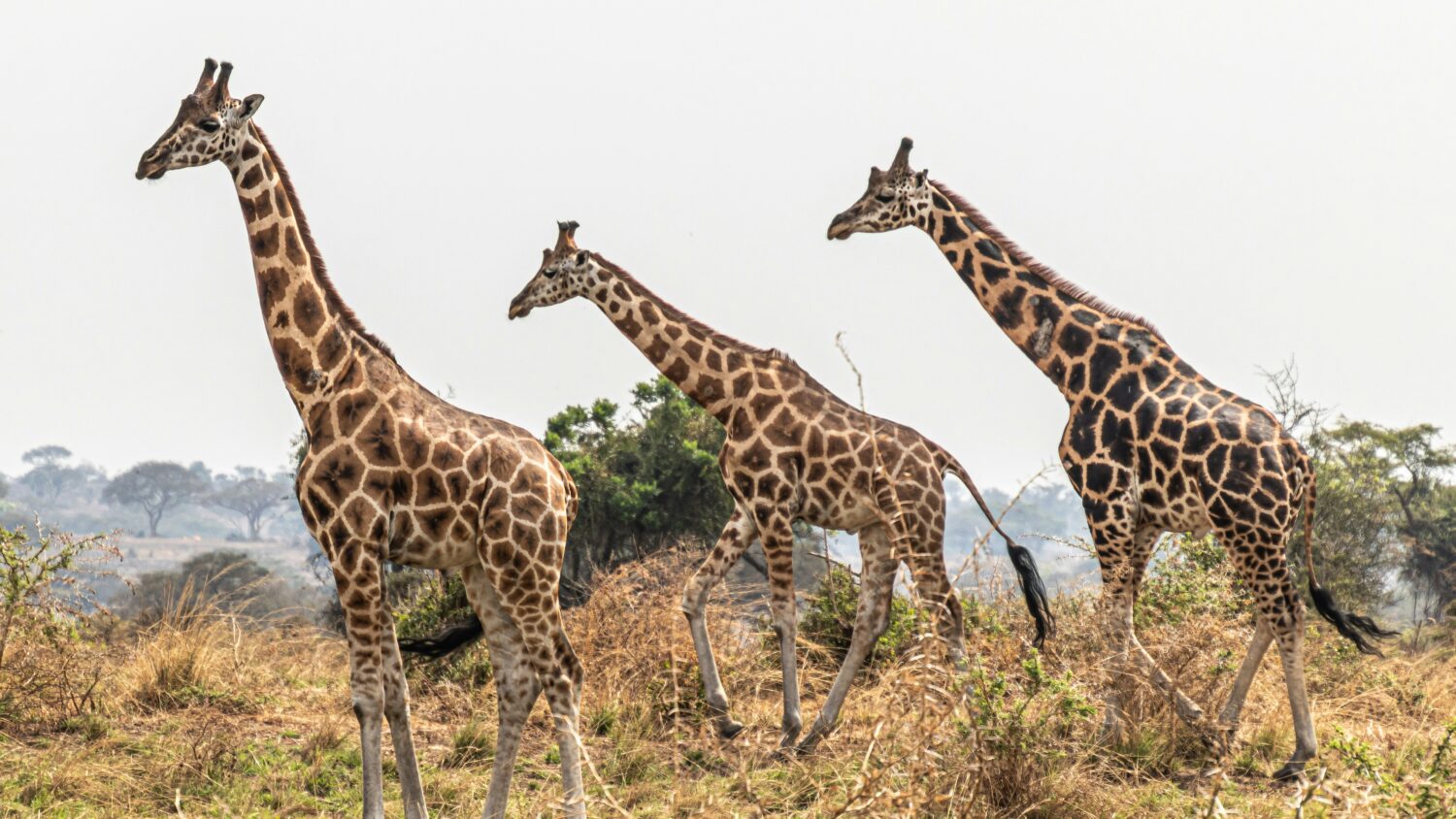
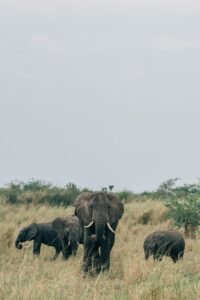 Rainfall shapes almost every part of a Ugandan safari experience, and understanding why the dry season from June to August works so well requires looking at how water affects the parks themselves. During the wetter months, dirt roads inside parks like Murchison Falls National Park can become difficult to navigate, sometimes forcing vehicles to take longer detours or slowing game drives considerably. Once the rains ease off going into June, those same roads firm up, opening reliable access to areas of the park that might otherwise be missed. Visibility across the savannah also improves dramatically once the grass shortens under drier conditions, which makes it considerably easier to spot lions resting in the shade, giraffes moving along the tree line, or elephants gathering near the Nile.
Wildlife behavior itself shifts with the seasons in ways that work in a traveler’s favor. As natural water sources shrink during the dry months, animals gravitate toward the Nile River and the handful of permanent waterholes scattered across the park, concentrating wildlife in predictable, accessible locations rather than dispersing it across a vast and increasingly green landscape. A boat cruise along the Nile toward the base of the falls during these months routinely delivers sightings of hippos, crocodiles, buffalo and elephants all within the same short stretch of river, a level of concentration that is far less guaranteed during the rainier months of March through May or October and November.
Gorilla Trekking During the European Summer Months
No conversation about Uganda’s peak travel season is complete without addressing gorilla trekking, since it remains the single activity most European travelers build their entire itinerary around. Gorilla trekking in Bwindi Impenetrable National Park and Mgahinga Gorilla National Park follows the same dry season logic as the rest of the country, and June through August falls directly within the recognized peak trekking period. Drier trails through the forest mean steadier footing on what is already a physically demanding hike, and the reduced likelihood of sudden downpours makes the several hours spent tracking a habituated gorilla family considerably more comfortable.
It is worth being transparent about cost here, since pricing has shifted this year and misinformation circulates widely online. As of July 2026, the standard gorilla trekking permit for foreign non-residents costs 800 US dollars per person, an increase from the previous rate, and this price applies throughout the June to August peak season. Travelers who have flexibility outside the school holiday calendar can find discounted permits priced at 600 US dollars during the low season months of April, May and November, but for anyone tied to the European summer break, the 800 dollar peak season rate is the figure to plan around. Because demand during these months is intense, with popular sectors such as Buhoma and Rushaga often selling out six to ten months in advance, early booking is not a suggestion but a genuine necessity for travelers targeting July or August specifically.
Weather Comfort and What to Actually Pack
Uganda’s dry season does not mean rainless in the way a European summer might imply. Brief, often dramatic showers can still appear even in July, particularly in the southwestern highlands around Bwindi, but they tend to pass quickly rather than settling in for the day. Daytime temperatures across most of the country during June to August typically sit in a comfortable range for game drives, generally between 24 and 28 degrees Celsius in lower-altitude areas like Murchison Falls, while higher-altitude regions near Bwindi and Kigezi run noticeably cooler, particularly in the early morning and evening. Layering remains the smartest strategy for any Uganda itinerary during this period, since a warm midday game drive in the savannah can feel very different from a cool, misty morning trek through highland forest.
Travelers coming from European summer heatwaves are sometimes surprised by how mild Uganda feels by comparison, especially given how close the country sits to the equator. The moderating effect of altitude across much of the country, combined with the drier air of this particular season, tends to make the experience considerably more comfortable than travelers expect, both for long game drives and for the physical demands of forest trekking.
Beyond Murchison Falls: Building a Fuller Uganda Itinerary
While Murchison Falls National Park anchors most itineraries thanks to its dramatic waterfall, dense wildlife populations and accessible boat cruises, the June to August window also opens up the rest of the country beautifully. Travelers extending beyond a single park often pair Murchison Falls with a gorilla trekking add-on in the southwest, or combine it with a broader multi-country route through Rwanda, Tanzania or Kenya, all of which share a similar dry season pattern during these months. For European travelers flying in through Doha with Qatar Airways or via Nairobi with Kenya Airways, the summer months also tend to align with more predictable flight schedules and slightly calmer airport traffic compared with the December holiday surge, which can make logistics noticeably smoother for a first-time visitor.
Chimpanzee tracking in Kibale Forest, tree-climbing lion sightings in Queen Elizabeth National Park, and white-water rafting near Jinja all benefit from the same firmer roads and clearer skies that make Murchison Falls so rewarding during this period. A well-paced two-week itinerary built around the European summer holidays can realistically combine several of these experiences without fighting against the weather at any point along the route.
Booking Timelines Worth Knowing Before You Go
Because June through August overlaps directly with school holidays across Italy, Belgium, Norway, the Netherlands, Sweden, Spain, Denmark and Switzerland, this window is also Uganda’s most competitive for accommodation and permits. Lodges near Murchison Falls and Bwindi that might have last-minute availability during shoulder months routinely fill months ahead for July and August specifically. Anyone planning a Uganda trip around this period should treat five to six months of advance notice as a reasonable minimum, with earlier booking strongly recommended for travelers who have a fixed set of dates and no flexibility to shift by even a week or two.
Visa planning deserves the same early attention. Uganda’s e-visa system generally processes efficiently, but the volume of applications tends to rise sharply heading into the June to August period, and travelers who leave this step until the final weeks before departure sometimes find themselves waiting longer than expected. Pairing visa processing with permit booking, ideally handled through a single conversation with a trusted local operator, tends to remove most of the stress from what can otherwise feel like a complicated set of moving parts.
Making the Most of a Summer Safari in Uganda
The case for European summer as Uganda’s best travel window ultimately comes down to alignment: the months when European travelers have the freedom to take a long trip are the very months when Uganda’s parks are at their most accessible, its wildlife at its most visible, and its weather at its most forgiving. That overlap is not something every safari destination can offer, and it is a large part of why Murchison Falls and Bwindi consistently draw such strong European visitor numbers throughout June, July and August.
For anyone weighing whether this summer is the right time to finally book that long-considered Uganda trip, the dry season conditions, concentrated wildlife sightings, and manageable trekking terrain all point toward yes, provided the booking happens early enough to secure permits and lodging before the peak season fills. A well-planned Murchison Falls and gorilla trekking combination during these months tends to deliver exactly the kind of safari most travelers picture when they first start dreaming about Uganda.
If you are mapping out a European summer safari, our team at Murchison Falls Park Safari can help build an itinerary around your exact travel dates, from Nile boat cruises and game drives to gorilla permit bookings in Bwindi. Get in touch today to start planning your best time to visit Uganda, and let us handle the logistics while you focus on the experience itself.