
Batwa Trail Mgahinga: The Ultimate Cultural Experience Guide in Uganda
Uganda is internationally celebrated for mountain gorilla trekking, breathtaking volcanic landscapes, and exceptional wildlife encounters, but some of its most meaningful travel experiences extend beyond wildlife. One such experience is the Batwa Trail Mgahinga, an immersive cultural journey that introduces visitors to the remarkable history, traditions, and survival skills of the Batwa people. This guided trail through Mgahinga Gorilla National Park offers an opportunity to understand one of Africa’s oldest Indigenous forest communities while exploring the spectacular landscapes of the Virunga Mountains.
The Batwa Trail Mgahinga is much more than a cultural tour. It is an educational and emotional experience that reveals how the Batwa lived in harmony with the forest for thousands of years before the establishment of protected conservation areas. Through storytelling, demonstrations, traditional music, and visits to significant historical sites, visitors gain an authentic appreciation of a culture that has endured profound change while working to preserve its heritage.
Whether you are combining the Batwa Trail with gorilla trekking, golden monkey tracking, or a broader Uganda safari, this experience adds an important cultural dimension that enriches any visit to southwestern Uganda.
Discovering the Batwa People
The Batwa are widely recognised as one of the oldest Indigenous communities in the Great Lakes region of Africa. For countless generations, they lived as hunter-gatherers within the dense forests that today form part of Mgahinga Gorilla National Park, Bwindi Impenetrable National Park, and the wider Virunga ecosystem shared by Uganda, Rwanda, and the Democratic Republic of Congo.
Their intimate relationship with the forest shaped every aspect of daily life. The Batwa depended on natural resources for food, medicine, shelter, tools, and spiritual practices. They hunted small animals using handmade bows and arrows, gathered wild honey and edible plants, collected medicinal herbs, and built temporary shelters using branches, leaves, and vines. Their extensive knowledge of the forest enabled them to survive sustainably without degrading the environment that supported them.
When Mgahinga Gorilla National Park was gazetted in 1991 to protect endangered mountain gorillas and other wildlife, the Batwa were relocated outside the forest. Although conservation has brought significant benefits for biodiversity, the displacement had profound social and economic impacts on the Batwa community. Today, the Batwa Trail Mgahinga provides an opportunity for visitors to learn about this history while supporting cultural preservation and community livelihoods.
What Is the Batwa Trail Mgahinga?
The Batwa Trail Mgahinga is a professionally guided cultural experience conducted within Mgahinga Gorilla National Park. Led by Batwa guides who once lived in the forest themselves, the trail follows traditional routes used by their ancestors and introduces visitors to the customs, knowledge, and survival techniques that defined Batwa life for centuries.
Unlike a conventional cultural performance, the Batwa Trail is deeply interactive. Visitors walk alongside Batwa elders and community members who demonstrate how they hunted, gathered food, prepared herbal medicines, made fire without modern tools, constructed shelters, harvested honey, and used the forest responsibly.
Every stop along the trail reveals another chapter of Batwa history, creating an authentic and respectful experience that connects visitors with Uganda’s rich cultural heritage.
Where Is the Batwa Trail Located?
The trail is located inside Mgahinga Gorilla National Park, Uganda’s smallest national park, situated in Kisoro District near the borders of Rwanda and the Democratic Republic of Congo. Covering approximately 33.7 square kilometres, the park forms part of the larger Virunga Conservation Area and is renowned for its mountain gorillas, golden monkeys, volcanic peaks, and Afro-montane forests.
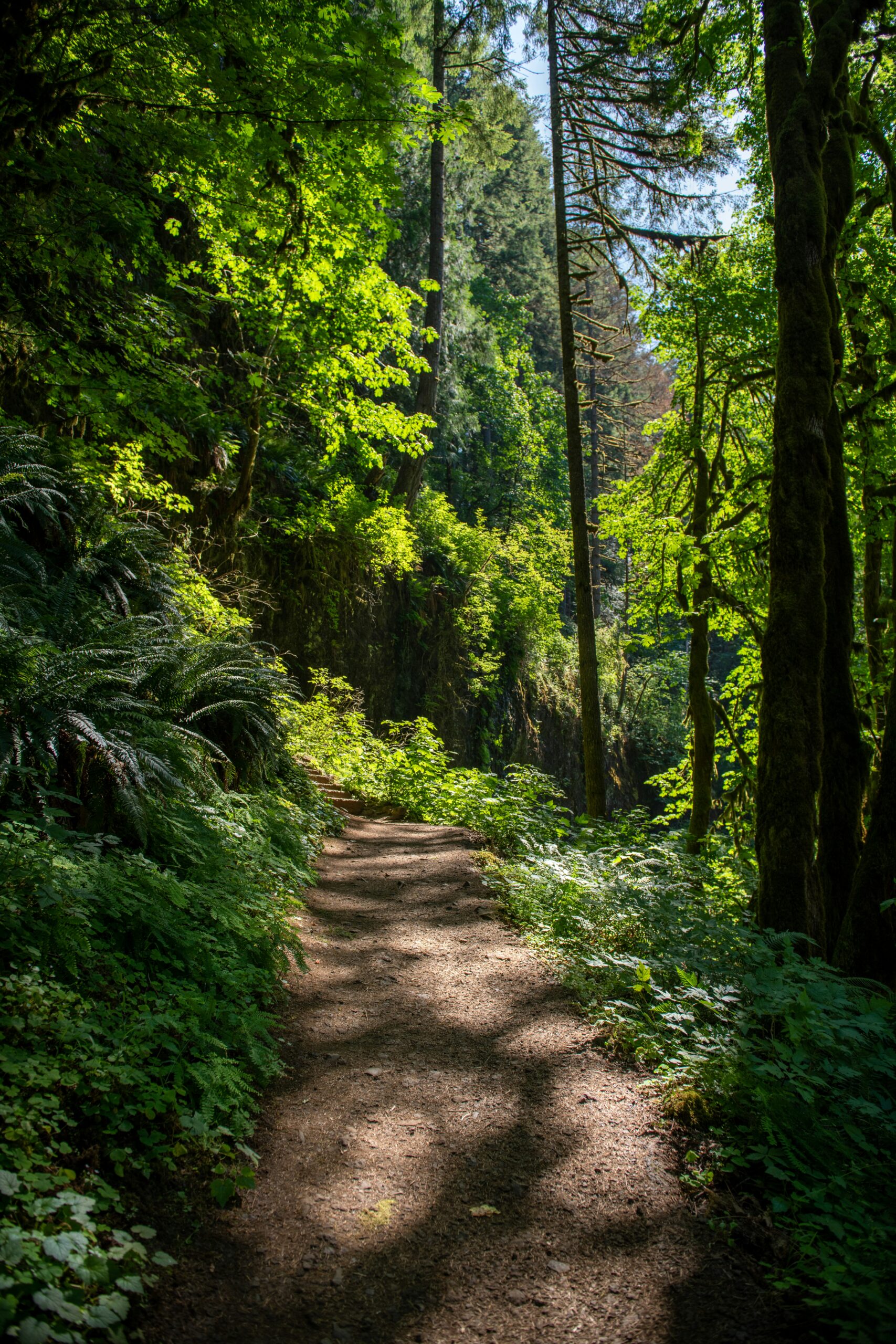
The Batwa Trail winds through bamboo forests, montane woodlands, and volcanic landscapes that once served as the ancestral homeland of the Batwa people. The scenic surroundings add extraordinary beauty to an already meaningful cultural experience.
Many travellers combine the trail with gorilla trekking in Mgahinga or neighbouring Bwindi Impenetrable National Park, creating a balanced itinerary that blends wildlife encounters with cultural exploration.
The Cultural Significance of the Batwa Trail
Participating in the Batwa Trail Mgahinga provides much more than historical information. It allows visitors to appreciate how Indigenous knowledge developed through generations of living in close harmony with nature.
Throughout the walk, Batwa guides explain how they identified edible plants, recognised medicinal species, interpreted animal behaviour, and navigated dense forests without modern equipment. Their understanding of ecological relationships reflects centuries of observation and sustainable resource use.
The experience also highlights the spiritual significance of the forest. Many locations visited during the trail served as sacred sites where ceremonies, community gatherings, and traditional rituals took place. These stories offer valuable insight into the Batwa worldview and their enduring cultural identity.
Experiencing Traditional Forest Life
One of the most fascinating aspects of the Batwa Trail Mgahinga is witnessing practical demonstrations of traditional forest survival skills. Batwa guides show how hunting tools were crafted from locally available materials and explain the techniques used to catch small game without disturbing the surrounding ecosystem.
Visitors also learn how natural fibres were transformed into ropes, baskets, and household items, while medicinal plants are introduced with explanations of their traditional uses in treating common illnesses. Fire-making demonstrations reveal the remarkable ingenuity required to survive in the forest long before modern technology became available.
Rather than simply observing, visitors are often encouraged to participate, making the experience engaging for travellers of all ages.
The Garama Cave Experience
One of the highlights of the Batwa Trail Mgahinga is the visit to Garama Cave, an immense volcanic cave that once served as an important refuge for the Batwa community.
Historically, Garama Cave provided shelter during periods of conflict and functioned as a gathering place for ceremonies and community meetings. Inside the cave, Batwa performers recreate traditional songs, dances, and storytelling, allowing visitors to experience the remarkable acoustics that amplify every voice throughout the cavern.
The cultural performances are deeply moving because they are presented within the original historical setting where these traditions evolved. Rather than staged entertainment, they represent an effort to preserve and share living cultural heritage.
Learning About Traditional Medicine
The forests of Mgahinga contain a remarkable diversity of medicinal plants that played a central role in Batwa healthcare. During the trail, guides identify numerous plant species and explain how leaves, bark, roots, and flowers were used to treat wounds, fevers, stomach ailments, respiratory illnesses, and other common conditions.
These demonstrations highlight the Batwa’s sophisticated understanding of botanical medicine and emphasise the importance of conserving biodiversity, not only for wildlife but also for traditional knowledge systems that continue to hold cultural value.
Music, Dance, and Storytelling
No exploration of Batwa culture would be complete without experiencing its rich artistic traditions. Throughout the Batwa Trail Mgahinga, visitors encounter traditional songs, dances, and oral storytelling that have been passed through generations.
Music has long served as a means of celebrating important events, strengthening community bonds, and transmitting cultural knowledge. Storytelling remains equally significant, preserving historical events, moral lessons, and spiritual beliefs that might otherwise disappear.
The opportunity to witness these performances in their cultural context creates lasting memories and fosters deeper appreciation for the resilience of the Batwa people.
Wildlife Along the Batwa Trail
Although the primary focus of the Batwa Trail Mgahinga is cultural heritage, the surrounding forest also supports remarkable biodiversity. Visitors frequently encounter colourful bird species, butterflies, and a variety of forest plants during the walk.
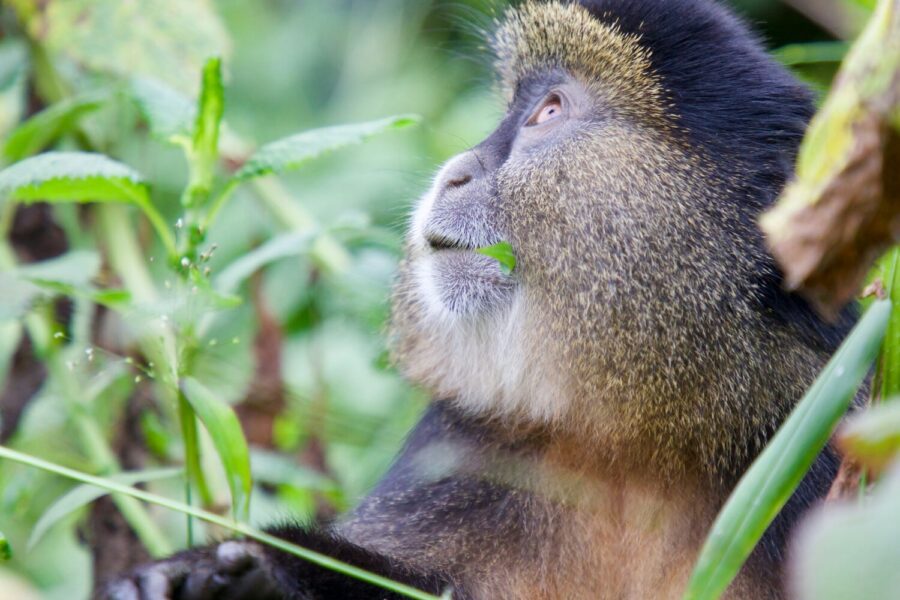
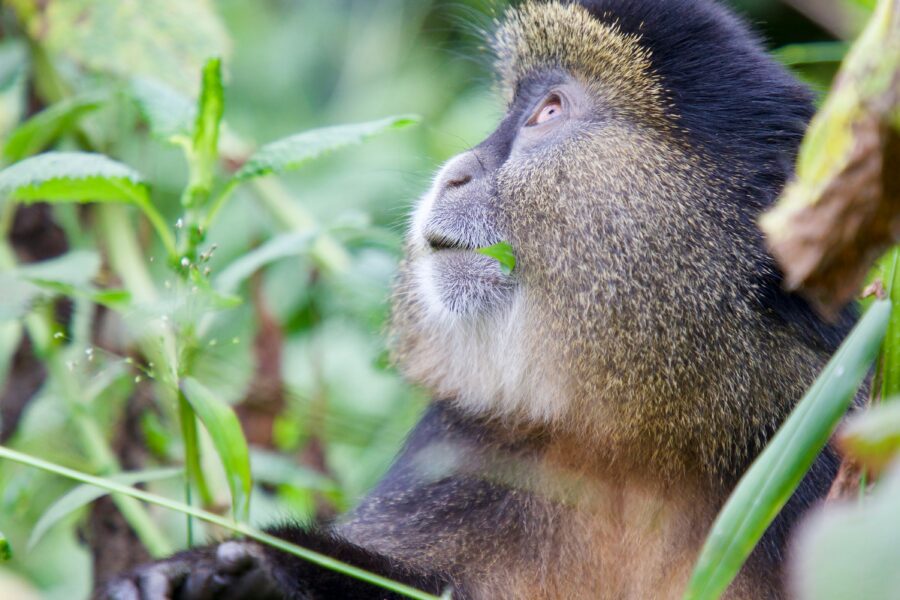
Golden monkeys occasionally move through the bamboo forests, while the volcanic scenery provides spectacular photographic opportunities throughout the experience. The trail therefore combines cultural discovery with nature appreciation, making it appealing to both cultural travellers and wildlife enthusiasts.
Who Should Experience the Batwa Trail?
The Batwa Trail Mgahinga is suitable for almost every visitor to southwestern Uganda. Families, photographers, students, researchers, conservationists, and travellers interested in Indigenous cultures all find the experience rewarding.
It is particularly valuable for visitors who wish to understand the human dimension of conservation. Gorilla trekking introduces travellers to Uganda’s extraordinary wildlife, while the Batwa Trail explains the historical relationship between local communities and the forests that now serve as protected habitats.
Together, these experiences provide a more complete understanding of the Virunga ecosystem.
Combining the Batwa Trail with Gorilla Trekking
Many visitors schedule the Batwa Trail Mgahinga alongside mountain gorilla trekking. This combination allows travellers to appreciate both the ecological importance of protecting endangered gorillas and the cultural history of the people who once shared the forest with them.
Golden monkey tracking, volcano hiking, birdwatching, and community visits can also be incorporated into a multi-day itinerary, creating a diverse safari experience that extends beyond wildlife viewing alone.
For visitors with additional time, continuing to Queen Elizabeth National Park, Lake Mburo National Park, or Murchison Falls National Park offers exceptional opportunities to experience Uganda’s varied landscapes and wildlife.
Responsible Tourism and Community Benefits
Participating in the Batwa Trail Mgahinga directly contributes to community development and cultural preservation. A portion of visitor fees supports Batwa guides, performers, and local initiatives aimed at improving education, livelihoods, and heritage conservation.
Responsible tourism also encourages younger generations to value traditional knowledge while creating sustainable economic opportunities linked to cultural tourism. By choosing locally guided experiences, visitors help ensure that Batwa history remains visible and respected within Uganda’s tourism industry.
Planning Your Visit
The Batwa Trail Mgahinga is available throughout the year, although the dry seasons from June to September and December to February generally offer the most comfortable walking conditions. Comfortable hiking shoes, lightweight clothing, a waterproof jacket, drinking water, sunscreen, insect repellent, and a camera are recommended for the excursion.
Because the trail is guided and visitor numbers are managed, advance booking is advisable, particularly during Uganda’s peak tourism seasons.
Travellers arriving from Kampala typically spend the night in Kisoro or within Mgahinga before participating in the trail. Many safari itineraries include transport, accommodation, park fees, and guiding services, simplifying the planning process.
Why the Batwa Trail Should Be Part of Your Uganda Safari
The Batwa Trail Mgahinga demonstrates that Uganda’s greatest treasures are not limited to wildlife. It offers a rare opportunity to engage with one of Africa’s oldest Indigenous cultures while walking through the forests that shaped their identity for thousands of years.
The experience adds depth and meaning to any visit to Mgahinga Gorilla National Park, transforming a wildlife-focused itinerary into a broader exploration of conservation, history, culture, and human resilience. Visitors leave with a greater appreciation of both the natural environment and the communities whose lives have long been intertwined with it.
At Murchison Falls Park Safari, we design tailor-made Uganda safaris that combine unforgettable wildlife encounters with authentic cultural experiences such as the Batwa Trail Mgahinga. Whether you are planning gorilla trekking, golden monkey tracking, wildlife safaris, or a complete journey across Uganda’s national parks, our experienced team will create an itinerary suited to your interests and travel style.
Explore our Uganda safari packages at Murchison falls park safari and discover how the Batwa Trail can become one of the most memorable highlights of your African adventure.