Best Camera Gear for a Uganda Safari: A Photographer’s Checklist
Uganda is one of the last great frontiers for wildlife photography. Between the misty forests of Bwindi, the thundering waters of Murchison Falls, and the open savannah of Queen Elizabeth National Park, photographers who visit this country come home with images they could never capture anywhere else. But getting those images depends on more than luck and good light. It depends on carrying the right camera gear for a Uganda safari, gear that can handle dust, humidity, long game drives, and the unpredictable rhythm of the African bush. This checklist walks through everything a serious safari photographer needs to pack, from camera bodies and lenses to the small accessories that make the difference between a missed shot and a career-defining frame.
Choosing the Right Camera Body
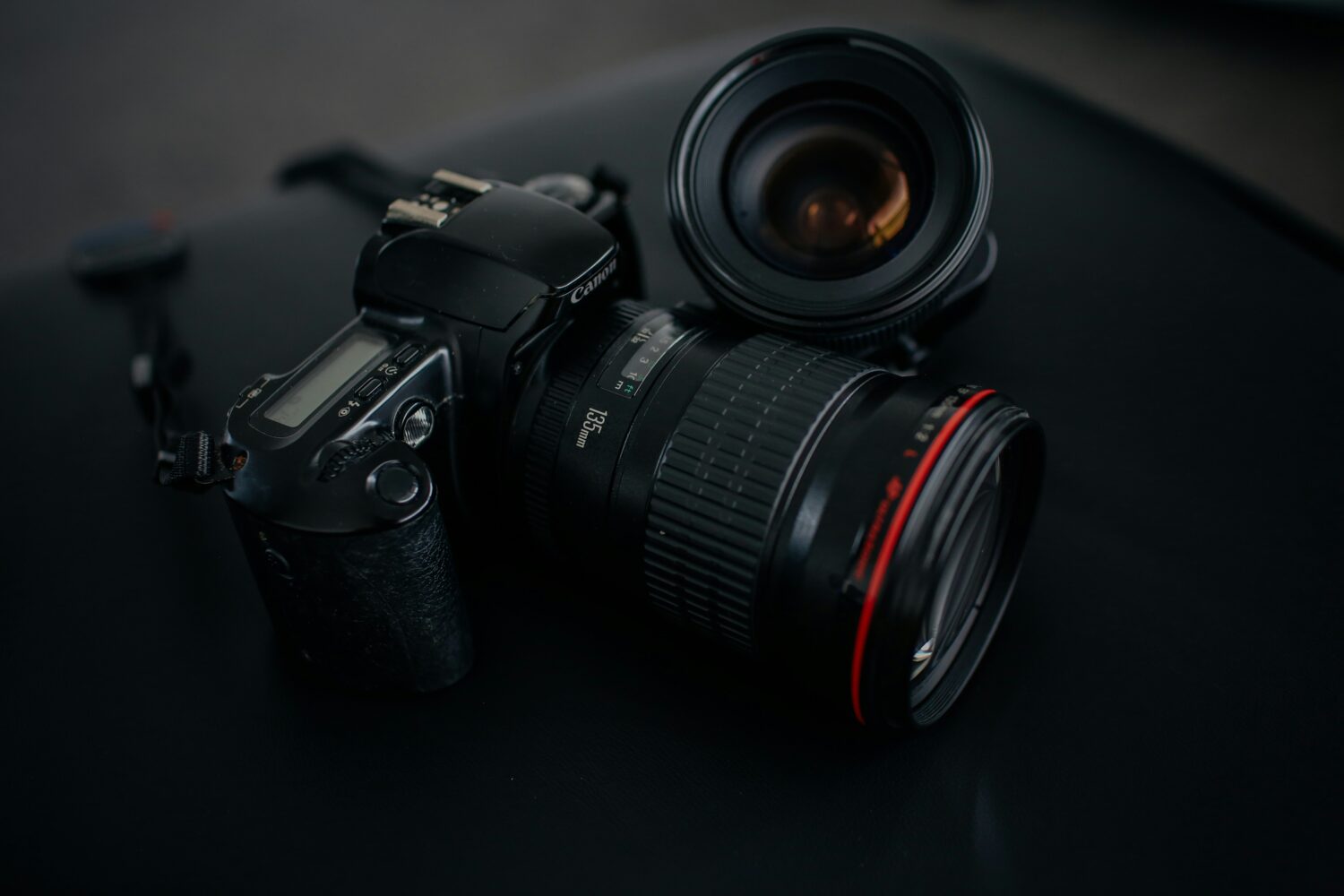
The single most important decision a photographer makes before a Uganda safari photography trip is which camera body to bring. Wildlife photography demands fast autofocus, strong low-light performance, and a body that can survive dust and the occasional splash of rain. Mirrorless cameras have become the preferred choice for most safari photographers because of their lighter weight, silent shutter options, and increasingly sophisticated animal-eye autofocus systems. A full-frame body gives the best low-light performance for early morning game drives, when lions are most active and the light is softest, but a well-built APS-C or crop-sensor body is a perfectly good option for photographers who want extra reach from their lenses without carrying the weight of a full-frame system.
Whichever body a photographer chooses, it should have weather sealing. Murchison Falls National Park and Queen Elizabeth National Park both throw up dust during long dry-season game drives, and sudden rain showers are common even in the drier months. A body without adequate sealing risks internal damage that no amount of careful packing can prevent. Bringing a second camera body, even a basic backup, is also worth considering. Uganda’s parks are remote, and a malfunctioning camera with no replacement in reach can mean losing days of shooting opportunities that will never come again.
Lenses: The Heart of Safari Photography
No piece of safari camera equipment matters more than the lens. Wildlife photography in Uganda calls for a telephoto zoom in the 100-400mm or 150-600mm range, which allows photographers to capture lions, elephants, and antelope from a safe and respectful distance without disturbing natural behavior. For photographers chasing birds along the Nile in Murchison Falls or in the papyrus swamps near Queen Elizabeth, an even longer lens, 600mm or beyond, opens up possibilities for capturing the shoebill stork and other elusive species that rarely allow close approach.
A wide-angle lens is equally essential, though for different reasons. Uganda’s landscapes, the Nile cutting through the Rift Valley escarpment, the crater lakes near Fort Portal, the rolling tea plantations around Bwindi, deserve a lens capable of capturing scale and drama. Wide-angle lenses also come into their own during gorilla trekking photography, where permit regulations require visitors to stay at least seven meters from the gorillas, but the dense forest canopy often means photographers end up much closer than that distance suggests. A mid-range zoom lens, something in the 24-70mm or 24-105mm range, bridges the gap between wide landscape shots and closer portrait-style images of camp life, local communities, and smaller wildlife encountered on guided walks.
Photographers should also think carefully about lens speed. Uganda’s forests, particularly Bwindi Impenetrable Forest and Kibale Forest, are dim even at midday because of the thick canopy overhead. A lens with a wide maximum aperture, f/2.8 or f/4, makes an enormous difference when photographing chimpanzees swinging through shadowed branches or gorillas resting in the undergrowth. Slower lenses will struggle in these conditions, forcing photographers to push ISO higher than they would like or to miss the shot altogether.
Tripods, Monopods, and Bean Bags
Stability matters as much as glass quality when shooting from a moving vehicle or on a long trek. Traditional tripods have limited use during game drives since most photography happens from inside a safari vehicle, but a bean bag draped over the window frame provides excellent stability for telephoto lenses without the bulk of a full tripod setup. Many photographers traveling through Murchison Falls National Park bring a bean bag that can be filled with rice or beans on arrival, rather than transporting a filled one through airport security.
A lightweight travel tripod still earns its place in the bag for early morning and late evening shots at the lodge, for long-exposure photography of Murchison Falls itself, and for group photos during the trip. Monopods offer a useful middle ground for photographers doing forest walks or gorilla trekking, where a full tripod would be too cumbersome to carry up steep, muddy terrain but a bit of extra stability is still welcome for longer lenses.
Protecting Gear from Dust, Rain, and Humidity
Uganda’s climate varies dramatically by region and season, and protecting camera gear on safari should be treated as seriously as choosing the gear itself. During the dry season, from December through February and June through September, red dust from the tracks in Murchison Falls and Queen Elizabeth can work its way into camera bodies and lens barrels if left unprotected. A simple rain cover, one built for dust as much as water, should stay on the camera during game drives whenever it is not actively in use.
 The wet seasons, particularly March through May and October through November, bring sudden downpours that can catch photographers off guard, especially in Bwindi’s higher elevations where afternoon showers are common. A dry bag large enough to hold a camera body and one or two lenses is worth its weight, particularly for gorilla trekking, where photographers are hiking through dense, wet vegetation for hours at a time. Silica gel packets placed inside camera bags help combat humidity, which can fog lenses and encourage fungus growth on optics left unused for even a few days in Uganda’s warm, moist air.
A rocket blower and a soft lens cloth should be carried at all times, not packed away in a suitcase back at the lodge. Dust settles quickly, and cleaning a lens element in the field, carefully and without introducing scratches, is a skill every safari photographer should practice before the trip begins.
Power, Batteries, and Memory Cards
Few things end a photography trip faster than a dead battery at the exact moment a leopard steps into view. Uganda’s safari lodges vary widely in their power infrastructure. Some offer reliable electricity around the clock, while more remote camps near Murchison Falls or in the Ishasha sector of Queen Elizabeth rely on generators that run only during specific hours. Photographers should pack at least three to four fully charged batteries per camera body, along with a compact battery charger and a universal power adapter, since Uganda uses the British-style three-pin plug.
A portable power bank capable of charging camera batteries via USB is an increasingly valuable backup, particularly for mirrorless shooters whose cameras tend to drain power faster than older DSLR systems. Memory cards deserve equal attention. High-speed cards with large storage capacity are essential for photographers shooting in burst mode to capture fast wildlife action, such as a hippo lunging out of the water or birds taking flight along the Nile. Carrying multiple smaller cards rather than a single large one reduces the risk of losing an entire trip’s images to card failure or corruption, and a portable hard drive or laptop for nightly backups adds an extra layer of security against loss.
Binoculars and Spotting Gear
While not strictly camera equipment, binoculars belong on every Uganda safari photography checklist. Spotting wildlife before it comes into camera range allows photographers to prepare settings, choose composition, and anticipate movement rather than reacting at the last second. A pair of binoculars with at least 8x magnification and a wide field of view works well for scanning the open plains of Queen Elizabeth or the riverbanks of Murchison Falls, where elephants and buffalo often appear as distant shapes before revealing themselves fully.
Drone Photography and Uganda’s Regulations
Aerial photography has become increasingly popular among safari visitors, but Uganda maintains strict regulations around drone use inside national parks. Permits are required from the Uganda Wildlife Authority before flying a drone anywhere near protected areas, and unauthorized drone use can result in confiscation of equipment and fines. Photographers interested in capturing aerial views of the Nile as it plunges through Murchison Falls, or the crater lakes near the Rwenzori foothills, should apply for permission well in advance of arrival and confirm current rules directly with park authorities, since regulations are updated periodically. For most travelers, ground-based photography combined with a scenic flight booked through a licensed operator offers a simpler and equally rewarding way to capture Uganda’s landscapes from above.
Clothing and Bag Considerations for Photographers
Camera gear needs a bag that matches the physical demands of Uganda’s terrain. A photographer backpack with padded compartments, weatherproof exterior fabric, and a comfortable harness system makes a significant difference on long game drives and especially during gorilla trekking, where hikes can last anywhere from thirty minutes to several hours across steep, uneven ground. Neutral-colored clothing, khaki, olive, and muted earth tones, helps photographers blend into the environment and avoid startling wildlife, while also reducing the visibility of dust and dirt that inevitably accumulates over a multi-day trip.
Gloves with fingertips exposed or removable flaps allow for quick camera adjustments during cold early morning drives, particularly at higher elevations near Bwindi, where temperatures can drop noticeably before sunrise. A neck strap or harness system that distributes the weight of a heavy telephoto lens across the shoulders rather than the neck alone prevents fatigue during long days in the field.
Preparing for Gorilla and Chimpanzee Trekking
Photography during gorilla trekking in Uganda comes with its own unique demands. Permit rules prohibit flash photography, since sudden bursts of light can startle gorillas and disrupt their natural behavior, so photographers must be comfortable working with available light and higher ISO settings in the dim forest interior. A lens with strong image stabilization compensates for the low shutter speeds often required in these conditions. Because trekking involves navigating muddy, root-covered trails, gear should be packed to allow quick access without unpacking an entire bag mid-hike. Many experienced photographers carry a single camera body with a versatile zoom lens attached during the trek itself, leaving heavier or more specialized equipment back at the lodge.
Chimpanzee tracking in Kibale Forest presents similar challenges but with faster-moving subjects, since chimpanzees travel through the canopy with far more speed and unpredictability than gorillas on the forest floor. A responsive autofocus system and a comfort with shooting at higher shutter speeds will serve photographers well in these encounters.
Building a Complete Packing Checklist
Bringing together everything covered here, a well-prepared photographer heading into Uganda’s parks should pack a weather-sealed camera body, a telephoto zoom lens for wildlife, a wide-angle lens for landscapes, and a mid-range zoom for versatility. A bean bag and lightweight tripod provide stability, while a rain cover, dry bag, and silica gel packets protect against Uganda’s dust and humidity. Multiple charged batteries, a portable charger, spare memory cards, and a backup storage solution guard against power and data loss. Binoculars help with spotting, a padded camera backpack keeps gear organized and protected, and neutral clothing rounds out a kit built specifically for the demands of East African travel.
Uganda rewards photographers who come prepared. The country’s parks move at their own pace, and the best images often come from patience as much as equipment, waiting for a lion to lift its head, for the light over the Nile to turn gold, for a silverback to glance directly into the lens. Having the right gear ready in that moment, protected from dust and charged for action, is what turns a good safari into an unforgettable photography trip.
Photographers planning a trip built around capturing Uganda’s wildlife and landscapes can browse tailored Murchison Falls safari packages, where itineraries can be adjusted to prioritize photography stops, extended game drives, and optimal lighting windows. For those adding gorilla trekking to their itinerary, the site’s gorilla trekking safari page outlines permit requirements and trekking logistics in detail, helping photographers plan camera-friendly routes well before departure. Anyone ready to start planning a custom photography-focused safari is encouraged to reach out through the contact page for a personalized itinerary built around the best light, the best locations, and the best wildlife encounters Uganda has to offer.