

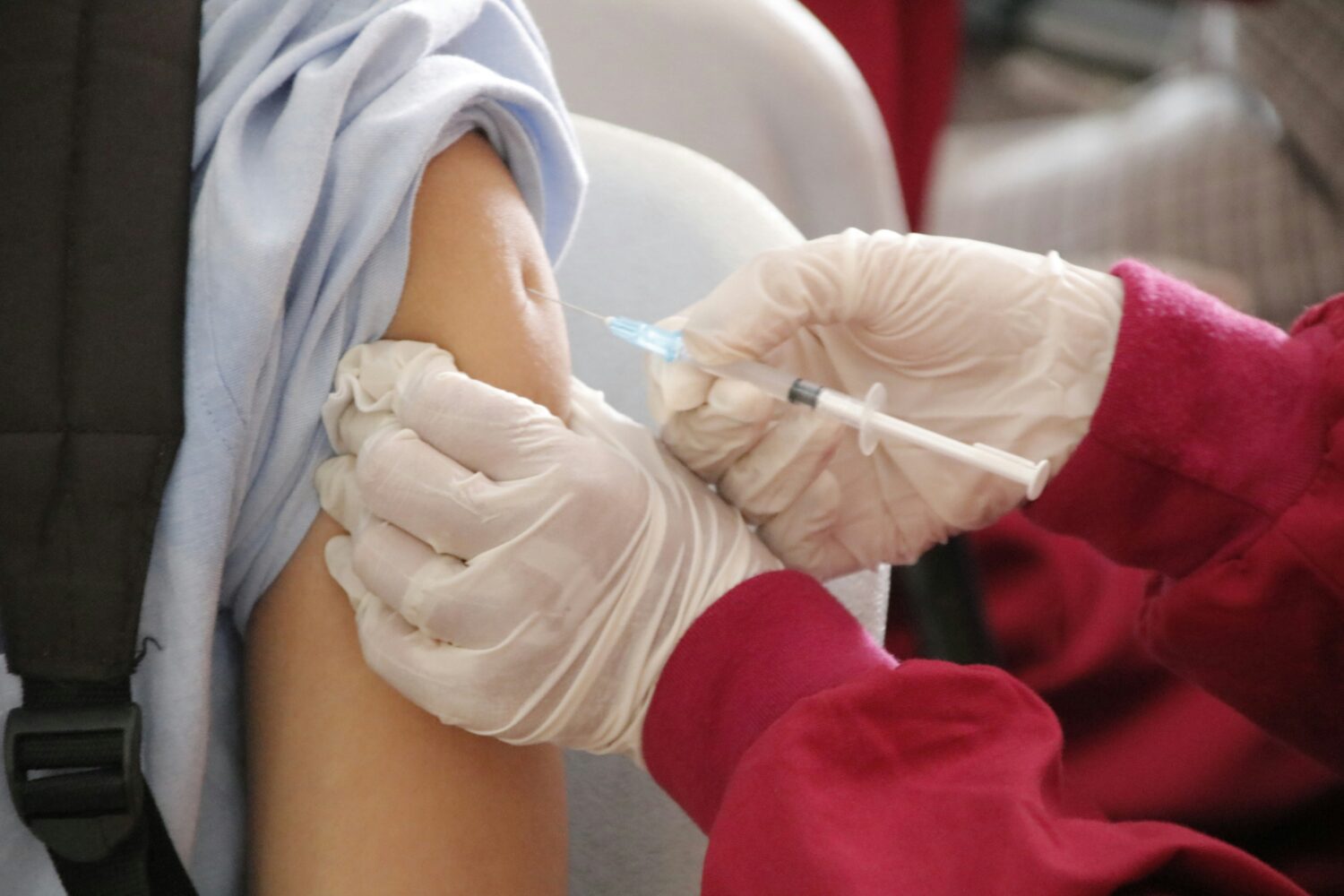
Vaccination Requirements for Asian Travelers to Uganda
Uganda’s growing popularity among travelers from India, China, Singapore, and other parts of Asia has brought a wave of new questions about health preparation, and few topics generate as much confusion as vaccination requirements. Many Asian travelers assume that because Uganda is not their home region, and because their own countries may not carry the same disease risks, health preparation before departure is optional or minimal. This is not the case. Uganda enforces specific, mandatory vaccination requirements for Uganda travel, and understanding them clearly before booking flights is essential for anyone planning a safari, gorilla trek, or business trip to the country. This guide walks through exactly what Asian travelers need to know, what is mandatory, what is strongly recommended, and how to prepare properly so that health documentation never becomes an obstacle at Entebbe International Airport.
Yellow Fever: The Only Mandatory Vaccine
The single non-negotiable requirement for entry into Uganda is proof of yellow fever vaccination. This applies to every traveler aged nine months and older, regardless of nationality or country of departure, including travelers arriving directly from India, China, Singapore, Japan, South Korea, or anywhere else in Asia. This is an important point of clarification, because many Asian travelers mistakenly believe that yellow fever requirements only apply to travelers arriving from countries where the disease is endemic. Uganda’s entry policy does not work that way. The requirement is universal, and immigration officials at Entebbe International Airport check certificates as a standard part of the entry process.
The vaccine must be administered at least ten days before arrival in Uganda, since it takes that long for full immunity to develop. Travelers who receive the vaccine any closer to their departure date risk having a certificate that is not yet considered valid on arrival, even if the physical vaccination has already taken place. According to World Health Organization guidelines, a single dose of the yellow fever vaccine provides lifelong protection for most people, meaning a booster is not required for travelers who were vaccinated years earlier, though some travelers may still choose to carry documentation of an older vaccination alongside a doctor’s note confirming validity.
Travelers who arrive in Uganda without a valid yellow fever certificate face serious consequences. Airport health authorities may administer the vaccine on the spot at the traveler’s expense, may place the traveler under quarantine for a period of time, or may deny entry altogether and arrange deportation on the next available flight. None of these outcomes are pleasant ways to begin a long-anticipated safari, and all of them are entirely avoidable with basic preparation weeks in advance.
Where Asian Travelers Can Get Vaccinated
Yellow fever vaccination must be administered at an approved and accredited vaccination center in order to produce a valid International Certificate of Vaccination or Prophylaxis, commonly known as the yellow card. Most major cities across Asia, including Mumbai, Delhi, Bangalore, Beijing, Shanghai, Singapore, Hong Kong, Tokyo, and Seoul, have designated travel health clinics authorized to administer the vaccine and issue this certificate. Travelers should confirm that their chosen clinic is on their national health authority’s approved list before booking an appointment, since not every general medical practice is authorized to issue the internationally recognized certificate that Uganda’s immigration officials require.
For travelers in India specifically, several government-approved yellow fever vaccination centers operate in major metropolitan areas, and confirmation of vaccination is checked not only on arrival in Uganda but also on return to India, since India itself maintains yellow fever entry protocols for travelers arriving from certain African countries. This makes the certificate a document worth safeguarding throughout the entire trip, not just during the initial Uganda arrival process.
Malaria Prevention for Asian Travelers
While not a vaccine-preventable disease in the traditional sense, malaria represents one of the most important health considerations for any traveler heading to Uganda, and this applies equally to visitors from across Asia. Uganda is classified as a high-risk malaria zone across virtually the entire country, including the areas surrounding Murchison Falls National Park, Queen Elizabeth National Park, and Bwindi Impenetrable Forest. Travelers should consult a physician or travel health clinic several weeks before departure to discuss antimalarial medication options suited to their individual health profile, since chloroquine resistance is present in Uganda and certain older antimalarial drugs are no longer effective.
Alongside medication, practical prevention matters enormously. Most safari lodges across Uganda provide mosquito nets over beds, and travelers are strongly encouraged to use insect repellent containing DEET, wear long sleeves and trousers during early morning and evening hours when mosquitoes are most active, and remain consistent with any prescribed antimalarial regimen throughout the trip and for the recommended period after returning home.
Recommended, Non-Mandatory Vaccinations
Beyond the mandatory yellow fever requirement, health authorities and travel medicine specialists recommend a range of additional vaccinations for travelers heading to Uganda, and Asian travelers should treat these recommendations with the same seriousness as travelers from any other region, since Uganda’s disease environment does not distinguish by traveler origin. Hepatitis A vaccination is commonly recommended given the risk of exposure through contaminated food or water, a relevant concern for travelers exploring local markets or dining outside of resort settings during their trip. Typhoid vaccination is similarly recommended for the same reasons, particularly for travelers planning extended stays or visits to rural areas beyond the standard safari circuit.
Tetanus and diphtheria boosters are recommended as part of routine travel health preparation, especially for travelers planning activities like gorilla trekking or forest walks where minor cuts and scrapes are more likely. Travelers planning longer stays in Uganda, or those anticipating close contact with wildlife, local communities, or rural healthcare settings, are often advised to consider Hepatitis B and rabies vaccinations as well, particularly rabies for travelers who may encounter domestic animals or wildlife during extended trips into remote areas.
Meningitis vaccination is worth discussing with a travel health provider for Asian travelers planning to visit Uganda during the dry season months, generally December through June, since meningitis risk in parts of East Africa can rise during these drier periods.
Preparing Documentation Before Departure
For Asian travelers, especially those coordinating vaccination appointments around demanding work schedules or family travel plans, timing matters enormously. Scheduling the yellow fever vaccine appointment should happen as early as possible in the trip planning process, ideally a month or more before departure, to comfortably clear the mandatory ten-day waiting period while leaving room for any unexpected scheduling delays. Travelers should request their certificate be properly completed, signed, and stamped at the time of vaccination, and should photograph or scan the document as a backup in case the physical copy is lost or damaged during travel.
Carrying the certificate alongside the passport, rather than packed away in checked luggage, ensures it is readily accessible when immigration officials request it on arrival at Entebbe. Travelers combining Uganda with visits to neighboring countries such as Kenya, Rwanda, or Tanzania as part of a broader East Africa itinerary should note that yellow fever documentation requirements apply across the region, making a single valid certificate essential rather than optional for the entire multi-country trip.
COVID-19 and General Health Considerations
While COVID-19 entry requirements have eased considerably in recent years, travelers should check current guidance directly with Uganda’s official immigration authority or their airline before departure, since health entry policies can shift with limited notice depending on regional and global health conditions at the time of travel. Beyond formal entry requirements, general travel health precautions remain important throughout a Uganda trip. Tap water is not recommended for drinking anywhere in the country, and travelers should rely on bottled or properly filtered water, which is widely available at lodges, hotels, and restaurants throughout the safari circuit. Sunscreen, rehydration salts, and a basic travel first aid kit round out sensible preparation for the physical demands of game drives, gorilla trekking, and long days spent outdoors near the equator.
Health Insurance and Medical Access
Asian travelers should also confirm that their travel insurance policy covers medical evacuation and treatment within Uganda before departure, since this is a detail travel health preparation checklists sometimes overlook in favor of vaccination logistics alone. Major cities and tourist areas in Uganda, including Kampala and Entebbe, have good-quality private healthcare facilities, but more remote regions near Murchison Falls or deep within Bwindi Impenetrable Forest have more limited medical access, making comprehensive travel insurance an important safeguard rather than an afterthought.
Building Vaccination Preparation into the Overall Trip Timeline
For travelers coming from India, China, Singapore, or elsewhere in Asia, the entire health preparation process, from scheduling a yellow fever vaccination appointment to receiving recommended additional vaccines to arranging appropriate travel insurance, fits comfortably into the same planning window as booking flights, applying for a Uganda e-visa, and confirming safari itineraries. Treating vaccination requirements as one integrated part of trip planning, rather than a separate and easily postponed task, is the most reliable way to avoid last-minute stress or, worse, complications at the airport that could derail an otherwise carefully planned journey to see Uganda’s gorillas, chimpanzees, and open-savannah wildlife.
Asian travelers planning a Uganda wildlife safari are encouraged to begin health preparation as early as possible alongside broader trip planning. For guidance on building a complete itinerary around Murchison Falls National Park, gorilla trekking permits in Bwindi, and multi-park safari routes suited to travelers coming from across Asia, visit murchisonfallsparksafari.com to explore tailored packages. The site’s gorilla trekking page offers further detail on permit booking and trekking logistics that pair naturally with early vaccination planning, and the team is available through the contact page to help coordinate a complete, well-prepared journey from documentation through departure.
This article is intended for general informational purposes and does not replace professional medical advice. Travelers should consult a licensed physician or accredited travel health clinic to confirm current requirements and receive guidance tailored to their individual health needs before departure.