Best Time to Visit Kibale National Park
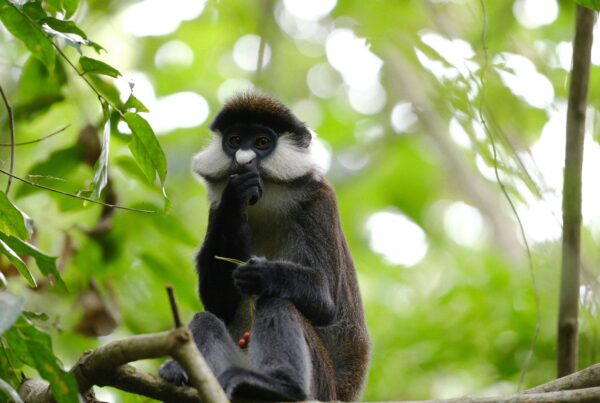
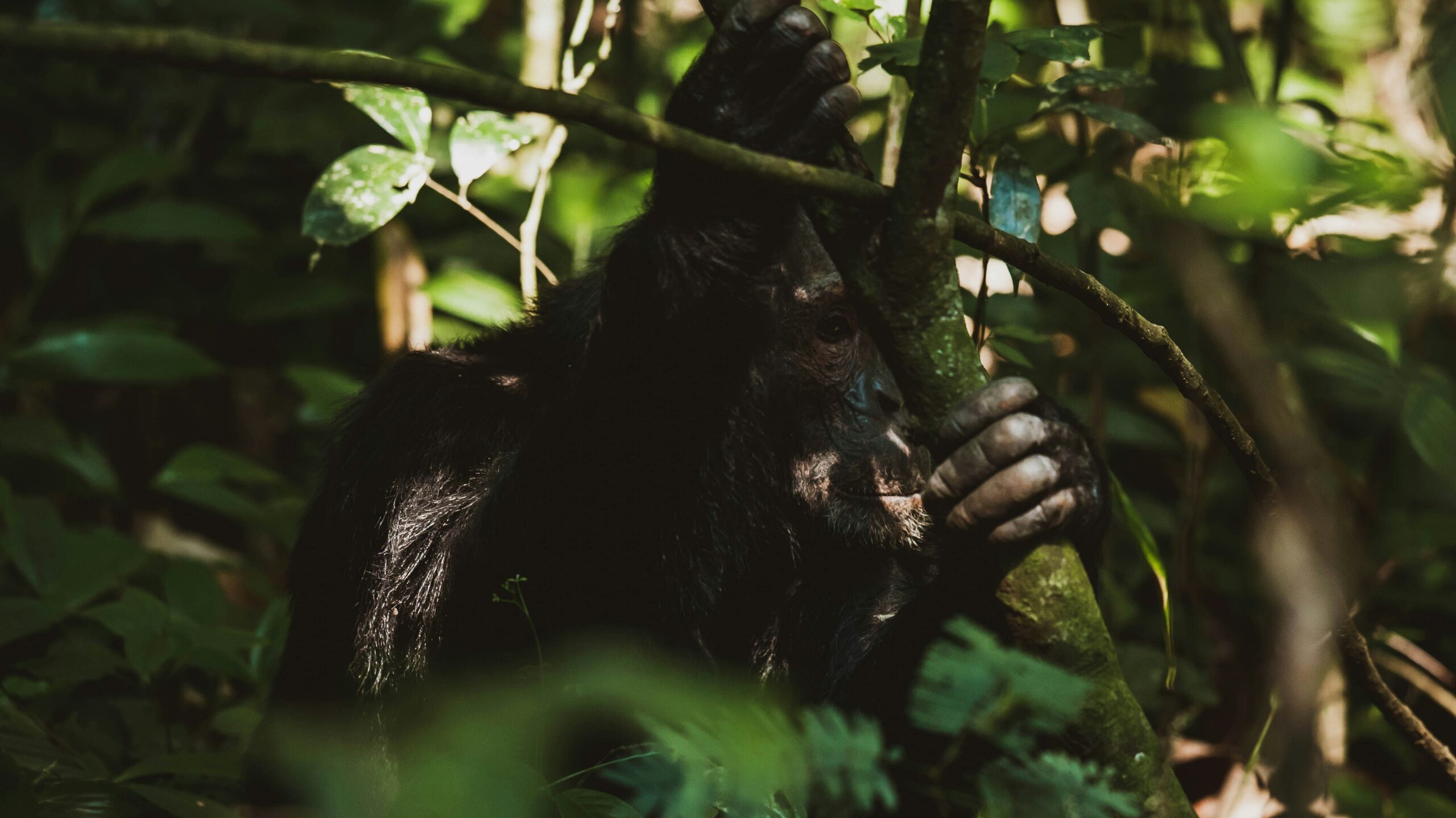
Understanding the best time to visit Kibale National Park is essential for planning a successful chimpanzee tracking safari in Uganda. Known as the “Primate Capital of the World,” Kibale National Park offers one of the highest concentrations of primates in Africa, including over 1,500 chimpanzees and 12 other primate species such as red colobus monkeys, L’Hoest’s monkeys, and grey-cheeked mangabeys.
While Kibale is a year-round destination, seasonal changes significantly influence trekking conditions, chimpanzee visibility, forest accessibility, and overall safari experience. Choosing the right time to visit can determine how easy your trek is, how active the chimpanzees are, and how rewarding your encounter becomes.
For travelers combining Kibale with other Uganda safari destinations such as Murchison Falls National Park, Queen Elizabeth National Park, or Bwindi Impenetrable Forest, timing becomes even more important to ensure smooth road travel and optimal wildlife viewing across the circuit.
This guide explores the seasonal breakdown, weather patterns, chimpanzee behavior, travel conditions, and expert recommendations for planning your visit to Kibale Forest.
Overview of Kibale National Park’s Climate
Kibale National Park is located in western Uganda near Fort Portal and lies within a tropical rainforest zone. The park experiences a warm, humid climate throughout the year, with relatively stable temperatures ranging between 14°C and 27°C.
Rainfall is distributed across two main wet seasons and two dry seasons, although even dry months may experience occasional showers due to the forest’s microclimate.
The dense vegetation of Kibale Forest means that moisture is always present, contributing to its rich biodiversity and lush green environment year-round.
Understanding these climate patterns is key to identifying the best time to visit Kibale National Park for chimpanzee tracking and other activities.
Dry Seasons: The Best Time for Chimpanzee Tracking
The most recommended period for visiting Kibale is during the dry seasons, which run from June to September and December to February.
During these months, forest trails are relatively drier and less slippery, making chimpanzee tracking easier and more comfortable. The canopy is slightly less dense compared to rainy seasons, improving visibility during forest walks.
Chimpanzees are also easier to track in dry months because they tend to move more frequently in search of food sources, often covering larger areas within the forest.
For most travelers, the dry season represents the best time to visit Kibale National Park for a balanced combination of accessibility, comfort, and successful chimpanzee encounters.
Wet Seasons: A Lush but Challenging Experience
The wet seasons in Kibale occur from March to May and October to November. During these months, the forest becomes extremely lush, green, and vibrant, creating a beautiful environment for photography and nature lovers.
However, heavy rainfall can make forest trails muddy, slippery, and more physically demanding. Chimpanzee tracking during wet months may require more endurance, as movement through dense vegetation becomes slower.
Despite these challenges, the wet season offers some advantages. Food is abundant in the forest, meaning chimpanzees may stay in smaller ranges and sometimes be easier to locate. The forest is also less crowded with tourists, allowing for more intimate tracking experiences.
For adventurous travelers, the wet season still provides a rewarding opportunity to experience Kibale Forest in its most natural and untouched form.
Chimpanzee Behavior and Seasonal Movement
One of the most important factors in determining the best time to visit Kibale National Park is chimpanzee behavior.
Chimpanzees in Kibale are highly mobile and spend their days foraging, grooming, socializing, and traveling through different parts of the forest.
During dry seasons, chimpanzees often move further distances in search of seasonal fruits, making tracking more dynamic but sometimes easier due to predictable movement patterns along known routes.
In wet seasons, food is more widely available, and chimpanzees may stay in smaller, denser areas of the forest, which can make sightings more concentrated but harder to physically reach.
Regardless of season, Kibale offers a high success rate for chimpanzee tracking, often exceeding 90% throughout the year.
Birding and Wildlife Viewing in Kibale
Kibale National Park is not only about chimpanzees. It is also one of Uganda’s premier birding destinations, with over 370 bird species recorded.
The best time to visit Kibale National Park for birding is during the wet seasons, particularly March to May, when migratory birds are present and breeding activity is high.
Species such as the African pitta, green-breasted pitta, and great blue turaco are among the highlights for birdwatchers.
Other wildlife in Kibale includes forest elephants (rarely seen), duikers, bush pigs, and various primates that add depth to the safari experience.
Best Time for Photography in Kibale Forest
Kibale Forest offers exceptional photography opportunities throughout the year, but each season provides a different style of imagery.
During dry seasons, light penetration through the canopy improves, allowing clearer shots of chimpanzees and other primates. Trails are also easier to navigate, enabling better positioning for photography.
During wet seasons, the forest becomes extremely green and atmospheric, creating dramatic and moody compositions. Water droplets, mist, and dense foliage enhance the visual appeal of forest photography.
For professional wildlife photographers, both seasons offer unique advantages depending on the desired style.
Accessibility and Travel Conditions by Season
Accessibility is an important factor when choosing the best time to visit Kibale National Park.
During dry seasons, roads leading from Kampala to Fort Portal and Kibale Forest are in better condition, making road safaris smoother and faster. Travel time from Kampala is approximately 5–6 hours via Fort Portal.
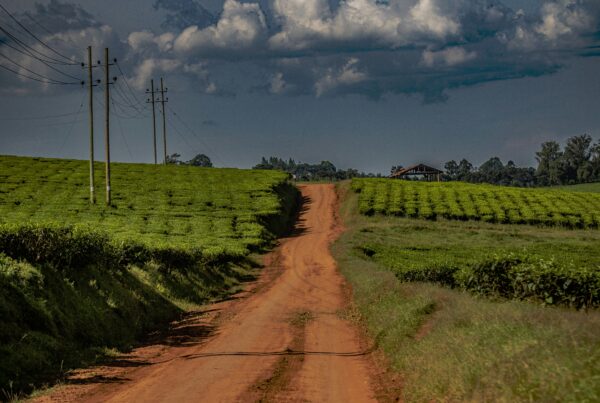
During wet seasons, some rural sections may become muddy or slower to navigate, especially on the final approach to the park. However, main highways remain passable throughout the year.
For travelers combining Kibale with Murchison Falls National Park, Queen Elizabeth, or Bwindi, dry seasons offer the most efficient multi-park travel experience.
Combining Kibale with Other Uganda Safari Destinations
Kibale National Park is strategically located within Uganda’s western safari circuit, making it easy to combine with other major destinations.
A popular safari route includes chimpanzee tracking in Kibale, game drives and boat cruises in Queen Elizabeth National Park, gorilla trekking in Bwindi Impenetrable Forest, and wildlife viewing in Murchison Falls National Park.
This combination provides a complete Uganda safari experience covering primates, savannah wildlife, and river ecosystems.
At Murchison Falls Park Safari, we design customized itineraries that integrate Kibale Forest with Uganda’s top destinations for a seamless travel experience.
Accommodation Options in Kibale National Park
Accommodation near Kibale Forest varies from luxury eco-lodges to midrange forest camps.
Luxury lodges such as Primate Lodge Kibale and Kyaninga Lodge offer comfortable stays with close access to chimpanzee tracking starting points. Midrange options provide affordable comfort while maintaining proximity to the forest.
The best time to visit influences availability, with peak dry seasons requiring early booking due to high demand.
Temperature and Weather Expectations
Kibale maintains relatively stable temperatures throughout the year. Daytime temperatures are warm and humid, while early mornings and evenings can be cooler, especially at higher elevations near Fort Portal.
Rainfall can occur at any time due to the rainforest environment, even during dry seasons. Travelers should always prepare for changing conditions by carrying waterproof gear and appropriate hiking footwear.
Conservation and Tourism Impact
Kibale National Park plays a vital role in chimpanzee conservation and forest protection. Tourism revenue supports anti-poaching efforts, research programs, and community development initiatives around the park.
Choosing the best time to visit Kibale National Park also indirectly supports conservation, as visitor fees contribute to the protection of chimpanzee habitats and surrounding ecosystems.
Responsible tourism ensures that Kibale remains one of Africa’s most important primate conservation areas.
Final Thoughts
The best time to visit Kibale National Park depends on your priorities as a traveler. Dry seasons offer easier trekking conditions, better accessibility, and more predictable chimpanzee encounters, while wet seasons provide lush landscapes, fewer crowds, and exceptional birding opportunities.
Regardless of season, Kibale Forest remains one of the most reliable and rewarding chimpanzee tracking destinations in Africa.
When combined with other Uganda safari highlights such as Murchison Falls National Park, Queen Elizabeth National Park, and Bwindi Impenetrable Forest, Kibale becomes an essential part of a complete Uganda wildlife journey.