Kibale Forest Night Walk: What to See After Dark
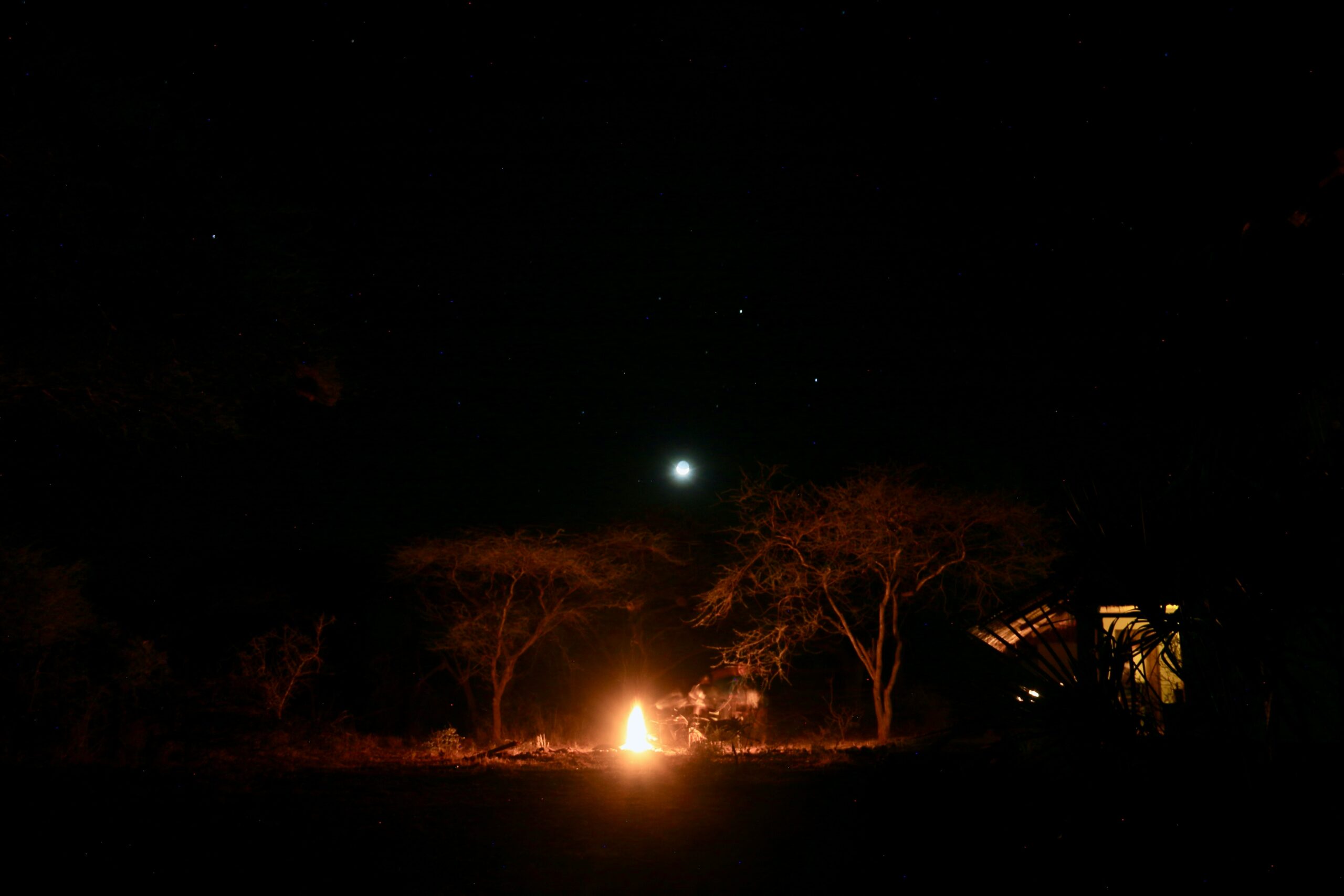
The Kibale Forest night walk what to see after dark experience is one of the most fascinating and underrated wildlife activities in Uganda. While Kibale National Park is globally famous for chimpanzee tracking during the day, the forest transforms completely after sunset, revealing a hidden world of nocturnal wildlife, rare primates, insects, and sounds that are impossible to experience in daylight.
Unlike traditional daytime chimpanzee trekking, a night walk in Kibale Forest offers a completely different perspective of the ecosystem. Guided by experienced rangers, visitors step into the darkness of one of Africa’s most biologically rich rainforests, where life continues in subtle, mysterious, and often surprising ways.
For travelers combining Uganda safari destinations such as Murchison Falls National Park, Queen Elizabeth National Park, and Bwindi Impenetrable Forest, the Kibale night walk adds a rare nocturnal dimension to an already diverse safari experience.
Understanding the Kibale Forest Night Walk Experience
The Kibale Forest night walk what to see after dark experience takes place along designated forest trails near the park boundary, usually around the Kanyanchu area.
Led by trained Uganda Wildlife Authority rangers, visitors explore the forest on foot using flashlights and guided interpretation. The focus is on nocturnal wildlife that becomes active after sunset, including primates, reptiles, insects, and amphibians.
Unlike daytime chimpanzee trekking, the night walk is quieter, slower, and more sensory-driven. Sounds become more important than sight, and every rustle in the leaves may indicate hidden wildlife activity.
This experience offers a rare opportunity to see Kibale Forest in its most natural and least disturbed state.
Nocturnal Primates in Kibale Forest
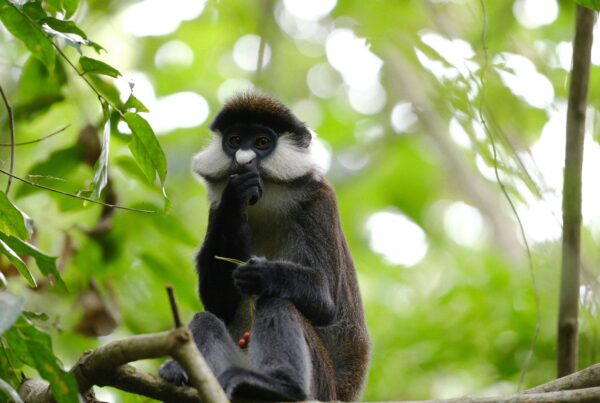
One of the highlights of the Kibale Forest night walk what to see after dark experience is the chance to observe nocturnal primates.
The most commonly seen species include pottos and bushbabies (galagos), both of which are highly adapted to nighttime life.
Bushbabies are small, fast-moving primates with large eyes that reflect light, making them easier to spot during night walks. They move quickly between branches, feeding on insects and tree sap.
Pottos are slower and more secretive, often found clinging motionless to branches. Their camouflage makes them difficult to detect unless illuminated by a flashlight.
These nocturnal primates are rarely seen during daytime chimpanzee tracking, making the night walk a unique opportunity to explore a different side of Kibale’s biodiversity.
Night Sounds of Kibale Forest
One of the most powerful aspects of the Kibale Forest night walk what to see after dark experience is the forest soundscape.
At night, Kibale becomes a symphony of calls, rustles, and distant movements. Crickets, frogs, and insects dominate the soundscape, while occasional primate calls echo through the forest canopy.
Chimpanzees may still be heard vocalizing in the distance as they settle into their nests for the night. The haunting calls of nocturnal birds also add to the atmosphere.
These sounds create a deeply immersive experience that connects visitors to the forest in a way that daylight safaris cannot replicate.
Reptiles, Amphibians, and Insect Life
The Kibale Forest night walk what to see after dark experience also reveals a wide range of reptiles and amphibians that become active at night.
Tree frogs are commonly seen near water sources and along damp forest trails. Their bright colors and reflective eyes make them easy to spot under torchlight.
Chameleons may also be encountered slowly moving along branches, displaying their unique ability to change color and blend into the environment.
Insects such as giant moths, beetles, and stick insects become more visible after dark, contributing to the forest’s biodiversity.
This diversity highlights Kibale Forest as one of Africa’s richest ecosystems, even beyond its famous primates.
Birdlife After Sunset
Although most bird activity in Kibale National Park occurs during the day, some nocturnal and crepuscular species can be observed during night walks.
Owls are among the most notable nighttime birds, often heard before they are seen. Their calls echo through the forest as they hunt small mammals and insects.
Nightjars may also be spotted resting on forest paths or branches, camouflaged against the forest floor.
These rare sightings add another layer of interest to the Kibale Forest night walk what to see after dark experience.
Forest Ecology at Night
The ecosystem of Kibale Forest changes significantly after sunset.
During the day, the forest is dominated by primate activity, especially chimpanzees. At night, the focus shifts to smaller mammals, insects, amphibians, and nocturnal predators.
Temperature drops slightly, humidity increases, and the forest becomes quieter except for nocturnal activity.
This shift highlights the complexity of Kibale’s ecosystem, where different species occupy different time zones to avoid competition and maximize survival.
Understanding this ecological rhythm is part of what makes the night walk so educational and engaging.
Safety and Guided Experience
The Kibale Forest night walk what to see after dark experience is conducted under strict safety guidelines by Uganda Wildlife Authority rangers.
Visitors are always accompanied by trained guides who are familiar with forest trails, wildlife behavior, and emergency procedures.
Walks are conducted in small groups to minimize disturbance and ensure safety.
Flashlights are used carefully to avoid disrupting wildlife, and visitors are advised to follow all ranger instructions at all times.
This controlled approach ensures that the experience remains safe, sustainable, and respectful to wildlife.
Best Time for Night Walks in Kibale Forest
Night walks in Kibale are available year-round, but the best conditions are typically during the dry seasons from June to September and December to February.
During these months, trails are easier to navigate, and visibility is slightly better due to reduced rainfall and clearer forest paths.
Wet seasons can also offer excellent experiences, especially for amphibian activity, but trails may be more challenging due to mud and slippery terrain.
Regardless of season, the Kibale Forest night walk what to see after dark experience remains consistent in wildlife diversity.
Comparison with Daytime Chimpanzee Tracking
Many travelers combine the night walk with daytime chimpanzee trekking in Kibale National Park.
While chimpanzee tracking focuses on large primates in social groups during daylight hours, night walks reveal smaller, nocturnal species and different ecological behaviors.
Daytime experiences are active and energetic, while night walks are quiet and atmospheric.
Together, they provide a complete understanding of Kibale Forest’s biodiversity across a 24-hour cycle.
Accessibility and Safari Integration
Kibale Forest is located near Fort Portal in western Uganda and is easily accessible from Kampala in approximately 5–6 hours by road.
The Kibale Forest night walk what to see after dark experience is often included in multi-day safari itineraries that also feature Murchison Falls National Park, Queen Elizabeth National Park, and Bwindi Impenetrable Forest.
At Murchison Falls Park Safari, we design customized Uganda safari itineraries that combine chimpanzee trekking, night walks, and savannah game drives for a complete wildlife experience.
Photography Opportunities at Night
Night photography in Kibale Forest is challenging but rewarding.
The use of flashlights allows for unique close-up images of nocturnal primates, insects, and amphibians. However, low-light conditions require patience and proper guidance.
The glowing eyes of bushbabies and the textured patterns of tree frogs are among the most striking photographic subjects during the Kibale Forest night walk what to see after dark experience.
Conservation Importance of Night Walks
Night walks contribute to conservation by promoting awareness of nocturnal biodiversity and generating revenue for park protection.
They also encourage low-impact tourism that does not disturb natural wildlife behavior.
By participating in guided night walks, visitors directly support conservation efforts in Kibale National Park and surrounding ecosystems.
Final Thoughts
The Kibale Forest night walk what to see after dark experience reveals a hidden world that most safari travelers never see. From bushbabies and pottos to owls, frogs, and glowing insects, the forest transforms into a living nocturnal ecosystem full of subtle activity and natural rhythm.
When combined with chimpanzee trekking and other Uganda safari experiences such as Murchison Falls National Park, Queen Elizabeth National Park, and Bwindi Impenetrable Forest, Kibale becomes one of Africa’s most complete wildlife destinations.