Fort Portal Town: Gateway to Kibale and Rwenzori
Fort Portal Town is widely regarded as the “gateway” to two of Uganda’s most iconic natural attractions: Kibale National Park and the Rwenzori Mountains National Park. Nestled in western Uganda at the foothills of the Rwenzori range, Fort Portal is one of the country’s most scenic, clean, and culturally rich towns, serving as a strategic stopover for travelers exploring Uganda’s primate, mountain, and savannah safari circuits.
For many visitors, especially those connecting safaris between Murchison Falls National Park, Queen Elizabeth National Park, and Bwindi Impenetrable Forest, Fort Portal is more than just a transit town. It is a destination in its own right, offering crater lakes, tea plantations, cultural encounters, and easy access to chimpanzee tracking in Kibale Forest and hiking adventures in the Rwenzori Mountains.
This guide explores everything you need to know about Fort Portal Town as the gateway to Kibale and Rwenzori, including travel logistics, attractions, safari connections, accommodation, and why it plays such a central role in Uganda’s tourism landscape.
Where Fort Portal Is Located and Why It Matters
Fort Portal Town is located in western Uganda, approximately 300 kilometers from Kampala. It sits at an elevation of around 1,500 meters above sea level, giving it a cool climate compared to much of the country.
The town lies at the base of the Rwenzori Mountains, also known as the “Mountains of the Moon,” and is surrounded by lush tea plantations, crater lakes, and rolling hills.
Its strategic position makes it the main access point for both Kibale National Park, famous for chimpanzee tracking, and Rwenzori Mountains National Park, known for multi-day trekking expeditions and alpine scenery.
Because of this, Fort Portal Town gateway to Kibale and Rwenzori is not just a descriptive phrase but a practical reality for Uganda safari routes.
Fort Portal as the Gateway to Kibale National Park
One of the most important roles of Fort Portal Town is serving as the main access hub for Kibale National Park, which is located approximately 30–40 minutes away.
Kibale Forest is home to one of the highest densities of primates in Africa, including over 1,500 chimpanzees. Most travelers staying in Fort Portal use the town as a base for chimpanzee trekking excursions.
The road from Fort Portal to Kibale passes through scenic countryside, small villages, and forested landscapes, offering a smooth and picturesque journey into the park.
Chimpanzee tracking experiences are typically organized from Kanyanchu Visitor Centre, making Fort Portal the most convenient overnight or stopover point for visitors.
For travelers combining Uganda safari destinations such as Murchison Falls National Park, Queen Elizabeth National Park, and Bwindi Impenetrable Forest, Fort Portal provides a natural midpoint within the western safari circuit.
Fort Portal as the Gateway to the Rwenzori Mountains
The second major role of Fort Portal Town gateway to Kibale and Rwenzori is its access to the Rwenzori Mountains National Park.
The Rwenzori Mountains are one of Africa’s most spectacular and challenging mountain ranges, featuring snow-capped peaks, glaciers, alpine valleys, and unique vegetation zones.
From Fort Portal, travelers can access the Rwenzori base area in Kasese, which is approximately 1.5 to 2 hours away by road.
The mountains offer multi-day trekking experiences ranging from short nature walks to demanding summit expeditions on Margherita Peak, the third-highest point in Africa.
Fort Portal serves as the ideal logistical hub for preparation, accommodation, and briefing before embarking on Rwenzori trekking adventures.
Crater Lakes Around Fort Portal
One of the most visually striking features of Fort Portal Town is its surrounding crater lake region.
The area contains dozens of volcanic crater lakes formed by ancient geological activity within the Albertine Rift Valley.
Some of the most famous include Lake Nyinambuga, Lake Nkuruba, and Lake Kyaninga. These lakes are known for their stunning turquoise waters, forested rims, and panoramic viewpoints.
Many travelers visiting Fort Portal include crater lake tours as part of their itinerary, either before or after chimpanzee tracking in Kibale Forest.
The crater lakes also contribute to Fort Portal’s reputation as one of Uganda’s most scenic towns.
Tea Plantations and Scenic Landscapes
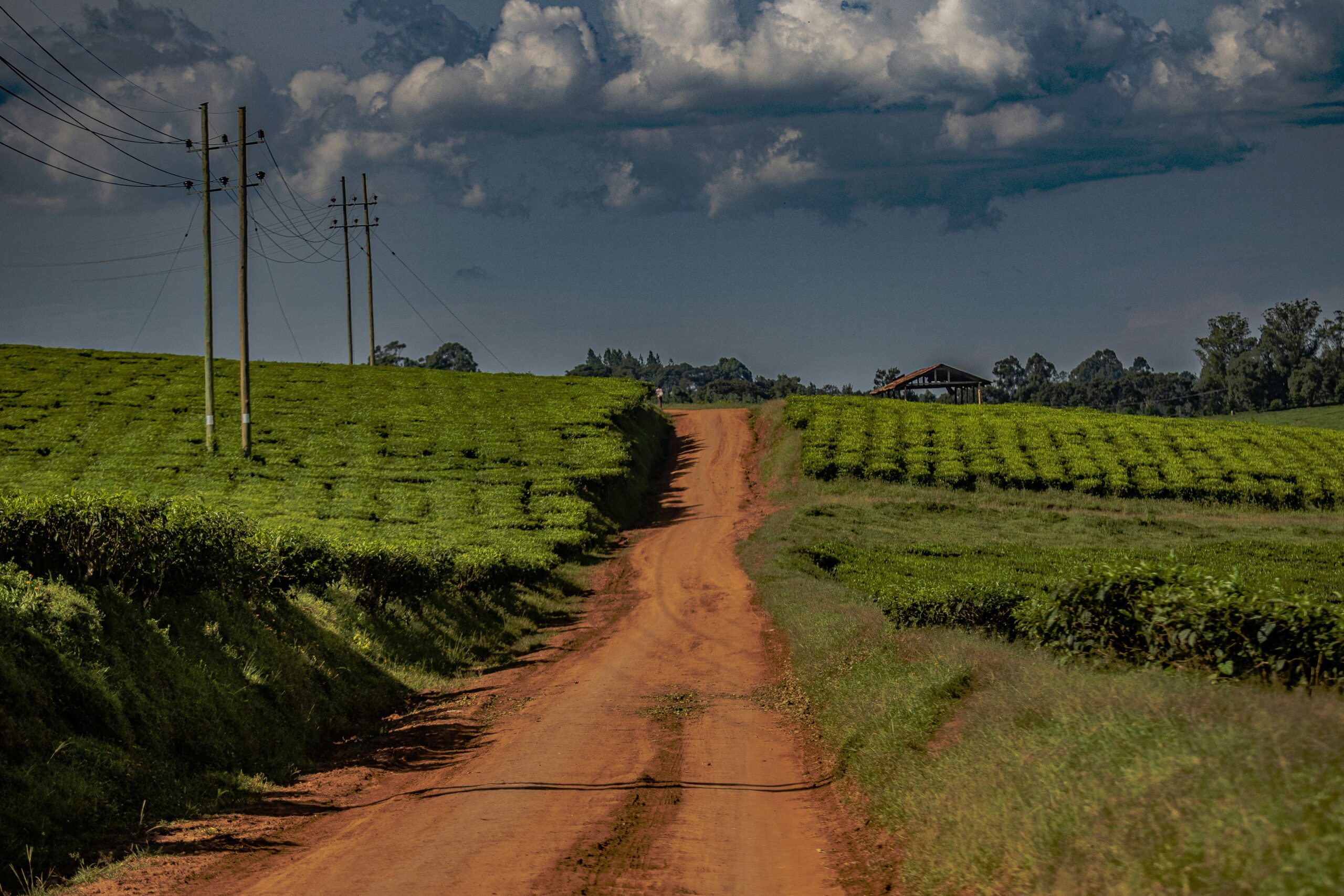
Another defining feature of Fort Portal Town gateway to Kibale and Rwenzori is its expansive tea plantations.
The region’s high altitude and fertile volcanic soils make it ideal for tea cultivation, resulting in rolling green landscapes that stretch across hills and valleys.
Visitors traveling through Fort Portal often pass through or stop at tea estates, where they can learn about tea processing and enjoy panoramic views of the plantations.
These landscapes create a calming and picturesque environment that contrasts with the dense forests of Kibale and the rugged peaks of the Rwenzori Mountains.
Cultural Experiences in Fort Portal
Fort Portal is also a cultural center of western Uganda, home to the Tooro Kingdom.
The town features traditional palaces, cultural museums, and community experiences that allow visitors to learn about Tooro heritage, customs, and leadership systems.
Cultural performances, storytelling, and traditional dance experiences are often available for travelers passing through the region.
This cultural richness adds depth to the Fort Portal Town gateway to Kibale and Rwenzori experience, combining nature with heritage.
Accommodation in Fort Portal
Fort Portal offers a wide range of accommodation options suitable for safari travelers.
Luxury lodges near crater lakes provide scenic views and high-end comfort, while midrange hotels in town offer convenient access to restaurants and transport connections.
Many travelers choose to stay in Fort Portal before or after chimpanzee tracking in Kibale National Park due to its strategic location and comfortable climate.
The town’s accommodation options make it an ideal base for exploring both Kibale Forest and the Rwenzori Mountains.
Best Time to Visit Fort Portal
The best time to visit Fort Portal Town gateway to Kibale and Rwenzori is during Uganda’s dry seasons from June to September and December to February.
During these months, road conditions are better, chimpanzee trekking in Kibale is easier, and mountain trekking in the Rwenzori range is more accessible.
However, Fort Portal remains a year-round destination due to its stable climate and evergreen landscapes.
Rainfall is common throughout the year due to the region’s tropical forest environment, but it rarely disrupts travel significantly.
Travel Connections from Fort Portal
Fort Portal is well connected to major Uganda safari destinations.
It is approximately 5–6 hours from Kampala, 1–2 hours from Queen Elizabeth National Park, and a key link between Murchison Falls National Park and southwestern Uganda safari circuits.
Many travelers pass through Fort Portal when moving between chimpanzee trekking in Kibale and gorilla trekking in Bwindi Impenetrable Forest.
This central positioning makes it one of Uganda’s most important safari transit towns.
At Murchison Falls Park Safari, we incorporate Fort Portal into customized itineraries that connect Uganda’s northern and western safari circuits seamlessly.
Activities Around Fort Portal
The region surrounding Fort Portal offers a variety of activities beyond chimpanzee trekking and mountain hiking.
These include crater lake tours, nature walks, birdwatching, cultural visits, and hot spring exploration in nearby areas such as Semuliki National Park.
The diversity of activities makes Fort Portal suitable for both short stopovers and longer stays.
Its combination of nature, culture, and adventure ensures that travelers experience more than just a transit point.
Why Fort Portal Is Important in Uganda Safaris
The significance of Fort Portal Town gateway to Kibale and Rwenzori lies in its strategic location, scenic beauty, and accessibility.
It connects Uganda’s primate destinations with its mountain and savannah ecosystems, making it a vital link in multi-park safari itineraries.
Without Fort Portal, access to Kibale Forest and the Rwenzori Mountains would be far less convenient for travelers exploring western Uganda.
It plays a central role in balancing logistics, comfort, and safari efficiency.
Final Thoughts
Fort Portal Town gateway to Kibale and Rwenzori is more than a geographic description; it represents one of Uganda’s most important safari hubs. With its crater lakes, tea plantations, cultural heritage, and proximity to two world-class national parks, Fort Portal offers travelers a unique blend of relaxation and adventure.
Whether used as a stopover for chimpanzee trekking in Kibale National Park, a base for exploring the Rwenzori Mountains, or part of a broader Uganda safari circuit including Murchison Falls National Park, Fort Portal remains an essential destination in western Uganda.