
Butterflies of Uganda: Kibale Forest’s Colorful Secret
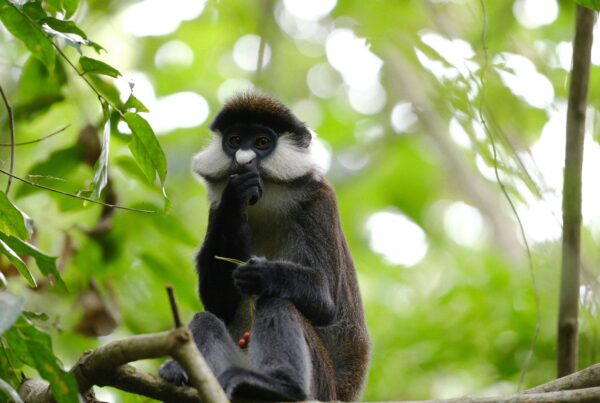
Mention Kibale National Park to most travelers and the conversation turns immediately to chimpanzees, and understandably so, given the park’s reputation as one of the best places on the continent to track wild chimps at close range. Yet spend even a single morning walking Kibale’s forest trails with attention turned slightly downward and sideways, rather than up into the canopy, and an entirely different kind of wildlife spectacle reveals itself. The butterflies of Uganda reach one of their richest concentrations anywhere in the country within Kibale’s forest interior, and for travelers willing to slow down and look closely, this quieter corner of the park experience is every bit as rewarding as the primate tracking that draws most visitors there in the first place.
Uganda’s Underrated Status as a Butterfly Destination
Uganda holds a reputation among naturalists that rarely reaches mainstream safari marketing: it is one of the most species-rich butterfly destinations anywhere in Africa, with well over a thousand documented species spread across its tropical rainforest, montane forest, woodland, and savannah habitats. This diversity owes much to Uganda’s position within the Albertine Rift, a region of exceptional biological richness that shares species with the vast Congo Basin rainforest system to the west while also supporting habitats found nowhere else on the continent. Several forest sites across the country stand out as particularly strong locations for butterfly watching in Uganda, and Kibale National Park consistently ranks among the very best of them, alongside Budongo Forest Reserve, Semuliki National Park, and Mabira Forest Reserve.
What makes this diversity especially remarkable is how overlooked it remains relative to Uganda’s more famous wildlife attractions. Travelers plan entire itineraries around gorilla permits and chimpanzee tracking without realizing that the same forests hosting those iconic primates are also home to a butterfly community rich enough to reward dedicated attention on its own terms.
Kibale Forest’s Butterfly Numbers in Context
Estimates of butterfly diversity specifically within Kibale National Park vary somewhat depending on the source, with figures ranging from just over two hundred species according to Uganda Wildlife Authority estimates to figures approaching two hundred fifty or more cited by some park guides and tour operators. Long-term scientific research conducted within the park, including a notable multi-year monitoring project tracking fruit-feeding butterflies across dozens of forest sites, has documented significant seasonal and year-to-year variation in butterfly abundance, underscoring just how dynamic and understudied this aspect of Kibale’s ecology remains even after years of dedicated research.
Whatever the precise figure, the practical takeaway for travelers is the same: Kibale hosts one of the densest concentrations of Kibale Forest butterflies anywhere in Uganda, spread across the park’s mix of medium-altitude montane rainforest, forest edge, and the grassland corridors that connect Kibale to neighboring Queen Elizabeth National Park.
The Swallowtails: Kibale’s Signature Butterflies
Among the many families represented in Kibale, the swallowtails tend to draw the most attention from visiting naturalists, and for good reason. The African giant swallowtail, scientifically known as Papilio antimachus, ranks among the largest butterfly species found anywhere on the continent, and sightings of this striking, powerful flier within Kibale’s forest interior rank as a genuine highlight for any dedicated butterfly enthusiast. The forest swallowtail, Papilio dardanus, offers a different kind of fascination entirely, since females of this species display remarkable variation in wing pattern and coloration, a form of mimicry that has made the species a long-running subject of scientific study into how butterflies evolve protective resemblance to other, less palatable species.
The green-banded swallowtail, often referenced under the scientific name Papilio nireus or in some regional listings as Papilio parcos, adds a striking flash of iridescent green banding across dark wings, making it one of the more visually arresting species likely to cross a forest trail during a chimp trekking outing or dedicated nature walk. Travelers with even a passing interest in the elegant, unhurried flight pattern typical of swallowtail species will find Kibale’s population of these butterflies a consistently rewarding sight throughout the forest’s network of walking trails.
The Charaxes: Kibale’s “Emperor” Butterflies
A second family well represented within Kibale’s forest goes by the popular name of “emperor” butterflies, a nod to the genus Charaxes and its typically large, powerfully built, richly colored members. The white-veined charaxes, scientifically Charaxes brutus, along with the forest charaxes and the velvet-spotted charaxes, all number among the species recorded within Kibale’s boundaries, and these butterflies are frequently drawn to fermenting fruit on the forest floor, a feeding behavior that has made them a useful subject for the banana-baited trapping methods researchers have used to study the park’s butterfly community over more than a decade of monitoring.
This fruit-feeding habit also makes charaxes species genuinely rewarding to observe in practice, since patches of fallen, fermenting fruit along forest trails often attract small gatherings of these large, boldly patterned butterflies, offering considerably better viewing opportunities than species that remain more dispersed across the forest canopy.
Other Notable Species Across Kibale’s Forest Trails
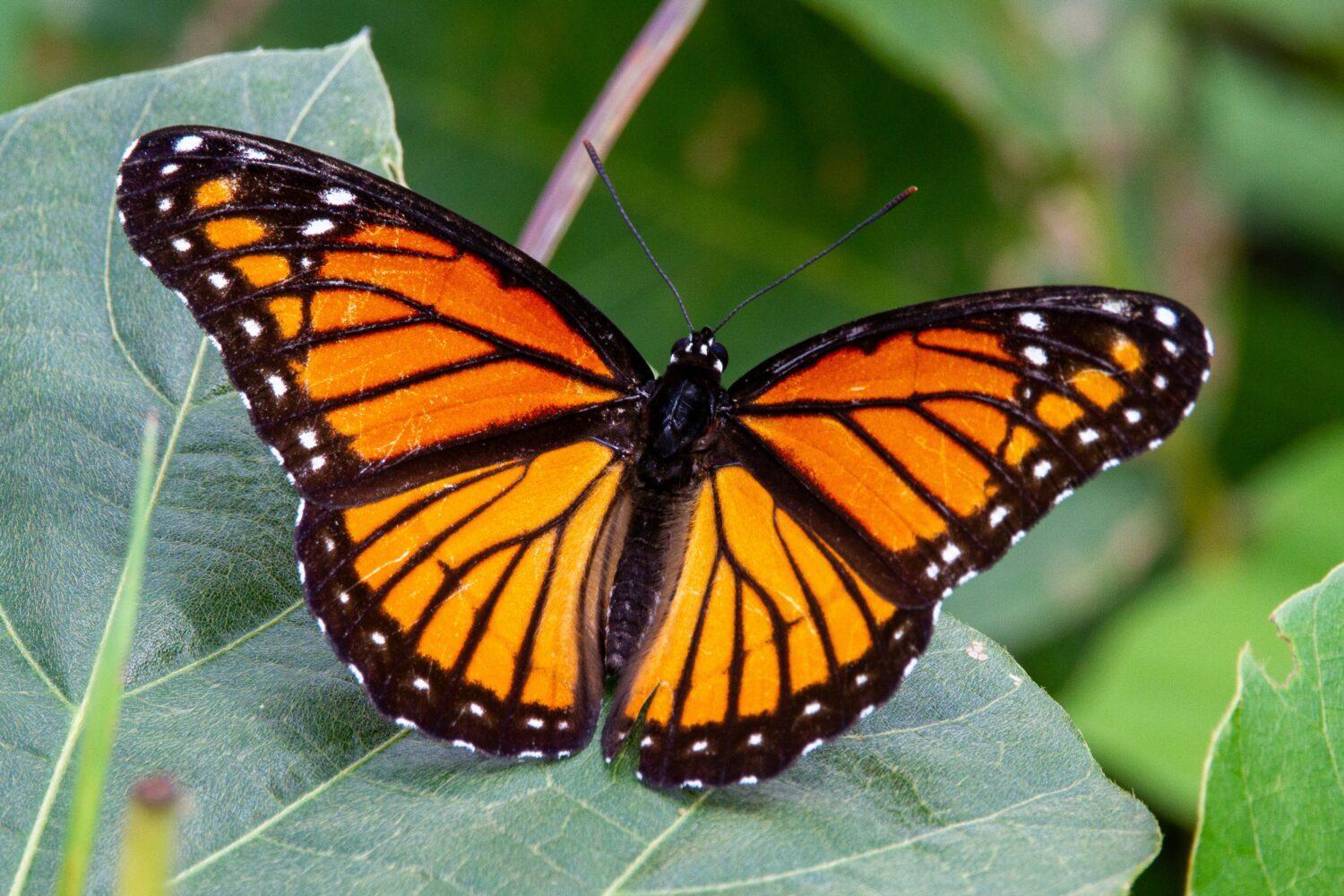
Beyond the swallowtails and charaxes, Kibale’s butterfly community includes a genuinely diverse cast of smaller, equally colorful species. The patterned African map butterfly, named for the intricate, map-like lines across its wings, appears regularly along forest edges and clearings. The common leopard, scientifically Phalanta phalantha, and its close relative the western blotched leopard both bring warm orange tones patterned with dark spotting reminiscent of the big cat that shares their common name. The red glider and Crossley’s forest queen round out a list of species that regularly appear in guided descriptions of Kibale’s butterfly diversity, each contributing its own distinctive color and wing pattern to the forest’s overall visual richness.
Skipper species, a group of small to medium-sized butterflies known for their distinctive, rapid flight pattern rather than the more leisurely glide typical of larger species, also feature throughout Kibale’s trail network, adding yet another layer of diversity for travelers paying close attention during forest walks. Beyond butterflies specifically, Kibale’s rich understory and forest floor also support a range of amphibian species, including several tree frog varieties, contributing to the broader sense of the forest as a place where small, easily overlooked wildlife rewards patient observation just as richly as the park’s more famous primates.
When to Visit Kibale for the Best Butterfly Viewing
Butterfly activity across Uganda’s forests tends to respond closely to rainfall and the resulting flush of new plant growth that follows, since host plants and fermenting fruit both depend on adequate moisture to support the insect life that feeds on them. Travelers specifically prioritizing butterfly watching in Uganda as part of a Kibale visit will generally find activity strongest during and immediately following the wetter periods of the year, when fresh vegetation growth and fruit availability peak across the forest. This timing pairs naturally with a broader understanding of Uganda’s seasonal patterns, since the same wet-season conditions that boost butterfly activity in forest destinations like Kibale also tend to support the strong birding conditions found in wetter, lower-lying parks such as Murchison Falls during comparable months.
That said, Kibale’s dense, humid forest interior maintains reasonably active butterfly populations across much of the year, given the park’s naturally high rainfall and consistent forest cover compared to Uganda’s drier savannah parks. Travelers visiting primarily for chimpanzee tracking at any time of year should still keep an eye on the trail edges and any patches of sunlight breaking through the canopy, since butterflies frequently gather in exactly these transitional spaces between deep shade and open light.
Practical Tips for Butterfly Watching in Kibale
Getting the most out of Kibale’s butterfly diversity requires a slightly different approach than the primate tracking most visitors come for. Where chimp tracking rewards steady forward movement following a guide’s lead toward a known troop, productive butterfly watching benefits from a slower pace and a willingness to pause at patches of sunlight, fallen fruit, or flowering understory plants where butterflies tend to congregate. Early morning, once the day has warmed slightly but before the heat of midday sets in, tends to offer particularly active viewing, as many species become more mobile once temperatures rise enough to support sustained flight.
A pair of close-focus binoculars adds real value for butterfly enthusiasts, since many of Kibale’s most striking species, including several charaxes and swallowtails, tend to perch periodically rather than remaining constantly in flight, offering brief windows for closer observation. A camera capable of reasonably close focus likewise rewards patience, since Kibale’s butterfly diversity photographs beautifully against the forest’s green backdrop, particularly when a species pauses on fallen fruit or a patch of damp earth along the trail.
Combining a dedicated butterfly-focused forest walk with standard chimp tracking activities works well logistically, since many lodges and guides in the Kibale area can accommodate a slower-paced nature walk either before or after the primary chimp trekking excursion, allowing travelers to experience both the park’s primate highlights and its quieter insect diversity within the same visit.
Fitting Kibale’s Butterflies Into a Broader Uganda Itinerary
For travelers building an itinerary around Murchison Falls National Park, Kibale makes for a natural and popular extension, commonly paired with chimpanzee tracking in Kibale’s forest alongside game drives and the Nile boat cruise that define a classic Murchison Falls safari. Travelers with a particular interest in butterflies and other smaller wildlife may want to build in a little extra time at Kibale specifically for a slower-paced forest walk, rather than treating the destination purely as a stop for chimp tracking before moving on to the next park.
This kind of extended, wildlife-curious itinerary pairs naturally with the kind of detailed field-guide content travelers researching Uganda’s smaller wildlife tend to look for, including deeper coverage of the country’s mongoose diversity and other lesser-known species that reward patient, attentive safari travelers over those simply chasing the Big Five checklist.
Planning a Kibale Extension Around Your Murchison Falls Safari
For travelers whose interest in Uganda’s wildlife extends beyond the standard highlights into the country’s genuinely exceptional insect diversity, Kibale National Park’s butterfly population offers one of the most rewarding, and most overlooked, additions available to a well-planned itinerary. Pairing a Murchison Falls safari with a Kibale extension focused on both chimpanzee tracking and dedicated butterfly watching makes for a trip that captures Uganda’s wildlife richness at every scale, from elephants and lions down to the smallest, most delicately patterned forest butterfly.
Thinking about extending your Murchison Falls safari with a Kibale Forest visit built around chimp tracking and a slower-paced butterfly walk? Reach out and a local safari specialist can help design an itinerary and guide pairing suited to exactly this kind of detailed, wildlife-focused travel.