
Multigenerational Safari: Planning a Trip for Grandparents to Grandkids
Getting three generations of one family to agree on anything can be a challenge, let alone a two-week trip halfway across the world. And yet multigenerational safari trips, where grandparents, parents, and grandchildren travel together to Uganda, have become one of the more common requests we hear from families planning something genuinely once-in-a-lifetime. There’s something about a safari that seems to work for this kind of trip in a way that a beach resort or a city tour doesn’t quite manage: everyone, regardless of age, tends to be equally captivated by a lion walking past the vehicle, which makes it one of the few travel experiences that doesn’t skew heavily toward one generation’s interests at the expense of another’s.
That said, a trip spanning three generations does need to be planned differently from a standard safari booked by a couple or a group of friends. Mobility, stamina, age restrictions on certain activities, and simply different appetites for early mornings all need to be accounted for. Here’s how to build a Uganda itinerary that actually works for everyone involved, from an eight-year-old grandchild to a seventy-five-year-old grandparent.
Starting with an honest conversation about ability and interest
Before booking anything, it’s worth having a candid family conversation about physical ability, stamina, and what each generation actually wants out of the trip. Grandparents in their seventies or eighties may have real mobility considerations that affect which activities make sense, and it’s far better to identify this honestly at the planning stage than to discover it halfway through a demanding trek or a long, bumpy game drive day. Equally, younger children have their own limits: long, hot afternoons in a vehicle test the patience of even the most wildlife-obsessed eight-year-old, and building in rest breaks and shorter activity blocks matters more for a family with young kids than it would for a group of adults.
This conversation also helps identify which activities are genuinely optional add-ons rather than core parts of the trip. Gorilla trekking in Bwindi Impenetrable National Park, for example, has a strict minimum age of 15, enforced through passport checks on the morning of the trek, so families with younger grandchildren need to plan around this rather than assuming it can be worked in for everyone. Uganda Wildlife Authority guidelines occasionally allow a written exception for a child who’s 14 and turning 15 within the trip year, but this requires advance paperwork submitted by a licensed tour operator well before arrival, not something arranged on the spot at the park gate.
Why Murchison Falls works particularly well for mixed-generation groups
Murchison Falls National Park has a few genuine advantages for a multigenerational trip that make it a strong anchor destination. Game drives happen from open-sided safari vehicles rather than requiring any hiking, which means grandparents with limited mobility can participate fully in the core wildlife-viewing experience without needing to trek anywhere. The boat cruise along the Nile toward the base of the falls is similarly accessible, offering close-up views of hippos, crocodiles, and birdlife from the comfort of a boat deck, and it tends to be a genuine highlight across every age group, from grandparents who appreciate the slower pace to kids who love spotting crocodiles sunning themselves on the riverbank.
The hike to the top of the falls is more physically demanding and involves uneven terrain, so it’s worth treating as optional rather than assuming the whole family will do it together; splitting the group for this particular activity, with more mobile family members hiking while others enjoy a relaxed lodge afternoon, tends to work better than pushing everyone through it at the pace of the least mobile participant.
Choosing accommodation that suits every generation
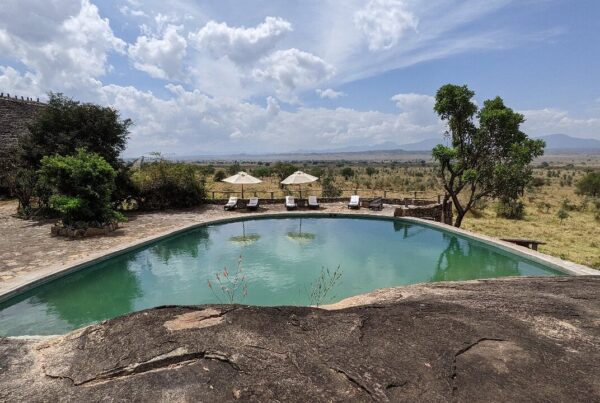
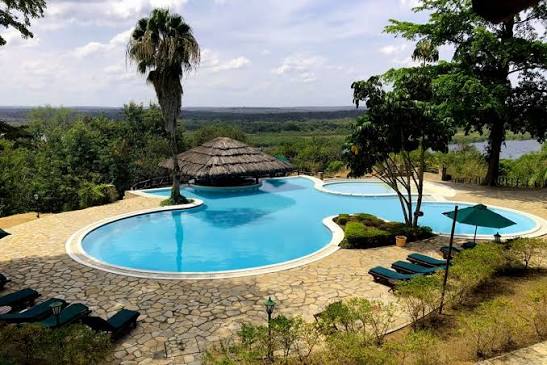
Lodge choice matters more for a multigenerational trip than for most other safari bookings. Properties with family-friendly room configurations, such as interconnecting rooms or family suites, make a real difference for parents traveling with younger children who still need to be within earshot overnight. Grandparents, meanwhile, often appreciate a lodge with reasonably accessible pathways between rooms and communal areas, since many safari properties are spread across larger grounds with steps, slopes, or gravel paths that can be genuinely difficult to navigate after dark or in wet weather.
It’s worth asking directly, when booking, about accessibility features, distance between rooms and the main dining area, and whether golf carts or similar transport are available on-site for anyone who’d struggle with longer walks between activities. A lodge that looks stunning in photos isn’t necessarily the right choice for a family including an elderly grandparent with limited mobility, and it’s far better to raise these questions during planning than to discover a mismatch after arrival.
Pacing the itinerary realistically
One of the most common mistakes in multigenerational trip planning is building an itinerary paced for the most energetic member of the group rather than the group as a whole. Early morning game drives, often departing before sunrise to catch the best wildlife activity, are genuinely worth doing, but a schedule that stacks early starts every single day for a two-week trip will wear down grandparents and young children alike far faster than it would a group of adults in their thirties. Building in at least one slower day at each major stop, with an optional rather than mandatory activity schedule, gives everyone room to opt out of a particular game drive or excursion without feeling like they’re holding the group back.
Travel days between parks also deserve honest planning. Long road transfers that might feel like a minor inconvenience to younger travelers can be genuinely taxing for grandparents, and considering a light aircraft transfer between key destinations like Murchison Falls and other parks, rather than a full day on rough roads, is often worth the extra cost for the comfort it buys the whole family, not just the oldest members.
Keeping kids genuinely engaged, not just present
Younger grandchildren need more than simply being brought along; they need activities and moments built specifically with their attention span and curiosity in mind. Many lodges around Murchison Falls and Uganda’s other parks offer junior ranger programs, guided nature walks scaled to a child’s pace, or simple activities like tracking animal footprints near the lodge grounds, all of which help keep younger travelers engaged between the bigger game drives. Encouraging kids to keep a simple wildlife journal or checklist of animals spotted each day is a low-effort way to give them ownership over the experience rather than just following along passively behind the adults.
Guides who are used to family groups tend to naturally adjust their commentary and pacing for younger travelers, pointing out details a child will find fascinating, like dung beetles or termite mounds, alongside the bigger, more obvious wildlife sightings that dominate a typical adult-focused safari narration.
Handling health and mobility logistics in advance
A trip spanning three generations benefits enormously from health logistics being sorted well before departure rather than improvised along the way. Any family member with mobility limitations, chronic health conditions, or specific medication needs should have this discussed directly with the safari operator during planning, since it genuinely affects vehicle choice, daily pacing, and which lodges are realistic options. Travel insurance for a multigenerational trip should be checked carefully for age-related exclusions, since some standard policies apply different terms or higher premiums for travelers above a certain age, and it’s worth confirming coverage explicitly rather than assuming a family policy covers every generation equally.
Malaria prevention and yellow fever vaccination requirements should also be discussed individually with a travel health provider, since recommendations can differ meaningfully based on age and existing health conditions, particularly for very young children and older travelers.
Building the trip around shared moments, not just shared logistics
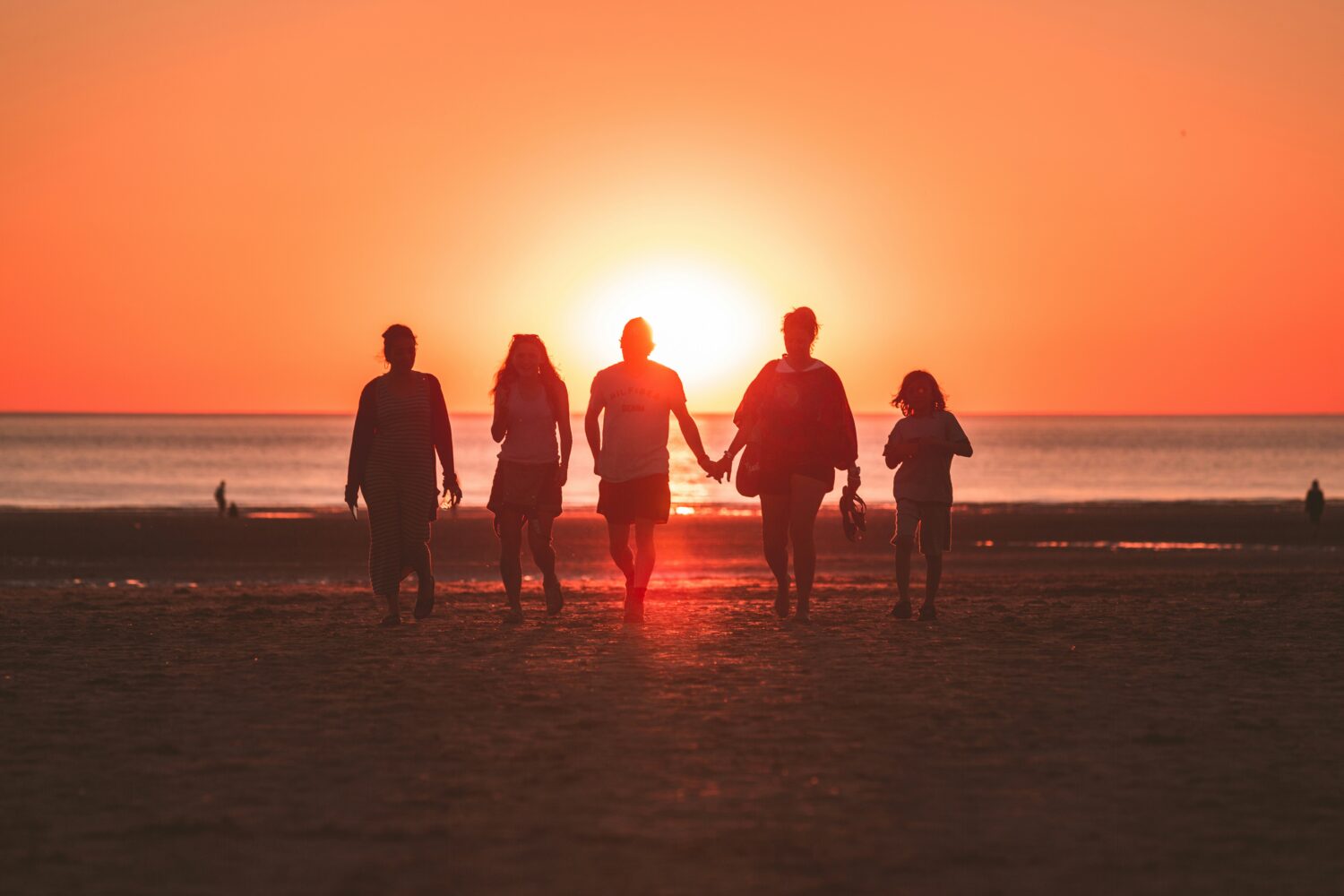
The families who come back from a multigenerational safari describing it as one of the best trips they’ve ever taken tend to talk less about the logistics working out and more about specific shared moments: a grandparent watching a grandchild see an elephant up close for the first time, three generations quietly sitting together on a boat deck as the sun sets over the Nile, a shared dinner table conversation sparked entirely by the day’s sightings. A well-paced, thoughtfully planned itinerary creates the conditions for these moments to happen naturally, rather than trying to force them through an overly packed schedule that leaves everyone too tired to actually enjoy being together.
Planning your family’s Murchison Falls safari
If you’re planning a trip that needs to work for grandparents, parents, and grandchildren all at once, our team can help design an itinerary paced appropriately for your specific family, from lodge selection with accessibility in mind to a realistic daily schedule that doesn’t burn out either end of the age range. Get in touch through our contact page to talk through your family’s needs, or browse our Murchison Falls safari packages to see how game drives, boat cruises, and lodge stays typically come together for family groups. For families weighing whether to add gorilla trekking or other parks to the itinerary, our Uganda safari tours page covers how Murchison Falls pairs with destinations like Queen Elizabeth National Park and Bwindi Impenetrable National Park, and what to consider when planning around mixed-age groups.
A well-planned multigenerational safari has a way of becoming the trip a family keeps talking about for years, not because every detail went perfectly, but because it was built around what everyone in the group could genuinely share together. Uganda, with its mix of accessible wildlife viewing and genuinely spectacular scenery, gives families an unusually good foundation to build that kind of trip on.