

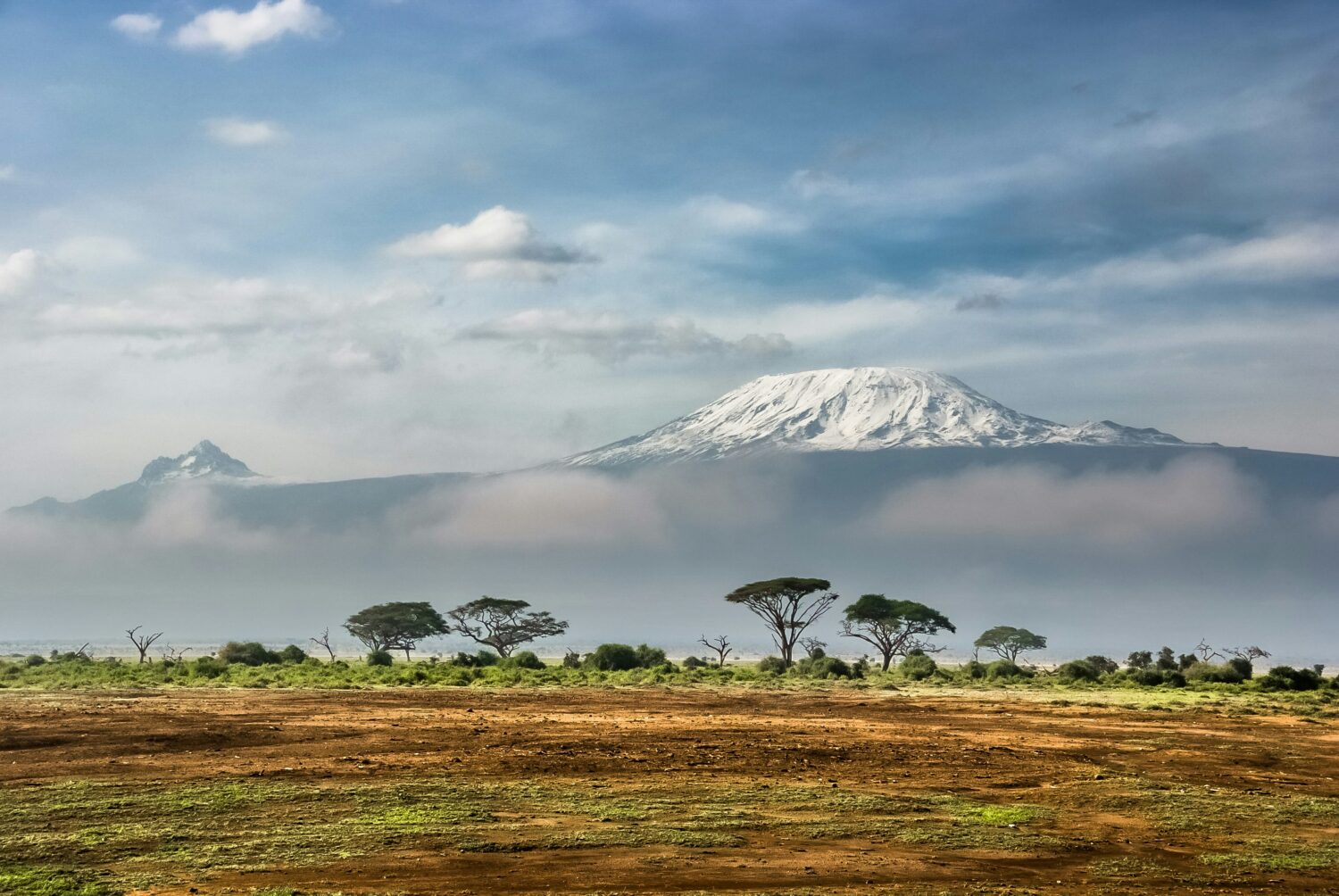
Few trips on Earth pack in as much natural drama as a Uganda and Tanzania combined safari. In one journey, you can stand a few feet from a mountain gorilla family in Bwindi’s misty forest, drift past hippos and Nile crocodiles on the Victoria Nile, and then watch a million wildebeest thunder across the Serengeti plains before descending into the wildlife-packed bowl of the Ngorongoro Crater. It’s a pairing that few destinations on the continent can match, because Uganda offers primates and forest scenery that Tanzania simply doesn’t have, while Tanzania offers the vast open savannahs and sheer volume of plains game that Uganda’s forested landscapes can’t replicate.
This guide lays out a realistic, well-paced 14-day Uganda Tanzania safari itinerary, along with the logistics you need to actually pull it off: flights, visas, best travel seasons, and what to pack. Whether you’re building this trip yourself or planning to book it through Murchison Falls Park Safari, this breakdown will help you understand exactly what two weeks across both countries looks like.
Why Combine Uganda and Tanzania in One Trip
 Uganda and Tanzania sit on opposite ends of the East African safari spectrum, and that’s exactly why they work so well together.
Uganda is the gorilla trekking capital of the world, home to over half of the world’s remaining mountain gorillas in Bwindi Impenetrable National Park. It also offers chimpanzee tracking in Kibale Forest, boat cruises to the base of Murchison Falls, and tree-climbing lions in Queen Elizabeth National Park — all wrapped in lush, green, forested terrain that feels intimate and immersive.
Tanzania, on the other hand, is built for scale. The Serengeti National Park and the Ngorongoro Crater deliver the classic “big sky” safari experience, with enormous herds, dramatic predator action, and the Great Migration for travelers who time their visit right. Where Uganda gives you close encounters in dense forest, Tanzania gives you sweeping vistas and sheer numbers of animals.
Together, a Uganda Tanzania combined safari covers primates, predators, wetlands, savannah, and craters in a single trip — arguably the most complete safari experience available in East Africa.
Best Time to Travel
The two dry seasons — June to September and December to February — are ideal for both countries. Gorilla trekking trails in Bwindi are easier to navigate when it’s dry, and wildlife viewing in the Serengeti and Ngorongoro is generally better when animals cluster around water sources. If your priority is the Great Migration river crossings, aim for July through September in the northern Serengeti, or January through March for the calving season in the southern plains near Ndutu.
Two-Week Uganda and Tanzania Safari Itinerary
Day 1–2: Arrival in Entebbe, Uganda
Fly into Entebbe International Airport, Uganda’s main gateway. Most international travelers connect through hubs like Doha, Dubai, Amsterdam, or Nairobi. After clearing immigration, transfer to a lodge in Entebbe or Kampala to rest and recover from the flight. Day two can include a relaxed visit to the Ngamba Island Chimpanzee Sanctuary on Lake Victoria or a walk through the Botanical Gardens — a gentle warm-up before the safari begins in earnest.
Day 3–4: Murchison Falls National Park
Drive north (roughly 5–6 hours, or take a scenic 1-hour domestic flight) to Murchison Falls National Park, Uganda’s largest conservation area. This is where the Nile River is forced through a narrow, 7-meter-wide gorge before exploding into the plunge pool below — one of the most powerful waterfalls in the world. Spend a full day here doing a game drive across the park’s savannah, spotting lions, giraffes, elephants, and buffalo, followed by a boat cruise to the base of the falls to see hippos, crocodiles, and abundant birdlife.
Ready to see Murchison Falls for yourself? Browse our Murchison Falls safari packages and let our team build your custom itinerary.
Day 5–6: Kibale Forest — Chimpanzee Trekking
Travel south to Kibale Forest National Park, home to the highest concentration of primates in East Africa. Spend a morning chimpanzee trekking, tracking wild chimps through the forest canopy, and consider the extended Chimpanzee Habituation Experience for a deeper, less crowded encounter. In the afternoon, visit the nearby Bigodi Wetland Sanctuary for a community-led nature walk featuring monkeys, birds, and local cultural insight.
Day 7–8: Bwindi Impenetrable National Park — Gorilla Trekking
This is the centerpiece of the Uganda leg. Drive to Bwindi Impenetrable Forest, a UNESCO World Heritage Site and the single best place on Earth to see mountain gorillas in the wild. Gorilla trekking permits cost USD 800 per person in Uganda and must be booked well in advance, especially during peak season. Treks can range from 1 to 6+ hours depending on where the gorilla family is located that day, but the payoff — spending a full hour observing a gorilla family at close range — is universally described as one of the most powerful wildlife experiences available anywhere.
Gorilla permits sell out fast in peak months. Reserve your Bwindi gorilla trekking permit today to secure your preferred trek date.
Day 9: Fly to Tanzania
From Bwindi or nearby Kihihi/Kisoro airstrips, fly to Entebbe, then connect to Kilimanjaro International Airport (JRO) or Arusha, the main gateway for northern Tanzania safaris. This is also a natural point to note the visa requirement change: Uganda’s e-visa or East Africa Tourist Visa does not cover Tanzania. Travelers need a separate Tanzania visa, which can be obtained as an e-visa in advance or on arrival at major airports for USD 50–100 depending on nationality. Plan this step carefully — it’s the single most common logistical mistake travelers make on a combined Uganda-Tanzania trip.
Day 10–11: Serengeti National Park
Drive or fly into the Serengeti, Tanzania’s flagship park and the stage for the Great Migration. Spend two full days on game drives across the endless plains, watching for lion prides, cheetah, leopard, and — depending on the season — the massive wildebeest and zebra herds moving through the ecosystem. Sunrise and sunset drives offer the best light and the most active wildlife behavior.
Day 12: Ngorongoro Crater
Head to the Ngorongoro Conservation Area, home to the Ngorongoro Crater — a collapsed volcanic caldera that functions as a natural enclosure for an extraordinarily dense concentration of wildlife, including one of the highest densities of lions in Africa and a chance to spot the endangered black rhino. A single day inside the crater floor typically delivers more wildlife sightings per hour than almost anywhere else on the continent.
Day 13: Lake Manyara or Tarangire (Optional Add-On)
If time and energy allow, a final stop at Lake Manyara National Park (famous for tree-climbing lions and flamingo-lined shores) or Tarangire National Park (known for its baobab trees and massive elephant herds) rounds out the safari with a different landscape and wildlife focus before heading back to Arusha.
Day 14: Departure
Transfer to Kilimanjaro International Airport for your international flight home, bringing a two-week journey across two of Africa’s most rewarding safari countries to a close.
Flights and Getting Between Uganda and Tanzania
Most travelers fly Entebbe (Uganda) to Kilimanjaro or Arusha (Tanzania), often connecting through Nairobi. Regional carriers and codeshare partners operate this route regularly, and booking the domestic/regional legs alongside your international flight in advance is strongly recommended, particularly in peak season (July–September and December–February) when seats fill up quickly.
Visa Requirements for a Uganda-Tanzania Combined Trip
This is one of the most important logistical details to get right, and it trips up more travelers than any other part of the planning process.
- Uganda requires an e-visa for most nationalities, priced at roughly USD 50, applied for online in advance — there is no visa-on-arrival option.
- Tanzania is not part of the East Africa Tourist Visa (EATV). Even if you hold an EATV covering Uganda, Kenya, and Rwanda, you still need a separate Tanzania visa, either as an e-visa (USD 50–100 depending on nationality) or on arrival at major airports and land borders.
- If your itinerary is limited to just Uganda and Tanzania (as in this two-week plan), applying for individual single-country visas for each — rather than the EATV — is usually the more cost-effective route, since the EATV only pays off when three or more EATV-member countries are on the itinerary.
- A yellow fever vaccination certificate is required for entry into both Uganda and Tanzania.
Not sure which visas you need for your route? Contact our travel planning team for a personalized visa checklist based on your itinerary and nationality.
What to Pack for a Combined Safari
- Neutral-colored clothing (khaki, olive, brown) for game drives and forest treks
- Waterproof hiking boots for gorilla and chimp trekking in Uganda’s forest terrain
- A lightweight rain jacket, even in the dry season
- Binoculars and a good zoom lens for photography
- Sunscreen, insect repellent, and anti-malarial medication (consult your doctor before travel)
- A duffel bag rather than a hard-shell suitcase, especially if taking domestic flights between parks, which often have strict weight and bag-shape limits
Estimated Budget Considerations
Costs vary widely depending on lodge category, but travelers should budget for: international flights, regional flights or road transfers between Uganda and Tanzania, park entry fees, a Uganda gorilla trekking permit (USD 800), a Uganda chimpanzee permit (roughly USD 200), Tanzania park fees (Serengeti and Ngorongoro fees are among the highest in Africa), accommodation, and a professional guide/driver for both legs of the trip. Mid-range combined itineraries of this length commonly run several thousand dollars per person, while luxury lodge-based versions can run significantly higher.
Sample Itinerary at a Glance
| Days | Location | Highlight |
|---|---|---|
| 1–2 | Entebbe | Arrival, rest, Lake Victoria |
| 3–4 | Murchison Falls | Game drive, Nile boat cruise |
| 5–6 | Kibale Forest | Chimpanzee trekking |
| 7–8 | Bwindi Impenetrable Forest | Gorilla trekking |
| 9 | Travel day | Fly to Kilimanjaro/Arusha |
| 10–11 | Serengeti | Game drives, migration viewing |
| 12 | Ngorongoro Crater | Crater floor game drive |
| 13 | Lake Manyara/Tarangire | Optional add-on |
| 14 | Departure | Fly home from Kilimanjaro |
Final Thoughts
A Uganda and Tanzania combined safari is, without exaggeration, one of the most complete wildlife journeys available anywhere on Earth. Two weeks is enough time to properly experience both countries without feeling rushed — enough days in each park to actually see wildlife behavior unfold, rather than ticking boxes on a whirlwind tour. The key to making it work smoothly is getting the logistics right: separate visas for each country, advance booking for gorilla permits, and a well-planned flight connection between Entebbe and Kilimanjaro.
Planning a two-week Uganda and Tanzania safari of your own? Get in touch with Murchison Falls Park Safari to build a fully customized itinerary, backed by local experts on the ground in Uganda.