Murchison Falls Ecosystem Overview
Understanding the Murchison falls ecosystem transforms a typical safari into a deeper exploration of nature. Murchison Falls National Park is not only about wildlife sightings but also about the intricate relationships between land, water, plants, and animals. This interconnected system defines one of the richest examples of Uganda biodiversity.
The park combines savannah, forest, river, and wetland environments, creating diverse habitat types that support a wide range of species. A clear Uganda ecosystem guide helps travelers appreciate how these elements work together, forming a complete biodiversity overview that shapes every safari experience.
Geographic Setting of Murchison Falls
Murchison Falls National Park lies in northwestern Uganda and forms part of the larger Murchison Falls Conservation Area. The Nile River cuts through the park, creating dramatic landscapes and influencing the distribution of life.
This geographic diversity forms the backbone of the Murchison ecosystem, allowing multiple environments to coexist. The park’s location connects different ecological zones, making it a key area for Uganda biodiversity.
Understanding this setting provides context for the park’s unique habitat types and ecological balance.
Major Habitat Types in Murchison Falls
Savannah Grasslands
 Savannah grasslands dominate much of the park, especially in the northern sector. These open landscapes define the classic safari environment.
Ecological Role
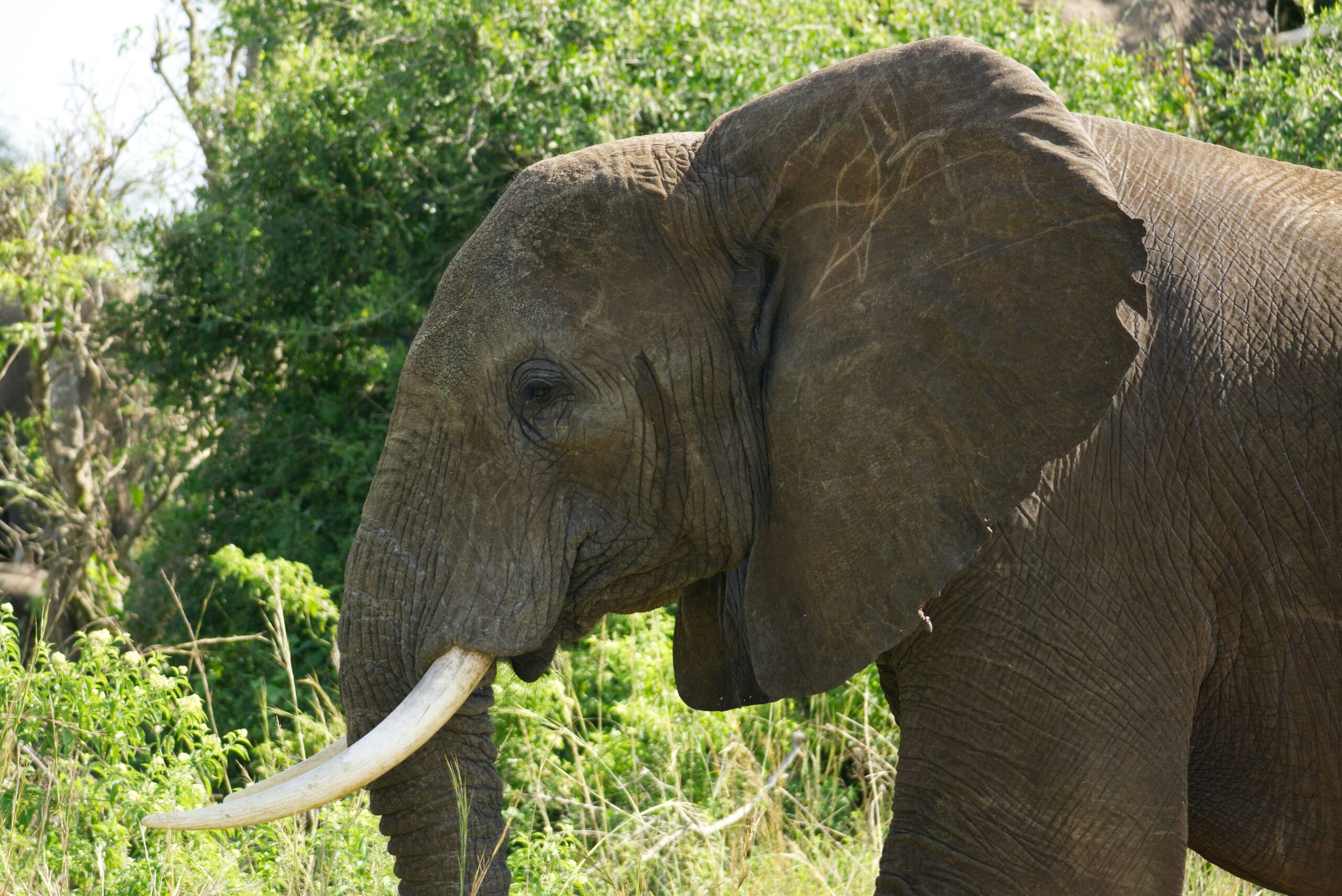
Grasslands support grazing animals such as buffalo, antelopes, and elephants. Predators rely on these species, creating a balanced food chain.
This habitat forms a central part of the Murchison falls ecosystem and plays a key role in biodiversity overview.
Woodland and Bushland
Woodland areas consist of scattered trees and dense shrubs. These zones create a transition between open plains and forested regions.
Ecological Role
Woodlands provide shelter and feeding grounds for browsing animals. They also support birdlife and smaller species.
These areas contribute significantly to Uganda biodiversity, enriching the complexity of the Murchison ecosystem.
Riverine Ecosystems Along the Nile
The Nile River defines one of the most important habitat types in Murchison Falls. Its banks support lush vegetation and attract a wide range of wildlife.
Ecological Role
Riverine ecosystems provide water, food, and shelter. Animals gather here during dry seasons, creating concentrated wildlife activity.
This habitat highlights the importance of water in the Murchison falls ecosystem and strengthens its biodiversity overview.
Wetlands and Delta Areas
Wetlands and the Nile Delta create unique environments within the park. These areas support aquatic plants and birdlife.
Ecological Role
Wetlands act as breeding grounds and feeding areas for many species. They enhance the diversity of uganda biodiversity and support ecological balance.
Forest Ecosystems – Budongo Forest
Budongo Forest represents a major forest ecosystem within the park. It features dense canopy cover and rich plant diversity.
Ecological Role
The forest supports primates, birds, and plant species that differ from those in the savannah. This contrast adds depth to the Murchison ecosystem.
Budongo plays a key role in Uganda ecosystem guide discussions, showcasing the diversity of forest habitats.
The Role of the Nile River in the Ecosystem
The Nile River acts as the lifeline of the park. It influences climate, vegetation, and wildlife movement.
Water availability shapes the distribution of species and defines seasonal patterns. This dynamic makes the river central to the Murchison falls ecosystem.
Understanding this role enhances your appreciation of the park’s biodiversity overview.
Wildlife and Ecosystem Interactions
Wildlife in Murchison Falls depends on the balance between different habitat types. Herbivores rely on vegetation, while predators depend on herbivores.
This interconnected system creates a stable environment where each species plays a role. Observing these interactions adds depth to your Uganda ecosystem guide.
The presence of diverse species reflects the strength of Uganda biodiversity within the park.
Seasonal Changes and Ecosystem Dynamics
Seasonal changes influence the appearance and function of the ecosystem. Dry seasons concentrate wildlife near water, while wet seasons expand vegetation and distribute animals.
These shifts define the dynamic nature of the Murchison ecosystem and highlight the importance of understanding Uganda seasonal patterns.
Recognizing these changes enhances your safari planning and overall experience.
Plant Life and Botanical Diversity
The park’s plant life forms the foundation of the ecosystem. Grasses, shrubs, and trees support herbivores and shape habitats.
This botanical diversity contributes to the richness of Uganda biodiversity and ensures ecological stability.
Exploring plant life provides insight into how the Murchison falls ecosystem functions as a whole.
Birdlife and Ecosystem Health
Bird species serve as indicators of ecosystem health. Murchison Falls hosts a wide variety of birds across its different habitats.
Wetlands, forests, and savannahs each support unique species, adding to the park’s biodiversity overview.
Birdlife enhances the ecological value of the Murchison ecosystem.
Conservation and Ecosystem Protection
Conservation efforts focus on maintaining the balance between habitats, wildlife, and human activity. Protecting ecosystems ensures long-term sustainability.
Programs supporting wildlife conservation Murchison contribute to preserving Uganda biodiversity and maintaining the integrity of the park.
Tourism plays a role in funding these efforts, making responsible travel essential.
Human Impact and Sustainable Tourism
Tourism provides economic benefits but requires careful management to avoid environmental damage. Sustainable practices help protect habitats and wildlife.
Visitors can support the Murchison falls ecosystem by following guidelines and choosing responsible operators.
This approach ensures that the park remains a thriving example of Uganda ecosystem guide principles.
Why the Ecosystem Matters for Safari Experiences
Understanding the ecosystem enhances your safari. It allows you to see beyond individual animals and appreciate the broader environment.
A well-informed perspective transforms your trip into a deeper exploration of biodiversity overview and ecological balance.
Planning Your Safari Around the Ecosystem
Planning your safari with an ecosystem focus ensures a more meaningful experience. Choosing activities that explore different habitats provides a complete view of the park.
Combining game drives, boat cruises, and nature walks allows you to experience the full range of habitat types.
Plan Your Safari
Discover the richness of the Murchison falls ecosystem and explore one of Africa’s most diverse natural environments. From savannah plains to riverine forests, every habitat tells a story of balance and survival.
Start planning your journey today with expert guidance and customized itineraries. Visit Murchison falls park safari and let us help you experience the full depth of Uganda biodiversity through a complete Uganda ecosystem guide.