
Leopard Spotting Guide Murchison Falls | Murchison Falls Park Safaris
Leopards are the most elusive of Africa’s big cats, and spotting one in the wild is often the highlight of a safari. In Murchison Falls National Park, these secretive predators move silently through savannah, woodland, and riverine habitats, making every sighting rare and unforgettable. A successful search for leopards Murchison Falls requires patience, timing, and a deep understanding of the landscape.
This guide explores how to improve your chances of encountering these cats, focusing on leopard behavior Uganda, key habitats, and practical strategies for an elusive cat safari. With the right approach, a Murchison Falls park safari can deliver one of the most rewarding wildlife experiences in East Africa.
Understanding Leopards in Murchison Falls
Leopards are solitary, territorial animals that rely on stealth and camouflage. Unlike lions, they avoid open confrontation and prefer to hunt alone.
In leopards Murchison Falls, these cats thrive in mixed habitats, using trees and dense vegetation for cover. Their ability to adapt to different environments makes them widespread but difficult to locate.
Understanding leopard behavior Uganda is essential. Leopards are most active during early morning, late evening, and nighttime hours. During the day, they often rest in trees or dense shade.
Why Leopards Are Hard to Spot
Leopards are naturally elusive. Their spotted coats blend perfectly with the environment, making them almost invisible.
Their solitary nature and preference for dense cover contribute to their reputation as an elusive cat safari highlight. Unlike other predators, they rarely stay in open areas for long periods.
This challenge is part of what makes spotting leopards Murchison Falls so rewarding.
Best Areas for Leopard Sightings
Northern Game Drive Tracks
The northern sector of the park offers open savannah mixed with woodland. These habitats provide ideal hunting grounds.
This area is one of the best locations for leopards Murchison Falls, especially during early morning drives.
Riverine Vegetation Near the Nile
Leopards often use riverine areas for cover and hunting. The presence of prey and water makes these مناطق attractive.
These habitats reflect key aspects of leopard behavior Uganda, where access to water and prey is essential.
Delta Area
The Nile Delta combines open plains and dense vegetation, creating a diverse environment for leopards.
This area supports an effective elusive cat safari, offering both visibility and cover.
Budongo Forest Edge
The transition between forest and savannah provides ideal conditions for leopards. These مناطق offer shade and hunting opportunities.
Best Time to Spot Leopards
Early Morning
Leopards are most active just before sunrise. This is one of the best viewing times for sightings.
Late Afternoon and Sunset
As temperatures drop, leopards begin to move again. Evening game drives increase your chances of success.
Nighttime (Where Permitted)
In areas where night drives are allowed, leopards may be easier to spot due to increased activity.
Timing is critical for any elusive cat safari.
Understanding Leopard Behavior
Hunting Patterns
Leopards hunt using stealth and surprise. They rely on cover and patience to approach prey.
This aspect of leopard behavior Uganda explains why sightings often occur suddenly and briefly.
Tree Usage
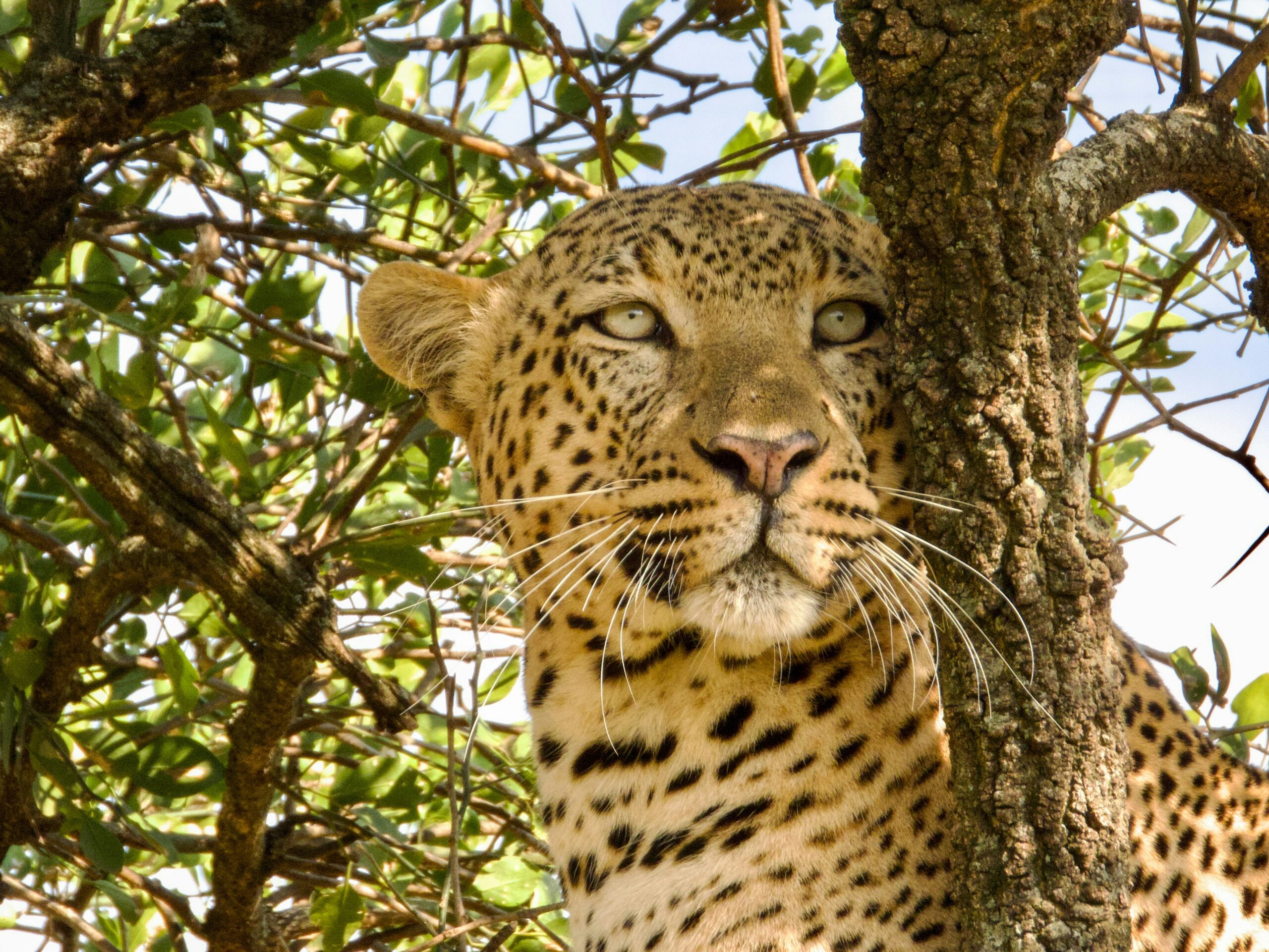
Leopards frequently climb trees to rest or store prey. Looking up is as important as scanning the ground.
Territorial Movement
Leopards follow established territories. Experienced guides understand these patterns and use them to track movement.
Safari Strategies for Leopard Spotting
Slow and Quiet Driving
Reducing speed increases your chances of noticing movement or shapes in the environment.
Listening to Guides
Experienced guides understand leopard behavior Uganda and know where to look.
Watching for Signs
Tracks, alarm calls from other animals, and movement in vegetation can indicate the presence of a leopard.
Focusing on Trees
Leopards often rest in trees during the day. Scanning branches can reveal hidden cats.
Patience
An elusive cat safari requires time and persistence. Multiple game drives may be needed.
Combining Leopard Spotting with Other Wildlife
While searching for leopards, you will encounter other wildlife. Elephants, giraffes, buffalo, and antelope are common in the same area.
Predator activity, including lions, may also occur in overlapping territories. This diversity enhances the overall Murchison Falls park safari experience.
Photography Tips for Leopards
Use Fast Shutter Speeds
Leopards move quickly, so fast shutter speeds help capture clear images.
Focus on Eyes
Sharp focus on the eyes creates powerful images.
Adjust for Low Light
Early morning and evening require proper exposure settings.
Be Ready
Leopard sightings are often brief. Preparation is essential.
Seasonal Influence on Leopard Sightings
Dry Season
Reduced vegetation improves visibility. Prey concentration increases leopard activity.
This creates optimal safari conditions for spotting leopards.
Wet Season
Dense vegetation makes sightings more challenging, but the environment becomes richer and more dynamic.
Both seasons offer unique opportunities for leopards Murchison Falls.
Role of Guides in Leopard Spotting
Guides play a critical role in locating leopards. Their knowledge of territories, behavior, and tracking techniques increases your chances of success.
Working with experienced guides enhances any elusive cat safari.
Safety and Ethical Viewing
Maintain Distance
Respect the animal’s space and avoid disturbing its behavior.
Avoid Flash Photography
Flash can startle animals and disrupt natural behavior.
Follow Park Guidelines
Adhering to rules ensures safety for both visitors and wildlife.
Responsible practices support the conservation of leopards Murchison Falls.
Challenges of Leopard Spotting
Leopard sightings are never guaranteed. Their elusive nature means that patience is essential.
Weather, vegetation, and prey movement all influence sightings. These factors are part of the challenge and appeal of an elusive cat safari.
Who Should Focus on Leopard Safaris
Wildlife Enthusiasts
Those interested in predators will find leopard tracking highly rewarding.
Photographers
Capturing a leopard is one of the most sought-after achievements in wildlife photography.
Experienced Safari Travelers
Travelers who have seen other wildlife often prioritize leopard sightings.
Interlinking Your Safari Experience
To create a complete itinerary, combine leopard spotting with key experiences such as game drives, Nile boat cruises, chimpanzee tracking in Budongo Forest, and cultural visits.
Explore tailored safari packages, here that include focused wildlife tracking experiences.
Planning Your Leopard Safari
Planning increases your chances of success. Choosing the right season, booking experienced guides, and allocating sufficient time are essential steps.
Understanding leopard behavior Uganda helps create realistic expectations and improves outcomes.
Why Leopard Spotting Enhances Your Safari
Leopard sightings represent the pinnacle of safari experiences. Their rarity, beauty, and behavior create unforgettable moments.
Through leopards Murchison Falls, travelers connect with one of Africa’s most iconic predators.
Plan Your Safari
Embark on an unforgettable elusive cat safari and discover the thrill of tracking leopards Murchison Falls while learning about leopard behavior Uganda. Every sighting is a rare and powerful moment.
Start planning your safari today with expert guidance and tailored itineraries, here and create a journey that brings you closer to Africa’s most elusive predator.