Best Time to Visit Uganda for Safari 2026
Uganda stands among Africa’s most rewarding safari destinations because of its incredible wildlife diversity, beautiful landscapes, welcoming people, and unforgettable primate experiences. Travelers visit Uganda to track mountain gorillas in Bwindi, cruise along the Nile River in Murchison Falls National Park, watch tree-climbing lions in Queen Elizabeth National Park, and explore rainforests filled with chimpanzees and birds.
One of the most common questions travelers ask before booking their trip is about the best time visit Uganda safari experiences. Uganda welcomes visitors throughout the year, but each season creates different safari conditions, wildlife viewing opportunities, and travel experiences.
Understanding Uganda’s weather patterns, wildlife movements, trekking conditions, and peak travel seasons helps travelers choose the right time for their safari. Some visitors prioritize gorilla trekking during dry months, while others prefer birdwatching, greener landscapes, or lower travel costs during the rainy seasons.
This detailed guide explains the best time to visit Uganda for safari in 2025, including weather conditions, wildlife experiences, gorilla trekking seasons, birding opportunities, and travel planning tips.
If you are planning an unforgettable African safari, understanding the best time visit Uganda safari conditions helps you maximize your experience.
Understanding Uganda’s Climate
Uganda enjoys a relatively stable tropical climate because of its location near the equator. Unlike destinations with extreme seasonal temperature changes, Uganda maintains moderate temperatures throughout the year.
However, rainfall patterns vary across different regions and strongly influence safari conditions. Uganda mainly experiences two dry seasons and two wet seasons.
The long dry season usually runs from June to September, while the shorter dry season occurs from December to February. The wet seasons typically appear from March to May and again from October to November.
Temperatures in most safari areas range between 20°C and 30°C during the day, although higher altitude areas such as Bwindi Impenetrable National Park and Mgahinga Gorilla National Park often feel cooler.
These climate patterns directly affect wildlife visibility, road accessibility, trekking conditions, photography opportunities, and accommodation demand.
Why the Dry Season Is Often Considered the Best Time for Safari
Many travelers and safari experts consider the dry seasons the ideal time to visit Uganda. The months from June to September and December to February provide excellent safari conditions across most national parks.
During dry periods, vegetation becomes thinner, making it easier to spot wildlife during game drives. Animals also gather around rivers, waterholes, and permanent water sources, increasing chances of sightings.
Road conditions improve significantly during the dry months, especially in remote safari regions. Travelers can move between parks more comfortably, and safari vehicles access wildlife areas more easily.
Gorilla trekking and chimpanzee tracking also become less challenging during drier conditions. Forest trails remain less muddy and more manageable for hikers.
Because of these advantages, the dry season attracts the highest number of visitors. Gorilla permits, lodges, and safari packages often book out early during peak months.
Travelers searching for the best time visit Uganda safari tours often choose the dry season because it offers smoother travel logistics and excellent wildlife viewing.
Visiting Uganda Between June and September
The period from June to September marks Uganda’s peak safari season. These months combine favorable weather, strong wildlife visibility, and ideal trekking conditions.
Murchison Falls National Park becomes particularly rewarding during this time. Wildlife gathers near the Nile River, creating excellent game viewing opportunities during both game drives and boat safaris.
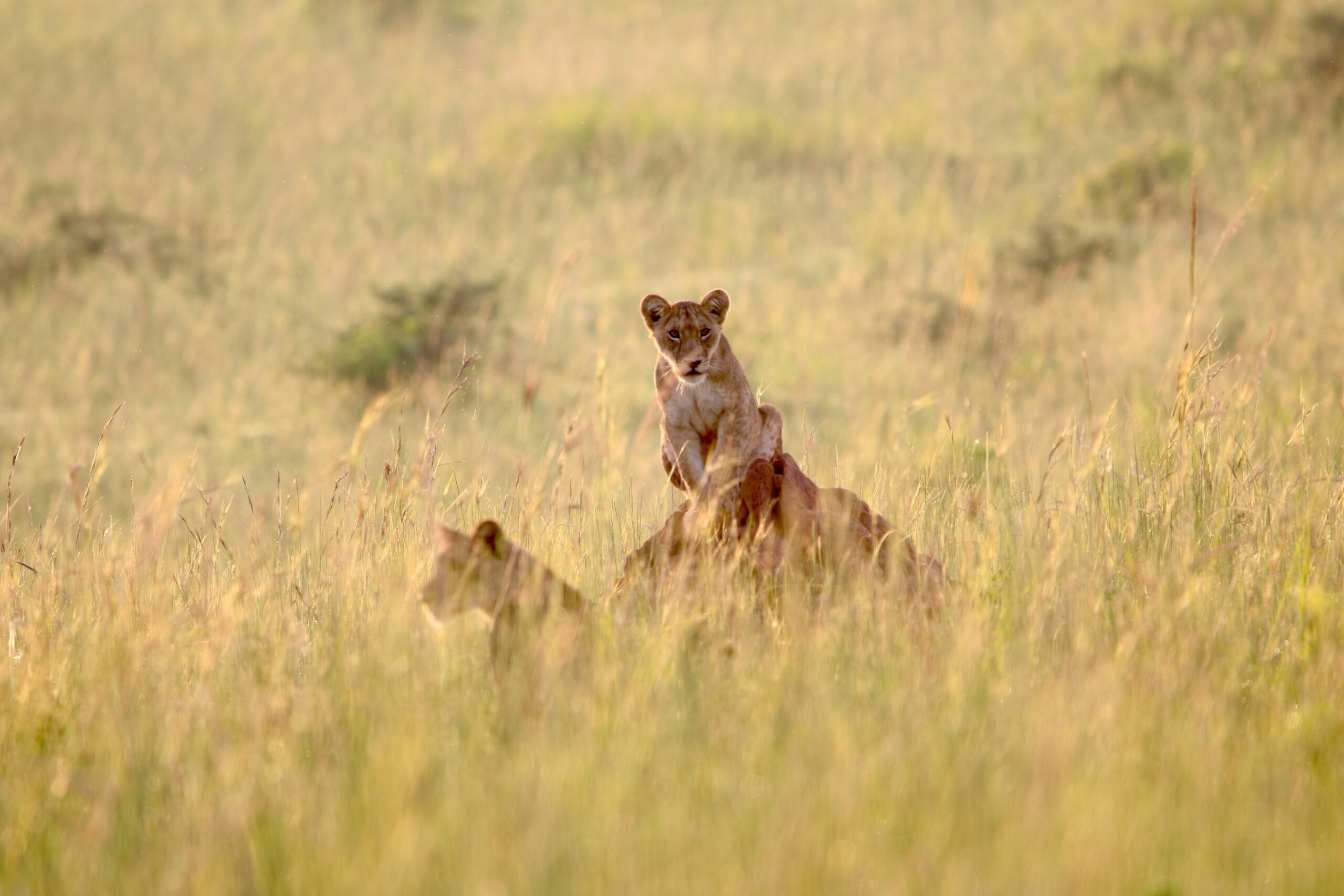
Queen Elizabeth National Park also performs exceptionally well during these months. The open savannah plains make it easier to locate lions, elephants, buffaloes, antelopes, and leopards.
Gorilla trekking in Bwindi remains highly popular during this season because hikers enjoy drier forest trails. Travelers can spend more time focusing on the experience instead of dealing with slippery terrain.
Kibale Forest National Park also offers excellent chimpanzee tracking conditions during this period.
The main challenge of traveling between June and September involves higher demand. Safari lodges charge peak-season rates, and gorilla permits often sell out several months in advance.
Despite higher costs, many travelers still consider these months the ultimate best time visit Uganda safari season.
Visiting Uganda Between December and February
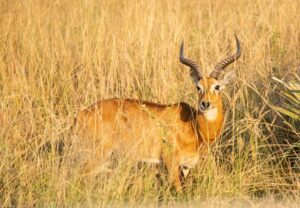 The shorter dry season from December to February also offers excellent safari conditions in Uganda.
These months attract travelers escaping winter conditions in Europe and North America. Sunny weather, good wildlife visibility, and manageable trekking conditions make Uganda particularly attractive during this period.
Game drives in Murchison Falls National Park and Queen Elizabeth National Park usually produce rewarding wildlife sightings. The reduced rainfall improves road conditions and increases safari comfort.
Birdwatchers also enjoy this season because migratory bird species arrive in Uganda during this period.
December and January often experience high tourism demand because of holiday travel. Lodges near gorilla trekking regions and popular parks become busy.
Travelers planning gorilla trekking safaris during these months should secure permits early.
Traveling During Uganda’s Rainy Seasons
Although many travelers prefer the dry months, Uganda’s rainy seasons also offer unique safari advantages.
The long rainy season from March to May transforms Uganda into a lush green paradise. Forests become vibrant, landscapes appear beautiful, and photography conditions improve dramatically.
The shorter rainy season from October to November also brings greener scenery and fewer tourists.
Safari travelers visiting during rainy months often enjoy lower accommodation prices and more flexible booking availability.
Some travelers avoid the rainy seasons because of muddy roads and occasional delays. However, wildlife still remains present throughout the parks, especially in Murchison Falls National Park and Queen Elizabeth National Park.
Rain showers rarely last the entire day. Many mornings still provide excellent safari conditions.
For budget-conscious travelers, the rainy season can still deliver excellent value.
Best Time for Gorilla Trekking in Uganda
Gorilla trekking remains Uganda’s most famous safari activity. Travelers from around the world visit Bwindi Impenetrable National Park and Mgahinga Gorilla National Park to see endangered mountain gorillas.
The dry seasons from June to September and December to February generally provide the best trekking conditions.
During dry periods, forest trails remain less slippery, and hiking becomes easier. Photographers also benefit from brighter lighting conditions.
However, gorilla trekking happens successfully throughout the year because gorillas continue moving within the forests regardless of weather conditions.
Some travelers intentionally choose rainy months because fewer tourists visit during this time. Lodges sometimes offer discounted rates, and trekking permits become easier to secure.
Even during rainy months, gorilla encounters remain extraordinary.
If gorilla trekking forms the highlight of your trip, planning around the best time visit Uganda safari seasons improves overall comfort and accessibility.
Best Time for Wildlife Viewing in Uganda
Wildlife viewing conditions change throughout the year depending on vegetation density, rainfall, and animal movement patterns.
Dry seasons generally produce the best game viewing because animals concentrate around water sources. Thinner grass also improves visibility during game drives.
Murchison Falls National Park delivers outstanding wildlife viewing during the dry months. Visitors regularly see elephants, giraffes, lions, buffaloes, antelopes, hyenas, crocodiles, and hippos.
Queen Elizabeth National Park also becomes excellent for game drives during dry periods. The Ishasha sector offers opportunities to spot tree-climbing lions resting in fig trees.
Kidepo Valley National Park, one of Uganda’s most remote wilderness areas, often performs exceptionally well during dry months because animals gather near permanent water sources.
Travelers interested in classic African game viewing should prioritize the dry seasons when planning their Uganda safari.
Best Time for Birdwatching in Uganda
Uganda ranks among Africa’s top birdwatching destinations because it supports more than 1,000 bird species.
Birdwatching remains productive throughout the year, but certain months offer better opportunities.
The rainy seasons and migratory periods between November and April attract many international bird species. Wetlands, forests, and river systems become highly active during these months.
Murchison Falls National Park provides excellent birdwatching opportunities along the Nile River. Visitors often search for the famous shoebill stork, African fish eagle, kingfishers, bee-eaters, and herons.
Bwindi and Kibale Forest also support many rare forest bird species.
Bird photographers often prefer greener rainy-season landscapes because they create dramatic natural backgrounds.
Best Time for Chimpanzee Trekking
Chimpanzee trekking in Kibale Forest National Park remains possible throughout the year.
The dry seasons usually provide easier hiking conditions because trails stay firmer and less muddy.
However, some travelers prefer the rainy months because forests become more active with fruiting trees, attracting chimpanzees closer to certain areas.
Chimpanzees move quickly through the forest, so trekkers should prepare for energetic hikes regardless of season.
Kibale Forest’s beautiful scenery and rich biodiversity make it worthwhile during any time of year.
Uganda Safari Costs by Season
Safari prices in Uganda vary significantly depending on the season.
Peak-season travel between June and September and December to February usually comes with higher accommodation rates and increased demand for gorilla permits.
Luxury lodges near Bwindi, Murchison Falls, and Queen Elizabeth National Park often raise rates during these periods.
Traveling during the rainy seasons can reduce overall safari costs considerably. Many lodges offer promotional discounts, and travelers may find more flexible booking options.
However, some remote roads become more difficult during heavy rains, potentially affecting travel schedules.
Travelers planning a best time visit Uganda safari experience should balance weather conditions, budget, and preferred activities.
Murchison Falls National Park Throughout the Year
Murchison Falls National Park remains one of Uganda’s top safari destinations regardless of season.
During dry months, wildlife viewing becomes excellent because animals gather near the Nile River. Boat safaris during this period often produce large concentrations of elephants, buffaloes, crocodiles, and hippos.
The dramatic waterfall remains powerful throughout the year, creating spectacular scenery.
Rainy seasons transform the park into a greener landscape with beautiful photography conditions. Birdwatchers especially enjoy these periods because many species become highly active.
Travelers planning safaris in Uganda should strongly consider including Murchison Falls National Park in their itinerary.
Explore safari packages and travel experiences here.
What to Pack for Different Seasons in Uganda
Packing correctly helps travelers stay comfortable during their Uganda safari.
During dry seasons, lightweight clothing, sunscreen, sunglasses, hats, and comfortable safari wear become essential.
Travelers visiting during rainy periods should carry waterproof jackets, hiking boots, and protective bags for cameras and electronics.
For gorilla trekking, long trousers, gloves, waterproof hiking boots, and long-sleeved shirts help protect against vegetation and mud.
Even during dry months, evenings in higher altitude regions can become cool.
How Far in Advance Should You Book?
Travelers planning to visit Uganda during peak safari months should book early.
Gorilla permits often sell out months ahead, especially between June and September.
Luxury safari lodges in Bwindi and Murchison Falls National Park also experience high demand during these periods.
Booking early allows travelers to secure preferred accommodations, gorilla permits, and internal travel arrangements.
Rainy-season travelers usually enjoy more flexibility and better availability.
Contact Murchison falls park safari, for a Ugandan safari.