

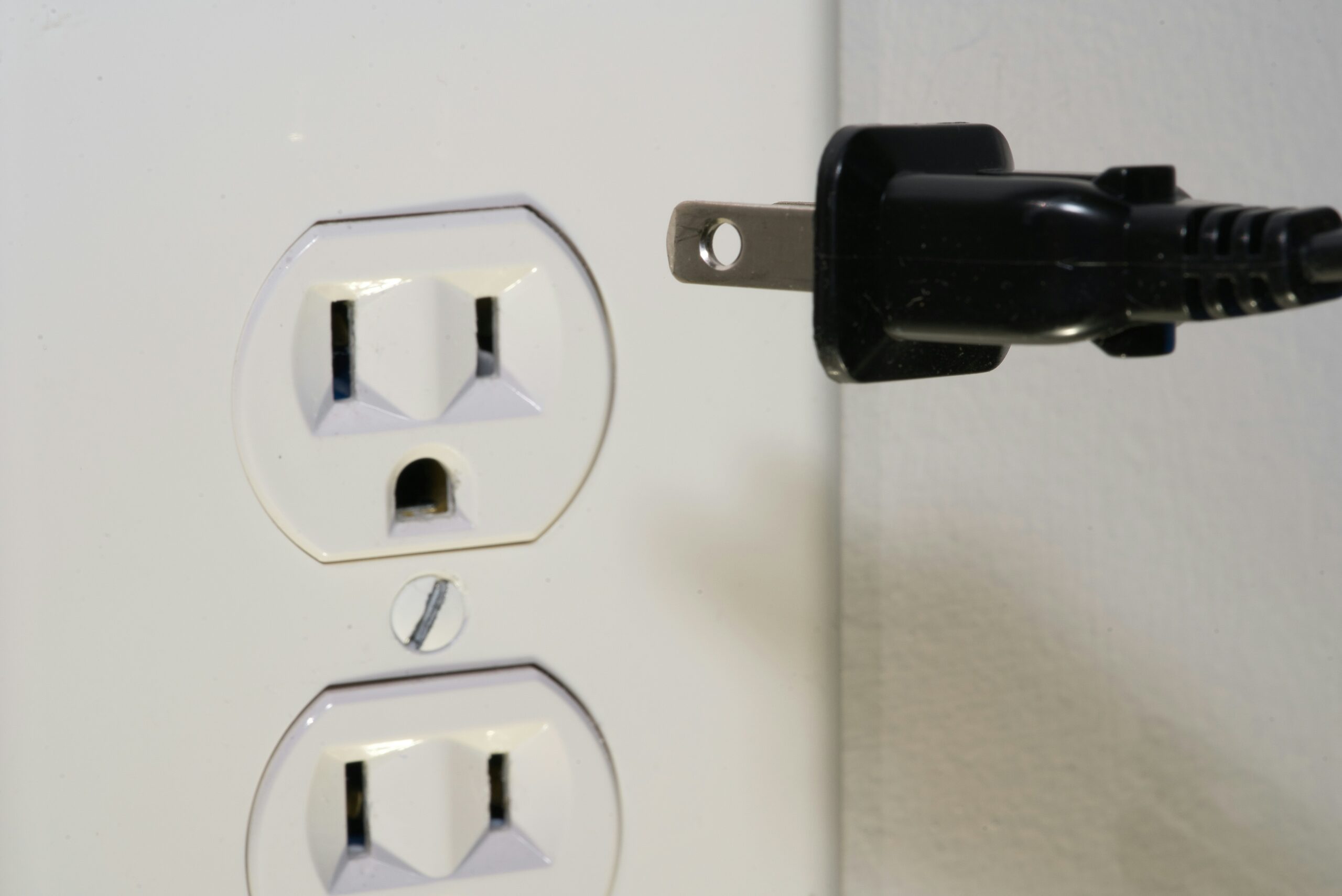
Traveling to Uganda for a safari is an exciting experience filled with wildlife encounters, boat cruises on the Nile, cultural visits, and scenic landscapes. However, one of the most overlooked but essential travel preparations is understanding power sockets Uganda uses and how to keep your devices charged throughout your journey.
From cameras and smartphones to binoculars and power banks, modern safari travel relies heavily on electronics. Whether you are staying in Murchison Falls National Park or moving across multiple safari destinations, knowing what adapter to bring can make a significant difference in convenience and comfort.
Uganda’s electrical system is reliable in most urban areas and safari lodges, but it differs from what many international travelers are used to. This guide explains everything you need to know about plug types, voltage, charging options, and practical power management during your safari.
Understanding Power Sockets Uganda Uses
The standard power sockets Uganda uses are Type G plugs, which are the same three-pin rectangular plugs used in the United Kingdom. These sockets are common in hotels, safari lodges, airports, and urban accommodations across the country.
Type G sockets require a specific adapter for travelers coming from regions such as Europe, North America, Asia, or Australia. Without the correct adapter, charging devices will not be possible in most locations.
Uganda operates on a 240V supply voltage with a frequency of 50Hz. This is important for travelers to understand because it determines whether their devices are compatible or require voltage converters.
Most modern electronics such as phone chargers, laptops, and camera batteries are dual voltage, meaning they can safely operate within Uganda’s electrical system when used with the correct plug adapter.
Uganda Plug Types and Compatibility
The main Uganda plug types are Type G, but in some older buildings or rural areas, travelers may occasionally encounter variations. However, Type G remains the dominant and most reliable standard across safari lodges and hotels.
Type G plugs have three rectangular prongs and are designed for safety and stability. They are commonly used in the UK and several countries that follow British electrical standards.
For travelers, this means a UK-style adapter is the most suitable choice. Multi-country universal adapters that include Type G compatibility are also highly recommended for convenience.
It is important to avoid assuming that European or American plug types will work without an adapter, as they are not compatible with Uganda’s sockets.
Uganda Travel Adapter Recommendations
Choosing the right Uganda travel adapter is one of the most important parts of safari preparation. A universal travel adapter that supports Type G plugs is the most practical option for international travelers.
A good adapter should include multiple plug configurations, USB ports, and surge protection. This ensures that multiple devices can be charged safely at the same time, especially during safari stays where outlets may be limited.
Travelers visiting Murchison Falls or other remote safari destinations should also consider carrying a compact power strip. This allows multiple devices to be charged from a single outlet, which is useful in lodge rooms with limited sockets.
It is also advisable to bring a high-quality adapter rather than a cheap alternative, as reliability is important when charging essential devices such as cameras used for wildlife photography.
Electricity Supply in Uganda Safari Lodges
Understanding Murchison Falls power supply helps travelers manage expectations when staying in remote safari areas. While Uganda’s national grid is stable in cities, safari lodges often rely on a combination of grid electricity, generators, and solar power systems.
Most midrange and luxury lodges in Murchison Falls National Park provide 24-hour electricity, but some may switch to generator or solar power during certain hours, especially in eco-friendly camps.
Electricity availability is generally reliable, but it is not always identical to urban standards. Power cuts can occur occasionally, though lodges are well-prepared with backup systems.
Charging points are usually available in guest rooms or shared lounge areas. Some eco-lodges may restrict electricity usage during certain hours to conserve energy.
Charging Electronics on Safari Uganda
Managing safari charging Uganda needs requires planning, especially for travelers who rely heavily on cameras, smartphones, and other devices.
Most safari lodges allow guests to charge devices in their rooms or at designated charging stations. However, charging opportunities may be limited during game drives or long excursions.
It is highly recommended to charge devices overnight or during downtime at lodges. Carrying a power bank is essential for long game drives in Murchison Falls or full-day safari activities.
Cameras used for wildlife photography should always have spare batteries, as charging opportunities in the field are limited.
Solar-powered charging options are also available in some eco-lodges, providing sustainable energy solutions for travelers.
Uganda Electricity Voltage and Device Safety
The standard Uganda electricity voltage is 240 volts at 50Hz. This is important for ensuring that electronic devices are compatible with the local power supply.
Most modern devices such as smartphones, laptops, tablets, and camera chargers are dual voltage and can handle 100–240V without issues. However, travelers should always check device labels before plugging in.
Devices that are not dual voltage will require a voltage converter in addition to a plug adapter. These are less common in modern travel but may still be necessary for certain appliances.
Using incompatible devices without proper conversion can cause damage, so it is important to verify specifications before travel.
Power Availability in Murchison Falls National Park
Inside Murchison Falls power supply areas, lodges are designed to support safari tourism while balancing environmental sustainability. Electricity is generally available throughout the day, but usage may be managed to reduce environmental impact.
Luxury lodges often provide in-room charging facilities with multiple sockets and USB ports. Midrange lodges also offer charging points, though sometimes in central areas rather than individual rooms.
Travelers staying in tented camps should expect a more eco-conscious setup, where electricity may be available during specific hours.
Despite the remote location, most safari lodges ensure that essential charging needs are met for photography, communication, and travel convenience.
Uganda Safari Packing List for Electronics
A well-prepared Uganda safari packing list should always include electrical essentials. A universal adapter compatible with Type G sockets is the most important item.
Other essential items include a power bank, spare batteries for cameras, charging cables, and possibly a small power strip for multiple devices.
Travelers should also consider protective cases for electronics, especially during game drives where dust and movement are common.
Because safaris involve long days in the field, having backup power options ensures that devices remain functional for photography and communication.
Common Mistakes Travelers Make with Power in Uganda
One common mistake is assuming that all African countries use the same plug type. In reality, power sockets Uganda uses are specifically Type G, which differs from neighboring countries like Kenya or Tanzania in some areas.
Another mistake is relying solely on lodge charging facilities without bringing a power bank. During full-day safari activities, access to electricity may not always be available.
Some travelers also forget to check voltage compatibility, which can lead to damaged devices.
Overlooking these details can cause inconvenience, especially during multi-day safaris where access to electronics is important.
Sustainable Energy and Eco Lodges in Uganda
Many safari lodges in Uganda are increasingly adopting sustainable energy solutions. Solar power plays a growing role in supporting safari charging Uganda needs, especially in eco-friendly accommodations.
These systems help reduce environmental impact while ensuring that essential services remain available to guests.
Some lodges use hybrid systems that combine solar, generator, and grid electricity depending on availability and demand.
This approach supports Uganda’s broader conservation goals while maintaining comfort for safari travelers.
Interlinking Power Knowledge with Safari Planning
Understanding Uganda travel adapter requirements is part of broader safari preparation. When planning a trip to Murchison Falls National Park, travelers should consider how electricity access fits into their daily itinerary.
Game drives, boat cruises on the Nile, and cultural visits all require careful planning for device usage and charging schedules.
Travelers can explore safari experiences through www.murchisonfallsparksafari.com
, including wildlife safaris, birding tours, and cultural experiences that may involve full-day excursions away from charging points.
Proper power planning ensures that travelers capture every moment without interruption.
Why Power Preparation Matters for Safari Travelers
Power management is often underestimated but plays a crucial role in safari comfort. Without proper Uganda safari packing list preparation, travelers may face challenges with communication, photography, or navigation.
Having the right adapter and backup power sources ensures a smooth travel experience.
It also reduces stress and allows travelers to fully enjoy wildlife encounters without worrying about battery life.
Final Thoughts on Power Sockets Uganda
Understanding power sockets Uganda is a small but essential part of safari preparation. Uganda uses Type G plugs with 240V electricity, making a UK-style or universal adapter necessary for most international travelers.
From Murchison Falls to other safari destinations, electricity access is generally reliable, especially in midrange and luxury lodges. However, planning ahead with adapters, power banks, and charging strategies ensures a smoother experience.
With the right preparation, travelers can stay connected, capture unforgettable wildlife moments, and enjoy a seamless safari journey across Uganda.