
Traveling to Uganda for a safari is an exciting experience that combines wildlife encounters, scenic landscapes, cultural interaction, and adventure. However, one important factor that many travelers underestimate is adjusting to the local time. Understanding the time zone Uganda safari travelers experience is essential for smooth travel planning, effective safari scheduling, and maximizing energy during game drives and excursions.
Uganda operates on East Africa Time, commonly abbreviated as EAT, which is UTC+3. The country does not observe daylight saving time, meaning the time remains consistent throughout the year. While this may sound straightforward, long-distance travelers often experience jet lag, disrupted sleep cycles, and fatigue that can affect their safari experience if not properly managed.
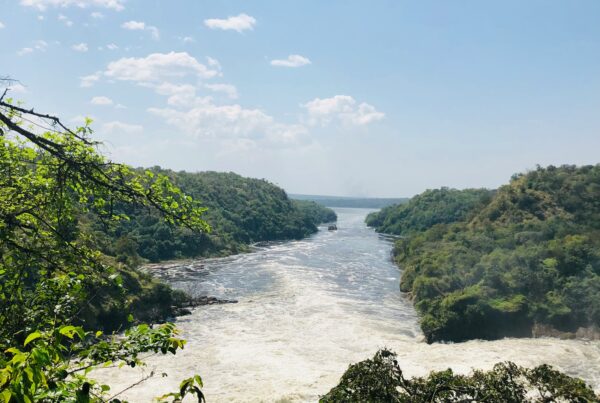
From early morning game drives in Murchison Falls National Park to sunset boat cruises along the Nile, safari activities in Uganda are closely connected to natural light patterns and wildlife behavior. Adjusting quickly to Uganda’s time zone helps travelers fully enjoy these experiences without exhaustion or scheduling stress.
This guide explores everything safari visitors need to know about Uganda’s time zone, travel adjustment strategies, safari schedules, and practical tips for managing time effectively during a Uganda safari.
Understanding Time Zone Uganda Safari Travelers Experience
The official time zone Uganda safari visitors encounter is East Africa Time (EAT), which operates at UTC+3. Uganda shares this time zone with neighboring countries such as Kenya and Tanzania, creating consistency for regional East African travel.
Unlike many Western countries, Uganda does not shift clocks for daylight saving time. Sunrise and sunset occur at relatively consistent times throughout the year due to Uganda’s location near the equator.
Typically, sunrise happens around 6:30 AM, while sunset occurs around 6:45 PM. This stable daylight pattern strongly influences safari scheduling, especially in national parks like Murchison Falls where wildlife activity peaks during cooler morning and evening hours.
For international travelers, the adjustment depends on the departure region. Visitors arriving from Europe, North America, Asia, or Australia may experience varying degrees of time difference and jet lag.
Uganda Time Difference and International Travelers
Understanding the Uganda time difference is one of the first steps in preparing for a safari trip. Travelers from Europe may experience a relatively minor adjustment of one to three hours depending on the season, while travelers from North America may face differences of seven to eleven hours.
For visitors from Asia or Australia, the time difference may be smaller but still noticeable, especially after long-haul flights and airport transit.
Jet lag occurs when the body’s internal clock struggles to adapt to a new time zone. Symptoms often include fatigue, poor sleep, reduced concentration, and daytime drowsiness. These effects can impact safari enjoyment if travelers begin activities immediately after arrival without sufficient adjustment time.
Planning an overnight stay in Kampala or Entebbe before heading to Murchison Falls National Park is often recommended. This allows travelers to rest and gradually adapt before beginning early morning safari activities.
Why Safari Timing Matters in Uganda
The rhythm of a safari is closely connected to nature, making safari timing Uganda particularly important. Wildlife activity is most intense during early mornings and late afternoons when temperatures are cooler.
In Murchison Falls National Park, game drives often begin before sunrise to maximize chances of spotting lions, elephants, giraffes, leopards, and other animals before they retreat from the heat.
Boat cruises on the Nile are usually scheduled during mid-morning or afternoon periods, while walking safaris and cultural visits are arranged according to daylight and weather conditions.
Because safari schedules start early, travelers who have not adjusted to Uganda’s time zone may struggle with fatigue during the first days of their trip. Proper adjustment enhances energy levels and overall enjoyment.
Jet Lag Uganda Safari: How to Adjust Faster
Managing jet lag Uganda safari effects requires preparation before and after arrival. One of the most effective strategies is gradually adjusting sleep schedules several days before departure.
Travelers are also encouraged to stay hydrated during flights, avoid excessive alcohol or caffeine, and sleep according to Uganda’s time as soon as possible after arrival.
Exposure to natural daylight is another important adjustment tool. Since Uganda experiences consistent daylight patterns, spending time outdoors during the day helps reset the body’s internal clock more quickly.
Many safari lodges in Murchison Falls provide calm environments ideal for recovery, allowing travelers to relax before beginning intensive wildlife activities.
Murchison Falls Safari Planning and Time Management
Effective Murchison Falls safari planning includes understanding how travel time and safari schedules interact. The park is located several hours from Kampala by road, making departure timing an important logistical consideration.
Most travelers leave Kampala or Entebbe early in the morning to arrive at the park in time for afternoon activities. Others choose domestic flights for faster access.
Within the park, activities follow a structured schedule based on wildlife behavior and environmental conditions. Morning game drives, afternoon boat safaris, and evening relaxation periods are carefully coordinated.
Travelers who adapt quickly to Uganda’s time zone are better able to enjoy these activities without feeling exhausted.
Uganda East Africa Time and Daily Safari Rhythm
The Uganda East Africa time system creates a consistent daily rhythm that safari travelers quickly learn to appreciate. Days begin early, often before sunrise, and activities naturally slow down after sunset.
Because Uganda lies near the equator, daylight hours remain relatively stable year-round. This predictability helps safari operators plan activities efficiently.
Evening lodge experiences often include dinner, storytelling, or relaxation around campfires before guests retire early in preparation for the next morning’s game drive.
Understanding this rhythm helps travelers mentally prepare for safari life, which differs significantly from urban schedules in many parts of the world.
Time Zone Impact on Wildlife Viewing
Wildlife behavior is directly connected to temperature and daylight, making the time zone Uganda safari experience especially important for photographers and wildlife enthusiasts.
Predators such as lions and leopards are more active during cooler hours, while herbivores often gather near water sources in the early morning.
Birdwatching in Murchison Falls is also most productive shortly after sunrise when bird activity peaks.
Travelers who adapt quickly to Uganda’s schedule are more alert during these key viewing periods, improving both observation and photography opportunities.
Uganda Travel Preparation for Long-Haul Visitors
Proper Uganda travel preparation includes more than packing clothes and booking accommodations. Time adjustment planning is equally important, especially for travelers arriving from distant continents.
Arriving one or two days before the safari officially begins allows the body to recover from travel fatigue and synchronize with local time.
Travel insurance, hydration supplies, and flexible scheduling also contribute to smoother adjustment.
Many safari operators recommend avoiding overly packed itineraries during the first days after arrival to reduce exhaustion.
Technology, Communication, and Time Adjustment
Modern travelers often rely on smartphones and digital devices for navigation, communication, and scheduling. Ensuring devices automatically update to Uganda East Africa time helps avoid missed activities or confusion.
Safari lodges and guides operate on precise schedules, especially for early morning departures. Being synchronized with local time ensures smooth coordination throughout the trip.
Travelers should also account for time differences when communicating with family or handling business matters back home during the safari.
Cultural Perception of Time in Uganda
Understanding Uganda safari travel tips also includes recognizing cultural attitudes toward time. While safari schedules are generally punctual due to wildlife activity, daily life in some communities may operate at a more relaxed pace compared to highly industrialized countries.
Patience and flexibility are important aspects of travel in Uganda. Delays caused by weather, road conditions, or wildlife movement are part of the safari experience.
This slower rhythm often becomes one of the most refreshing aspects of visiting Uganda, allowing travelers to disconnect from rigid schedules and reconnect with nature.
Interlinking Safari Experiences with Time Planning
Time management plays a central role in every safari activity. Travelers exploring Murchison Falls National Park can combine game drives, Nile boat cruises, birding tours, and cultural visits into well-balanced itineraries.
Visitors can explore safari options through Murchison falls park safari, where schedules are designed to align with wildlife activity and traveler comfort.
Understanding best safari schedule Uganda practices ensures visitors experience the park at optimal times for wildlife viewing and photography.
Common Mistakes Travelers Make with Uganda Time Adjustment
One common mistake is planning demanding safari activities immediately after arrival without recovery time. This often leads to exhaustion during key wildlife viewing opportunities.
Another mistake is underestimating early safari departure times. Travelers unfamiliar with safari schedules may struggle with pre-dawn wake-up calls if they have not adjusted properly.
Ignoring hydration and rest during flights also increases the severity of jet lag.
Understanding these challenges helps travelers prepare more effectively for their Uganda safari.
Why Time Adjustment Improves Safari Experiences
Adapting to time zone Uganda safari schedules enhances every aspect of the trip. Travelers who are rested and synchronized with local time are more energetic, attentive, and engaged during activities.
This improves wildlife sightings, photography results, and overall enjoyment of the safari experience.
Time adjustment also reduces stress and helps visitors appreciate Uganda’s slower, nature-oriented rhythm.
Final Thoughts on Time Zone Uganda Safari
Understanding the time zone Uganda safari travelers experience is an important part of successful safari planning. Uganda operates on East Africa Time (UTC+3), with consistent daylight patterns that shape safari schedules and wildlife activity.
From Murchison Falls National Park to other safari destinations, early mornings and structured activity timing are essential components of the experience.
By preparing for jet lag, adjusting sleep patterns, and understanding local rhythms, travelers can fully enjoy Uganda’s wildlife, landscapes, and cultural richness without unnecessary fatigue.