

March Safari at Murchison Falls: Rainy Season Tips
A March Safari at Murchison Falls offers a unique and rewarding safari experience for travelers who appreciate lush landscapes, dramatic scenery, fewer crowds, and exceptional birdwatching opportunities. While March marks the beginning of Uganda’s rainy season, it remains an excellent time to explore Murchison Falls National Park for visitors seeking a quieter and more scenic safari adventure.
Located in northwestern Uganda, Murchison Falls National Park is the country’s largest and most famous conservation area. The park stretches across vast savannah plains, wetlands, forests, and the mighty River Nile, which dramatically crashes through a narrow gorge to form the powerful Murchison Falls. Even during the rainy season, the park remains one of East Africa’s most impressive wildlife destinations.
A Murchison Falls safari in March provides a different atmosphere compared to the dry-season months. The park becomes greener, the air feels fresher, and wildlife photography benefits from vibrant natural colors and dramatic cloud formations. March also brings fewer safari vehicles into the park, allowing travelers to enjoy a more peaceful and intimate connection with nature.
For travelers considering a rainy season safari in Uganda, understanding the benefits, weather patterns, wildlife movements, and travel preparation tips can help create a smooth and memorable safari experience.
Understanding the Rainy Season at Murchison Falls
March marks the gradual start of Uganda’s first rainy season, although weather patterns can vary from year to year. Rainfall during this period is usually moderate rather than continuous, meaning visitors still enjoy many hours of sunshine between showers.
A March Safari Murchison experience often includes short afternoon or evening rains while mornings remain relatively clear for game drives and safari activities. The rainfall helps transform the park into a lush green wilderness filled with fresh vegetation, blooming plants, and active wildlife.
Unlike the heavy rainy conditions experienced in some African safari destinations, Murchison Falls remains accessible during March. Most major safari roads continue operating, particularly in the northern game viewing sector where wildlife concentrations remain strong.
Travelers should view March not as a limitation but as an opportunity to experience a more scenic and less crowded version of Uganda’s premier safari destination.
Weather During a March Safari at Murchison Falls
The weather during March is generally warm with occasional rainfall. Daytime temperatures often range between 26°C and 31°C, while mornings and evenings remain cooler and comfortable.
Rain showers usually occur intermittently rather than lasting throughout the day. This means safari activities such as game drives, boat cruises, and nature walks can still operate successfully with proper planning.
The rainfall refreshes the landscapes and creates beautiful green scenery across the savannah and riverbanks. Dust levels reduce significantly compared to dry-season months, improving overall air clarity and creating excellent photography conditions.
A Uganda safari March adventure therefore appeals strongly to photographers, birdwatchers, and travelers who enjoy scenic natural environments.
Wildlife Viewing During a March Safari Murchison
Wildlife viewing during March remains rewarding despite the beginning of the rainy season. Many animals continue gathering around the Nile River and open grasslands, especially during the early mornings and late afternoons.
The northern bank of the Nile remains the best area for game drives because the open savannah still supports excellent wildlife visibility.
Elephants and Buffaloes
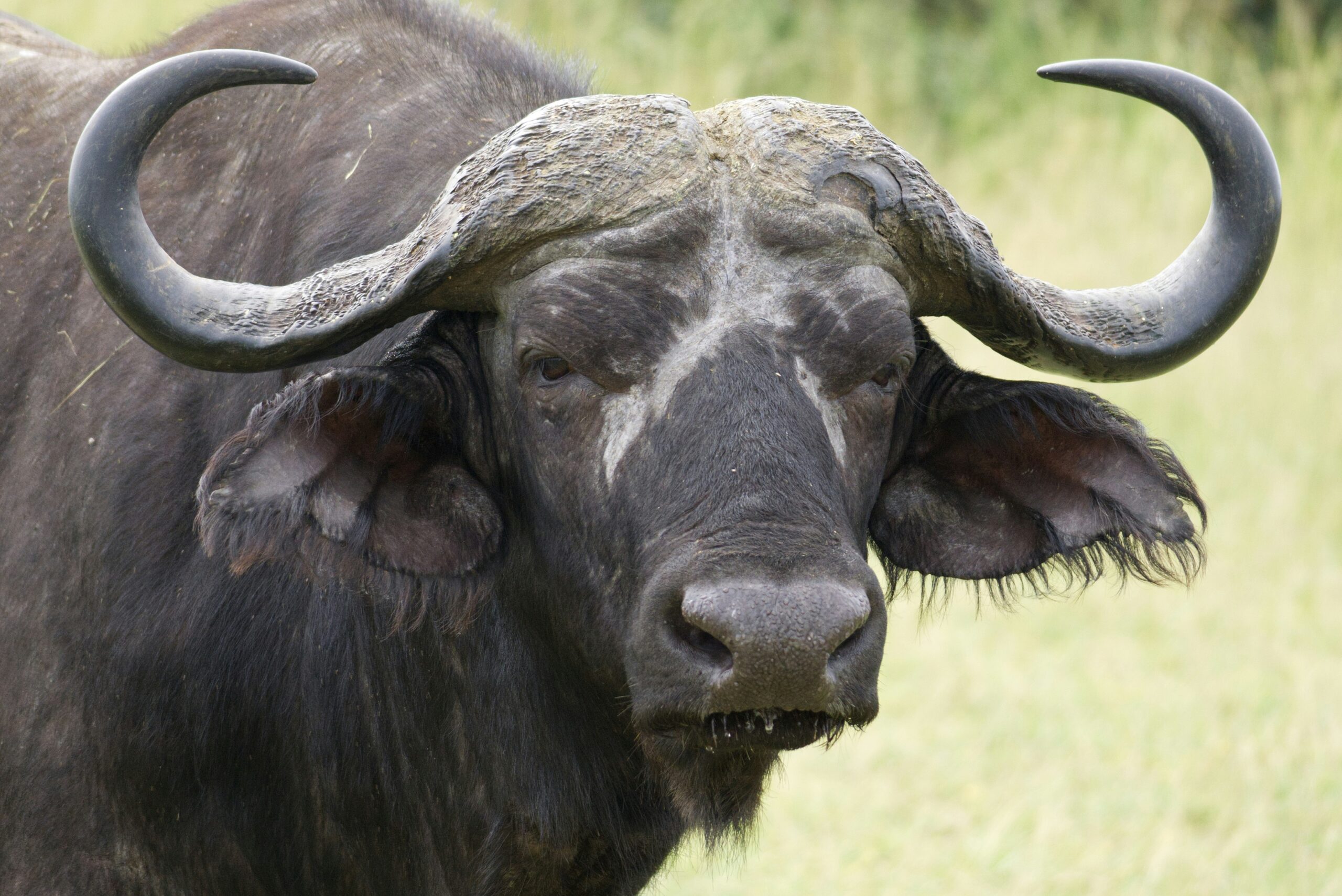
Elephants and buffaloes remain common throughout March. Large herds continue moving between feeding areas and the Nile River while taking advantage of fresh vegetation emerging after the rains.
Boat cruises often provide outstanding close-range encounters with these animals along the riverbanks.
Lions and Predators
Predator sightings remain possible during a March Safari at Murchison Falls, particularly during early morning game drives before rainfall becomes more likely later in the day.
Lions are commonly spotted resting beneath acacia trees or moving through open grasslands searching for prey. Hyenas and jackals are also active during cooler hours.
Leopard sightings require patience but remain possible with experienced guides.
Giraffes and Antelopes
Murchison Falls National Park is famous for its Rothschild’s giraffes, which remain highly visible throughout March. The green landscapes create beautiful photographic contrasts against the giraffes’ distinctive markings.
Uganda kob, hartebeest, waterbuck, bushbuck, and oribi are also frequently encountered across the savannah.
Hippos and Crocodiles
The Nile River continues supporting large hippo populations alongside enormous Nile crocodiles. These species remain among the highlights of boat safari experiences during March.
Birdwatching During March
Birdwatching becomes exceptionally rewarding during March because the rainy season increases bird activity across the park.
Murchison Falls National Park hosts more than 450 bird species, and the greener habitats during March attract both resident and migratory birds. Wetlands, riverbanks, forests, and savannah areas all support diverse bird populations.
During a March wildlife safari Uganda experience, visitors commonly spot African fish eagles, bee-eaters, giant kingfishers, Abyssinian ground hornbills, saddle-billed storks, Goliath herons, and secretary birds.
The Nile Delta near Lake Albert remains one of the best birdwatching areas and offers chances to search for the rare shoebill stork.
The softer rainy-season lighting also creates excellent bird photography conditions.
The Nile Boat Cruise During March
The Nile boat cruise remains one of the most rewarding safari activities during a March Safari at Murchison Falls.
The launch trip toward the bottom of the falls offers incredible opportunities to observe wildlife along the riverbanks while enjoying scenic landscapes refreshed by the rains. Hippos, crocodiles, elephants, buffaloes, and waterbirds are commonly encountered during the journey.
As the boat approaches the waterfall, visitors witness the Nile squeezing violently through a narrow gorge before crashing into the river below with immense power.
Rainy-season cloud formations and greener vegetation create especially dramatic scenery around the falls during March.
Boat cruises generally continue operating normally during this period, although occasional schedule adjustments may occur depending on weather conditions.
Game Drive Tips for March Safaris
A Murchison Falls safari in March requires slightly different safari planning compared to the dry season.
Morning game drives are highly recommended because rainfall tends to increase later in the afternoon. Early departures also maximize wildlife viewing opportunities while temperatures remain cooler.
Travelers should use experienced safari guides who understand road conditions and wildlife movement patterns during the rainy season.
Although some remote tracks may become muddy after heavy rain, the major wildlife routes in the northern sector usually remain accessible.
Safari vehicles designed for African game drives are typically well-equipped for rainy-season travel conditions.
Photography During a March Safari
March is one of the best months for scenic safari photography in Murchison Falls National Park.
The rains transform the landscapes into vibrant green environments filled with dramatic skies and rich natural colors. The softer cloud-filtered lighting improves wildlife photography by reducing harsh shadows common during dry-season afternoons.
Photographers often appreciate the atmospheric conditions created by mist, rain clouds, and reflections along the Nile River.
A March Safari Murchison experience therefore provides unique photographic opportunities not always available during peak dry-season months.
Visiting the Top of Murchison Falls
The top of the falls remains one of the most breathtaking attractions in Uganda regardless of season.
During March, the increased water flow from seasonal rains can make the waterfall appear even more dramatic. Visitors witness the Nile forcing itself through a narrow seven-meter gorge before exploding into the gorge below with incredible force.
The surrounding vegetation becomes greener and more vibrant during the rainy season, enhancing the overall scenery.
Travelers should wear appropriate footwear because pathways near the falls may become slippery after rain.
Chimpanzee Tracking in Budongo Forest During March
Budongo Forest offers excellent chimpanzee tracking experiences throughout March.
The rainforest becomes especially beautiful during the rainy season, with lush vegetation and increased forest activity. Chimpanzees remain active during this period, although tracking conditions may become slightly more challenging after rainfall.
Visitors should carry waterproof clothing and sturdy walking shoes for forest excursions.
Combining chimpanzee tracking with a March Safari at Murchison Falls creates a diverse Uganda safari experience that includes both primates and classic savannah wildlife.
Accommodation During a March Safari Murchison
March often falls within Uganda’s lower tourism season, meaning travelers may benefit from better lodge availability and occasional seasonal discounts.
Luxury lodges such as Nile Safari Lodge, Chobe Safari Lodge, Paraa Safari Lodge, and Baker’s Lodge continue operating throughout the rainy season while offering comfortable safari experiences with scenic Nile views.
Midrange options including Pakuba Safari Lodge, Twiga Safari Lodge, and Murchison River Lodge also remain popular among travelers seeking comfortable accommodation near wildlife areas.
Many lodges provide cozy rainy-season atmospheres with fireplaces, river views, and relaxing spaces ideal for enjoying the greener landscapes.
What to Pack for a March Safari
Packing properly is essential for a successful Uganda rainy season safari.
Travelers should carry lightweight waterproof jackets, comfortable walking shoes with good grip, neutral-colored safari clothing, insect repellent, sunscreen, hats, and waterproof protection for cameras and electronics.
Binoculars remain highly useful for birdwatching and wildlife viewing during game drives and boat cruises.
Quick-drying clothing is also recommended because of occasional rain showers.
Advantages of a March Safari at Murchison Falls
One of the biggest advantages of visiting during March is the reduced number of tourists. Visitors enjoy quieter safari experiences, less crowded lodges, and more personalized wildlife encounters.
The greener landscapes create spectacular scenery rarely seen during dry-season months. Photography conditions improve significantly because of vibrant vegetation and softer lighting.
Birdwatching also reaches peak levels during the rainy season due to increased bird activity and migratory species presence.
Travel costs may occasionally become lower during March because some lodges offer reduced seasonal rates.
Challenges of March Safaris
Although March remains rewarding, travelers should prepare for occasional rain-related challenges.
Some safari roads may become muddy after heavy showers, and wildlife can occasionally disperse more widely due to increased water availability across the park.
Flexible safari schedules help travelers adapt to changing weather conditions.
With proper preparation and experienced guides, however, these challenges rarely affect the overall safari experience significantly.
Combining Murchison Falls with Other Uganda Destinations
Many travelers combine a March Safari at Murchison Falls with other Uganda attractions including Bwindi Impenetrable National Park for gorilla trekking, Kibale Forest for chimpanzees, and Queen Elizabeth National Park for additional wildlife viewing.
The rainy season also enhances the beauty of Uganda’s forests and landscapes across multiple destinations.
Conservation Importance of Murchison Falls National Park
Tourism remains essential for conservation efforts within Murchison Falls National Park. Safari revenue supports anti-poaching programs, wildlife monitoring, habitat protection, and community development projects surrounding the park.
Responsible tourism during a Murchison Falls safari in March contributes directly to preserving Uganda’s wildlife and ecosystems for future generations.
Conclusion
A March Safari at Murchison Falls offers a scenic, peaceful, and rewarding wildlife experience for travelers seeking a different perspective on Uganda’s most famous national park. The rainy season transforms the landscapes into vibrant green wilderness while still providing excellent wildlife viewing, boat cruises, birdwatching, and photography opportunities.
Although occasional rains occur during March, the benefits of fewer crowds, dramatic scenery, active birdlife, and comfortable safari experiences make this season highly attractive for adventurous travelers.
From the thunderous power of Murchison Falls to the wildlife-rich Nile River and expansive savannah plains, March remains an excellent time to explore one of East Africa’s greatest safari destinations.
To plan your Uganda safari, explore customized safari packages through Murchison Falls Park Safari.