

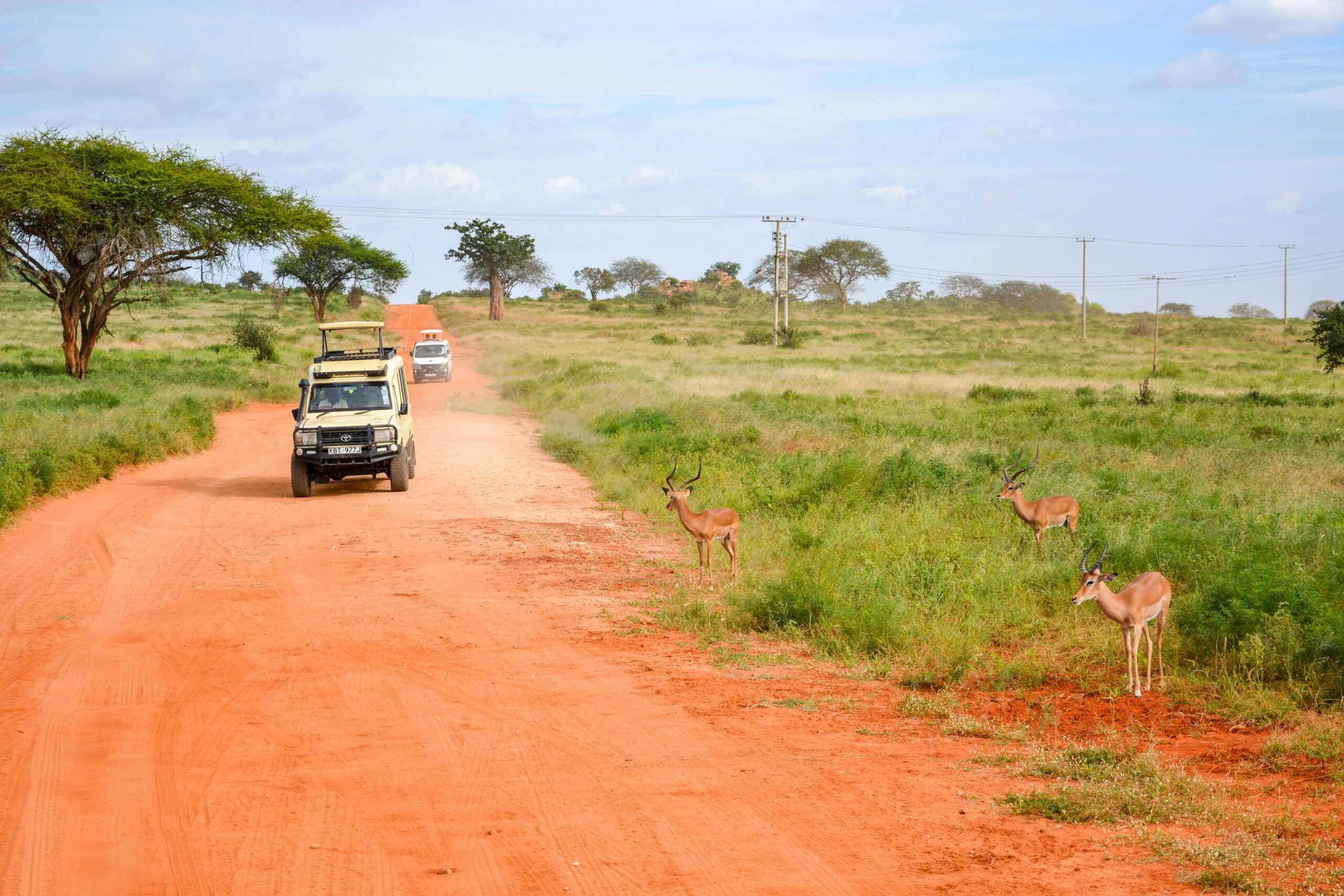
Safari Health Tips: Staying Safe in Uganda
Uganda stands among Africa’s most rewarding safari destinations, offering unforgettable wildlife encounters, mountain gorilla trekking experiences, breathtaking landscapes, and vibrant cultural interactions. From the vast savannahs of Murchison Falls National Park to the misty forests of Bwindi Impenetrable National Park, travelers can enjoy some of the continent’s most diverse safari experiences. While planning an adventure to the Pearl of Africa, understanding essential Safari Health Tips can help ensure a safe, comfortable, and enjoyable journey.
Traveling in Uganda is generally safe, and the country welcomes thousands of international visitors every year. However, as with any safari destination, preparation plays a critical role in maintaining good health throughout your trip. Knowing how to prevent common travel illnesses, stay hydrated, protect yourself from insects, and adapt to changing environments allows you to focus on enjoying Uganda’s incredible attractions.
This comprehensive guide explores the most important Safari Health Tips for travelers visiting Uganda and explains how to stay safe before, during, and after your safari adventure.
Why Health Preparation Matters for a Uganda Safari
A safari often involves spending extended periods outdoors, traveling through remote regions, and participating in activities such as game drives, nature walks, boat cruises, chimpanzee tracking, and mountain gorilla trekking. These experiences expose travelers to different environmental conditions compared to those they may encounter at home.
Uganda’s climate varies across regions, ranging from hot savannah landscapes to cool mountainous forests. Travelers may also encounter varying altitudes, tropical weather patterns, and physically demanding activities. Proper preparation helps minimize health risks while maximizing comfort and enjoyment.
One of the most effective Safari Health Tips is to begin preparing several weeks before departure. This allows enough time for vaccinations, travel consultations, and gathering essential supplies.
Consult a Travel Health Professional Before Departure
Before traveling to Uganda, visitors should schedule a consultation with a travel health specialist or physician familiar with African destinations. Medical professionals can provide personalized advice based on your age, medical history, planned activities, and duration of stay.
Health requirements and recommendations may vary depending on your country of origin. Some vaccinations require several weeks to become fully effective, making early preparation particularly important.
A pre-travel consultation also provides an opportunity to discuss prescription medications, allergies, chronic conditions, and emergency health considerations.
Proper planning reduces the likelihood of unexpected medical issues during your safari.
Yellow Fever Vaccination Requirements
One of the most important Safari Health Tips for Uganda travelers involves yellow fever vaccination.
Uganda requires proof of yellow fever vaccination for many international visitors entering the country. Travelers should carry their International Certificate of Vaccination, commonly known as the yellow card, throughout their journey.
Yellow fever is a mosquito-borne viral disease found in certain parts of Africa and South America. Vaccination offers effective protection and contributes to public health efforts aimed at preventing outbreaks.
Because entry requirements may change, travelers should verify current regulations before departure.
Understanding Malaria Prevention
Malaria remains one of the most discussed health considerations for travelers visiting Uganda. Although safari lodges and tourism facilities often implement mosquito control measures, prevention remains essential.
Mosquitoes that transmit malaria are typically most active between dusk and dawn. Protecting yourself during these hours significantly reduces risk.
Effective prevention involves multiple approaches. Travelers should use mosquito repellents containing recommended active ingredients, wear long-sleeved clothing during evenings, and sleep under mosquito nets where provided. Many safari accommodations also use screened windows and mosquito-control measures to enhance guest safety.
Medical professionals may recommend antimalarial medication depending on your travel plans and personal health circumstances. Consulting a healthcare provider before departure helps determine the most suitable option.
Staying Hydrated During Safari Activities
Hydration is one of the simplest yet most important Safari Health Tips for travelers exploring Uganda.
Many safari activities take place outdoors under warm temperatures. Game drives, walking safaris, boat cruises, and gorilla trekking excursions can lead to increased fluid loss through perspiration.
Dehydration may cause headaches, fatigue, dizziness, and reduced physical performance. Drinking sufficient bottled or purified water throughout the day helps maintain energy levels and overall wellbeing.
Travelers should develop the habit of carrying water during excursions and increasing fluid intake during physically demanding activities such as mountain gorilla trekking.
Hydration becomes especially important when visiting higher-altitude destinations where physical exertion may feel more demanding.
Food Safety While Traveling in Uganda
Uganda offers a rich culinary experience featuring fresh fruits, vegetables, grilled meats, fish, and traditional dishes. Most safari lodges, hotels, and reputable restaurants maintain high food safety standards.
One of the practical Safari Health Tips involves choosing food from trusted establishments and ensuring meals are properly prepared.
Travelers should pay particular attention to water sources. Bottled water remains the safest option for drinking and brushing teeth in most safari regions. Ice served in reputable lodges is typically safe, but visitors may wish to confirm when uncertain.
Fresh fruits that can be peeled, such as bananas and oranges, generally present minimal risk. Thoroughly cooked foods are usually safer than raw or undercooked dishes.
Maintaining good hand hygiene before meals further reduces the risk of gastrointestinal illnesses.
Protecting Yourself from the African Sun
Many visitors underestimate the strength of the equatorial sun in Uganda. Even on cloudy days, ultraviolet exposure can be significant.
Protecting your skin forms an important part of responsible safari health management. Sunburn not only causes discomfort but can also increase dehydration and fatigue.
Applying high-quality sunscreen regularly helps prevent excessive sun exposure. Wide-brimmed hats, sunglasses, and lightweight long-sleeved clothing provide additional protection during outdoor activities.
Game drives often involve extended periods in open vehicles, making sun protection especially important during midday hours.
Travelers participating in boat cruises along the Nile or Kazinga Channel should also remember that water surfaces can intensify sunlight exposure through reflection.
Physical Preparation for Gorilla Trekking
Mountain gorilla trekking represents one of Uganda’s most celebrated tourism experiences. While immensely rewarding, it can also be physically demanding.
Among the most valuable Safari Health Tips for gorilla trekkers is improving fitness before arrival. Trekking conditions vary considerably depending on gorilla locations, terrain, and weather.
Visitors may spend several hours walking through steep forested landscapes, muddy trails, and dense vegetation. Moderate cardiovascular fitness can significantly enhance comfort during the trek.
Regular walking, stair climbing, and light hiking before travel help build endurance and prepare muscles for uneven terrain.
Travelers with specific health concerns should discuss their plans with healthcare providers and safari operators before booking.
Managing Altitude and Physical Exertion
Certain safari destinations in Uganda are located at relatively high elevations. Areas such as Bwindi Impenetrable National Park, Mgahinga Gorilla National Park, and the Rwenzori Mountains may affect travelers who are unaccustomed to altitude.
Although serious altitude-related illness is uncommon at typical gorilla trekking elevations, some visitors experience mild shortness of breath or increased fatigue.
Staying hydrated, pacing physical activity, and allowing time for acclimatization can help reduce discomfort.
Listening to your body and communicating with guides when necessary ensures a safer and more enjoyable experience.
Preventing Insect Bites Beyond Malaria
While malaria often receives the most attention, mosquitoes and other insects can cause irritation and discomfort even when disease transmission is not a concern.
Using insect repellent consistently remains one of the most effective Safari Health Tips for outdoor activities.
Light-colored clothing can help reduce attraction to certain insects. Long trousers and long-sleeved shirts provide additional protection during forest walks and evening activities.
Safari lodges frequently offer insect control measures, but personal prevention remains the most reliable defense.
Travel Insurance and Emergency Medical Coverage
Comprehensive travel insurance should be considered an essential component of any Uganda safari.
Medical emergencies are rare, but travelers benefit from knowing they have access to emergency evacuation services, hospital care, and trip interruption coverage if needed.
When selecting travel insurance, visitors should ensure their policy covers safari activities, gorilla trekking, and any adventure experiences they plan to undertake.
Carrying copies of insurance documents and emergency contact information provides additional peace of mind throughout the journey.
Personal Medications and Health Supplies
Travelers should bring sufficient quantities of prescription medications for the entire duration of their trip, along with copies of prescriptions if required.
Packing a small personal medical kit can also prove useful. Basic supplies such as pain relievers, motion sickness medication, adhesive bandages, antihistamines, and oral rehydration salts can help address minor health concerns quickly.
One of the practical Safari Health Tips involves keeping medications in original packaging and carrying them in hand luggage during flights to avoid disruptions caused by delayed checked baggage.
Wildlife Safety During Safari Activities
Respecting wildlife contributes significantly to both personal safety and conservation efforts.
Uganda’s national parks protect large mammals including elephants, buffaloes, lions, hippos, and crocodiles. Professional guides understand animal behavior and follow strict safety protocols during safari activities.
Visitors should always follow guide instructions, remain inside safari vehicles unless authorized, and maintain recommended viewing distances.
During gorilla and chimpanzee tracking, following ranger guidance helps protect both visitors and the animals themselves.
Responsible wildlife viewing creates safer and more enjoyable experiences for everyone involved.
Maintaining Good Hygiene Throughout Your Safari
Simple hygiene practices play a major role in staying healthy while traveling.
Regular handwashing or using alcohol-based hand sanitizers helps prevent many common illnesses. Travelers should pay particular attention to hand hygiene before meals and after outdoor activities.
Maintaining cleanliness becomes especially important during multi-day safari itineraries that involve travel between different regions.
Good hygiene habits complement other Safari Health Tips and contribute significantly to overall wellness during your trip.
Mental Wellbeing and Travel Comfort
Safari adventures often involve early mornings, long travel days, and exciting schedules. While these experiences create unforgettable memories, travelers should also prioritize adequate rest.
Getting sufficient sleep helps maintain immune function, energy levels, and enjoyment throughout the safari. Taking occasional breaks between activities allows the body to recover and adapt to changing environments.
Balancing adventure with relaxation contributes to a more rewarding travel experience.
Enjoying Uganda Safely with Murchison Falls Park Safari
At Murchison Falls Park Safari, guest safety and comfort remain top priorities. Our carefully planned safari itineraries connect travelers with Uganda’s most remarkable wildlife destinations while ensuring professional guidance and logistical support throughout the journey.
Whether you are exploring Murchison Falls National Park, trekking mountain gorillas in Bwindi, tracking chimpanzees in Kibale Forest, or enjoying a Nile River cruise, proper preparation allows you to experience Uganda with confidence.
For personalized safari planning, travel advice, and expertly guided wildlife experiences. Our team can help you design an unforgettable Uganda adventure that combines incredible wildlife encounters with practical travel support and local expertise.
A well-prepared traveler is a confident traveler. By following these essential Safari Health Tips, you can focus on enjoying Uganda’s spectacular landscapes, extraordinary wildlife, and warm hospitality while minimizing health concerns throughout your journey.