Gorilla Habituation Experience vs Gorilla Trekking Bwindi
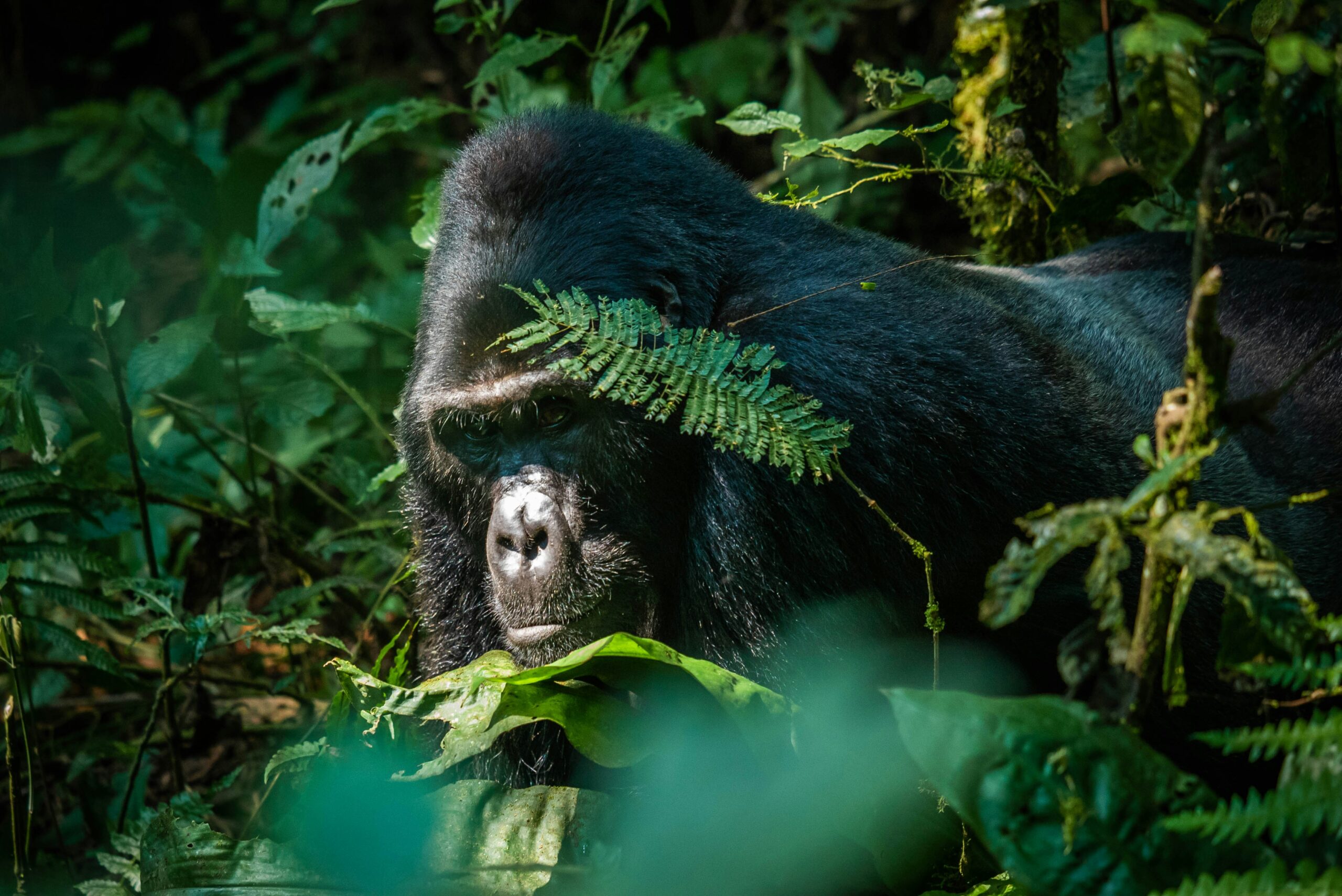
The comparison between gorilla habituation experience vs gorilla trekking Bwindi is one of the most important decisions travelers face when planning a primate safari in Uganda. Both experiences take place in Bwindi Impenetrable National Park, one of the most biologically diverse rainforests in Africa and home to nearly half of the world’s remaining mountain gorillas.
While both activities involve encountering wild gorilla families in their natural habitat, the structure, duration, level of immersion, cost, and overall experience differ significantly. Understanding these differences helps travelers choose the right gorilla safari style based on budget, interest, physical ability, and how deeply they want to engage with gorilla behavior.
For travelers exploring Uganda beyond gorillas, destinations like Murchison Falls National Park offer a contrasting safari experience with savannah wildlife, boat cruises on the Nile, and dramatic waterfalls—making Uganda one of Africa’s most diverse safari countries.
This guide explains everything you need to know about both experiences in detail, helping you decide which gorilla safari option is best for your Uganda itinerary.
Understanding Gorilla Trekking in Bwindi Impenetrable Forest
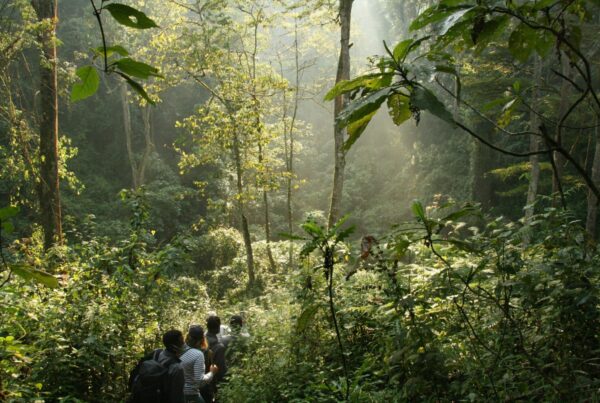
Gorilla trekking in Bwindi Impenetrable National Park is the most popular way to see mountain gorillas in Uganda. It involves hiking through dense rainforest in search of a habituated gorilla family that has been accustomed to human presence over several years.
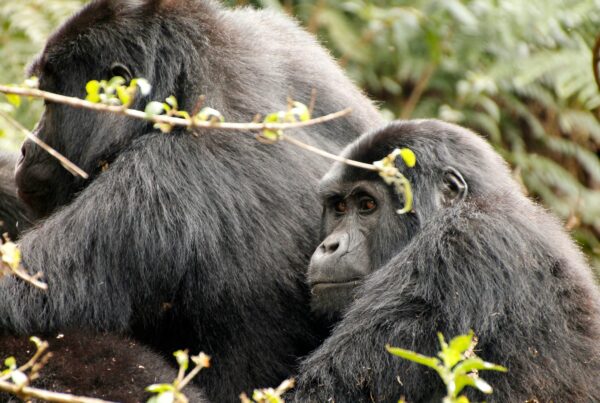
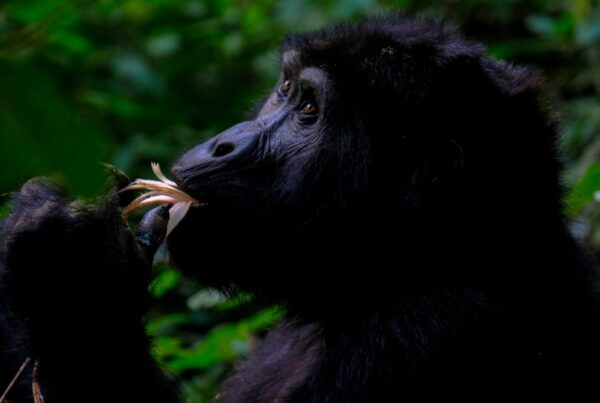
Once the gorillas are located, visitors are allowed to spend one hour observing them. During this time, travelers can witness feeding, grooming, playing, resting, and sometimes even territorial interactions between silverbacks.
Bwindi is divided into four trekking sectors: Buhoma, Ruhija, Rushaga, and Nkuringo. Each sector has different gorilla families and varying levels of hiking difficulty, but all offer the same one-hour viewing experience once the gorillas are found.
The Bwindi gorilla trekking experience is structured, regulated, and designed to minimize disturbance while allowing sustainable tourism revenue for conservation.
Understanding Gorilla Habituation Experience
The gorilla habituation experience in Bwindi is a more immersive and extended primate encounter. Unlike standard trekking, this experience allows visitors to spend up to four hours with a semi-habituated gorilla group that is still undergoing the process of becoming fully accustomed to human presence.
This activity is only available in the Rushaga sector of Bwindi Impenetrable National Park, making it a rare and limited-capacity experience.
During habituation, visitors accompany researchers, trackers, and conservationists who are actively studying gorilla behavior. The process involves following gorillas from their nests in the morning, observing their movements, and staying with them for a longer period compared to standard trekking.
This makes the gorilla habituation experience vs gorilla trekking Bwindi comparison especially important for travelers seeking deeper wildlife interaction.
Duration of Experience: One Hour vs Four Hours
The most significant difference between the two experiences is time spent with gorillas.
In Bwindi gorilla trekking, visitors are allowed a strict maximum of one hour once the gorilla family is located. This ensures minimal disturbance and allows more trekking permits per day.
In contrast, the gorilla habituation experience allows up to four hours with the gorillas. This extended time provides a more detailed understanding of behavior, social structure, and daily activities.
The additional time during habituation means visitors can observe subtle interactions that are often missed in standard trekking, such as long grooming sessions, nest building, and early morning movement patterns.
Level of Immersion and Learning Experience
The gorilla habituation experience in Bwindi is more research-oriented and immersive. Visitors are not just tourists but temporary participants in a conservation process. The presence of researchers and trackers adds an educational dimension, allowing deeper insight into gorilla behavior and ecology.
In contrast, gorilla trekking Bwindi is more structured and observational. The focus is on locating the gorillas efficiently and spending a respectful but limited time with them.
For travelers interested in wildlife research, photography, or conservation science, habituation offers a richer learning environment.
For those seeking a shorter but powerful wildlife encounter, trekking is more suitable.
Availability and Accessibility
Bwindi gorilla trekking is widely available throughout the year, with multiple gorilla families distributed across four sectors. Hundreds of permits are issued daily, making it easier to secure a trekking experience.
The gorilla habituation experience, however, is limited in availability. It is restricted to a small number of participants per day and only operates in the Rushaga sector. This makes it more exclusive and often harder to book.
Because of its limited nature, habituation requires advance planning, especially during peak travel seasons.
Physical Requirements and Difficulty
Both experiences require moderate to high physical fitness due to the challenging terrain of Bwindi Impenetrable Forest.
Gorilla trekking Bwindi can range from short hikes of one hour to long treks of several hours depending on gorilla location. Once found, the experience is relatively stable.
The gorilla habituation experience often involves longer time in the forest, as participants follow gorillas throughout their morning movements. This can make the overall day more physically demanding and time-intensive.
Both experiences involve steep slopes, dense vegetation, and unpredictable forest conditions, requiring good hiking preparation.
Cost Comparison
There is a significant price difference between the two experiences.
Bwindi gorilla trekking permits are generally more affordable, making it the most popular option for most travelers.
The gorilla habituation experience is more expensive due to its extended duration, exclusivity, and research involvement.
While both contribute directly to conservation funding, habituation offers a premium experience with deeper access and longer interaction time.
Wildlife Behavior Observations
One of the key differences in the gorilla habituation experience vs gorilla trekking Bwindi comparison is the type of behavior observed.
During standard trekking, gorillas are usually already fully habituated and accustomed to human presence. Their behavior is relatively calm, and they often continue feeding, resting, or interacting socially without major changes.
During habituation, gorillas may still exhibit cautious or exploratory behavior as they adjust to human observers. This allows visitors to witness a broader range of natural responses, including alertness, movement patterns, and group coordination.
This makes habituation particularly valuable for researchers and wildlife enthusiasts.
Photography Opportunities
Both experiences offer exceptional photography opportunities, but they differ in scope.
Bwindi gorilla trekking provides structured photo opportunities within a one-hour window. Lighting conditions and positioning are often managed carefully by guides to ensure minimal disturbance.
The gorilla habituation experience allows more time for photography, enabling visitors to capture a wider range of behaviors and angles over several hours.
For serious wildlife photographers, habituation often provides more flexibility and creative depth.
Conservation Impact
Both gorilla trekking Bwindi and the gorilla habituation experience play a critical role in conservation.
Revenue from permits directly supports gorilla protection, anti-poaching patrols, habitat preservation, and community development programs around Bwindi Impenetrable National Park.
Habituation also contributes to conservation science by improving understanding of gorilla behavior and supporting long-term monitoring of populations.
Tourism has been a key factor in the recovery and stabilization of mountain gorilla populations in Uganda.
Which Experience Should You Choose?
Choosing between gorilla habituation experience vs gorilla trekking Bwindi depends on travel style and expectations.
If you want a shorter, more structured, and widely available experience, gorilla trekking is the best option. It is ideal for most travelers visiting Uganda for the first time.
If you want a deeper, more immersive, and educational experience with extended time in the forest, habituation is the better choice.
Both experiences are unforgettable, and both contribute directly to conservation efforts in Bwindi.
Combining Gorilla Experiences with Other Uganda Safaris
Many travelers combine gorilla experiences in Bwindi with other destinations such as Murchison Falls National Park, Queen Elizabeth National Park, Kibale Forest National Park, and Lake Mburo National Park.
A typical Uganda safari might include game drives in Murchison Falls, chimpanzee tracking in Kibale, tree-climbing lions in Ishasha, and gorilla trekking or habituation in Bwindi.
At Murchison Falls Park Safari, we design tailored itineraries that integrate gorilla trekking or habituation with Uganda’s top wildlife destinations for a complete safari experience.
Final Thoughts
The debate between gorilla habituation experience vs gorilla trekking Bwindi ultimately comes down to depth versus simplicity. Both experiences offer life-changing encounters with mountain gorillas in one of Africa’s most extraordinary rainforests.
Bwindi trekking provides accessibility, structure, and efficiency, while habituation offers immersion, education, and extended observation.
Regardless of choice, both experiences represent some of the most powerful wildlife encounters available anywhere in the world.