Anti-Poaching Efforts Uganda: Protecting Wildlife for Future Generations
Uganda is one of Africa’s greatest wildlife destinations, home to iconic species such as mountain gorillas, African elephants, lions, leopards, chimpanzees, giraffes, rhinos, and more than 1,090 bird species. From the vast savannahs of Murchison Falls National Park to the ancient rainforests of Bwindi Impenetrable National Park, the country’s protected areas safeguard an extraordinary diversity of flora and fauna. However, preserving this natural heritage requires continuous action against one of the greatest threats facing wildlife today—poaching.
The story of Anti-Poaching Efforts Uganda is one of resilience, innovation, and collaboration. Over the past few decades, Uganda has made remarkable progress in protecting endangered species through stronger law enforcement, community engagement, conservation partnerships, modern technology, and sustainable tourism. Wildlife populations that once declined dramatically are now recovering in many protected areas, demonstrating that effective conservation strategies can produce lasting results.
For visitors planning a safari, understanding Uganda’s anti-poaching initiatives offers a deeper appreciation of the country’s wildlife and the dedicated people working tirelessly to protect it. Every responsible safari booked through Murchison Falls Park Safari contributes to conservation by supporting protected areas, local livelihoods, and the long-term survival of Uganda’s wildlife.
Understanding Poaching and Its Impact on Uganda’s Wildlife
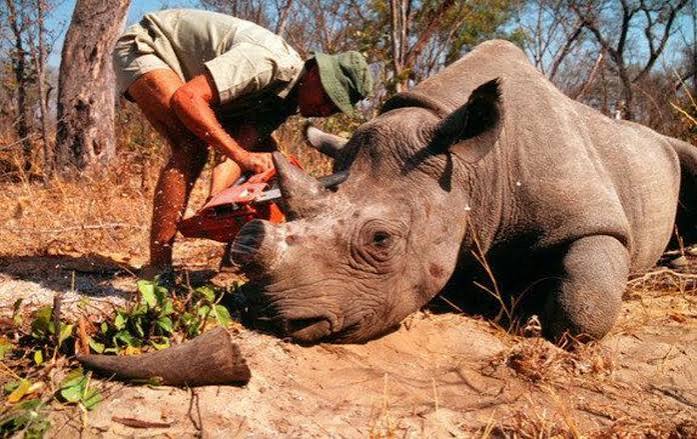
Poaching refers to the illegal hunting, trapping, capturing, or killing of wild animals. While the term often brings to mind elephant ivory or rhino horn trafficking, poaching in Uganda takes several forms. Some animals are hunted for bushmeat, others are targeted for illegal wildlife trade, while certain species become victims of snares intended for different animals.
The effects of poaching extend far beyond the individual animals that are killed. Removing key species from ecosystems disrupts food chains, affects predator-prey relationships, reduces biodiversity, and undermines the ecological balance that national parks strive to protect.
Tourism also suffers when wildlife populations decline. Uganda’s economy benefits significantly from nature-based tourism, with gorilla trekking, game drives, birdwatching, and chimpanzee tracking attracting visitors from around the world. Healthy wildlife populations are therefore essential not only for conservation but also for supporting jobs, local businesses, and community development.
Recognizing these challenges, Uganda has invested heavily in comprehensive anti-poaching efforts that combine enforcement with education and community participation.
The Uganda Wildlife Authority and Wildlife Protection
At the center of Anti-Poaching Efforts Uganda is the Uganda Wildlife Authority (UWA), the government agency responsible for managing national parks, wildlife reserves, and protected species.
UWA oversees more than ten national parks and numerous wildlife reserves across the country. Its responsibilities include protecting wildlife, managing habitats, enforcing conservation laws, conducting research, supporting tourism, and working with local communities living near protected areas.
Wildlife rangers form the frontline of Uganda’s conservation efforts. These highly trained men and women patrol forests, savannahs, wetlands, and mountainous landscapes throughout the year. Their work often involves long hours under challenging conditions as they monitor wildlife, remove illegal snares, prevent unauthorized access, and respond to reports of illegal hunting.
Rangers also assist researchers, guide conservation programs, and provide valuable education to visitors about the importance of protecting Uganda’s natural heritage.
Ranger Patrols: The First Line of Defense
Daily ranger patrols remain one of the most effective anti-poaching strategies in Uganda. Patrol teams cover extensive areas on foot, by vehicle, by boat, and occasionally with aerial support depending on the landscape and conservation priorities.
In Murchison Falls National Park, rangers patrol vast savannahs and riverbanks where elephants, giraffes, buffaloes, lions, and antelopes roam. In Bwindi Impenetrable National Park, patrols navigate dense rainforest to protect endangered mountain gorillas and other forest wildlife.
During patrols, rangers search for signs of illegal activity such as snares, traps, campsites, unauthorized entry points, and evidence of wildlife trafficking. Any illegal equipment discovered is removed immediately, preventing further harm to animals.
Regular patrols also serve as a strong deterrent, reducing opportunities for illegal hunting within protected areas.
Removing Snares Saves Countless Animals
One of the most widespread conservation challenges involves wire snares set to capture antelopes and other mammals for bushmeat.
Although these traps are often intended for smaller animals, they frequently injure or kill elephants, buffaloes, lions, leopards, chimpanzees, and even mountain gorillas.
Uganda’s anti-poaching teams conduct regular snare removal operations throughout national parks. Thousands of snares are collected each year, preventing countless wildlife injuries and deaths.
In Bwindi, veterinary teams occasionally rescue gorillas that become entangled in snares, providing treatment before safely releasing them back into their families.
These interventions have significantly improved survival rates among endangered wildlife populations.
Protecting Mountain Gorillas
Among the greatest conservation successes associated with Anti-Poaching Efforts Uganda is the protection of mountain gorillas.
Uganda shelters nearly half of the world’s remaining mountain gorillas, making their conservation a national priority.
Each habituated gorilla family visited by tourists is monitored daily by trained trackers who locate the gorillas early every morning before trekking groups arrive.
Continuous monitoring enables conservation teams to detect injuries, illness, unusual behavior, or potential threats quickly.
Veterinary specialists from organizations such as Gorilla Doctors work alongside Uganda Wildlife Authority to provide medical care whenever necessary.
Strict tourism regulations further reduce human impact. Visitor numbers are limited, interactions are carefully managed, and health protocols minimize disease transmission between humans and gorillas.
As a result of sustained conservation efforts, mountain gorilla populations have steadily increased over recent decades.
Combating Illegal Wildlife Trade
Wildlife trafficking represents one of the world’s largest illegal industries, threatening countless species across Africa.
Uganda works closely with customs officials, police, neighboring countries, conservation organizations, and international agencies to combat illegal trade in ivory, pangolin scales, reptiles, birds, and other wildlife products.
Strengthened border inspections, intelligence gathering, and specialized investigations help intercept illegal shipments before they reach international markets.
Uganda has also strengthened wildlife legislation, introducing tougher penalties for wildlife crimes to discourage poaching and trafficking.
These legal reforms demonstrate the country’s growing commitment to protecting its biodiversity.
Community Conservation: A Long-Term Solution
One of the defining features of Anti-Poaching Efforts Uganda is the recognition that conservation cannot succeed without local community support.
Many people living near protected areas depend on natural resources for their livelihoods. Conservation programs therefore focus on creating sustainable alternatives that reduce pressure on wildlife.
Revenue-sharing initiatives allocate a portion of national park entrance fees to neighboring communities, funding schools, health centers, water projects, roads, and other essential infrastructure.
Employment opportunities within tourism provide additional income through guiding, lodge operations, craft production, transportation, cultural performances, and hospitality services.
When communities directly benefit from tourism, wildlife becomes an asset worth protecting rather than exploiting.
This collaborative approach has played a vital role in reducing illegal hunting while strengthening relationships between conservation authorities and local residents.
Technology Transforming Wildlife Protection
Modern technology has become an increasingly valuable tool in Uganda’s conservation efforts.
GPS-enabled patrol systems allow ranger teams to record patrol routes, monitor wildlife movements, and identify areas where illegal activities occur most frequently.
Camera traps capture images of both wildlife and unauthorized human activity, providing valuable information for conservation planning.
Satellite communication improves coordination between patrol teams operating in remote areas.
Digital data collection enables conservation managers to analyze trends, allocate resources efficiently, and respond rapidly to emerging threats.
As technology continues to advance, Uganda’s ability to monitor and protect wildlife becomes increasingly effective.
Conservation Partnerships Strengthen Protection
Wildlife conservation in Uganda depends on strong partnerships involving government agencies, international organizations, research institutions, tourism operators, and local communities.
Organizations such as the African Wildlife Foundation, Wildlife Conservation Society, World Wide Fund for Nature (WWF), Fauna & Flora, and Gorilla Doctors contribute expertise, funding, research, veterinary care, and technical support.
Private safari operators also play an important role by promoting responsible tourism, supporting conservation education, employing local people, and encouraging environmentally sustainable travel practices.
These partnerships ensure that conservation efforts extend beyond protected areas and benefit both wildlife and surrounding communities.
Wildlife Recovery Success Stories
Uganda’s conservation achievements demonstrate that effective anti-poaching strategies can reverse wildlife declines.
Mountain gorillas represent one of the world’s greatest conservation success stories. Careful protection, veterinary care, habitat conservation, and regulated tourism have contributed to increasing population numbers.
Elephant populations have also recovered significantly in several national parks following strengthened anti-poaching measures and improved law enforcement.
Rothschild’s giraffes in Murchison Falls National Park have shown encouraging population growth thanks to habitat protection and reduced illegal hunting.
The successful reintroduction of white rhinos at Ziwa Rhino Sanctuary provides hope for restoring species that were once lost from Uganda.
These achievements highlight the importance of continued investment in wildlife protection.
How Responsible Tourism Supports Anti-Poaching
Every visitor plays a role in supporting Anti-Poaching Efforts Uganda.
Park entrance fees contribute directly to conservation funding, ranger salaries, infrastructure maintenance, habitat management, and community development.
Choosing licensed safari operators, staying in responsible lodges, hiring local guides, and purchasing locally made crafts all strengthen conservation through sustainable economic benefits.
Visitors should always follow park regulations, avoid disturbing wildlife, never purchase wildlife products, and report any suspicious activities to park authorities.
Responsible tourism creates powerful incentives for protecting wildlife while supporting local livelihoods.
National Parks Leading Uganda’s Conservation Efforts
Several protected areas play particularly important roles in wildlife conservation.
Murchison Falls National Park protects elephants, lions, giraffes, leopards, buffaloes, crocodiles, hippos, and numerous antelope species across Uganda’s largest national park.
Bwindi Impenetrable National Park safeguards endangered mountain gorillas while protecting one of Africa’s oldest tropical forests.
Queen Elizabeth National Park supports diverse ecosystems ranging from savannah and wetlands to crater lakes and forests, providing habitat for over 600 bird species and abundant wildlife.
Kidepo Valley National Park preserves one of Africa’s last great wilderness areas, home to rare predators and unique northern species.
Kibale Forest National Park protects one of the continent’s richest primate communities, including chimpanzees and twelve additional primate species.
Together, these protected landscapes form the foundation of Uganda’s biodiversity conservation strategy.
The Future of Anti-Poaching in Uganda
While Uganda has achieved remarkable conservation progress, ongoing challenges require continued commitment.
Population growth, habitat fragmentation, climate change, and international wildlife trafficking remain significant concerns.
Future conservation efforts will likely place even greater emphasis on advanced technology, intelligence-led law enforcement, expanded community partnerships, environmental education, habitat restoration, and sustainable tourism development.
With continued collaboration between government agencies, conservation organizations, local communities, and responsible travelers, Uganda is well positioned to protect its extraordinary wildlife for generations to come.
Experience Uganda’s Wildlife While Supporting Conservation
A safari in Uganda is more than an unforgettable travel experience—it is a direct investment in wildlife conservation. Every gorilla trekking permit, game drive, boat safari, birdwatching excursion, and park entrance fee helps fund the ongoing Anti-Poaching Efforts Uganda that safeguard the country’s remarkable biodiversity.
At Murchison Falls Park Safari, we proudly promote responsible tourism that benefits both wildlife and local communities. Our carefully designed itineraries combine unforgettable safari experiences with a commitment to sustainable conservation practices, ensuring that your visit contributes positively to Uganda’s natural heritage.
Whether you dream of tracking mountain gorillas in Bwindi, watching elephants along the Nile in Murchison Falls National Park, searching for tree-climbing lions in Queen Elizabeth National Park, or discovering Uganda’s incredible birdlife, your journey becomes part of the country’s ongoing conservation success story.
Conclusion
Discover Uganda’s incredible wildlife while helping protect it for future generations. Murchison Falls Park Safari offers expertly guided safaris that support conservation, community development, and sustainable tourism across Uganda’s most spectacular national parks. Visit Murchison falls park safari to start planning a safari that makes a lasting impact.