

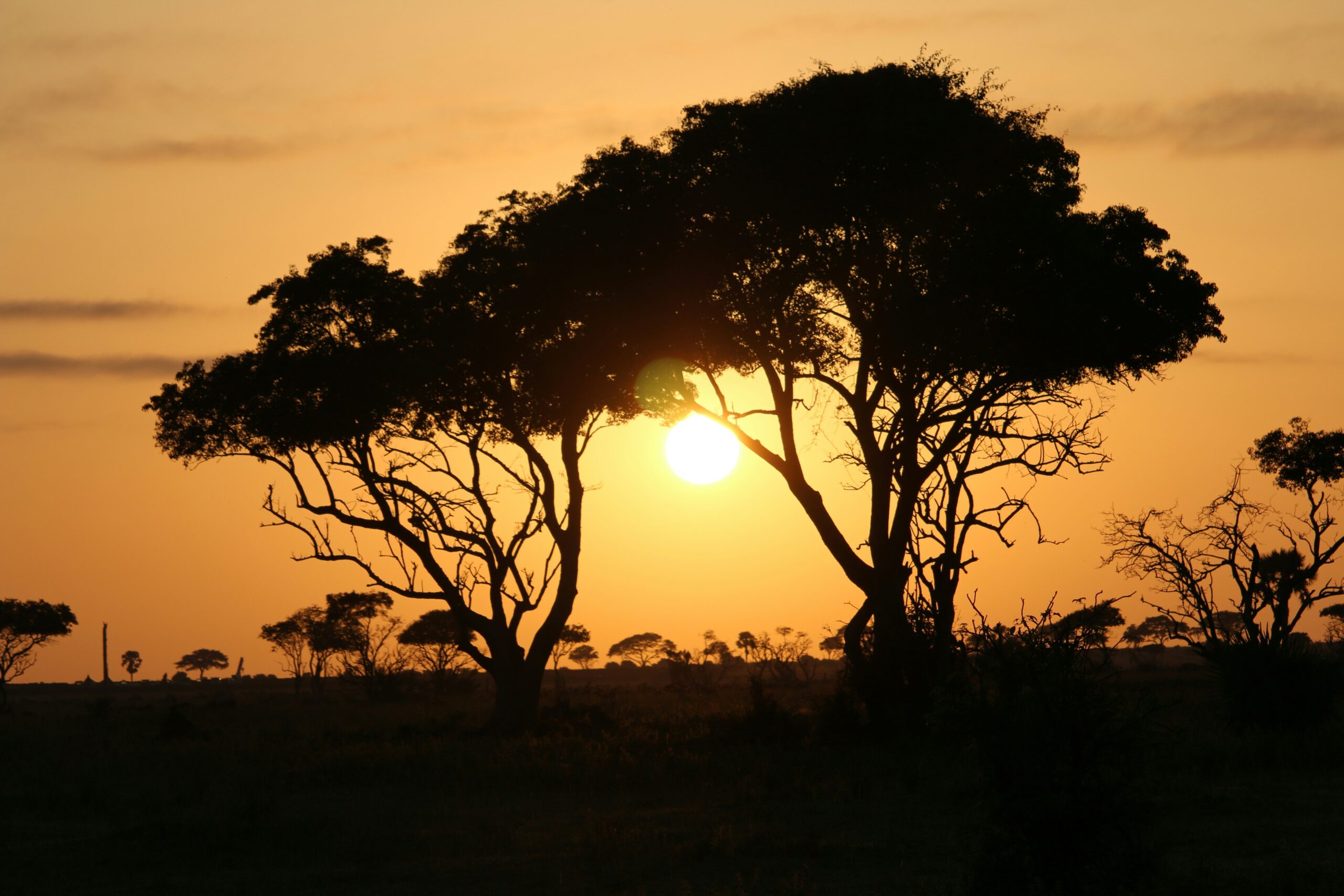
Weather and Climate Murchison Falls National Park
Introduction to Climate in Murchison Falls
Understanding murchison falls weather plays a crucial role in planning a successful safari. Murchison Falls National Park experiences a tropical climate influenced by its location in northwestern Uganda. The combination of savannah landscapes, river systems, and forest areas creates varied conditions that shape wildlife movement and visitor experiences.
For travelers preparing an uganda climate guide, Murchison Falls offers predictable yet dynamic weather patterns throughout the year. Knowing how seasonal weather patterns affect the park helps you choose the best time for activities such as game drives, boat cruises, and nature walks. This guide explores the murchison falls climate in detail, helping you plan with confidence.
Overview of Murchison Falls Climate
The murchison falls climate remains generally warm throughout the year, with temperatures averaging between 25°C and 32°C during the day. Nights and early mornings feel cooler, especially during dry seasons.
The park experiences two main seasons: dry and wet. These cycles define the uganda weather patterns and influence wildlife behavior, vegetation, and accessibility. While conditions vary, Murchison Falls remains a year-round destination for safaris.
Understanding these seasonal changes ensures that your trip aligns with your expectations, whether you prioritize wildlife viewing, photography, or fewer crowds.
Dry Seasons in Murchison Falls
December to February
The first dry season offers warm temperatures and clear skies. Vegetation becomes less dense, making wildlife easier to spot. Animals gather near water sources, increasing the chances of sightings.
This period represents one of the best times for a safari, as the murchison falls weather supports consistent wildlife activity and comfortable travel conditions.
June to September
The second dry season provides similar advantages. Roads remain accessible, and the landscape opens up, improving visibility during game drives.
For travelers following an uganda climate guide, these months often rank as the most favorable for wildlife viewing. The reduced rainfall enhances the overall safari experience.
Wet Seasons in Murchison Falls
March to May
The long rains transform the park into a lush and vibrant environment. Vegetation becomes dense, and the landscape appears greener.
While wildlife may be harder to spot, the scenery offers excellent photography opportunities. The seasonal weather patterns during this period create a quieter and more intimate safari experience.
October to November
The short rains bring similar conditions, though they tend to be less intense. The park remains accessible, and wildlife continues to thrive.
Traveling during this time provides a different perspective on the murchison falls climate, with fewer visitors and unique environmental conditions.
Temperature Patterns Throughout the Year
Temperatures in Murchison Falls remain relatively stable. Daytime heat dominates, while mornings and evenings feel cooler.
The uganda weather patterns reflect a tropical climate, with minimal variation compared to temperate regions. This consistency allows travelers to plan activities with confidence.
Understanding temperature trends helps you prepare your murchison falls packing list, ensuring comfort during both warm days and cooler evenings.
Rainfall and Its Impact on Safari Experience
Rainfall influences accessibility, wildlife movement, and overall safari conditions. During wet seasons, some roads may become challenging, but the park remains open.
The increased water availability spreads wildlife across the park, making sightings less concentrated. However, the lush environment enhances the beauty of the landscape.
These seasonal changes highlight the importance of timing your visit based on your priorities.
Best Time to Visit Murchison Falls
Choosing the best time depends on your preferences. The dry seasons offer optimal wildlife viewing and easier travel conditions. These months align with peak safari periods.
The wet seasons provide fewer crowds and vibrant scenery. For travelers seeking a quieter experience, this period offers unique advantages.
An informed uganda climate guide helps you decide when to visit based on your interests and expectations.
How Weather Affects Wildlife Viewing
The murchison falls climate directly influences wildlife behavior. During dry seasons, animals gather near water sources, making them easier to locate.
In wet seasons, wildlife disperses across the park. While sightings may require more effort, the environment becomes more dynamic.
Understanding these seasonal weather patterns enhances your ability to plan effective game drives and maximize your safari experience.
Weather and Safari Activities
Game Drives
Dry conditions improve road access and visibility, making game drives more productive. Wet conditions require flexibility but still offer rewarding experiences.
Boat Cruises
Boat cruises remain consistent throughout the year. The Nile provides reliable wildlife sightings regardless of murchison falls weather.
Nature Walks
Dry seasons offer easier walking conditions, while wet seasons create lush and vibrant trails. Both options contribute to a diverse safari experience.
Packing Based on Weather Conditions
Preparing for uganda weather patterns ensures a comfortable trip. Lightweight clothing works well during the day, while layers provide warmth during cooler periods.
Rain gear becomes essential during wet seasons. Including these items in your what to pack murchison plan ensures readiness for all conditions.
A well-prepared murchison falls packing list enhances your overall safari experience.
Climate and Photography Opportunities
Weather conditions influence photography. Dry seasons provide clear skies and strong light, ideal for wildlife shots.
Wet seasons create dramatic clouds and lush landscapes, enhancing scenic photography. These seasonal changes offer variety for photographers.
Understanding the uganda climate guide helps you plan your photography strategy.
Climate Comparison with Other Uganda Parks
In an uganda national parks comparison, Murchison Falls experiences slightly warmer and drier conditions than parks in higher altitudes.
This difference affects vegetation and wildlife distribution. Understanding these variations helps you choose the best uganda safari park based on your preferences.
Climate Change and Conservation
Climate change affects rainfall patterns and ecosystems in Murchison Falls. Conservation efforts focus on protecting habitats and maintaining biodiversity.
Responsible tourism supports these initiatives. Choosing sustainable options contributes to the long-term health of the murchison falls climate and environment.
Planning Your Safari Based on Weather
Planning with weather in mind ensures a smooth and enjoyable safari. Selecting the right season, activities, and accommodation enhances your experience.
Working with experienced safari planners helps align your itinerary with uganda weather patterns. This approach maximizes comfort and wildlife sightings.
Why Understanding Climate Matters
Understanding the murchison falls weather allows you to make informed decisions about your trip. It ensures that you choose the best time and prepare effectively.
This knowledge enhances your overall safari, making it more comfortable and rewarding.
Plan Your Safari
Discover the beauty of Murchison Falls National Park in every season. Whether you prefer dry conditions for wildlife viewing or lush landscapes during the rains, the park offers unforgettable experiences year-round.
Start planning your journey today with expert guidance and customized itineraries. Visit Murchison falls park safari and let us help you create a seamless safari based on the Uganda climate guide and seasonal weather patterns.