Corporate Incentive Travel and MICE Tourism in Uganda
Most people researching Uganda online are planning a safari. A smaller but fast-growing group is researching something quite different: where to hold a 500-person sales conference, how to structure a week-long incentive trip for top-performing regional staff, or whether a board retreat can realistically combine serious meeting time with a genuine wildlife experience. That’s the world of MICE tourism in Uganda — meetings, incentives, conferences, and exhibitions — and it’s a sector the country has been investing in deliberately over the past several years, with real infrastructure now backing up the ambition.
For corporate planners weighing Uganda against more established East African business destinations like Nairobi or Cape Town, here’s a clear-eyed look at what the country currently offers, where the genuine advantages lie, and how to think about combining conference logistics with the kind of safari experience that makes Uganda worth considering in the first place.
Why Uganda is positioning itself as a MICE destination
Uganda’s tourism authorities have been explicit about wanting to grow business tourism as a strategic priority, not just as a side effect of general tourism growth. The Uganda Convention Bureau, operating under the Uganda Tourism Board, has led this push, and the clearest evidence of serious investment is the Speke Resort Convention Center at Munyonyo, a $47 million facility that opened within the Speke Resort Hotel on the shores of Lake Victoria. The venue includes a convention hall with roughly 3,800 seats, more than thirty breakout rooms, five ballrooms, and multiple indoor and outdoor function spaces, giving Uganda the capacity to bid for events with 3,000 to 4,000 delegates, a scale the country simply couldn’t accommodate in a single venue before.
That single piece of infrastructure changed the conversation meaningfully. Uganda had previously been competitive for mid-sized events but effectively locked out of bidding for the larger international conferences and summits that go to cities with dedicated, purpose-built convention capacity. With Munyonyo now in place, alongside an expanded Entebbe International Airport that’s improved international connectivity, Uganda’s tourism board has been actively marketing the country at global trade fairs aimed specifically at meeting and incentive planners, positioning it as a genuine alternative to more established regional hubs.
Where corporate events actually happen in Uganda
Kampala remains the center of gravity for conference and meeting infrastructure, and a handful of venues account for most of the serious business events held in the country. Beyond the Speke Resort Convention Center at Munyonyo, the Kampala Serena Hotel offers a well-regarded conference center with flexible meeting rooms and landscaped grounds that’s frequently chosen for high-profile international gatherings, while the Sheraton Kampala Hotel provides a centrally located, long-established option with solid audiovisual infrastructure for mid-sized events. Most of these properties combine meeting space with on-site accommodation, business centers, and dining, which matters for multi-day corporate programs where delegates need everything under one roof rather than shuttling between separate venues and hotels.
Entebbe, given its proximity to the international airport and its lakeside setting, is increasingly used for smaller executive retreats and board-level meetings where a shorter transfer time and a quieter, more contained environment matter more than sheer delegate capacity.
The real differentiator: pairing meetings with safari
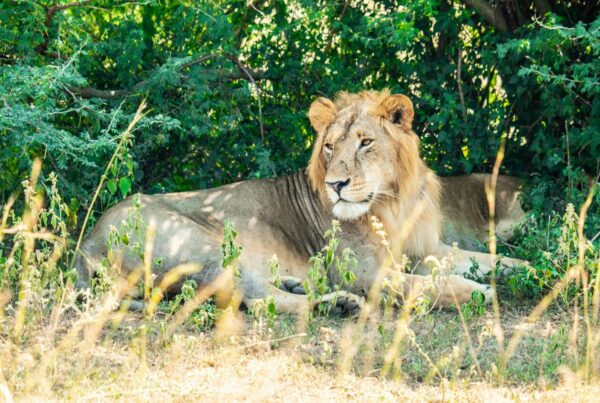
Conference infrastructure alone doesn’t explain why a corporate planner would choose Uganda over destinations with longer track records in the MICE space. The actual draw is the combination: serious meeting facilities in Kampala or Entebbe, followed by, or built around, a genuine wildlife experience that most competing business destinations simply cannot offer in the same way. An incentive trip that rewards top performers with a few days of structured business content followed by a Murchison Falls safari, complete with game drives across the park’s northern circuit and a boat cruise along the Nile toward the base of the falls, delivers a level of memorability that a golf outing or a spa afternoon at a generic business hotel can’t match.
This is where Uganda’s pitch to corporate planners genuinely differentiates itself from Nairobi or Cape Town, both of which have longer MICE track records but don’t offer quite the same density of world-class wildlife experience within a short flight of the main conference venues. A group that flies into Entebbe, spends two or three days in structured meetings at Munyonyo or a Kampala hotel, and then transfers to Murchison Falls for the back half of the trip gets a genuinely complete experience rather than a conference bolted onto an unrelated destination.
Structuring an incentive trip around safari
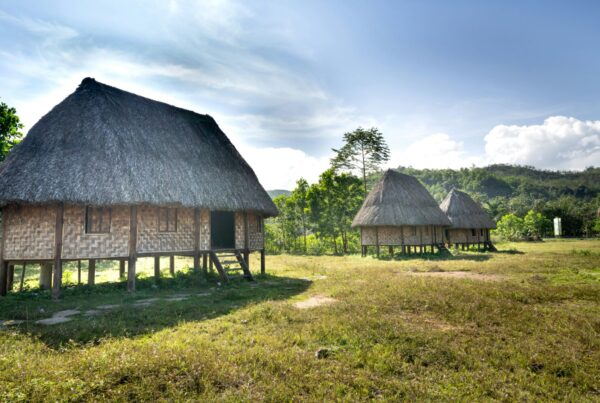
Corporate incentive travel works best when the reward component feels distinct from ordinary vacation travel, and a well-planned Uganda itinerary does this naturally. A typical structure for a incentive group might open with arrival and a welcome dinner in Entebbe or Kampala, followed by a short transfer or light aircraft flight to Murchison Falls National Park for two to three days of game drives, a Nile boat cruise, and evenings at a private lodge or tented camp set apart from the standard tourist circuit. Groups with a bit more time sometimes extend into Queen Elizabeth National Park for the Kazinga Channel boat cruise and a chance to see the park’s tree-climbing lions, or add a shorter gorilla trekking component in Bwindi Impenetrable National Park for smaller executive groups where the cost and physical demands of trekking are appropriate for the participant profile.
The logistics of moving a corporate group through this kind of itinerary differ meaningfully from a standard leisure safari booking. Group sizes, dietary requirements, accessibility needs, and a fixed, non-negotiable schedule tend to be more rigid on a corporate trip than on an individual safari, and vehicle and guide allocation needs to account for that rigidity from the outset rather than being adjusted on the fly.
Practical considerations for corporate planners
A few details matter more for corporate and incentive travel than for standard leisure bookings. Lodge and camp capacity across Uganda’s national parks is genuinely limited compared with more heavily developed safari destinations in southern and eastern Africa, which means larger incentive groups, anything above roughly twenty to thirty participants, need significantly more advance booking lead time to secure enough rooms at a single property or cluster of nearby properties, particularly during the peak July-to-September and December-to-February travel seasons. Ground transport logistics also require more planning for a corporate group than for independent travelers, since moving thirty or more delegates between a Kampala conference venue and a national park lodge involves coordinating multiple vehicles, confirmed timings, and often a light aircraft charter for larger or time-constrained groups rather than relying on scheduled flights alone.
Insurance and duty-of-care considerations deserve particular attention for corporate-sponsored travel, and companies organizing incentive trips should confirm that their travel insurance and any local ground operator’s own liability coverage explicitly extend to safari activities like game drives and boat cruises, not just the conference portion of the trip. It’s also worth building a realistic contingency buffer into the schedule, since weather, wildlife sightings, and remote-area logistics can introduce delays that a tightly packed corporate itinerary in a city environment simply doesn’t have to account for.
Sustainability and local impact as a genuine selling point
Corporate clients, particularly larger multinational companies with environmental, social, and governance commitments, increasingly ask how their incentive travel spending affects the destinations they visit, and Uganda has a reasonably strong story to tell here. Park entrance fees and gorilla trekking permits directly fund conservation work and anti-poaching efforts within Uganda’s national parks, and many of the lodges and camps operating around Murchison Falls and the country’s other parks work directly with neighboring communities on employment, sourcing, and conservation partnerships. For companies looking to align incentive travel spending with broader sustainability commitments, a Uganda program built around responsible, locally engaged safari operators offers a genuinely credible answer, one that’s harder to construct around a purely urban conference destination.
Choosing the right local partner
Corporate events and incentive trips built around this kind of dual conference-and-safari structure require a level of coordination that a standard travel agency handling individual bookings usually isn’t set up to manage. The right local partner needs to coordinate conference venue logistics, ground transport, park permits, lodge allocation across multiple properties, and often light aircraft charters, all against a fixed corporate schedule that has considerably less flexibility than typical leisure travel. Companies planning their first Uganda-based corporate event are generally well served by engaging a specialist safari and travel operator early in the planning process, well before venue contracts are signed, so that the safari portion of the itinerary can be built around realistic park logistics rather than retrofitted afterward.
Planning a corporate or incentive trip through Murchison Falls
If your company is exploring Uganda for an upcoming conference, incentive program, or corporate retreat, our team can help design the safari portion of the trip to work seamlessly alongside your Kampala or Entebbe meeting schedule, whether that means a focused two-day Murchison Falls add-on for a smaller executive group or a longer, multi-park incentive itinerary for a larger delegation. Reach out through our contact page to discuss your group size, dates, and objectives, or take a look at our Murchison Falls safari packages for a sense of how game drives, boat cruises, and lodge accommodation typically come together for group travel. For companies considering a broader itinerary spanning multiple parks, our Uganda safari tours page outlines how Murchison Falls pairs with destinations like Queen Elizabeth National Park and Bwindi Impenetrable National Park for longer corporate programs.
Uganda’s MICE sector is still earning its place alongside more established African business destinations, but the fundamentals behind its pitch are genuinely sound: real conference infrastructure now exists at scale, and it sits within a short flight of some of the most compelling wildlife experiences on the continent. For corporate planners willing to look past the more familiar names, that combination is difficult to replicate anywhere else in the region.