
Off-Grid Safari Camps in Uganda: Disconnecting Without Wi-Fi
There’s a specific kind of quiet that settles in on the first night at a genuinely remote safari camp, once the sun drops and the generator, if there even is one, cuts out for the evening. No notification buzz. No half-formed urge to check email before bed. Just the sound of the bush waking up for the night and the honest realization that you haven’t looked at a screen in hours without even trying not to. That’s the real appeal of off-grid safari camps in Uganda, and it’s a different kind of travel experience from a standard lodge stay, one built as much around what’s absent as what’s there.
For travelers genuinely craving disconnection, not just a scenic backdrop for the same digital habits, Uganda’s more remote camps offer something increasingly hard to find: a stay where limited connectivity isn’t a flaw to work around but the actual point of choosing that particular place.
What “off-grid” really means on a Uganda safari
It’s worth being precise about what off-grid actually involves, since the term gets used loosely across the safari industry. A genuinely off-grid camp typically runs on solar power or generator electricity available only during set hours, sources its water from boreholes or filtered natural sources rather than municipal supply, and sits far enough from cell towers and fiber infrastructure that internet access, if it exists at all, is limited to a slow satellite connection in a single communal area rather than reliable wifi throughout the property. This is different from a “remote-feeling” luxury lodge that happens to have excellent wifi piped in via a costly satellite uplink specifically to reassure guests who don’t actually want to disconnect; both types of properties exist in Uganda, and it’s worth knowing which one you’re booking before you arrive expecting one and getting the other.
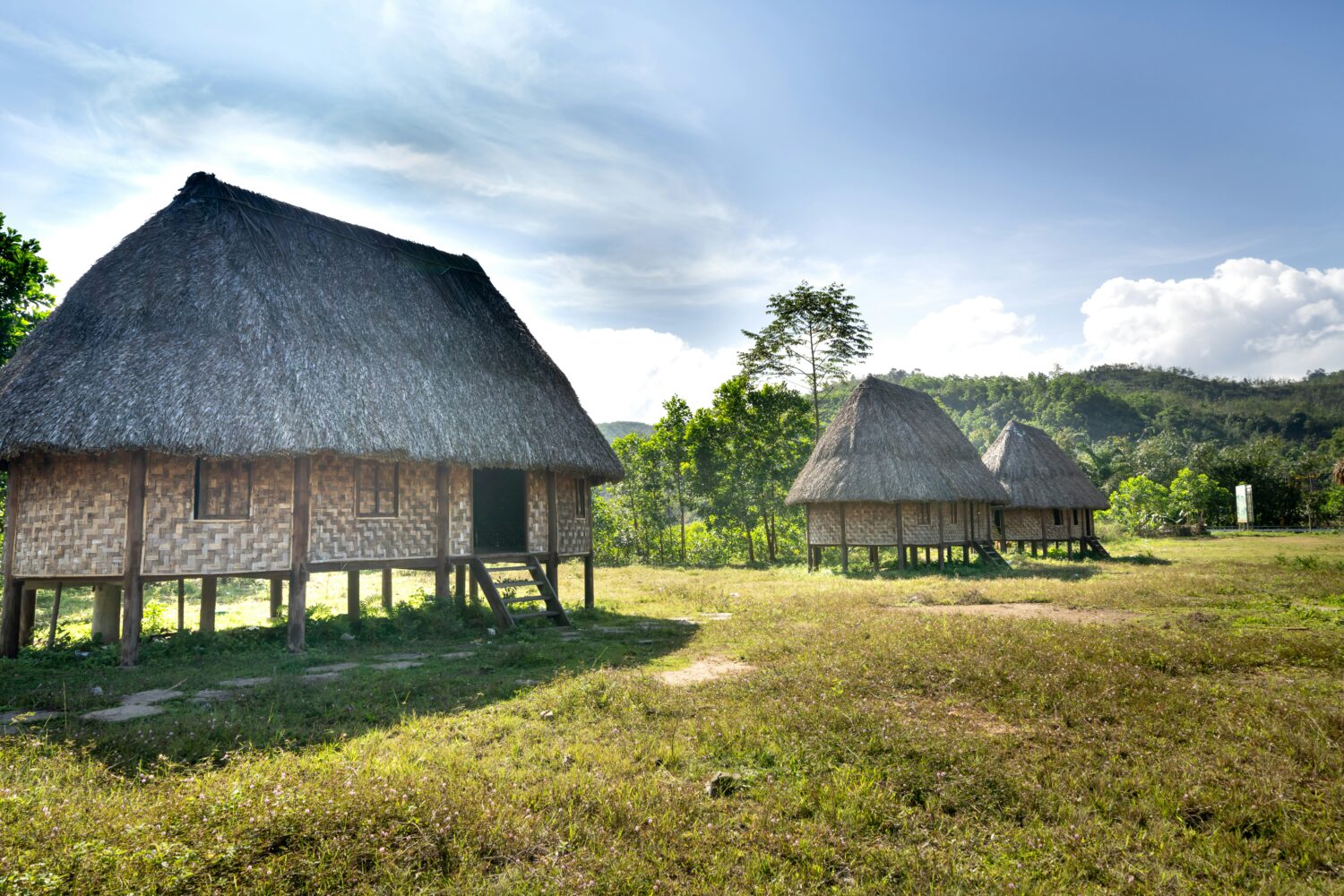
True off-grid camps tend to be smaller, often just a handful of tents or bandas, run with a lighter environmental footprint, and located deeper into a park’s more remote sections rather than clustered near the main entrance gates where infrastructure is easiest to establish.
Why Murchison Falls suits this kind of stay particularly well
Murchison Falls National Park’s sheer size works in favor of a genuine off-grid experience. Uganda’s largest national park stretches across terrain remote enough that its more distant camps, particularly those set away from the busier Nile-adjacent circuit, naturally fall outside reliable connectivity range. A camp positioned in one of the park’s quieter northern or western sections delivers the layered experience that makes off-grid travel worthwhile: genuinely excellent wildlife viewing during the day, paired with evenings where there’s simply nothing pulling your attention back toward a phone, because there’s no signal to pull it there in the first place.
The park’s Nile-based boat cruise and its dramatic waterfall hike remain fully accessible from most off-grid camps, meaning a disconnected stay here doesn’t require sacrificing any of Murchison Falls’ signature experiences, only the constant low-level hum of connectivity that tends to follow travelers even into otherwise remote settings.
What a typical day looks like without a screen in hand
The rhythm of an off-grid camp stay reshapes itself around natural light and activity rather than around notifications and scrolling. Mornings start early, often before sunrise, with a game drive timed to catch wildlife at its most active before the day’s heat sets in. Afternoons, without the usual pull of a phone to fill idle time, tend to slow down considerably: a nap, a book finally finished after months of false starts, or simply sitting on a camp deck watching the bush without any particular agenda. Evenings center around a shared meal, often communal at smaller camps, and conversation that isn’t competing with anyone’s attention drifting toward a screen under the table.
Travelers who’ve never spent a stretch of days without reliable internet access sometimes describe an initial restlessness in the first day or so, a kind of low-grade anxiety about missing something, that reliably fades by the second or third day, replaced by something closer to genuine presence in wherever they actually are. It’s a pattern reported often enough by returning off-grid travelers that it’s worth expecting rather than being surprised by if it happens.
Practical realities worth planning around
Choosing an off-grid stay means accepting a few practical trade-offs that are worth planning for rather than discovering on arrival. Charging electronics, cameras in particular, since most travelers still want their photography gear functional even while disconnecting from communication, usually happens during set generator or solar-charging hours rather than around the clock, so packing a portable power bank charged before departure is a sensible backup. Communication with family or work back home needs to be planned in advance rather than assumed to be possible day-to-day; travelers with genuine emergency-contact needs should discuss this directly with their safari operator, since most remote camps do maintain some form of emergency radio or satellite phone access for genuine urgencies even when guest wifi isn’t available.
It’s also worth setting expectations with anyone back home before departure, letting family know in advance that daily check-ins won’t be realistic during the off-grid stretch of the trip, rather than leaving them to wonder why messages aren’t landing. This single step tends to prevent more anxiety, on both ends, than almost any other piece of pre-trip planning for this kind of stay.
What genuinely disconnecting adds to a safari experience
There’s a real, if hard to quantify, difference in how travelers describe safari encounters experienced without the reflexive urge to photograph and immediately share them. Watching a lion sighting unfold without reaching for a phone first changes the texture of the moment, not because photography is bad, but because the instinct to document can quietly replace the instinct to simply watch. Off-grid camps, by removing the connectivity that makes instant sharing possible in the first place, tend to nudge guests back toward the older, simpler version of a safari experience: binoculars, quiet observation, and a guide’s running commentary rather than a phone screen held up between the traveler and the animal in front of them.
This isn’t a universal preference, and plenty of travelers genuinely enjoy sharing real-time updates from a safari, which is entirely reasonable and not something this kind of trip should be positioned against as morally superior. But for the specific traveler seeking a deliberate break from that habit, an off-grid camp offers a structural nudge toward disconnection that willpower alone often struggles to maintain even with the best intentions.
Sustainability and the off-grid experience
Off-grid camps tend to operate with a genuinely lighter environmental footprint than larger, grid-connected lodges, relying on solar power, careful water management, and smaller guest capacities that reduce overall resource demand on sensitive park ecosystems. For travelers who care about the environmental impact of their trip, choosing a smaller, off-grid camp over a larger, infrastructure-heavy lodge is often a meaningful way to align a safari with broader sustainability values, beyond simply the appeal of disconnection itself.
Many of these camps also employ staff from nearby communities and source food and supplies more locally than larger operations can manage, given the logistics of running a camp far from major supply routes, which tends to give an off-grid stay a more grounded, locally connected character than a large, imported-everything luxury lodge closer to a park’s main entrance.
Who this kind of trip actually suits
An off-grid camp stay isn’t the right fit for every traveler, and it’s worth being honest about that rather than oversell the experience. Travelers with genuine ongoing work obligations that require daily connectivity, families with very young children who benefit from easy access to video calls with relatives, or anyone managing a health condition that requires reliable communication access are often better served by a lodge with dependable, if limited, wifi rather than a genuinely disconnected camp. This isn’t a failure of commitment to the experience; it’s simply matching the trip to real, practical needs.
For travelers without those specific constraints, though, particularly those who’ve noticed their own compulsive relationship with a phone and genuinely want a structural break from it, a few nights at a properly off-grid camp tends to deliver exactly what it promises: an environment where disconnection isn’t a discipline you have to maintain, but simply the condition of where you are.
Combining an off-grid stretch with the rest of a Murchison Falls itinerary
A full trip built entirely around off-grid camps can feel like a lot for a first-time visitor to Uganda, so many travelers find the better approach is to combine a few off-grid nights with a broader, more conventionally connected itinerary elsewhere. Opening a trip with a well-connected lodge near Entebbe or Kampala, then moving into an off-grid stretch deeper into Murchison Falls National Park for the middle of the trip, and closing with a more standard, comfortable stay gives travelers the disconnection experience without needing to commit an entire trip to it, which tends to suit most people better than an all-or-nothing approach.
Planning your own off-grid stretch at Murchison Falls
If a genuine digital detox is part of what you’re looking for on your Uganda trip, our team can help identify which camps and sections of Murchison Falls National Park offer the most authentic off-grid experience, and how to sequence that stretch alongside more connected portions of your itinerary. Reach out through our contact page to talk through what level of disconnection actually suits your trip, or browse our Murchison Falls safari packages to see how remote camp stays typically feature within a broader itinerary. For travelers interested in extending this kind of unhurried, present-focused travel beyond a single park, our Uganda safari tours page covers how Murchison Falls pairs with other destinations like Kidepo Valley National Park, one of the country’s most naturally off-grid regions given its remoteness alone.
The appeal of an off-grid safari camp isn’t really about the absence of wifi itself; it’s about what that absence makes room for. A few days without the option to check a phone tends to reveal just how much quiet attention a place like Murchison Falls actually deserves, and how rarely modern travel gives us the structural excuse to give it that attention fully.