Pangolin Sightings in Uganda: The World’s Most Trafficked Mammal
Ask most travelers to name Uganda’s most endangered animal and gorillas usually come to mind first. Few realize that a far more heavily trafficked species shares the same forests, one so persecuted globally that it holds a grim distinction: the pangolin is widely considered the world’s most trafficked mammal. Uganda is home to four of the world’s eight pangolin species, and while spotting one remains genuinely rare given how shy and nocturnal these animals are, the country has become an important battleground in global pangolin conservation, and a small but growing number of tourism experiences now give travelers a real chance to learn about, and occasionally encounter, this extraordinary and deeply threatened creature.
What Makes Pangolins So Unusual
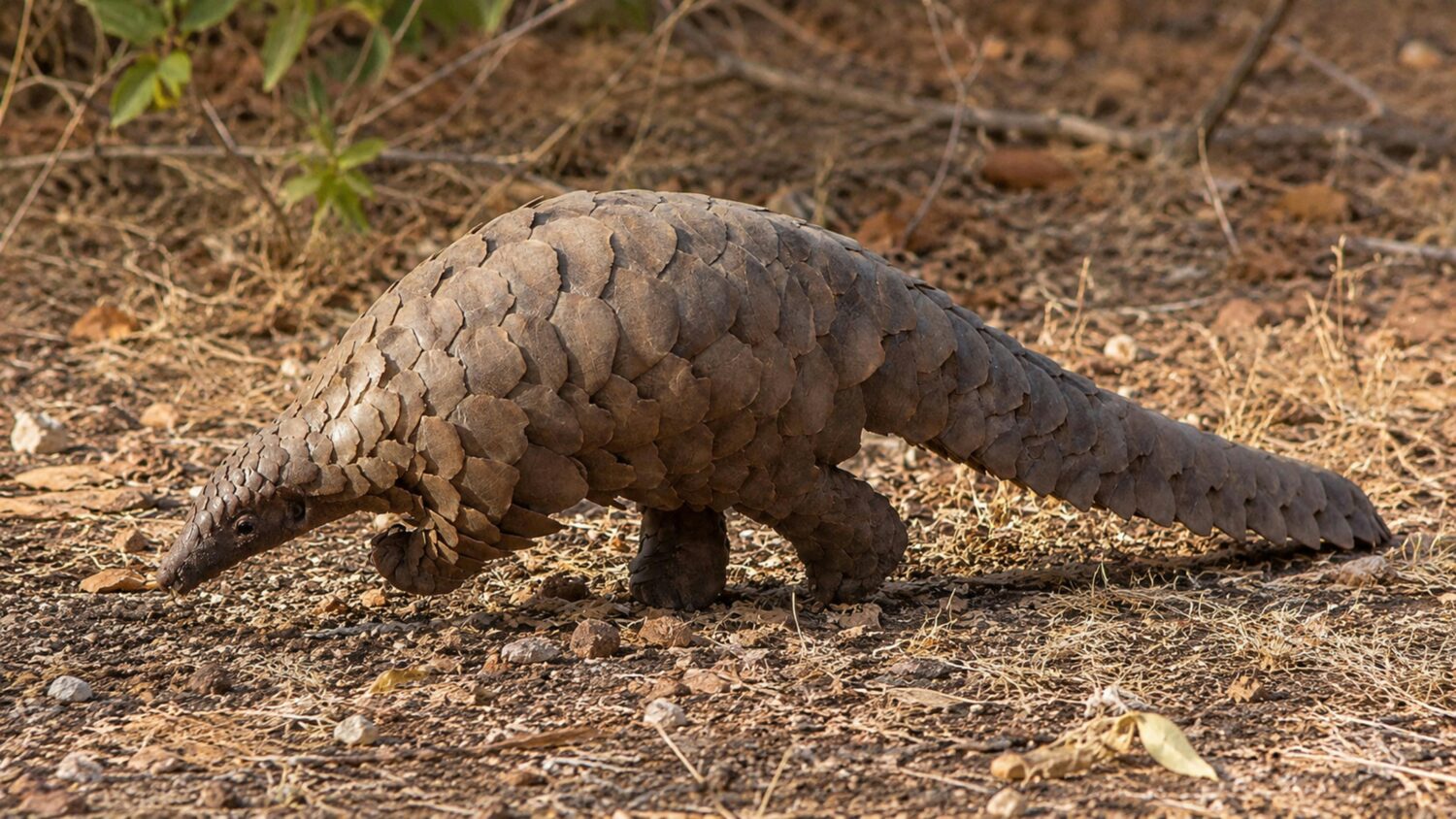
Pangolins are the only mammals on Earth entirely covered in protective keratin scales, the same material found in human fingernails and rhino horn, giving them an appearance unlike almost anything else in the animal kingdom. Solitary and primarily nocturnal, pangolins spend much of their lives foraging alone for ants and termites, using a long, sticky tongue that in some species extends longer than the animal’s own body. Their signature defense mechanism, curling into a tight, armored ball when threatened, evolved over millions of years to protect them from natural predators like lions and leopards, and it works remarkably well against exactly that kind of threat. Against human poachers, however, this same defense becomes a fatal liability, since a curled-up pangolin is simply easier to pick up and carry away.
Why Pangolins Are the World’s Most Trafficked Mammal
Pangolins are hunted primarily for two markets: their scales, used in traditional medicine across parts of Asia despite being chemically identical to human fingernails and carrying no proven medicinal value, and their meat, considered a delicacy and status symbol in several societies. This demand has driven pangolin populations into catastrophic decline worldwide, and all eight recognized pangolin species are currently listed as threatened on the IUCN Red List. Wildlife trade monitoring organizations have documented the scale of this crisis directly in Uganda’s own trafficking data, with more than 1,400 pangolins seized in the country between 2012 and 2016 alone, and further reporting has tracked 44 separate cases involving pangolin product seizures over a more recent three-year period, alongside a sharp overall increase in seizures between 2015 and 2020.
Uganda’s Four Pangolin Species
Uganda hosts four of the world’s pangolin species, each adapted to a different habitat niche across the country. The Tree Pangolin, also known as the white-bellied or three-cusped pangolin, is the most commonly encountered of Africa’s forest-dwelling pangolins and tends to favor wooded and forested habitats. The Giant Pangolin, Africa’s largest pangolin species, and the Ground Pangolin, also known as Temminck’s or Cape pangolin, both favor savannah and woodland environments, making them the species most likely to turn up in seizure operations linked to Uganda’s national parks. The Long-Tailed Black-Bellied Pangolin rounds out the country’s four native species, adapted to a more arboreal, forest-canopy lifestyle. All four species face the same fundamental threat regardless of habitat: relentless demand from illegal wildlife trafficking networks.
Where Pangolin Sightings Are Most Likely in Uganda
Because pangolins are naturally solitary, nocturnal, and elusive, no destination in Uganda can promise a guaranteed sighting, and travelers should approach any pangolin-focused activity with realistic expectations. That said, some areas offer meaningfully better odds than others.
Bwindi Impenetrable National Park and the Buhoma Sector
The Buhoma sector of Bwindi Impenetrable National Park is widely regarded as Uganda’s, and arguably East Africa’s, most reliable location for pangolin encounters. This reputation is closely tied to the presence of the Pangolin Rescue Centre, based in Buhoma village, which has rescued more than 155 pangolins from various parts of Uganda and works to rehabilitate and return them to their natural habitat. Because Buhoma already draws significant tourism traffic for gorilla trekking, its combination of established conservation infrastructure and genuine forest habitat makes it the most practical starting point for travelers specifically interested in pangolins, whether through a guided nighttime search or a visit to the rescue center itself.
Murchison Falls and Queen Elizabeth National Parks
Murchison Falls National Park, Uganda’s largest, offers genuinely diverse habitat that supports pangolins alongside its more famous savannah species, though sightings here remain rare given the park’s dense vegetation and the animals’ nocturnal habits. The Uganda Conservation Foundation’s pangolin project has specifically identified release zones within Murchison Falls for rehabilitated pangolins recovered from trafficking seizures, meaning the park plays a genuine, active role in the country’s broader pangolin conservation effort even if casual sightings on a standard game drive remain uncommon. Queen Elizabeth National Park offers a similarly diverse mix of ecosystems that theoretically support pangolin habitat, though, as with Murchison, an actual daytime sighting during a standard visit would be a matter of considerable luck.
Kidepo Valley National Park
Uganda’s remote northeastern Kidepo Valley National Park, known for its wilderness and diverse wildlife, has also recorded occasional pangolin sightings, though as with the country’s other savannah parks, these remain rare rather than a realistic activity to plan an itinerary around.
Visiting the Pangolin Rescue Centre in Buhoma
For travelers genuinely interested in pangolins as part of a Uganda trip, a visit to the Pangolin Rescue Centre near Buhoma offers the most reliable and meaningful way to actually see, and learn about, these animals up close. The center works alongside the Uganda Wildlife Authority and organizations including the David Shepherd Wildlife Foundation and the Uganda Conservation Foundation, focusing on rehabilitating pangolins recovered from illegal trafficking before release back into protected habitat. Beyond the animals themselves, the center has taken on an important community education role, working specifically with surrounding communities, including the Batwa, historically forest-dwelling people in the Bwindi region, to build local understanding of why pangolin protection matters. For travelers already planning a gorilla trekking trip to Buhoma, adding a stop at the rescue center requires only a modest detour and offers a genuinely different, conservation-focused dimension to the visit.
A Culturally Significant Animal in Uganda
Beyond their ecological importance, pangolins carry genuine cultural weight in parts of Uganda. The animal serves as one of the totems of the Buganda Kingdom, central Uganda’s traditional monarchy, known locally as Olugave, a detail that adds a layer of cultural significance to conservation efforts beyond their purely ecological value. This kind of cultural resonance has, in some cases, supported local conservation messaging, since protecting a totem animal carries meaning that goes beyond standard wildlife conservation framing alone.
How Uganda Is Fighting Pangolin Trafficking
Uganda’s response to pangolin trafficking has developed into a genuinely coordinated, multi-agency effort in recent years. The Uganda Wildlife Crime Unit has led major operations specifically targeting pangolin trafficking networks, including a recent case that rescued six pangolins spanning both Ground Pangolin and Giant Pangolin species, animals that typically receive immediate medical treatment before an eventual planned release back into national parks near where they were originally poached. International organizations including IFAW have worked directly with the Uganda Wildlife Authority, alongside counterparts in Kenya and Tanzania, to strengthen the capacity of judicial officers, magistrates, and prosecutors to properly recognize the gravity of wildlife crime cases and pursue meaningful convictions rather than lenient outcomes. The Uganda Conservation Foundation’s dedicated pangolin project, the first of its kind in the country, has additionally focused on training in the proper handling of rescued pangolins, since previous data showed a concerning number of confiscated animals dying in transit due to limited specialized handling capacity, a gap the project has worked directly to close.
Why Travelers Should Care About Pangolin Conservation
For travelers building a Uganda itinerary, pangolins may never carry the same headline status as gorillas or the Big Five, and realistic expectations matter here: a genuine wild sighting is a matter of luck rather than planning. What tourism can meaningfully support, however, is the conservation infrastructure working to keep the species from disappearing entirely, whether through a direct visit to the Pangolin Rescue Centre in Buhoma, choosing operators and lodges that support local conservation initiatives, or simply raising awareness of the issue among fellow travelers who may never have heard of the illegal pangolin trade at all. Given how quietly this crisis has unfolded relative to more visible conservation stories, even a small amount of traveler attention and spending directed toward pangolin protection efforts carries real weight.
Adding Pangolin Awareness to Your Uganda Itinerary
A Uganda trip built around gorilla trekking in Bwindi’s Buhoma sector already puts pangolin conservation within easy reach, and travelers with a genuine interest in the topic should consider allocating time for a rescue center visit alongside their standard trekking schedule. For those exploring Uganda’s savannah parks, it’s worth simply asking your guide about pangolin conservation efforts specific to that park, since areas like Murchison Falls play an active, if less visible, role in the country’s broader rehabilitation and release network.
If you’re planning a Uganda safari and want to include a visit to the Pangolin Rescue Centre in Buhoma alongside your gorilla trekking permits, our team at Murchison Falls Park Safari can build this into your itinerary and connect you with the conservation efforts underway across Uganda’s parks. Contact us to start planning a Uganda trip that goes beyond the standard wildlife checklist.
For more on Uganda’s wildlife and conservation, our guides on Bwindi Lodge and Sanctuary Gorilla Forest Camp, gorilla trekking permits and preparation, and Uganda’s Big Seven wildlife.