

November Safari at Murchison Falls: Rainy Season Planning Guide
November closes out Murchison Falls National Park’s wetter half of the year, sitting at the tail end of the long rainy stretch that builds through August, September, and October before the park pivots back toward its drier months in December. A November safari at Murchison Falls rewards travelers who plan around the rhythms of this transition rather than fighting against them, since November carries much of the green season’s charm alongside early signs that drier, more settled weather is on its way. Understanding exactly how this month behaves, and how to prepare for it, makes the difference between a trip that feels effortlessly rewarding and one that feels like an uphill battle against the weather.
Where November Sits in Murchison Falls’ Seasonal Calendar
Murchison Falls National Park experiences a tropical climate defined by two dry periods and two wetter periods each year, and November represents the closing chapter of the second, longer wet stretch that typically runs from August through November. Rainfall during November tends to ease somewhat compared to the intensity of October, widely regarded as the wettest month of the year at Murchison Falls, though the park still receives meaningful rain through much of this period. By the later part of November, temperatures generally begin a gradual rise, an early signal of the drier season building toward December.
Daytime conditions during November remain warm and often humid, broadly consistent with the rest of the park’s wet season, while rain typically arrives in the same pattern seen throughout the preceding months: short, often intense storms rather than sustained all-day rainfall, usually followed by clearing skies within the same day. This means a November trip rarely involves being confined indoors for extended stretches, even though the overall month sits firmly within the park’s wetter half of the calendar.
Understanding November as a Transition Month
It is worth framing November precisely, since its position at the close of the rainy season gives it a slightly different character than the deeper wet-season intensity of August through October. This is genuinely a rainy season Uganda safari month, and travelers should plan with rain firmly in mind, but it also carries the first hints of the calmer, drier conditions that will define December and the early part of the following year. Roads across the park can still be affected by heavier downpours, particularly on some of the more remote or minor tracks, but Murchison Falls sits in a comparatively dry pocket of Uganda even during its wettest stretches, and established main routes generally remain workable for standard game drives with an experienced driver-guide.
Because November straddles this transition, it often delivers a genuinely varied experience within a single trip. Early in the month can still feel close to October’s more intense wet-season character, while the final stretch of November frequently shows the first clear signs of drier, more settled weather returning, making the exact timing within the month meaningfully relevant to what a traveler should expect to encounter.
Wildlife Viewing During November
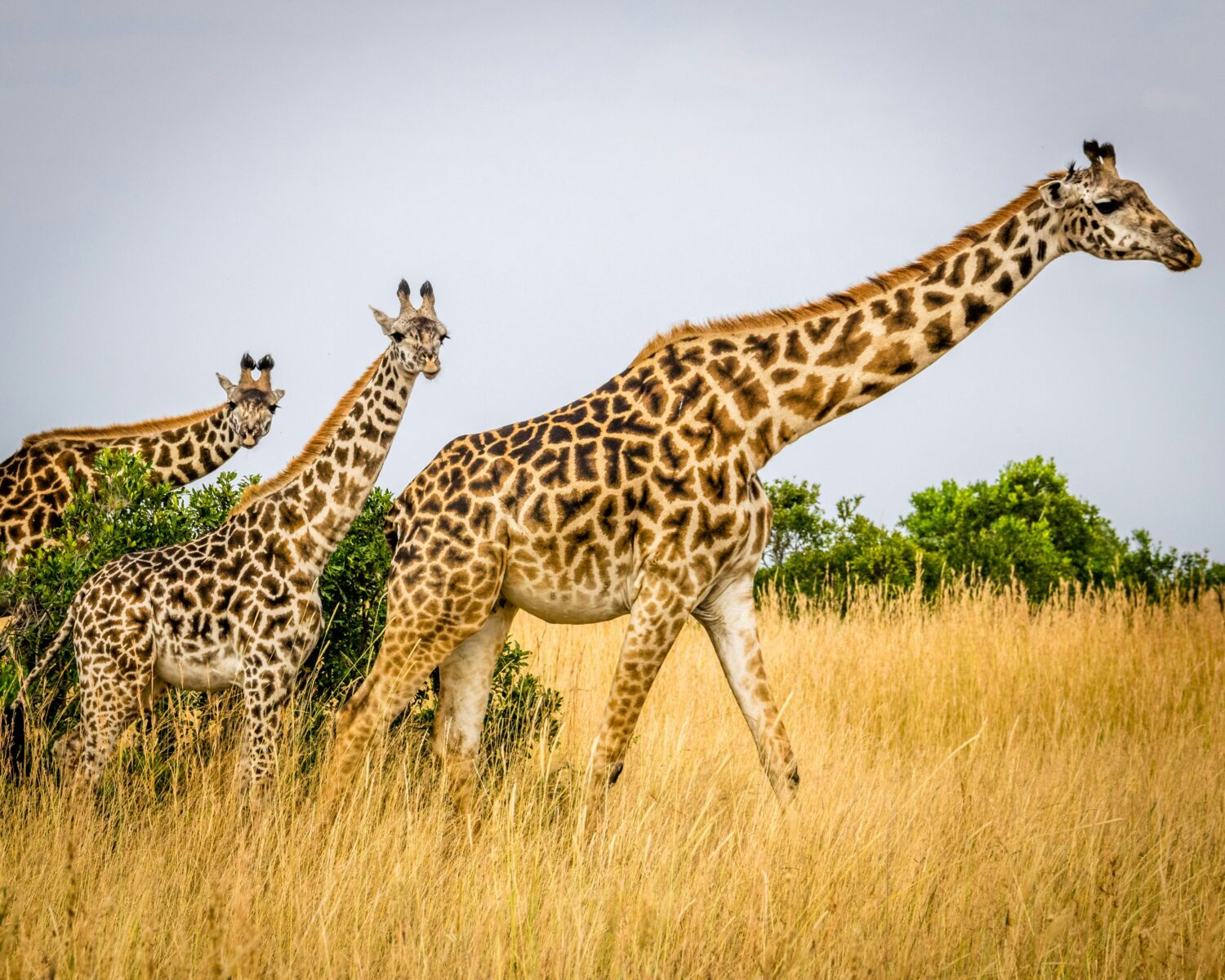
Wildlife viewing during November continues to reflect the dispersal pattern typical of the wet season, since abundant water across the park means animals are not forced into the tight concentrations around the Nile and remaining waterholes that define the driest months. This does not mean sightings become difficult, only that they require a somewhat different approach than dry-season game drives. Elephants, buffalo, and giraffe remain consistently visible across the park’s northern circuit throughout November, and predators including lion continue to follow prey movement even as that movement spreads more widely across the greener landscape.
Birdwatching in November remains a genuine highlight of visiting during this period, carrying forward much of the strong birding conditions established during October. Migratory species combined with resident birds, supported by the lush vegetation and active insect life that follow sustained rainfall, continue to make this a rewarding month for anyone with a serious interest in birdlife, including the chance to spot the park’s celebrated shoebill stork along the delta and riverbanks.
The Murchison Falls boat cruise along the Victoria Nile toward the base of the falls continues to deliver strong wildlife viewing through November, with water levels generally still elevated from the preceding months of heavier rainfall, adding extra drama to the falls themselves as the Nile forces its way through the narrow gorge. Hippos and crocodiles remain reliably visible along the banks, and elephant and buffalo herds continue to make regular appearances at the water’s edge despite the wider availability of water throughout the rest of the park.
Chimpanzee Trekking During November
Travelers combining their Murchison Falls itinerary with chimpanzee trekking Budongo Forest will find November a genuinely favorable month for this activity. This period falls within the broader October-to-January window often cited as particularly strong for chimp trekking, as short grass and the progression of fruiting season in the forest tend to make chimpanzee activity easier to observe. This benefit helps offset the muddier, more slippery trail conditions that can still be present earlier in the month, and travelers should pack sturdy, well-treaded footwear to make the most of these improving trekking conditions as November progresses.
Crowds, Availability, and Cost Advantages
One of the most compelling practical reasons to consider November is what it does for November safari deals and overall trip cost. November sits within Murchison Falls’ broader low season alongside the surrounding shoulder months, and visitor numbers remain noticeably lower than during the June-through-September peak. Lodges around the park, including properties near Paraa and along the river delta, frequently offer reduced rates during this period, and securing availability, even with relatively short notice, tends to be far more realistic than during the busiest months of the year.
This quieter atmosphere extends to game drives and boat cruises as well, with fewer vehicles competing for the same sightings and a more relaxed, personal feel to the overall experience. For travelers whose priorities include genuine value and a quieter park over guaranteed dry conditions, November offers real advantages that peak-season visitors simply do not encounter.
Packing and Practical Preparation for a November Trip
Preparing for a November trip to Murchison Falls calls for much the same rain-ready approach as the preceding wet-season months, with some room for optimism as the month progresses. A reliable rain jacket or poncho, quick-drying clothing, and waterproof or water-resistant footwear remain essential for days when a storm moves through during a game drive or forest trek. Layering continues to matter, since warm, humid days can give way to noticeably cooler evenings, particularly as November edges toward the drier conditions of December.
Malaria prevention deserves the same serious attention in November as during any other wet-season month, given the standing water and humidity that support mosquito activity throughout this period. A treated mosquito net, consistent repellent use, and prescribed antimalarial medication remain standard, non-negotiable preparation for a safe and comfortable trip.
Protecting camera equipment continues to matter through November as well. A simple rain cover or dry bag guards against sudden downpours on open-sided safari vehicles, and lens cloths are worth keeping on hand given the humidity typical of this time of year, particularly during early morning activities before the day fully warms up.
A Sample Flow for a November Visit
Days during a November visit to Murchison Falls tend to follow a rhythm shaped by the tail end of the wet season. Early morning game drives often benefit from clearer skies before any afternoon buildup begins, and the landscape, still lush from the preceding months of rain, tends to look particularly vivid in the soft morning light. Midday frequently brings rising humidity and an increased chance of a passing storm, making this a sensible window to rest at the lodge, take in the view over the Nile, or review the morning’s photographs. Afternoon showers, when they occur, tend to be concentrated and relatively brief, typically clearing in time for a late-afternoon boat cruise or a second game drive before sunset, often under skies that feel freshly washed and unusually clear. Evenings along the river tend to remain warm and atmospheric, with the sense of the wet season gradually winding down as the month progresses toward its close.
Is November the Right Time for Your Trip
November suits travelers who are comfortable with a genuine rainy-season trip in exchange for real advantages elsewhere: continued strong birding, favorable and improving chimp trekking conditions, meaningfully lower costs, and a noticeably quieter park than the peak months earlier in the year. It works particularly well for travelers whose schedules align with this later part of the year, and for those drawn to the greener, more dramatic scenery that defines the wet season without wanting to commit to the most intense rainfall of October. Travelers who want the most reliably dry, dust-free conditions on offer should look toward the December-to-February or June-to-September windows instead, while those specifically prioritizing the lushest scenery and strongest birding of the entire year might lean toward October rather than November.
Travelers weighing November against other months will find it useful to compare against broader seasonal guidance covering the full Murchison Falls calendar, since understanding how November’s late-wet-season character stacks up against October’s more intense rainfall, or the approaching dry conditions of December, helps clarify which trade-offs matter most for a given trip. Pairing that research with a solid what to pack for Murchison Falls safari checklist and a clear malaria prevention plan rounds out preparation for a well-timed November visit.
Planning a Trip Around the November Window
For travelers drawn to a quieter, more affordable Murchison Falls experience with genuinely strong birding and improving chimp trekking conditions, November offers a compelling window that many peak-season guides overlook. Lodges along the river and within the park’s core game-viewing areas tend to have flexible availability during this period, which also makes it easier to combine a Murchison Falls safari with chimpanzee tracking in nearby Budongo Forest or an extension into Kibale or Queen Elizabeth National Park without the scheduling pressure that comes with the busier months of the year.
Thinking about building a November itinerary around Murchison Falls and want help matching lodge availability, boat cruise timing, and chimp trekking arrangements to this closing chapter of the rainy season? Reach out and a local safari specialist can help design a trip that makes the most of everything this quieter, transitional window has to offer.