

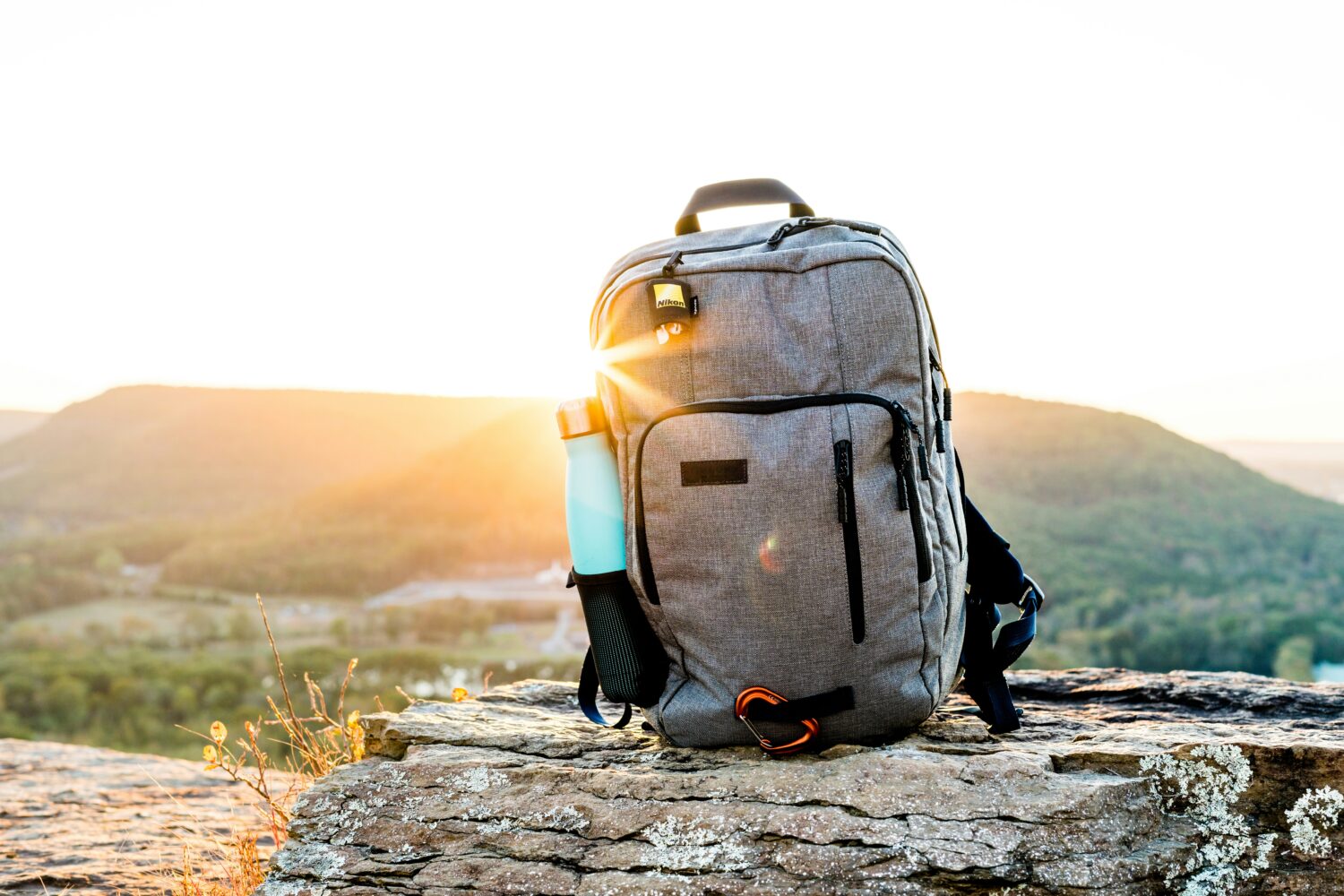
Best Travel Backpacks and Gear for a Uganda Safari
Packing for a safari through Murchison Falls National Park is a genuinely different exercise than packing for a beach holiday or a European city break, and travelers who approach it the same way often end up either overloaded with items they never use or missing the specific gear that would have made a real difference in the field. Choosing the right travel backpack for Uganda safari trips, along with the smaller pieces of gear that support long game drives, dusty roads, and humid river cruises, deserves real thought well before departure. This guide works through exactly what matters for bags and equipment on a Murchison Falls itinerary, without wasting space on generic packing advice that applies equally to any destination.
Why Safari Gear Needs Its Own Approach
A safari through Murchison Falls typically involves several distinct environments within a single trip: dusty, bumpy game drive tracks across open savannah, humid boat cruises along the Victoria Nile, forest walks with denser vegetation and higher humidity if chimpanzee trekking is part of the itinerary, and lodge stays that range from simple tented camps to more polished riverside properties. Each of these settings places slightly different demands on luggage and equipment, and the right gear choices account for all of them rather than optimizing narrowly for just one.
This is also a trip where luggage restrictions genuinely matter in a way many travelers underestimate. Many Uganda safari itineraries, particularly those including a light aircraft transfer or combining Murchison Falls with a fly-in extension to another park, come with meaningfully tighter baggage weight and size limits than standard international flights. Bags that work brilliantly for a long-haul international flight sometimes prove awkward or simply too large for a small charter aircraft, making this an area worth researching specifically for a Uganda itinerary rather than assuming general travel luggage will translate seamlessly.
Choosing the Right Main Bag: Duffel vs Rolling Suitcase
The single most consequential gear decision for a Uganda safari is the choice between a soft-sided duffel bag and a traditional hard-shell or semi-rigid rolling suitcase. A soft-sided duffel bag for safari travel offers real practical advantages once a trip moves beyond international airports and into the kind of rougher, less predictable handling that comes with light aircraft transfers, unpaved lodge access roads, and porters loading bags into safari vehicles. Soft duffels compress into oddly shaped spaces, tolerate being tossed onto vehicle roof racks or into small aircraft holds without damage, and generally weigh less empty than a rigid suitcase, leaving more of any weight allowance available for the contents rather than the bag itself.
Rolling suitcases, by contrast, tend to struggle once they leave paved surfaces, and their wheels and rigid frames offer little advantage on a trip where most transport happens by safari vehicle rather than being dragged across an airport terminal. For travelers whose itinerary includes any light aircraft segment between parks, checking the specific weight and dimension limits well in advance is essential, since these limits are often considerably stricter than what a traveler might be used to on a standard international carrier, and a soft duffel that compresses well is usually the safer choice for meeting them comfortably.
That said, travelers whose entire Uganda itinerary stays on paved roads with private vehicle transfers throughout, without any light aircraft segment, have more flexibility to bring a standard rolling suitcase if that is simply what they already own and prefer, provided it is not overly rigid or oversized for the vehicle storage space typical of safari transport.
The Daypack: The Single Most Important Piece of Gear
If there is one item worth genuinely investing in before a Murchison Falls trip, it is a well-designed daypack for game drives. This is the bag that travels with a traveler on every single game drive, boat cruise, and forest walk, holding cameras, water, sunscreen, binoculars, a light layer for cool mornings, and whatever small essentials need to stay within easy reach throughout the day. A daypack in the twenty-to-thirty-liter range tends to strike the right balance for most travelers, offering enough capacity for a full day’s essentials without becoming bulky or uncomfortable during hours spent seated in a safari vehicle.
Padded, quickly accessible pockets matter considerably more on safari than on a typical daypack designed for city travel, since reaching for a camera lens or a pair of binoculars while a sighting is actively unfolding rewards a bag that opens easily without fumbling through buckles or zippers. A rain cover, either built into the daypack or carried separately, earns its place in the bag given how quickly weather can shift during Uganda’s wetter months, when an afternoon storm can roll through with little warning during an otherwise dry morning game drive.
Color choice is worth a moment’s thought as well. Neutral tones such as khaki, olive, or muted brown blend more naturally into the safari environment and avoid the bright colors and patterns that can occasionally draw unwanted attention from insects, consistent with the same clothing advice travelers already apply to their safari wardrobe more broadly.
Camera Gear and Protection
For travelers bringing dedicated camera equipment on a Murchison Falls safari, whether a mirrorless system with a telephoto lens for wildlife or something simpler, protecting that gear against dust, humidity, and the occasional shower deserves specific attention. A padded camera bag for safari travel, sized to fit within or alongside the main daypack, keeps equipment organized and cushioned against the inevitable jostling of an open-sided safari vehicle navigating uneven game-drive tracks.
Dust is a persistent concern during Uganda’s drier months, when game-drive roads kick up considerable fine dust that can work its way into camera bodies and lenses left exposed. A simple dust cover or a bag with a reliable closure system helps considerably here, and a soft cleaning cloth carried in an easily accessible pocket earns its keep for wiping down lenses between sightings. During wetter months, the same bag benefits from a waterproof liner or rain cover, since sudden downpours during a game drive or Nile boat cruise are common enough to catch unprepared photographers off guard.
A dry bag, even a small one, is worth carrying specifically for boat cruises along the delta, where the combination of water spray and unpredictable weather makes camera protection more of a priority than it is during a standard game drive on dry land.
Footwear for a Uganda Safari
Footwear choice depends heavily on which activities feature in a given itinerary. For travelers whose trip centers primarily on game drives and boat cruises, comfortable, closed-toe walking shoes or lightweight hiking shoes cover most needs, since time spent actually walking tends to be limited compared to hours seated in a vehicle or boat. Travelers adding chimpanzee trekking in Budongo Forest or the top-of-the-falls hike to their itinerary benefit from a sturdier pair of hiking boots for Uganda safari activities, since forest trails can turn muddy and uneven, particularly during wetter months, and better ankle support and grip make a genuine difference on these more physically engaging outings.
A second, lighter pair of shoes or sandals for evenings back at the lodge rounds out a sensible footwear strategy, giving muddy or dusty boots a chance to dry out and air between days out in the park.
Clothing Considerations That Double as Gear
While clothing itself falls slightly outside the traditional definition of gear, a few specific items function almost like equipment on a Murchison Falls safari and deserve mention here. A wide-brimmed hat offers considerably better sun protection than a cap during long hours in an open vehicle under equatorial sun, and a lightweight, packable rain jacket earns a permanent place in the daypack regardless of season, given how quickly weather can shift even during the driest months. Neutral-toned clothing in khaki, olive, or similar shades remains the standard recommendation across Uganda’s parks, both for practical reasons around insect attraction and for blending more naturally into the surrounding landscape during game drives and forest walks.
Water, Hydration, and Health-Related Gear
A reusable water bottle, ideally insulated to keep drinking water cool through a long, hot game drive, reduces reliance on single-use plastic and keeps hydration convenient without needing to dig through a bag for a fresh bottle every time. Many lodges around Murchison Falls now provide refill stations or filtered water specifically to support this kind of reusable bottle use, making it a genuinely practical as well as environmentally sensible choice.
Given the malaria risk present throughout Murchison Falls, a small, dedicated pouch for insect repellent, sunscreen, and any personal medication keeps these essentials organized and easy to reach throughout the day, rather than buried at the bottom of a daypack when they are needed most urgently, such as just before stepping out of a vehicle for a bathroom stop in the bush or heading out for an early morning walk.
Binoculars: An Underrated Piece of Safari Gear
A decent pair of binoculars ranks among the most valuable, and most frequently underestimated, pieces of gear a traveler can bring on a Murchison Falls safari. While guides typically carry their own, having a personal pair means never having to wait a turn to get a closer look at a distant lion, a perched raptor, or one of the park’s many bird species along the delta. A mid-range pair with roughly eight-to-ten power magnification and a reasonably wide field of view suits most safari conditions well, offering enough detail for distant wildlife without becoming so heavy or bulky that it becomes a burden to carry throughout a full day of game drives.
Packing Cubes and Organization
For travelers managing a Uganda itinerary that includes multiple lodges over the course of a trip, packing cubes make repacking between stops considerably faster and less stressful. Separating clothing by type or by day, and keeping dirty laundry contained separately from clean items, reduces the friction of frequent repacking that comes with a multi-location safari itinerary, whether that means moving between different sections of Murchison Falls or extending into Kibale or Queen Elizabeth National Park as part of a broader trip.
Weighing Weight Limits Before You Pack
Given how central weight and size restrictions are to safari travel, particularly for any itinerary involving a light aircraft segment, it is worth confirming exact limits with a tour operator or airline well before finalizing what to pack. These limits typically apply not just to the main duffel bag but to hand luggage as well, and travelers who pack with these figures in mind from the outset avoid the stress of last-minute repacking or difficult decisions about what to leave behind once already at Entebbe or a domestic airstrip.
Bringing It All Together for a Murchison Falls Trip
The right combination of gear for a Murchison Falls safari comes down to a soft, compressible main bag suited to light aircraft weight limits where relevant, a well-organized daypack that stays within reach throughout every game drive and boat cruise, proper camera protection against dust and the occasional shower, sturdy footwear for any trekking activities, and a handful of smaller items, from binoculars to a reusable water bottle, that make each day in the park considerably more comfortable. None of this needs to be expensive or highly specialized, but thinking through gear choices specifically for Uganda’s mix of savannah, river, and forest environments, rather than relying on generic travel packing habits, makes a genuine difference once the safari itself gets underway.
Travelers finalizing their gear list will find it useful to pair this guide with broader preparation covering what to pack for a Murchison Falls safari more generally, along with a clear plan for malaria prevention given the park’s year-round mosquito activity, to round out a well-prepared, comfortable trip from the first game drive to the last.
Planning Your Uganda Safari Gear Around Your Itinerary
Every Murchison Falls itinerary is a little different, and the right gear list depends on the specific mix of activities involved, whether that means a straightforward game-drive-and-boat-cruise trip, an itinerary extended with chimpanzee trekking in Budongo Forest, or a broader combination with Kibale or Queen Elizabeth National Park. Getting the gear right from the start means fewer surprises once in the field.
Planning a Murchison Falls safari and want help matching your gear list and packing strategy to your specific itinerary, including any light aircraft weight limits? Reach out and our local safari specialist can help make sure everything from your daypack to your footwear is dialed in before you depart.