Murchison Falls Scientific Research | Murchison Falls Park Safaris
Murchison Falls National Park is not only Uganda’s largest and most diverse conservation area—it is also one of the country’s most important natural laboratories. Scientific research Murchison plays a critical role in understanding ecosystems, protecting wildlife, and guiding conservation strategies across the park.
From large mammal monitoring to river system analysis and forest ecology, the park supports a wide range of wildlife studies and long-term ecological research. For researchers, students, and conservation-focused travelers, Murchison Falls offers a field environment where theory meets real-world application. Integrating research into a Murchison Falls park safari adds depth, turning a journey into a meaningful exploration of science and conservation.
Why Murchison Falls is a Key Research Destination
Murchison Falls spans diverse habitats, including savannah, wetlands, riverine systems, and tropical forest. This ecological variation makes it ideal for scientific research Murchison, allowing multiple disciplines to operate within one protected area.
The Nile River, which bisects the park, adds another layer of complexity. It supports aquatic ecosystems, influences wildlife distribution, and creates unique environmental conditions for ecological research.
In addition, the presence of established conservation frameworks and protected status ensures that wildlife studies conducted here contribute directly to long-term management and sustainability.
Core Research Areas in Murchison Falls
Wildlife Population Studies
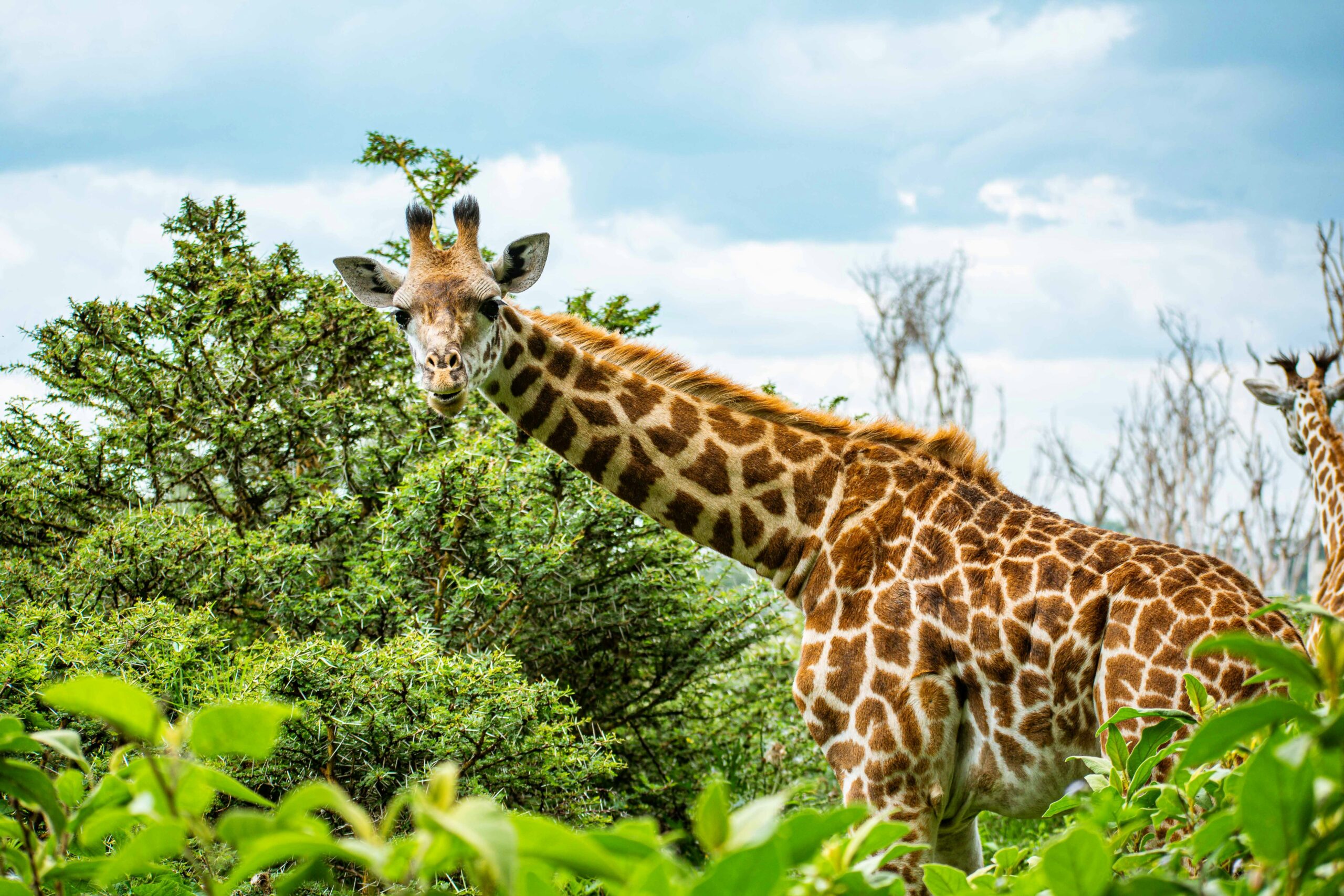
Monitoring wildlife populations is one of the most important aspects of scientific research Murchison. Researchers study elephants, lions, giraffes, buffalo, and antelope species to understand population trends, migration patterns, and habitat use.
These wildlife studies provide data that informs conservation decisions, helping authorities manage species and maintain ecological balance.
Predator-Prey Dynamics
Understanding interactions between predators and prey is essential for maintaining ecosystem stability. Researchers observe hunting patterns, territory behavior, and competition among species.
This type of ecological research reveals how species coexist and how environmental changes affect these relationships.
River and Aquatic Ecosystems
The Nile River is central to the park’s ecosystem. Studies focus on water quality, fish populations, and aquatic biodiversity.
Researchers also examine the behavior of species such as hippos and crocodiles, making aquatic wildlife studies a key component of scientific research Murchison.
Forest and Primate Research
Budongo and Rabongo forests within the park support important primate populations, including chimpanzees. Research in these areas focuses on behavior, communication, and conservation.
These studies contribute significantly to ecological research, providing insights into forest ecosystems and species interactions.
Climate and Environmental Change
Climate patterns influence vegetation, water availability, and wildlife behavior. Researchers analyze seasonal changes and long-term trends to understand environmental shifts.
This form of scientific research Murchison connects local observations to global climate discussions, making it highly relevant for conservation planning.
Research Methods and Techniques
Field Observation
Direct observation remains one of the most common methods in wildlife studies. Researchers spend time in the field recording behavior, movement, and interactions.
Camera Trapping
Camera traps allow researchers to monitor wildlife without human presence. These devices capture images and videos, providing valuable data for ecological research.
GPS Tracking and Mapping
Tracking devices help researchers follow animal movements and map habitats. This technology enhances the accuracy of scientific research Murchison.
Data Collection and Analysis
Collected data is analyzed to identify patterns and trends. This process transforms field observations into actionable insights for conservation.
Role of Conservation Authorities
The Uganda Wildlife Authority (UWA) plays a key role in managing research activities. It ensures that studies align with conservation goals and do not harm the environment.
Collaboration between researchers and authorities strengthens the impact of scientific research Murchison, ensuring that findings contribute to policy and management.
Community Involvement in Research
Local communities play an important role in conservation and research. Community-based programs often support data collection, awareness, and sustainable practices.
These partnerships enhance ecological research by incorporating local knowledge and ensuring that conservation efforts benefit surrounding populations.
Educational and Academic Research Opportunities
Murchison Falls attracts universities and research institutions from around the world. Students participate in fieldwork, gaining practical experience in wildlife studies and environmental science.
These programs transform the park into a classroom, where scientific research Murchison becomes a tool for learning and discovery.
Combining Research with Safari Experiences
Research activities can be integrated into a safari itinerary. Travelers can participate in guided sessions, learn about ongoing projects, and observe research techniques in action.
This combination creates a more meaningful Murchison Falls park safari, blending adventure with knowledge.
Best Time for Research Activities
Research can be conducted year-round, but timing depends on the focus of the study. Dry seasons are ideal for wildlife observation, while wet seasons provide insights into vegetation and water systems.
Planning ensures that scientific research Murchison aligns with research objectives.
Challenges in Scientific Research
Conducting research in a natural environment presents challenges. Weather conditions, terrain, and wildlife movement can affect data collection.
Despite these challenges, ecological research in Murchison Falls remains highly valuable due to the richness of the ecosystem.
Importance of Research for Conservation
Scientific research provides the foundation for conservation efforts. Data collected through wildlife studies helps identify threats, monitor populations, and develop strategies.
Without scientific research Murchison, effective conservation would not be possible.
Responsible Research Practices
Researchers must follow ethical guidelines to protect wildlife and habitats. Minimizing disturbance and respecting regulations are essential.
Responsible practices ensure that ecological research benefits both science and conservation.
Interlinking Your Research Safari
To create a comprehensive experience, combine research activities with key safari experiences such as chimpanzee tracking in Budongo Forest, Rabongo Forest walks, Nile boat cruises, and cultural visits.
Planning Your Research Safari
Planning is essential for a successful research experience. Defining objectives, selecting study areas, and coordinating logistics ensures that your program meets expectations.
Working with experienced safari planners allows you to design customized itineraries that integrate wildlife studies and safari activities.
Why Scientific Research Enhances Your Safari
Scientific research adds depth and meaning to a safari. It allows travelers to understand ecosystems, appreciate conservation efforts, and engage with nature in a meaningful way.
Through scientific research Murchison, visitors gain insights that go beyond traditional tourism.
Plan Your Safari
Explore the depth of scientific research Murchison and engage in meaningful wildlife studies through immersive ecological research experiences. From field observation to conservation learning, every moment offers discovery.
Start planning your safari today with expert guidance and tailored itineraries, here and create a journey that blends science, adventure, and conservation.