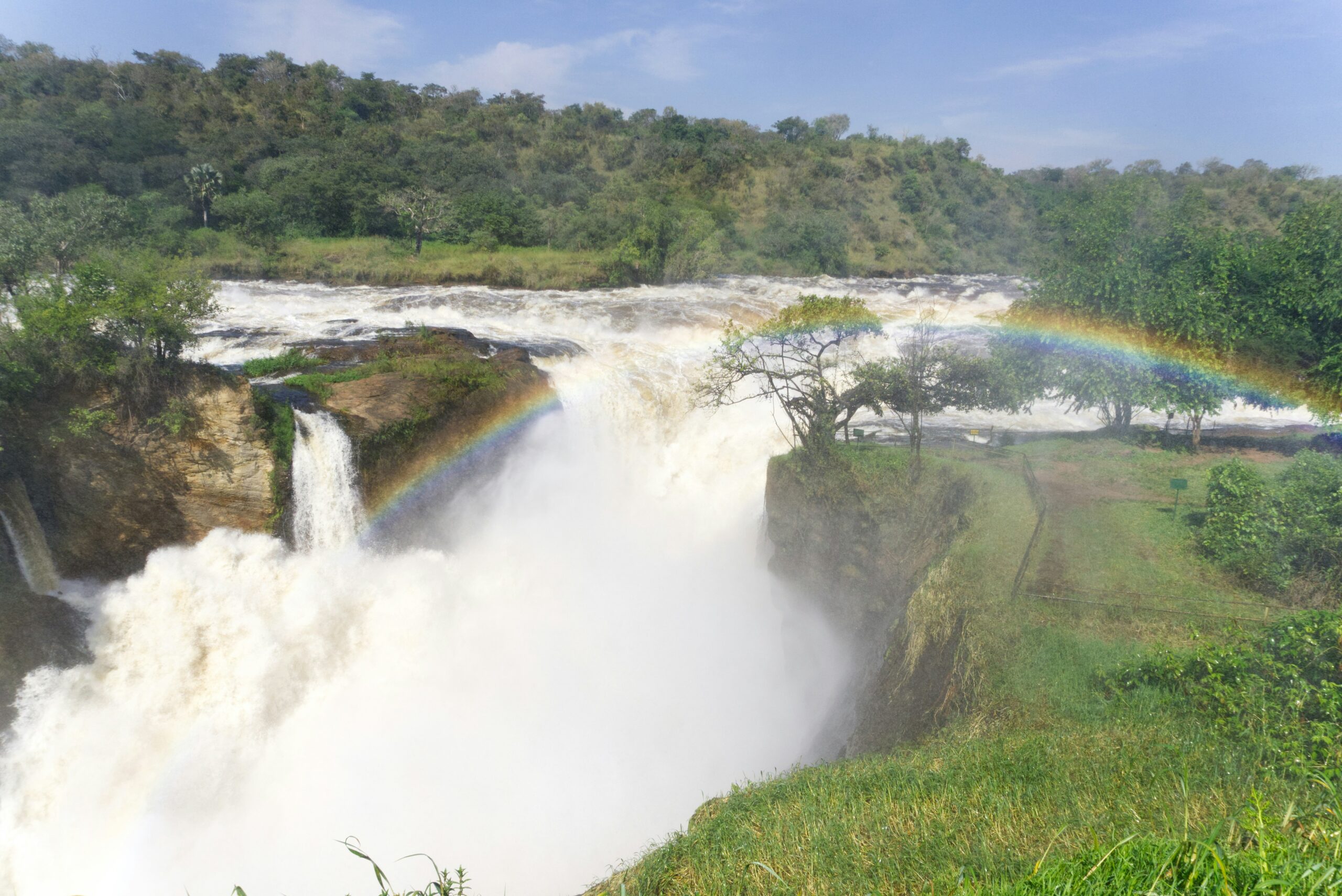
Murchison Falls Revenue: Tourism Economic Impact
Tourism plays a critical role in Uganda’s economy, and one of the strongest contributors is Murchison Falls National Park. As Uganda’s largest and most visited national park, it generates significant income through wildlife tourism, safari activities, conservation fees, and community engagement. The discussion around Murchison Falls Revenue goes beyond simple statistics. It reflects how tourism supports conservation, local livelihoods, infrastructure development, and national economic growth.
Murchison Falls National Park is a cornerstone of Uganda’s tourism industry. It attracts thousands of international visitors each year who come to experience its powerful waterfall, rich wildlife populations, and iconic Nile River landscapes. Every safari booking, park entry fee, boat cruise, and guided activity contributes directly to Uganda’s tourism economy.
The park is home to elephants, lions, giraffes, buffaloes, hippos, crocodiles, and over 450 bird species, making it one of East Africa’s most valuable biodiversity assets. This natural richness not only supports tourism revenue but also positions Uganda as one of Africa’s leading safari destinations.
Understanding Murchison Falls Revenue helps travelers and stakeholders see how wildlife tourism directly supports conservation efforts and community development while preserving Uganda’s natural heritage for future generations.
For travelers planning safari experiences in Uganda, Murchison Falls Park Safari offers expertly designed tours that contribute directly to sustainable tourism and conservation impact within the park.
How Murchison Falls Generates Tourism Revenue
Murchison Falls National Park generates income through multiple tourism streams that collectively support Uganda’s conservation and economic systems. The most significant revenue sources include park entry fees, safari activities, accommodation, guided tours, boat cruises, and wildlife permits.
Park entry fees form the foundation of Murchison Falls Revenue. Every visitor entering the park contributes directly to Uganda Wildlife Authority (UWA), which manages conservation, security, and infrastructure within protected areas.
Safari activities such as game drives, boat cruises along the Nile, nature walks, and birdwatching experiences also generate income through permits and guide services. These activities enhance visitor experience while supporting local employment.
Accommodation within and around the park contributes significantly to tourism revenue. Luxury lodges, midrange camps, and eco-lodges pay concession fees and employ local staff, creating a ripple effect across surrounding communities.
Boat safaris to the base of Murchison Falls and wildlife viewing along the Nile remain among the most popular attractions, generating consistent revenue throughout the year.
Each of these income streams plays a vital role in sustaining Uganda’s tourism ecosystem.
Economic Impact of Murchison Falls Tourism
The economic impact of Murchison Falls Revenue extends far beyond park boundaries. Tourism in the park supports national income, foreign exchange earnings, employment opportunities, and infrastructure development.
Uganda’s tourism sector contributes significantly to GDP, and Murchison Falls remains one of its strongest performers due to its popularity among international safari travelers.
Local economies surrounding the park benefit directly from tourism activities. Communities engage in cultural tourism, craft sales, transportation services, food supply chains, and hospitality services.
Many families in districts near Murchison Falls rely on tourism-related income. This includes tour guides, lodge workers, drivers, boat operators, and cultural performers.
The park also contributes indirectly to national infrastructure development. Roads, communication networks, and public services in tourism regions improve as a result of increased visitor traffic and government investment.
In this way, Murchison Falls Revenue strengthens both local livelihoods and national economic growth.
Conservation Funding Through Tourism Revenue
One of the most important functions of Murchison Falls Revenue is its contribution to wildlife conservation. A portion of all tourism income is reinvested into protecting Uganda’s national parks, wildlife species, and ecosystems.
Funds generated from park entry fees and tourism activities support anti-poaching patrols, wildlife monitoring, habitat restoration, and environmental protection programs.
Murchison Falls National Park faces conservation challenges such as human-wildlife conflict, habitat pressure, and illegal hunting. Tourism revenue helps address these challenges by funding ranger operations and conservation technology.
The presence of tourists also acts as a deterrent to illegal activities within the park. Increased visibility and monitoring improve wildlife protection and ecosystem stability.
Without tourism revenue, conservation efforts in Murchison Falls would be significantly limited, making tourism a key pillar of environmental sustainability.
Wildlife Tourism and Visitor Spending
Wildlife tourism is the backbone of Murchison Falls Revenue. Visitors come from around the world to experience game drives, boat safaris, birdwatching, and the iconic Murchison Falls itself.
Each visitor contributes to the economy through accommodation bookings, safari packages, transport services, and guided tours.
Game drives across the northern savannah plains generate significant income for licensed tour operators and park authorities. Visitors frequently encounter elephants, lions, giraffes, buffaloes, and antelopes, making the experience highly valuable for tourism growth.
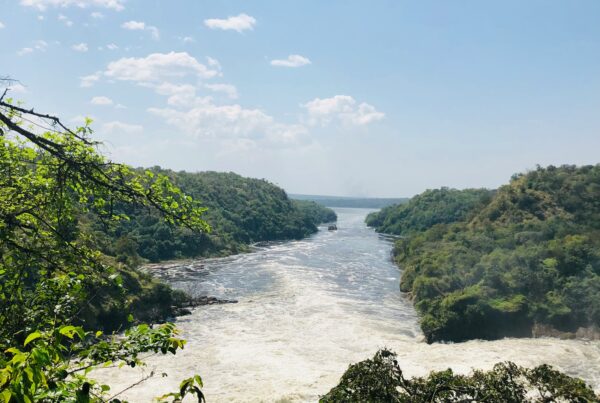
Boat cruises along the Nile River also contribute to revenue generation. These cruises offer close-up wildlife encounters with hippos, crocodiles, and elephants while providing scenic views of the waterfall.
The combination of land and water-based safari activities ensures that Murchison Falls Revenue remains stable throughout the year.
Community Benefits from Tourism Revenue
One of the most important aspects of Murchison Falls Revenue is its impact on surrounding communities. Tourism creates direct and indirect employment opportunities for thousands of people living near the park.
Local communities benefit from employment in lodges, tour companies, transportation services, and cultural tourism initiatives. Many residents also engage in handicrafts, traditional performances, and small business activities that support tourism.
Revenue-sharing programs implemented by Uganda Wildlife Authority ensure that a portion of park income is reinvested into community development projects. These include schools, healthcare facilities, clean water systems, and infrastructure improvements.
Community-based tourism projects also allow visitors to engage directly with local cultures, creating additional income streams for rural households.
This connection between tourism and community development strengthens support for conservation and ensures long-term sustainability of the park.
Accommodation Industry and Revenue Contribution
The accommodation sector plays a major role in generating Murchison Falls Revenue. The park and surrounding areas feature a wide range of safari lodges, tented camps, and eco-lodges that cater to different travel budgets.
Luxury lodges along the Nile River attract high-value tourists who contribute significantly to park-related spending. These lodges employ local staff, purchase supplies from nearby communities, and pay concession fees to park authorities.
Midrange and budget lodges also support tourism accessibility while contributing to the overall economic ecosystem.
Accommodation providers often collaborate with tour operators to offer complete safari packages that include game drives, boat safaris, and guided experiences.
This integrated tourism system ensures that revenue flows across multiple sectors within Uganda’s tourism industry.
Murchison Falls as a National Economic Asset
Murchison Falls National Park is one of Uganda’s most important national assets due to its contribution to tourism revenue and biodiversity conservation.
The park attracts both domestic and international tourists, making it a key driver of Uganda’s tourism strategy.
As global interest in African safaris continues to grow, Murchison Falls Revenue is expected to increase further, strengthening Uganda’s position in the international tourism market.
Investment in infrastructure, conservation, and hospitality services continues to enhance the park’s appeal and economic value.
The Nile River, wildlife populations, and iconic waterfall create a unique tourism product that is difficult to replicate elsewhere in Africa.
Challenges Affecting Tourism Revenue
Despite its success, Murchison Falls Revenue faces several challenges that impact tourism growth.
These include infrastructure limitations, wildlife conservation pressures, climate variability, and global travel disruptions.
Road access to some sections of the park can affect visitor flow, while seasonal weather conditions influence wildlife visibility and travel experiences.
Conservation challenges such as habitat loss and human-wildlife conflict also require ongoing investment and management.
However, continued government support, private sector investment, and international tourism interest help maintain steady growth in revenue generation.
Future of Murchison Falls Tourism Economy
The future of Murchison Falls Revenue looks promising as Uganda continues to position itself as a leading safari destination in Africa.
Growing interest in eco-tourism, wildlife conservation, and authentic travel experiences is expected to increase visitor numbers.
Digital marketing, improved infrastructure, and international partnerships are also helping to expand Uganda’s tourism reach.
Sustainable tourism development will remain a priority, ensuring that economic growth does not compromise environmental protection.
Murchison Falls is likely to remain one of Uganda’s top revenue-generating tourism destinations for decades to come.
Why Murchison Falls Matters to Uganda’s Tourism Industry
Murchison Falls National Park is not only a tourist destination but also a central pillar of Uganda’s tourism economy.
The park supports conservation, generates employment, strengthens communities, and enhances Uganda’s global tourism reputation.
The continued growth of Murchison Falls Revenue reflects the importance of protecting natural heritage while promoting sustainable tourism development.
Conclusion
The story of Murchison Falls Revenue is a story of balance between nature, tourism, conservation, and economic development. Every safari booked, every park fee paid, and every lodge stay contributes to a larger system that supports Uganda’s wildlife and communities.
Murchison Falls National Park remains one of Africa’s most valuable tourism assets, combining dramatic landscapes, rich biodiversity, and strong economic impact.
As Uganda continues to grow as a global safari destination, Murchison Falls will remain at the heart of its tourism success.
To experience the park firsthand and support sustainable tourism development, visit Murchison falls park safari and explore unforgettable safari journeys in Uganda’s most iconic national park.