Getting to Lake Mburo from Kampala: The Complete Road Trip Guide for an Unforgettable Uganda Safari
Travelling from Uganda’s bustling capital to the tranquil savannah landscapes of Lake Mburo National Park is one of the country’s most rewarding road journeys. Whether you are planning a weekend wildlife escape, a family holiday, a honeymoon, or a longer safari that includes Bwindi Impenetrable National Park and Queen Elizabeth National Park, understanding the journey is essential for making the most of your adventure. Getting to Lake Mburo from Kampala is straightforward, scenic, and filled with opportunities to experience Uganda’s countryside, making the drive part of the safari rather than simply a transfer.
Located in western Uganda within Kiruhura District, Lake Mburo National Park lies approximately 240 kilometres from Kampala, making it the closest savannah national park to the capital. The drive typically takes between three and a half to four and a half hours, depending on traffic conditions, roadworks, and the number of stops made along the route. Unlike many African safari destinations that require long travel days or domestic flights, Lake Mburo offers a convenient escape into the wild while remaining easily accessible by road.
For visitors travelling with Murchison Falls Park Safari, the road journey is carefully planned to include comfortable breaks, cultural experiences, and breathtaking scenery before arriving in one of Uganda’s most unique wildlife reserves.
Why Lake Mburo National Park Is Worth the Drive
The journey to Lake Mburo National Park is more than simply travelling from one destination to another. It introduces visitors to the changing landscapes of Uganda, from busy urban centres and fertile agricultural lands to rolling hills, Ankole cattle ranches, and finally the acacia-dotted savannah that characterises the park.
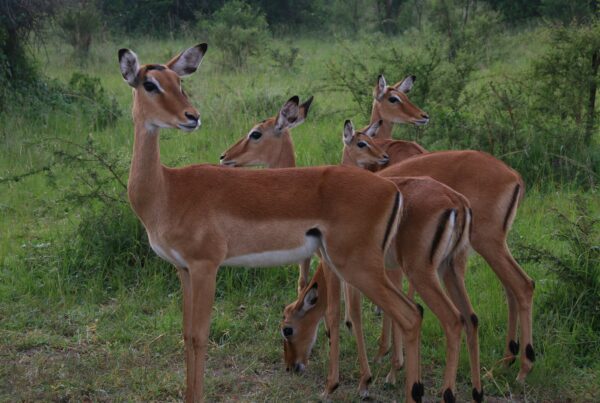
Lake Mburo may be Uganda’s smallest savannah national park, but it offers an impressive diversity of wildlife and safari experiences. It is home to the country’s largest population of impalas, large herds of zebras, buffaloes, giraffes, elands, waterbucks, topis, hippos, crocodiles, and more than 350 recorded bird species. Unlike most national parks in Uganda, it also allows guided walking safaris, horseback safaris, cycling safaris, and boat cruises, giving visitors unique ways to experience African wildlife beyond traditional game drives.
Because of its location, the park is often included in itineraries that also visit Bwindi Impenetrable National Park for gorilla trekking, Queen Elizabeth National Park for tree-climbing lions, or Murchison Falls National Park for the famous Nile boat cruise and Big Five game viewing. If you are planning a longer Uganda safari, consider exploring the tailor-made itineraries available at www.murchisonfallsparksafari.com, where Lake Mburo is seamlessly combined with the country’s other iconic destinations.
The Distance from Kampala to Lake Mburo National Park
The distance between Kampala and Lake Mburo National Park is approximately 240 kilometres via the Kampala–Masaka–Mbarara Highway. Under normal driving conditions, the journey takes around four hours, although departure time plays a significant role in overall travel duration.
Leaving Kampala early in the morning helps avoid heavy commuter traffic, allowing for a smoother drive through the city’s outskirts before joining the main highway. Travellers departing after the morning rush hour often experience additional delays before reaching Masaka.
The road is fully paved from Kampala to the main entrance gates of the park, making it one of Uganda’s easiest national parks to reach by vehicle. This excellent accessibility makes Lake Mburo an ideal destination for visitors with limited time who still want to enjoy an authentic wildlife safari.
Choosing the Best Route
The most commonly used route follows the Kampala–Masaka–Mbarara Highway, one of Uganda’s principal transport corridors. After leaving Kampala, the road passes through Mpigi before continuing towards Masaka. Along this section, travellers enjoy views of lush forests, roadside markets, banana plantations, coffee farms, and small trading centres that provide a glimpse into everyday life in rural Uganda.
After passing Masaka, the journey continues southwest through Lyantonde before reaching Sanga, where signposts direct visitors towards Lake Mburo National Park. Depending on your lodge, you may enter through Sanga Gate, Nshara Gate, or another designated access point.
The drive remains comfortable throughout the year because the highway is tarred and well maintained. During the rainy seasons, occasional caution is necessary on the short access roads leading to some lodges, but most remain accessible with standard safari vehicles.
The Equator Crossing Experience
One of the highlights of getting to Lake Mburo from Kampala is crossing the Equator at Kayabwe. This famous landmark is a favourite stop for both local and international travellers and marks the point where the Northern and Southern Hemispheres meet.
Visitors often pause here to take photographs with the Equator monument, observe the well-known water demonstration that illustrates the Coriolis effect, and browse craft shops selling handmade souvenirs, jewellery, artwork, fabrics, and locally produced coffee. Several restaurants and cafés also provide an ideal opportunity to enjoy refreshments before continuing the journey.
The Equator stop transforms an ordinary road trip into an educational and memorable experience, making it one of the most photographed locations on Uganda’s safari circuit.
What You Will See Along the Journey
One of the reasons many travellers enjoy getting to Lake Mburo from Kampala by road is the constantly changing scenery. As the city fades behind you, Uganda’s countryside unfolds with expansive banana plantations, rolling hills, cattle ranches, wetlands, eucalyptus forests, and vibrant roadside markets where farmers sell seasonal fruits and vegetables.
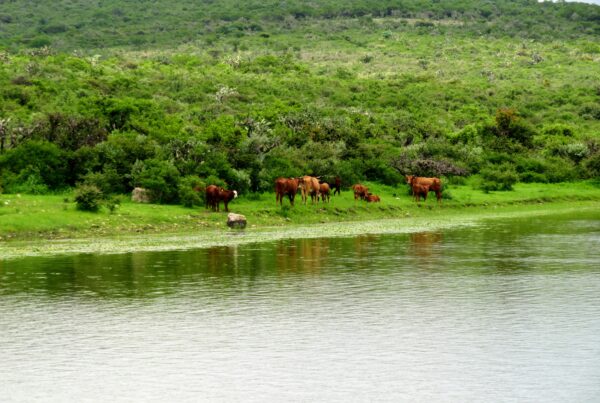
Approaching western Uganda, the landscape becomes increasingly characterised by open grasslands and the famous long-horned Ankole cattle, whose impressive horns have become symbols of the region’s cultural heritage. These elegant animals graze peacefully across vast ranches, creating spectacular photographic opportunities before you even reach the national park.
The journey also offers an appreciation of Uganda’s agricultural richness, with coffee, maize, cassava, and livestock farming playing important roles in the local economy.
Choosing the Right Vehicle
While the road to Lake Mburo National Park can be travelled in a standard sedan during dry conditions, most visitors prefer travelling in a safari vehicle, particularly if wildlife viewing begins immediately upon entering the park.
Four-wheel-drive safari Land Cruisers provide greater comfort, higher ground clearance, and excellent visibility for photography. Their pop-up roofs allow visitors to enjoy game viewing as soon as wildlife appears along the park roads.
For travellers booking through Murchison Falls Park Safari, professionally maintained safari vehicles are driven by experienced guides who are familiar with road conditions, wildlife behaviour, and the best scenic stops along the route.
The Best Time to Make the Journey
The road to Lake Mburo National Park is accessible throughout the year, but seasonal conditions can slightly influence travel.
During the dry seasons, which generally occur between June and September and again from December to February, driving conditions are excellent. Wildlife also becomes easier to spot as vegetation becomes shorter and animals gather near water sources.
The rainy seasons between March and May and October to November transform the countryside into a vibrant green landscape. Although occasional showers may slow travel slightly, they also create dramatic scenery and excellent opportunities for photography.
Regardless of the season, early departures from Kampala remain the most comfortable option.
Safety Tips for the Road Trip
Driving from Kampala to Lake Mburo is generally safe, especially during daylight hours. Visitors should avoid unnecessary night travel because livestock occasionally cross the highway, and visibility decreases after sunset.
Maintaining moderate speeds, taking regular breaks, and carrying drinking water help ensure a comfortable journey. Travellers should also keep cameras readily accessible, as scenic viewpoints and wildlife may appear unexpectedly, particularly near the park boundaries where zebras and impalas are sometimes seen grazing close to the road.
When travelling with a professional safari guide, these logistical considerations are handled for you, allowing you to focus entirely on enjoying the experience.
Arriving at Lake Mburo National Park
As you approach the park, the transition from farmland to protected wilderness becomes immediately apparent. Acacia woodlands replace cultivated fields, and sightings of zebras, warthogs, impalas, and buffaloes often begin shortly after entering through the park gates.
Unlike many national parks where wildlife encounters may require several hours of driving, Lake Mburo frequently rewards visitors almost immediately after arrival. This makes the park especially appealing for travellers with limited time.
Many visitors choose to enjoy an afternoon game drive after checking into their lodge, followed by a sunset overlooking Lake Mburo before preparing for an early morning safari the following day.
Accommodation Options Near the Park
One of the advantages of Lake Mburo National Park is its diverse range of accommodation, catering to luxury, mid-range, and comfortable safari travellers.
Luxury lodges such as Mihingo Lodge provide exceptional views across the savannah, elegant suites, infinity pools, and personalised service. Mid-range options including Kigambira Safari Lodge, Kigarama Wilderness Lodge, and Rwakobo Rock combine comfort with excellent wildlife viewing opportunities while maintaining a close connection to the surrounding landscape.
Many properties are strategically positioned near wildlife corridors, allowing guests to observe zebras, giraffes, and antelopes directly from their private verandas.
Safari Activities After Arrival
Reaching Lake Mburo marks the beginning of an extraordinary safari experience. Traditional game drives reveal diverse wildlife, while guided walking safaris offer an entirely different perspective as experienced Uganda Wildlife Authority rangers interpret tracks, plants, and animal behaviour on foot.
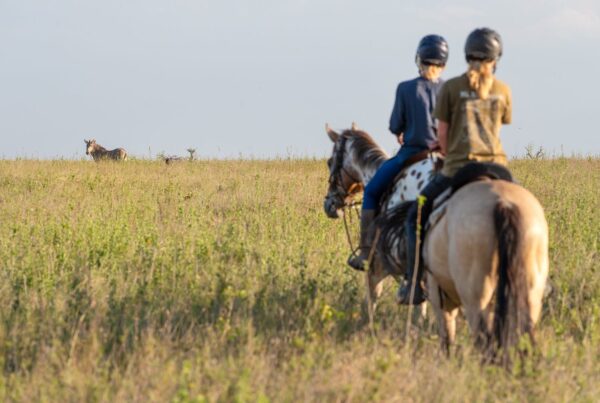
Horseback safaris allow visitors to quietly approach zebras and antelopes without the sound of engines, creating unforgettable wildlife encounters. Boat cruises on Lake Mburo provide close views of hippos, crocodiles, African Fish Eagles, kingfishers, and numerous waterbirds that thrive within the park’s wetlands.
These varied activities distinguish Lake Mburo from many other safari destinations in East Africa.
Combining Lake Mburo with Other Uganda Safaris
Because of its strategic location, Lake Mburo is rarely visited in isolation. Many travellers continue southwest to Bwindi Impenetrable National Park for mountain gorilla trekking or travel north to Queen Elizabeth National Park, famous for tree-climbing lions, elephants, and the Kazinga Channel.
Those seeking a more comprehensive safari often extend their journey to Murchison Falls National Park, where the Nile explodes through a narrow gorge before continuing towards the Albert Nile. Combining these destinations provides one of Africa’s most diverse wildlife experiences, encompassing primates, savannah mammals, spectacular birdlife, and breathtaking landscapes.
Why Book Your Journey with Murchison Falls Park Safari
Planning a road trip from Kampala to Lake Mburo becomes considerably easier when handled by experienced safari specialists. At Murchison Falls Park Safari, every journey is designed around comfort, safety, flexibility, and authentic wildlife experiences. From reliable transport and knowledgeable guides to carefully selected accommodations and personalized itineraries, every aspect of your safari is professionally managed.
Whether your visit to Lake Mburo is part of a weekend escape or an extended exploration of Uganda’s national parks, travelling with local experts ensures that every kilometer contributes to a memorable adventure.
If you are ready to experience the beauty of Lake Mburo National Park, browse our Uganda safari packages and contact our safari consultants to create a customized itinerary that perfectly matches your travel plans.